Maremanda Krishna P, Sundar Isaac K, Li Dongmei, Rahman Irfan
Department of Environmental Medicine, University of Rochester Medical Center, Rochester, NY, United States.
Department of Clinical and Translational Research, University of Rochester Medical Center, Rochester, NY, United States.
Front Pharmacol. 2020 Sep 9;11:584637. doi: 10.3389/fphar.2020.584637. eCollection 2020.
Aging is one of the key contributing factors for chronic obstructive pulmonary diseases (COPD) and other chronic inflammatory lung diseases. Here, we determined how aging contributes to the altered gene expression related to mitochondrial function, cellular senescence, and telomeric length processes that play an important role in the progression of COPD and idiopathic pulmonary fibrosis (IPF).
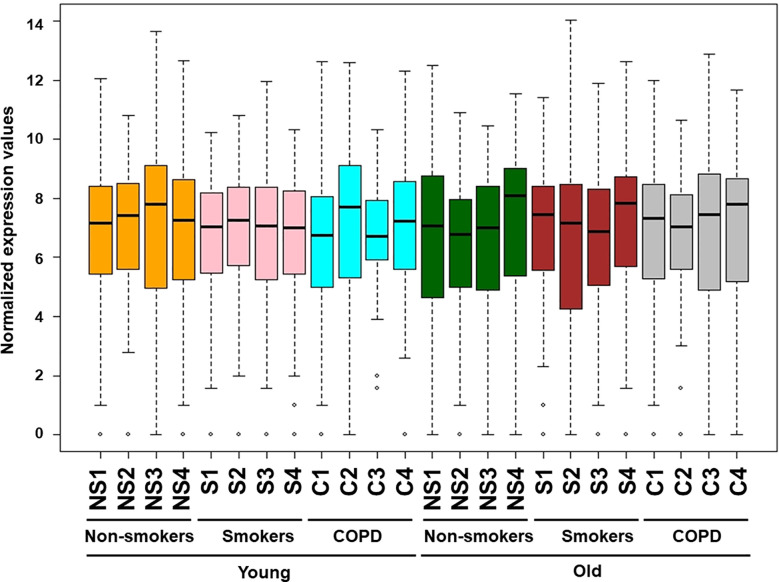
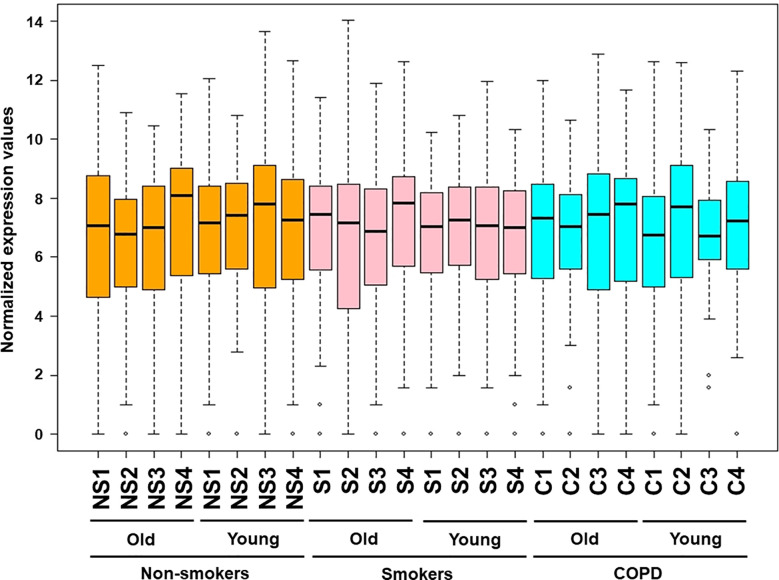
Total RNA from the human lung tissues of non-smokers, smokers, and patients with COPD and IPF were processed and analyzed using a Nanostring platform based on their ages (younger: <55 years and older: >55 years).
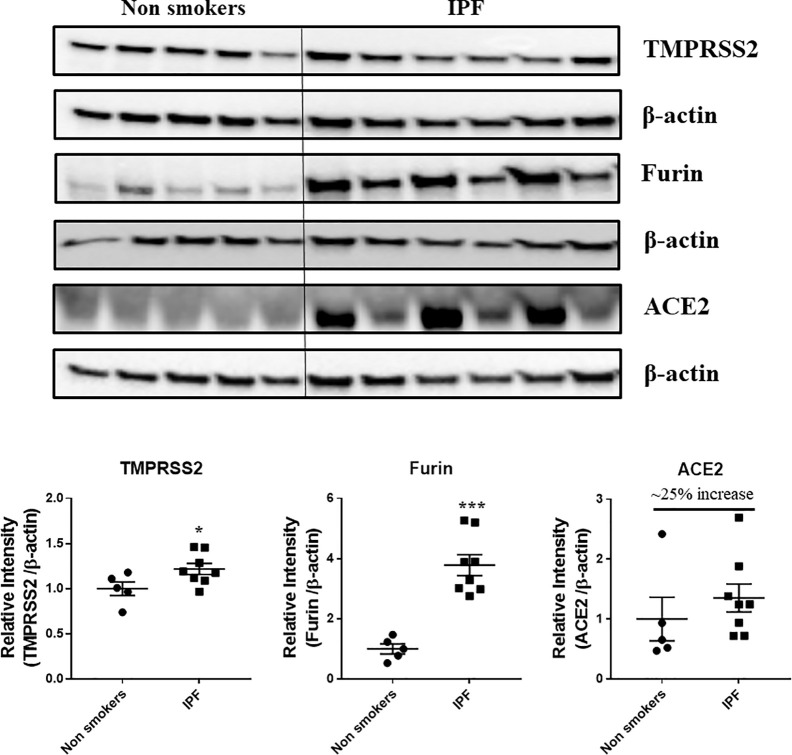
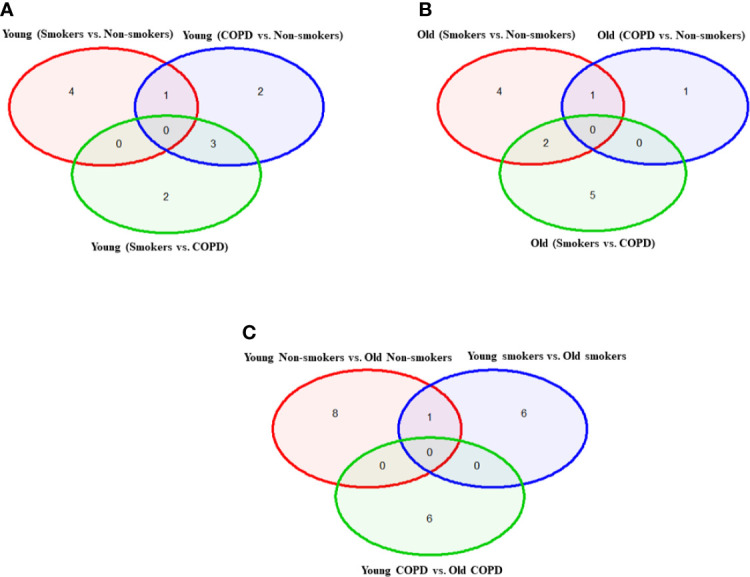
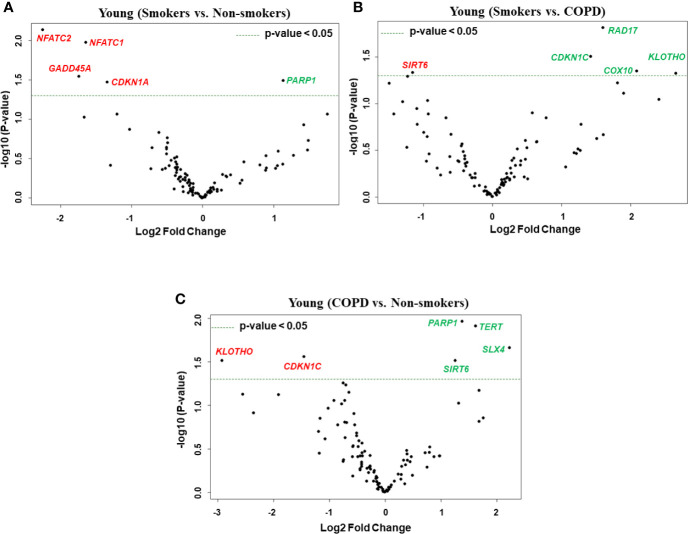
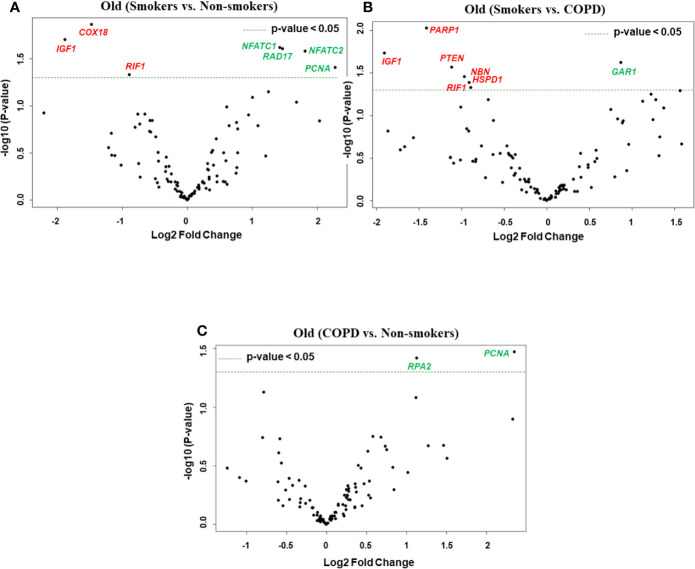
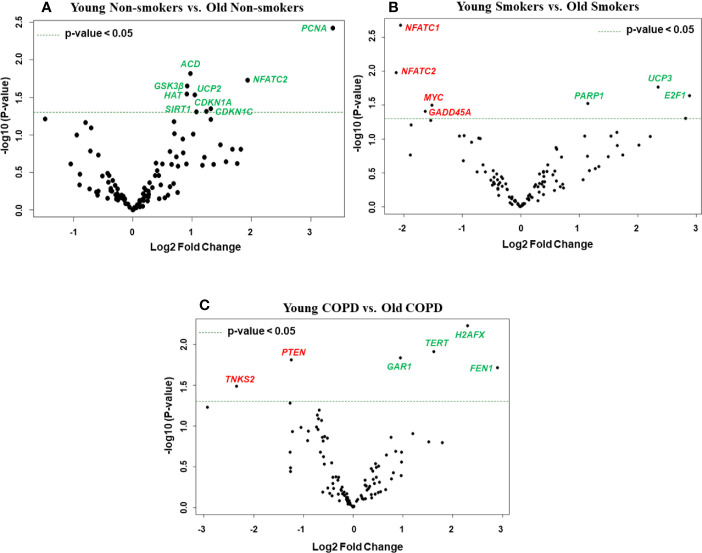
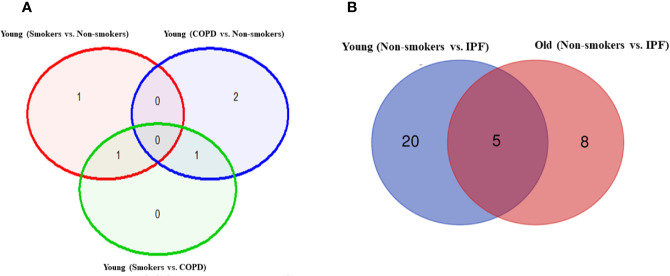
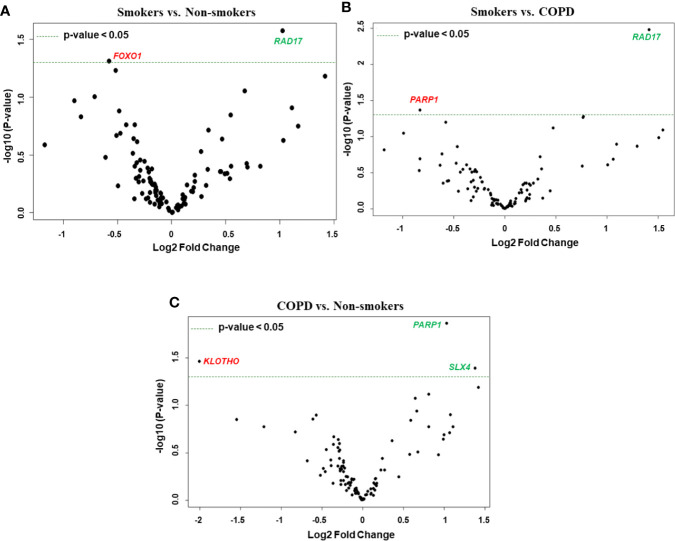
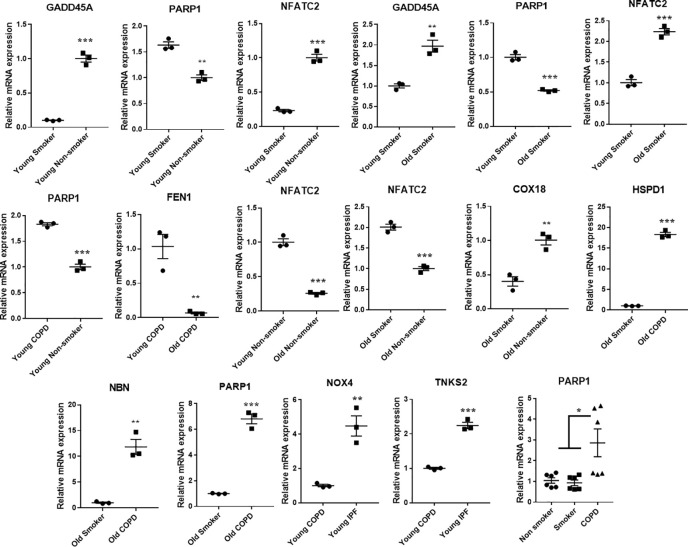
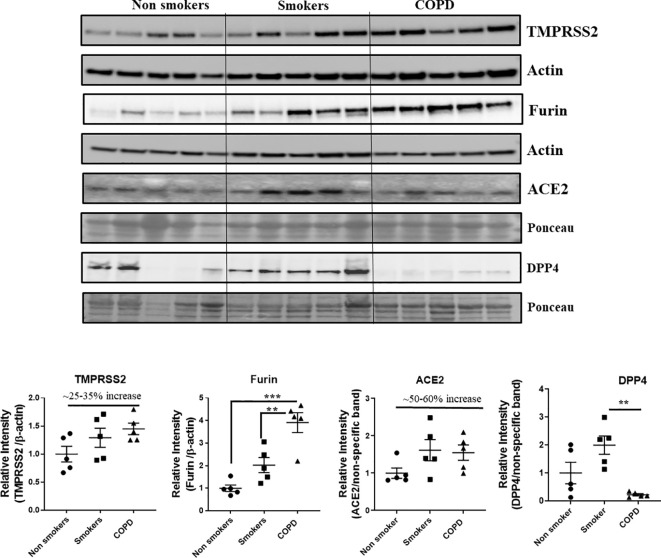
Several genes were differentially expressed in younger and older smokers, and patients with COPD and IPF compared to non-smokers which were part of the mitochondrial biogenesis/function (, , , , ), cellular senescence (, , , , , , ), and telomere replication/maintenance (, , , , , , ) target genes. Interestingly, and were increased in the young IPF as compared to the young COPD patients. Genes in the mitochondrial dynamics and quality control mechanisms like and were decreased in young IPF compared to their age matched COPD subjects. ERCC1 and were higher in young COPD as compared to IPF. Aging plays an important role in various infectious diseases including the SARS-CoV-2 infection. Lung immunoblot analysis of smokers, COPD and IPF subjects revealed increased abundance of proteases and receptor/spike protein like TMPRSS2, furin, and DPP4 in association with a slight increase in severe acute respiratory syndrome coronavirus 2 (SARS-CoV-2) receptor ACE2 levels.
Overall, these findings suggest that altered transcription of target genes that regulate mitochondrial function, cellular senescence, and telomere attrition in the pathobiology of lung aging in COPD and IPF is associated with alterations in SARS-CoV-2 ACE2-TMPRSS2-Furin-DPP4 axis as pharmacological targets for COVID-19.
衰老为慢性阻塞性肺疾病(COPD)及其他慢性炎症性肺疾病的关键促成因素之一。在此,我们确定衰老如何导致与线粒体功能、细胞衰老及端粒长度过程相关的基因表达改变,这些过程在COPD和特发性肺纤维化(IPF)进展中发挥重要作用。
使用基于年龄(年轻:<55岁,年长:>55岁)的Nanostring平台对非吸烟者、吸烟者、COPD患者及IPF患者的人肺组织总RNA进行处理和分析。
与非吸烟者相比,年轻和年长吸烟者、COPD患者及IPF患者中有几个基因差异表达,这些基因属于线粒体生物发生/功能( 、 、 、 、 )、细胞衰老( 、 、 、 、 、 )及端粒复制/维持( 、 、 、 、 、 )靶基因。有趣的是,与年轻COPD患者相比,年轻IPF患者中 和 增加。与年龄匹配的COPD受试者相比,年轻IPF患者中线粒体动力学和质量控制机制相关基因如 和 减少。与IPF相比,年轻COPD患者中ERCC1和 更高。衰老在包括SARS-CoV-2感染在内的各种传染病中起重要作用。对吸烟者、COPD和IPF受试者的肺免疫印迹分析显示,蛋白酶和受体/刺突蛋白如TMPRSS2、弗林蛋白酶和DPP4丰度增加,同时严重急性呼吸综合征冠状病毒2(SARS-CoV-2)受体ACE2水平略有增加。
总体而言,这些发现表明,在COPD和IPF的肺衰老病理生物学中,调节线粒体功能、细胞衰老和端粒损耗的靶基因转录改变与SARS-CoV-2 ACE2-TMPRSS2-弗林蛋白酶-DPP4轴的改变相关,可作为COVID-19的药理学靶点。