Chung Ping-Chen, Hsieh Po-Chun, Lan Chou-Chin, Hsu Po-Chih, Sung Min-Yi, Lin Ya-Hsuan, Tzeng I-Shiang, Chiu Valeria, Cheng Ching-Feng, Kuo Chan-Yen
Department of Anesthesia, Chang Bing Show Chwan Memorial Hospital, Changhua, Taiwan.
Department of Chinese Medicine, Taipei Tzu Chi Hospital, Buddhist Tzu Chi Medical Foundation, New Taipei City, Taiwan.
Evid Based Complement Alternat Med. 2020 Sep 15;2020:8373715. doi: 10.1155/2020/8373715. eCollection 2020.
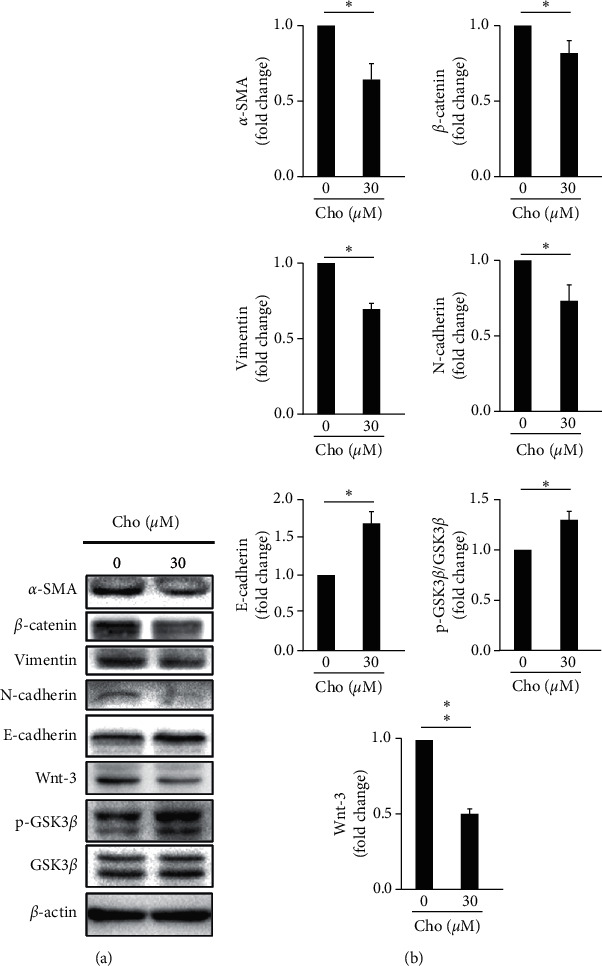
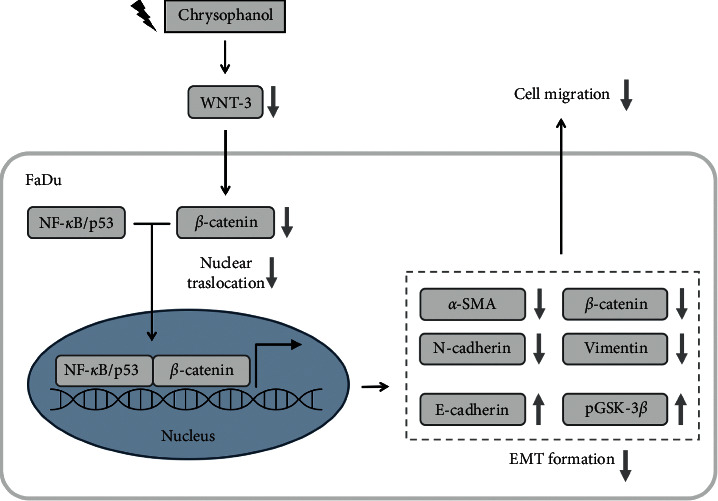
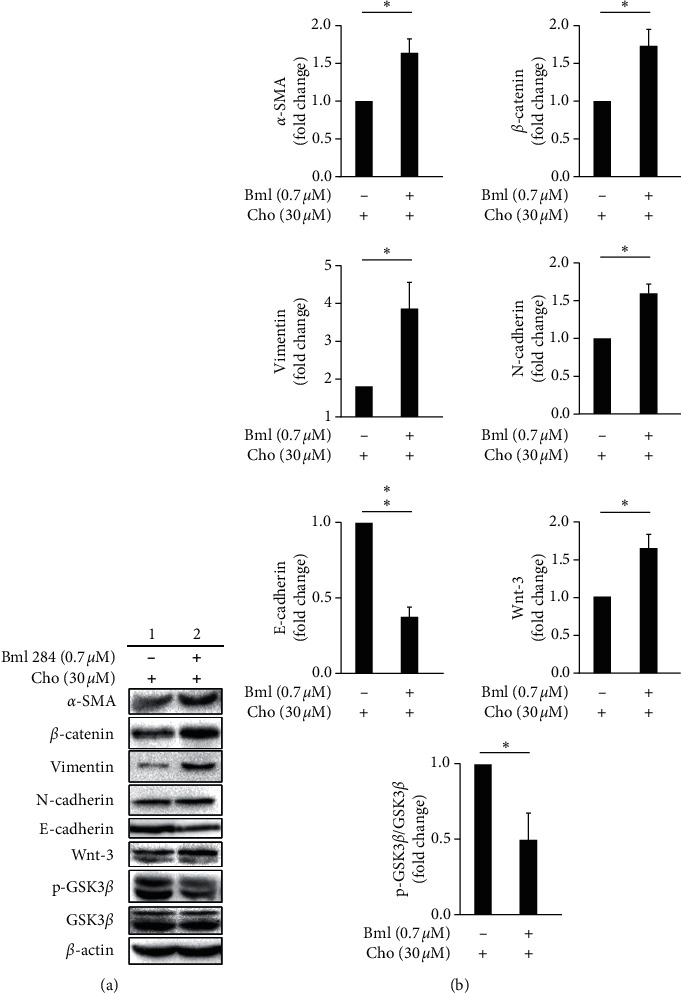
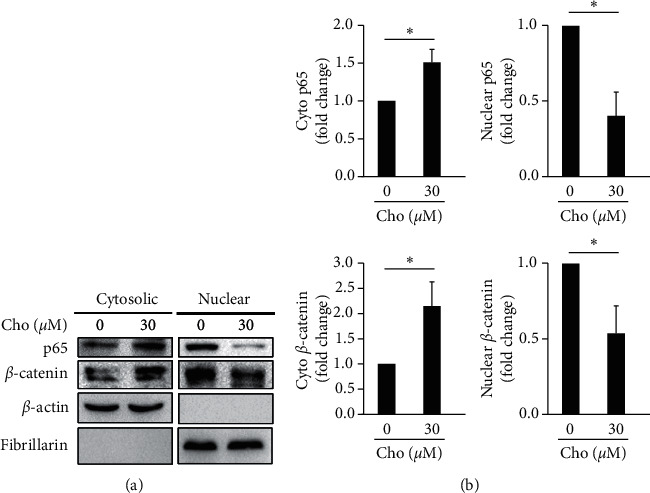
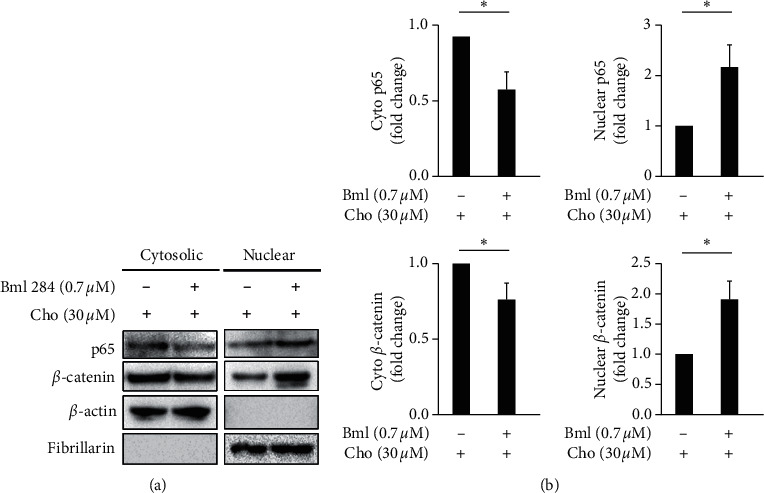
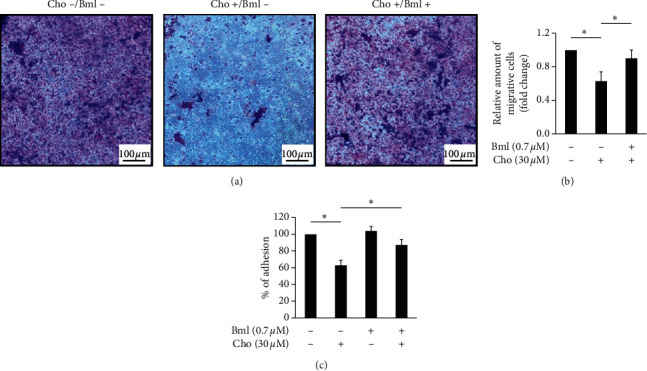
Oral cancer belongs to the group of head and neck cancers. If not diagnosed or treated early, it can be life threatening. Epithelial-mesenchymal transition (EMT) plays an important role in tumor formation and progression. An increase in the presence of the EMT phenotype causes tumor cell proliferation, migration, invasion, and poor prognosis. Therefore, attenuating carcinogenesis via EMT inhibition is a good strategy. Herein, we will determine the pharmacological effects of chrysophanol on the EMT in FaDu cells. To analyze EMT, we detected the expression EMT markers, including -SMA, -catenin, vimentin, N-cadherin, E-cadherin, phospho-GSK-3, and nuclear translocations of p65 and -catenin by western blotting. Additionally, accumulating evidence indicates that reactive oxygen species (ROS) mediate EMT. Our results showed that the level of ROS was significantly increased after chrysophanol treatment. We further speculated that chrysophanol-mediated EMT and metastasis are involved in the Wnt-3-dependent signaling pathway. The inhibition of the EMT phenotype and metastasis and accumulation of ROS caused by chrysophanol was reversed by treatment with the Wnt-3 agonist Bml 284. Therefore, our findings indicated that chrysophanol altered EMT formation, ROS accumulation, and metastasis via the Wnt-3-dependent signaling pathway.
口腔癌属于头颈癌范畴。若不及早诊断或治疗,可能会危及生命。上皮-间质转化(EMT)在肿瘤形成和进展过程中发挥着重要作用。EMT表型的增加会导致肿瘤细胞增殖、迁移、侵袭以及预后不良。因此,通过抑制EMT来减弱致癌作用是一种良好的策略。在此,我们将确定大黄酚对FaDu细胞中EMT的药理作用。为分析EMT,我们通过蛋白质印迹法检测了EMT标志物的表达,包括α-SMA、β-连环蛋白、波形蛋白、N-钙黏蛋白、E-钙黏蛋白、磷酸化糖原合成酶激酶-3以及p65和β-连环蛋白的核转位。此外,越来越多的证据表明活性氧(ROS)介导EMT。我们的结果显示,大黄酚处理后ROS水平显著升高。我们进一步推测,大黄酚介导的EMT和转移与Wnt-3依赖性信号通路有关。用Wnt-3激动剂Bml 284处理可逆转大黄酚引起的EMT表型抑制、转移以及ROS的积累。因此,我们的研究结果表明,大黄酚通过Wnt-3依赖性信号通路改变了EMT的形成、ROS的积累和转移。