Ściskalska Milena, Ołdakowska Monika, Marek Grzegorz, Milnerowicz Halina
Department of Biomedical and Environmental Analyses, Faculty of Pharmacy, Wroclaw Medical University, 50-556 Wroclaw, Poland.
Second Department of General and Oncological Surgery, Faculty of Medicine, Wroclaw Medical University, 50-556 Wroclaw, Poland.
Antioxidants (Basel). 2020 Oct 1;9(10):948. doi: 10.3390/antiox9100948.
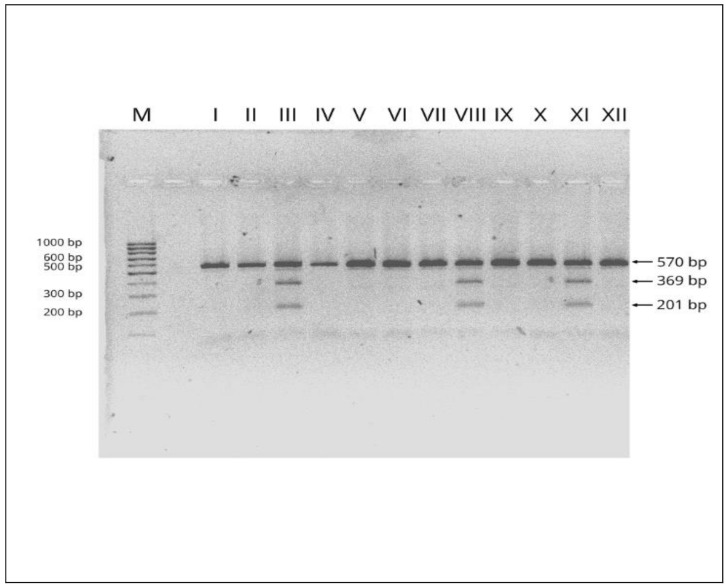
This study was aimed at evaluating the changes in the concentration and activity of all superoxide dismutase isoenzymes (SOD1, SOD2, SOD3) in the blood of patients with acute pancreatitis (AP) and healthy subjects, taking into account the extracellular (plasma) and intracellular (erythrocyte lysate) compartment. The relationships between the activity/concentration of SODs, metal concentration and the markers of inflammation were evaluated. To assess the pro/antioxidative imbalance, the malonyldialdehyde (MDA) concentration and the value of total antioxidant capacity (TAC) were measured. The impact of single-nucleotide polymorphism (SNP) in the SOD1 gene (rs2070424) on the activity/concentration of SOD1 as the main isoenzyme of the SOD family was also analyzed in this study. The SOD2 activity in erythrocytes was increased compared to plasma: 10-fold in the AP patient group and 5-fold in healthy subjects. The plasma of AP patients showed an increased SOD1 concentration and decreased SOD2 and SOD3 concentrations compared to healthy subjects. The Cu/Zn SOD (SOD1 + SOD3) concentration in plasma of AP patients was elevated compared to healthy subjects, but changes in plasma Cu/Zn SOD (SOD1 + SOD3) activity in the examined groups were not observed. An influence of SNP rs2070424 in the SOD1 gene on the total activity of SOD in AP patients (with AG genotype), accompanied by an increased IL-6 concentration, was observed. In oxidative stress conditions induced by inflammation, the participation of individual forms of plasma SOD isoenzymes in total antioxidative activity of SOD changed. A significant increase in the intracellular SOD1 concentration in plasma of AP patients proves the important role of this isoenzyme in the neutralization of oxidative stress induced by impaired Cu and Zn homeostasis. The presence of increased concentration of SOD2 in erythrocytes of healthy subjects and AP patients confirms the important function of this isoenzyme in the antioxidative defense.
本研究旨在评估急性胰腺炎(AP)患者和健康受试者血液中所有超氧化物歧化酶同工酶(SOD1、SOD2、SOD3)的浓度和活性变化,同时考虑细胞外(血浆)和细胞内(红细胞裂解液)部分。评估了超氧化物歧化酶的活性/浓度、金属浓度与炎症标志物之间的关系。为评估促氧化/抗氧化失衡,测定了丙二醛(MDA)浓度和总抗氧化能力(TAC)值。本研究还分析了SOD1基因(rs2070424)中的单核苷酸多态性(SNP)对作为SOD家族主要同工酶的SOD1活性/浓度的影响。与血浆相比,红细胞中的SOD2活性增加:AP患者组增加了10倍,健康受试者增加了5倍。与健康受试者相比,AP患者的血浆显示SOD1浓度升高,SOD2和SOD3浓度降低。与健康受试者相比,AP患者血浆中的铜/锌超氧化物歧化酶(SOD1 + SOD3)浓度升高,但在所检查的组中未观察到血浆铜/锌超氧化物歧化酶(SOD1 + SOD3)活性的变化。观察到SOD1基因中的SNP rs2070424对AP患者(AG基因型)的SOD总活性有影响,同时伴有IL-6浓度升高。在炎症诱导的氧化应激条件下,血浆SOD同工酶的各个形式在SOD总抗氧化活性中的参与发生了变化。AP患者血浆中细胞内SOD1浓度的显著增加证明了该同工酶在中和因铜和锌稳态受损而诱导的氧化应激中的重要作用。健康受试者和AP患者红细胞中SOD2浓度升高的存在证实了该同工酶在抗氧化防御中的重要功能。