Mallepally Abhinandan Reddy, Marathe Nandan, Sangondimath Gururaj, Das Kalidutta, Chhabra Harvinder Singh
Indian Spinal Injuries Centre, New Delhi, India.
Global Spine J. 2022 Apr;12(3):464-475. doi: 10.1177/2192568220956954. Epub 2020 Oct 6.
Prospective cohort study.
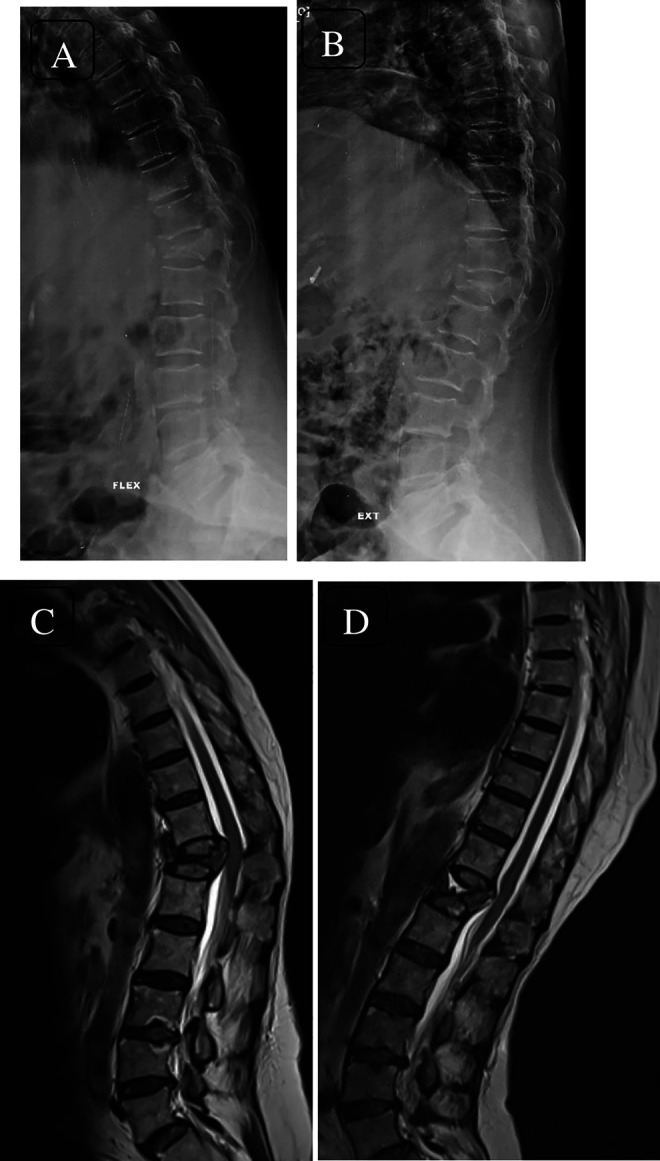
Management of osteoporotic vertebral compression fracture (OVCF) remains an unsolved problem for a spine surgeon. We hypothesize that instability at the fracture site rather than neural compression is the main factor leading to a neurological deficit in patients with OVCF.
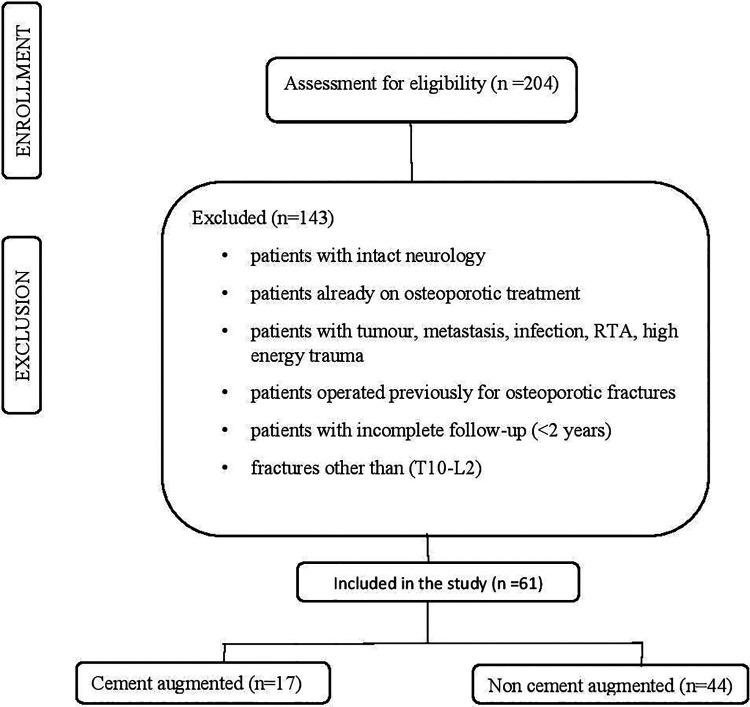
In this study, the prospective data of patients with osteoporotic fractures with incomplete neurological deficits from January 2015 to December 2017 was analyzed in those who underwent posterior instrumented fusion without neural decompression.
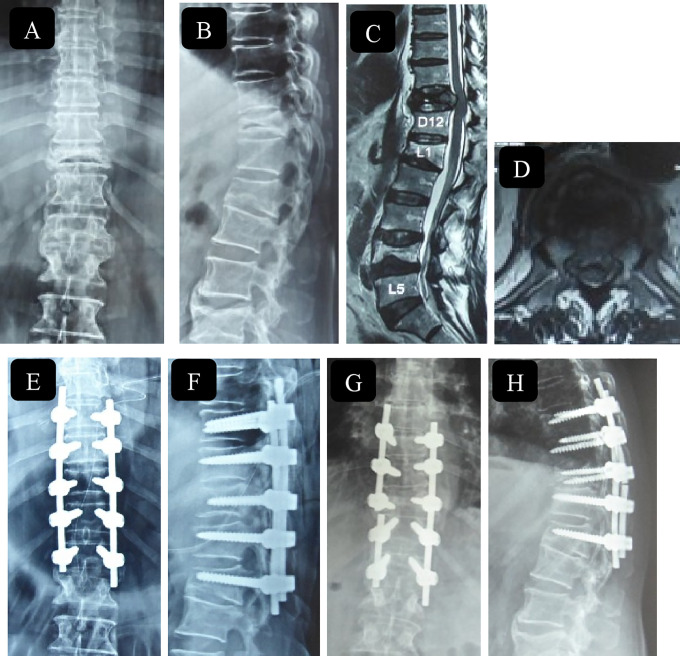
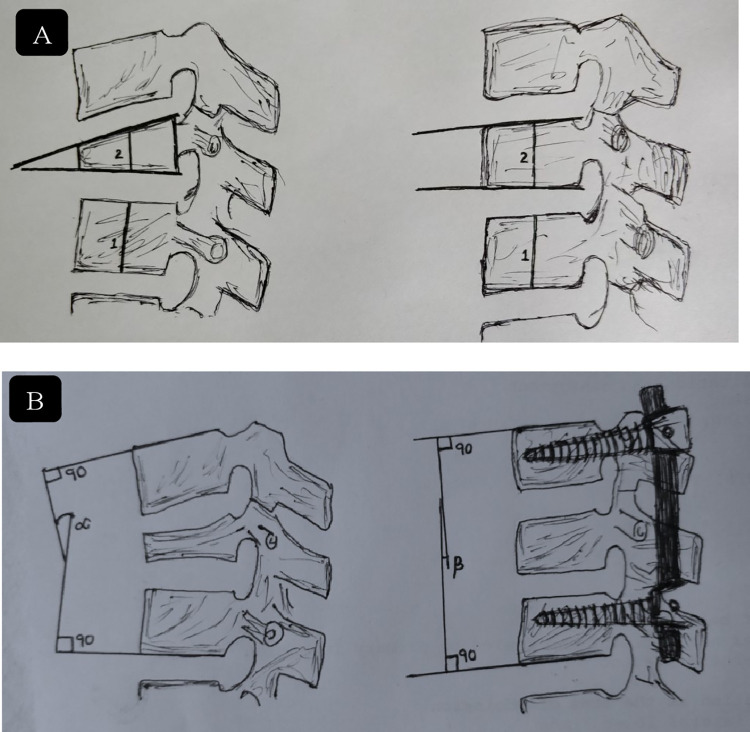
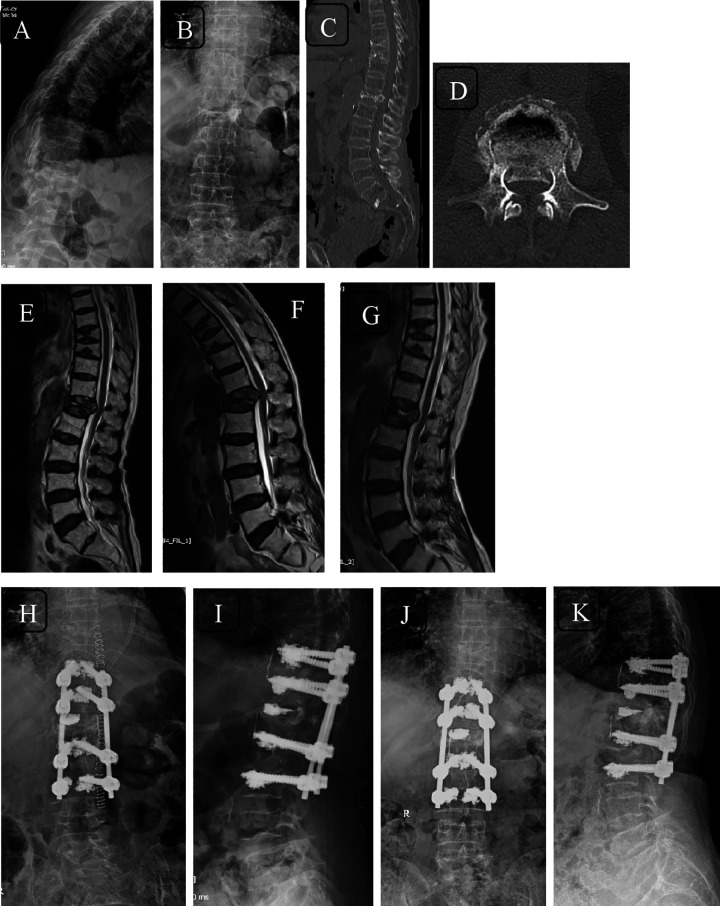
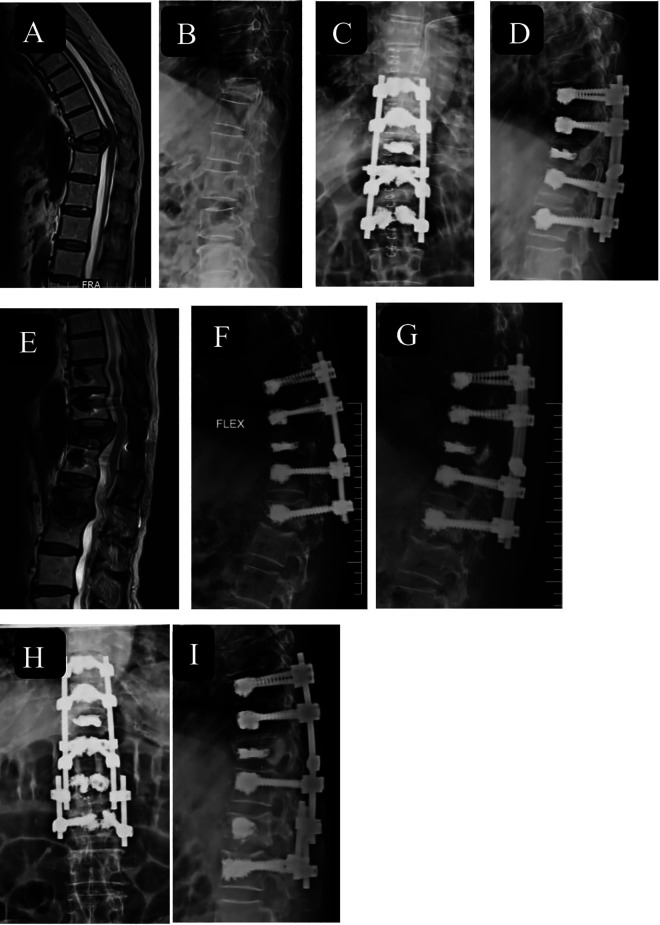
A total of 61 patients received posterior indirect decompression via ligamentotaxis and stabilization only. Of these 17 patients had polymethylmethacrylate (PMMA) augmented screws and in 44 patients no PMMA augmentation was done. The mean preoperative kyphosis was 27.12° ± 9.63°, there was an improvement of 13.5° ± 6.87° in the immediate postoperative period and at the final follow-up, kyphosis was 13.7° ± 7.29° with a loss of correction by 2.85° ± 3.7°. The height restoration at the final follow-up was 45.4% ± 18.29%. In all patients, back pain was relieved, and neurological improvement was obtained by at least 1 American Spinal Injury Association Impairment Scale in all except 3 patients.
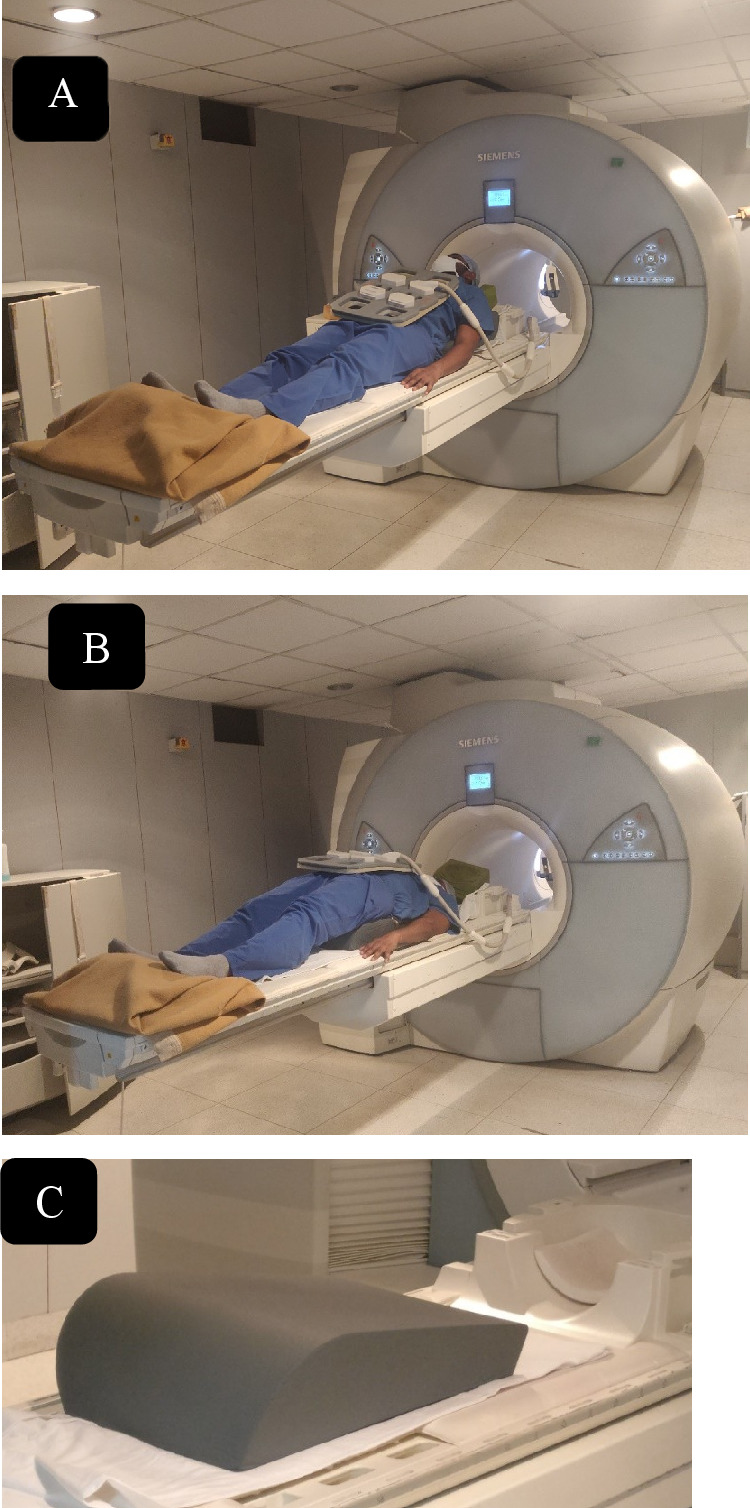
We propose that neural decompression of the spinal cord is not always necessary for the treatment of neurological impairment in patients with osteoporotic vertebral collapse with dynamic mobility. Dynamic magnetic resonance imaging is a valuable tool to make an accurate diagnosis and determine precise surgical plan and improving the surgical strategy of OVCF.
前瞻性队列研究。
对于脊柱外科医生而言,骨质疏松性椎体压缩骨折(OVCF)的治疗仍是一个未解决的问题。我们假设骨折部位的不稳定而非神经受压是导致OVCF患者神经功能缺损的主要因素。
在本研究中,分析了2015年1月至2017年12月期间接受后路器械融合且未进行神经减压的不完全性神经功能缺损的骨质疏松性骨折患者的前瞻性数据。
共有61例患者仅通过韧带整复进行了后路间接减压和固定。其中17例患者使用了聚甲基丙烯酸甲酯(PMMA)增强螺钉,44例患者未进行PMMA增强。术前平均后凸角为27.12°±9.63°,术后即刻改善了13.5°±6.87°,末次随访时后凸角为13.7°±7.29°,矫正丢失2.85°±3.7°。末次随访时椎体高度恢复率为45.4%±18.29%。所有患者的背痛均得到缓解,除3例患者外,所有患者的神经功能至少改善了1个美国脊髓损伤协会损伤分级。
我们提出,对于具有动态活动度的骨质疏松性椎体塌陷患者的神经功能损害治疗,脊髓减压并非总是必要的。动态磁共振成像(MRI)是进行准确诊断、确定精确手术方案以及改进OVCF手术策略的有价值工具。