Xenoulis Panagiotis G, Cammarata Paul J, Walzem Rosemary L, Suchodolski Jan S, Steiner Jörg M
Gastrointestinal Laboratory, Department of Small Animal Clinical Sciences, College of Veterinary Medicine and Biomedical Sciences, Texas A&M University, College Station, Texas, USA.
Laboratory for Cardiovascular Chemistry, Department of Chemistry, Texas A&M University, College Station, Texas, USA.
J Vet Intern Med. 2020 Nov;34(6):2605-2616. doi: 10.1111/jvim.15880. Epub 2020 Oct 6.
Hypertriglyceridemia is common in Miniature Schnauzer (MS). Dietary management of hypertriglyceridemia is important, but no studies are available.
HYPOTHESIS/OBJECTIVES: To evaluate the effect of a commercially available low-fat diet on serum triglyceride and cholesterol concentrations and lipoprotein profiles in MS with hypertriglyceridemia.
Sixteen MS with hypertriglyceridemia and 28 MS without hypertriglyceridemia.
Prospective clinical trial. Four blood samples (1-2 months before and 1 day before diet change and 2 and 3 months after the dogs were fed the low-fat diet) were collected from the MS with hypertriglyceridemia.
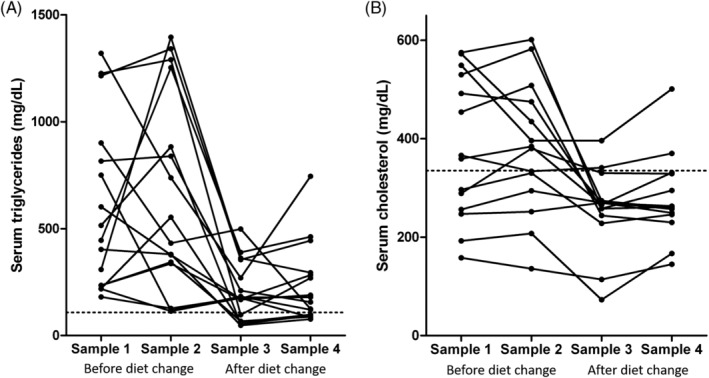
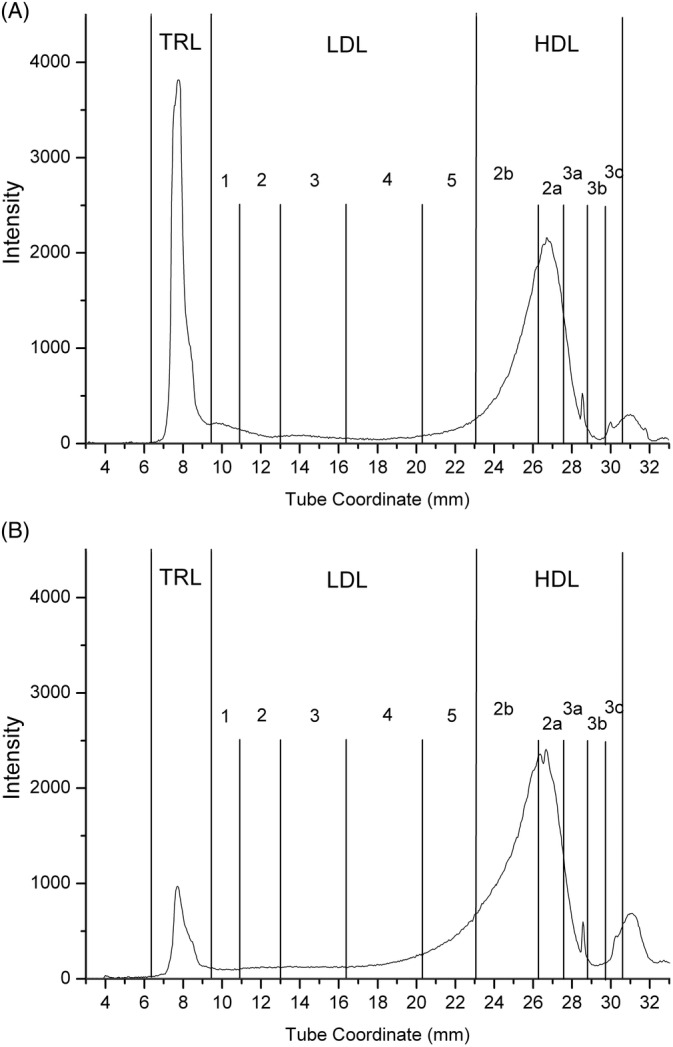
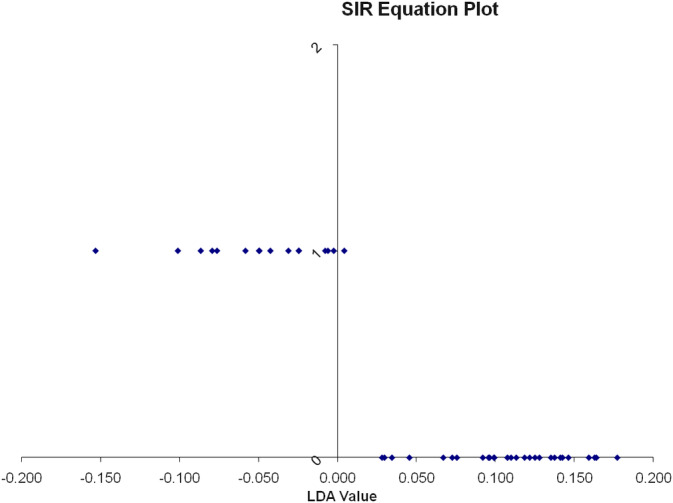
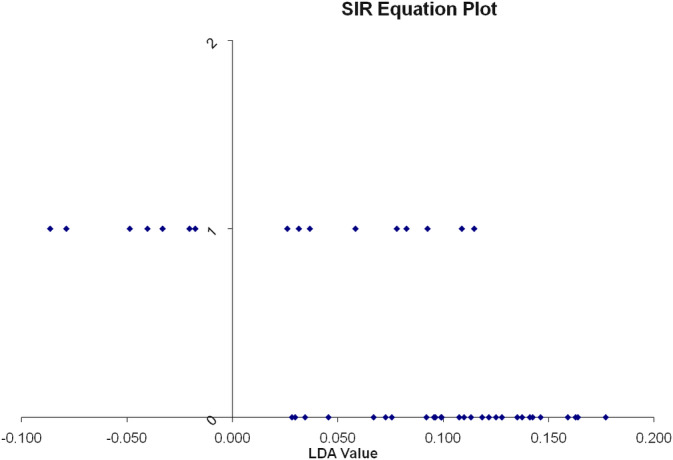
Serum triglyceride concentrations for the 2 samples after the diet change (median of sample 3 = 177 mg/dL; range, 48-498; median of sample 4 = 168 mg/dL; range, 77-745) were significantly lower than the 2 samples before the diet change (median of sample 1 = 480 mg/dL; range, 181-1320; median of sample 2 = 493 mg/dL; range, 114-1395; P < .001). Serum cholesterol concentrations for the 2 samples after the diet change (mean for sample 3 = 257 mg/dL, SD = 82.2; mean for sample 4 = 178 mg/dL, SD = 87.4) were also significantly lower than the 2 samples before the diet change (mean for sample 1 = 381 mg/dL, SD = 146.1; mean for sample 2 = 380 mg/dL, SD = 134.7; P < .001). Before the diet change, 15/16 (94%) of hyperlipidemic MS were classified as hyperlipidemic based on their lipoprotein profiles alone. After the diet change, significantly fewer MS (7/16; 44%; odds ratio = 19.3; 95% CI = 2.0-184.0; P = .006) were classified as hyperlipidemic based on lipoprotein profile analysis.
The study diet was effective in reducing serum triglyceride and cholesterol concentrations and correcting lipoprotein profiles in MS with hypertriglyceridemia.
高甘油三酯血症在迷你雪纳瑞犬(MS)中很常见。高甘油三酯血症的饮食管理很重要,但尚无相关研究。
假设/目的:评估一种市售低脂饮食对患有高甘油三酯血症的MS犬血清甘油三酯和胆固醇浓度以及脂蛋白谱的影响。
16只患有高甘油三酯血症的MS犬和28只未患高甘油三酯血症的MS犬。
前瞻性临床试验。从患有高甘油三酯血症的MS犬采集4份血样(饮食改变前1 - 2个月、饮食改变前1天以及喂食低脂饮食后2个月和3个月)。
饮食改变后两份样本的血清甘油三酯浓度(样本3中位数 = 177mg/dL;范围48 - 498;样本4中位数 = 168mg/dL;范围77 - 745)显著低于饮食改变前两份样本(样本1中位数 = 480mg/dL;范围181 - 1320;样本2中位数 = 493mg/dL;范围114 - 1395;P <.001)。饮食改变后两份样本的血清胆固醇浓度(样本3均值 = 257mg/dL,标准差 = 82.2;样本4均值 = 178mg/dL,标准差 = 87.4)也显著低于饮食改变前两份样本(样本1均值 = 381mg/dL,标准差 = 146.1;样本2均值 = 380mg/dL,标准差 = 134.7;P <.001)。饮食改变前,16只高脂血症MS犬中有15只(94%)仅根据其脂蛋白谱被归类为高脂血症。饮食改变后,根据脂蛋白谱分析,被归类为高脂血症的MS犬显著减少(7/16;44%;优势比 = 19.3;95%可信区间 = 2.0 - 184.0;P =.006)。
该研究饮食可有效降低患有高甘油三酯血症的MS犬的血清甘油三酯和胆固醇浓度,并纠正其脂蛋白谱。