Alix Maud, Gasset Eric, Bardon-Albaret Agnes, Noel Jean, Pirot Nelly, Perez Valérie, Coves Denis, Saulnier Denis, Lignot Jehan-Hervé, Cucchi Patricia N
MARBEC, Univ Montpellier, CNRS, Ifremer, IRD, Montpellier, France.
Institute of Marine Research, Bergen, Norway.
PeerJ. 2020 Sep 24;8:e9966. doi: 10.7717/peerj.9966. eCollection 2020.
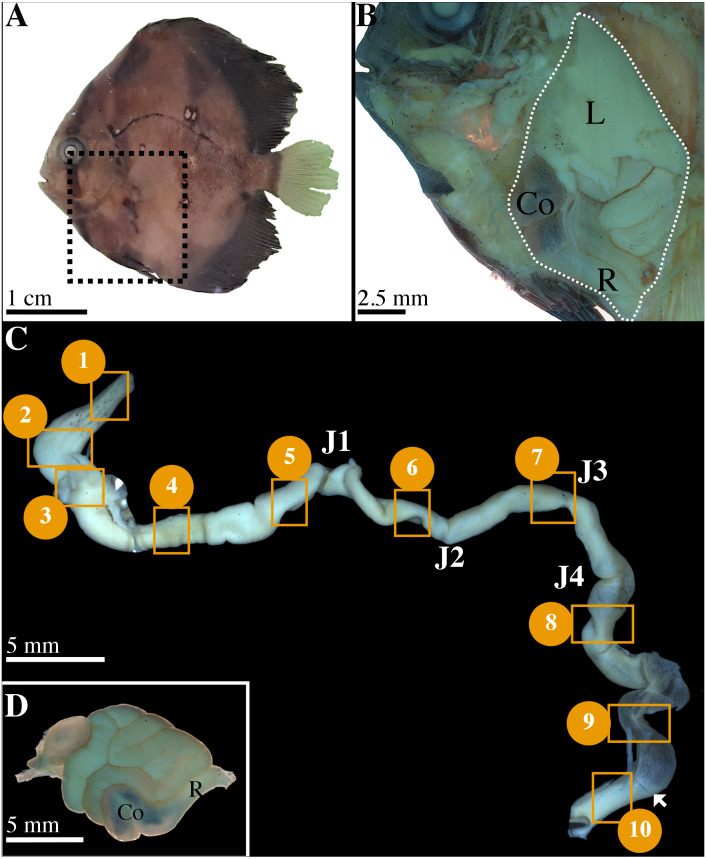
Ephippidae fish are characterized by a discoid shape with a very small visceral cavity. Among them has a high economic potential due to its flesh quality and flesh to carcass ratio. Nonetheless, the development of its aquaculture is limited by high mortality rates, especially due to infection, occurring one to three weeks after the transfer of fishes from bio-secure land-based aquaculture system to the lagoon cages for growth. Among the lines of defense against this microbial infection, the gastrointestinal tract (GIT) is less studied. The knowledge about the morphofunctional anatomy of this organ in is still scarce. Therefore, the aims of this study are to characterize the GIT in non-infected juveniles to then investigate the impact of on this multifunctional organ.
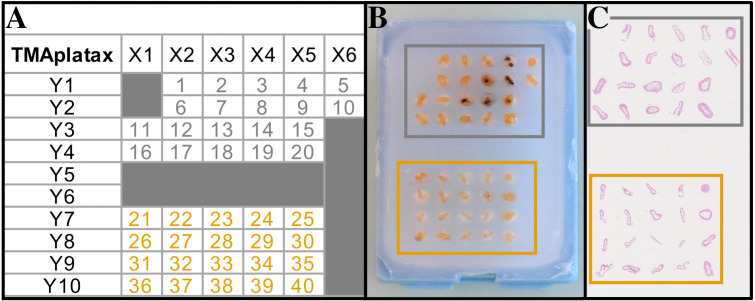
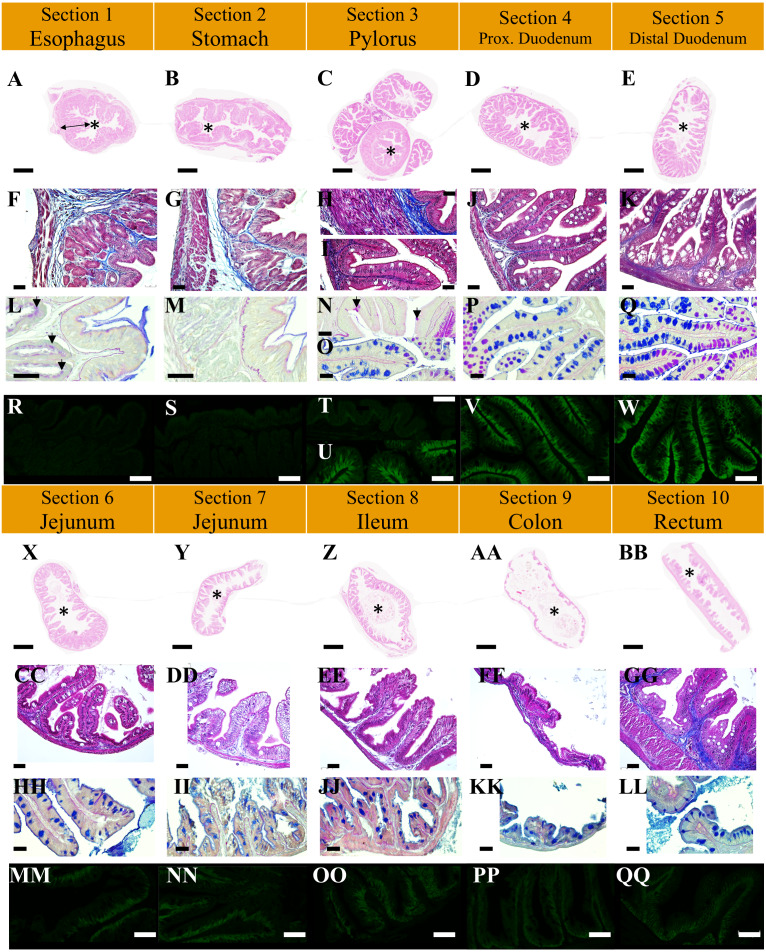
In the first place, the morpho-anatomy of the GIT in non-infected individuals was characterized using various histological techniques. Then, infected individuals, experimentally challenged by were analysed and compared to the previously established GIT reference.
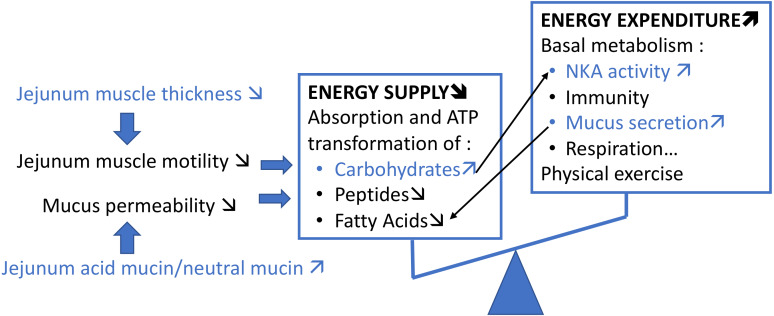
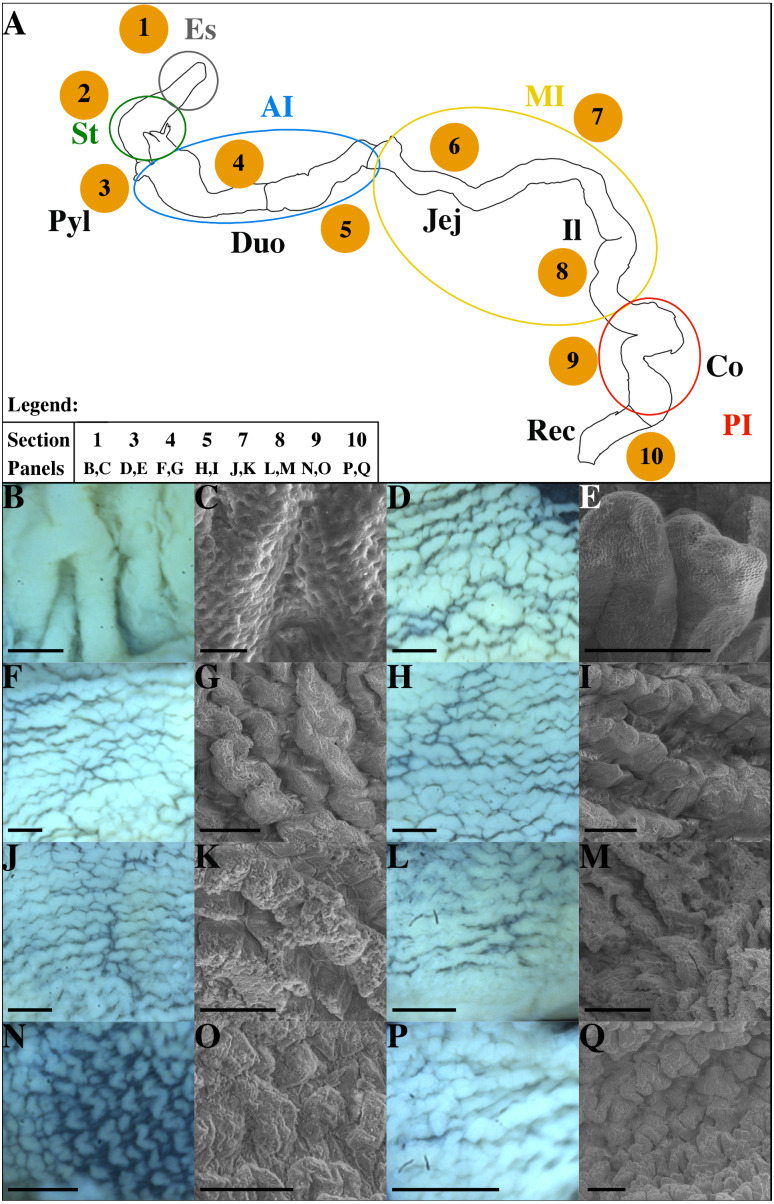
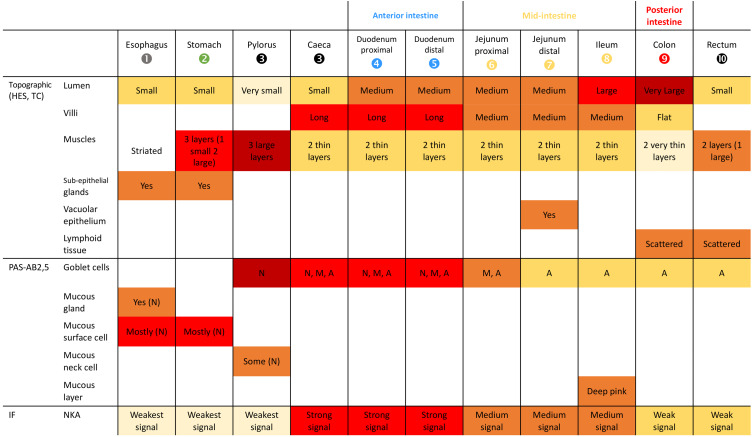
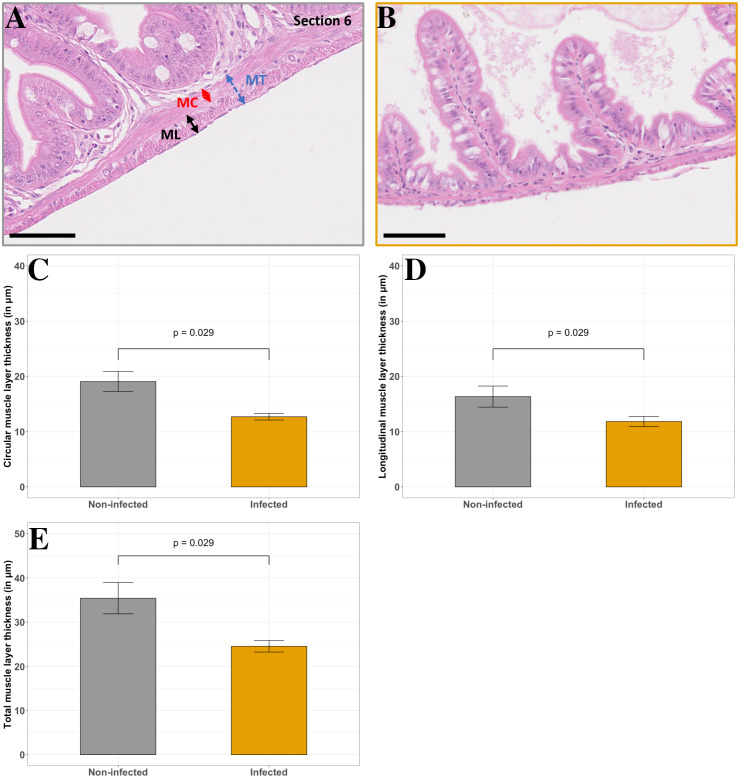
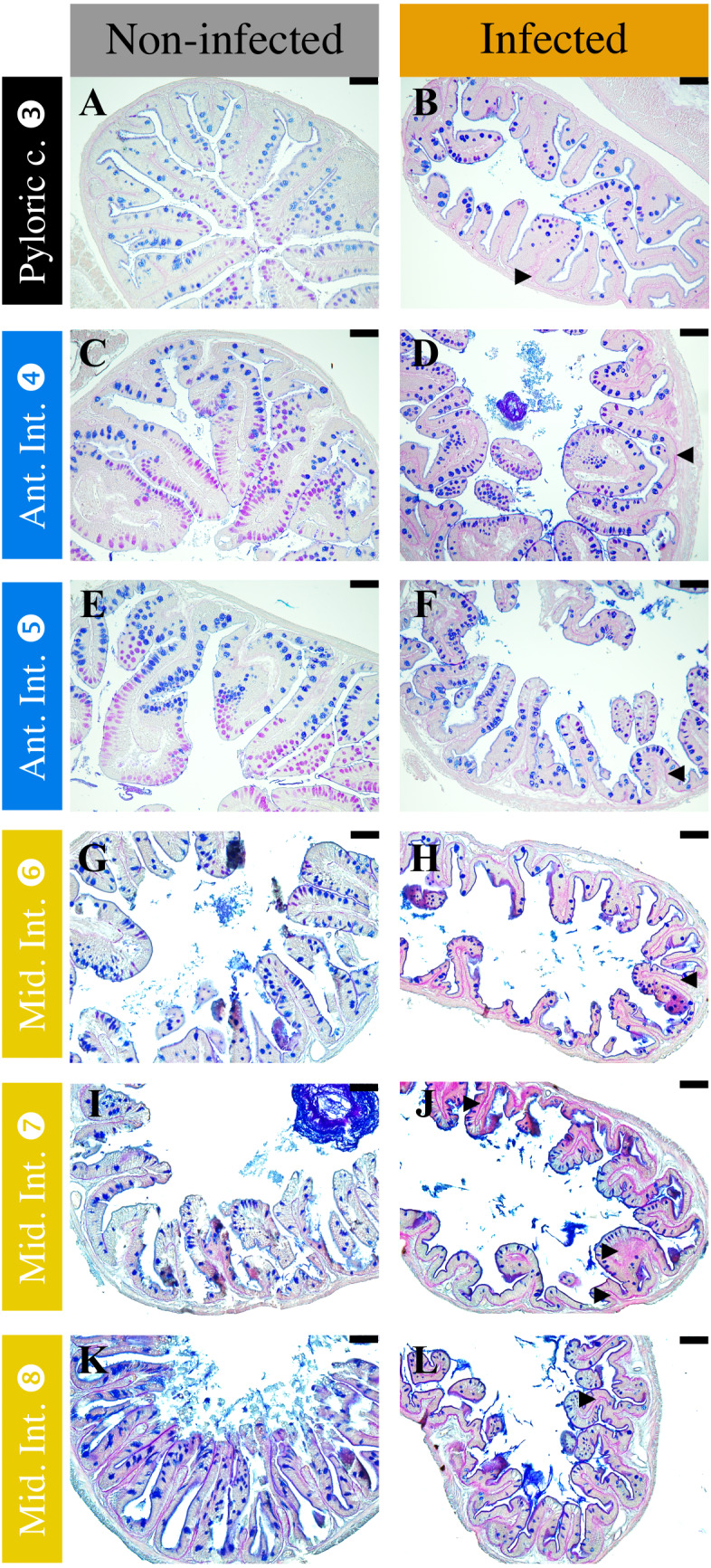
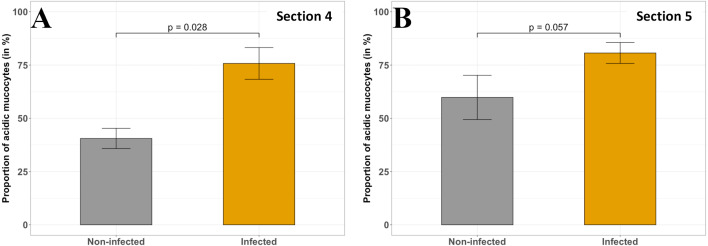
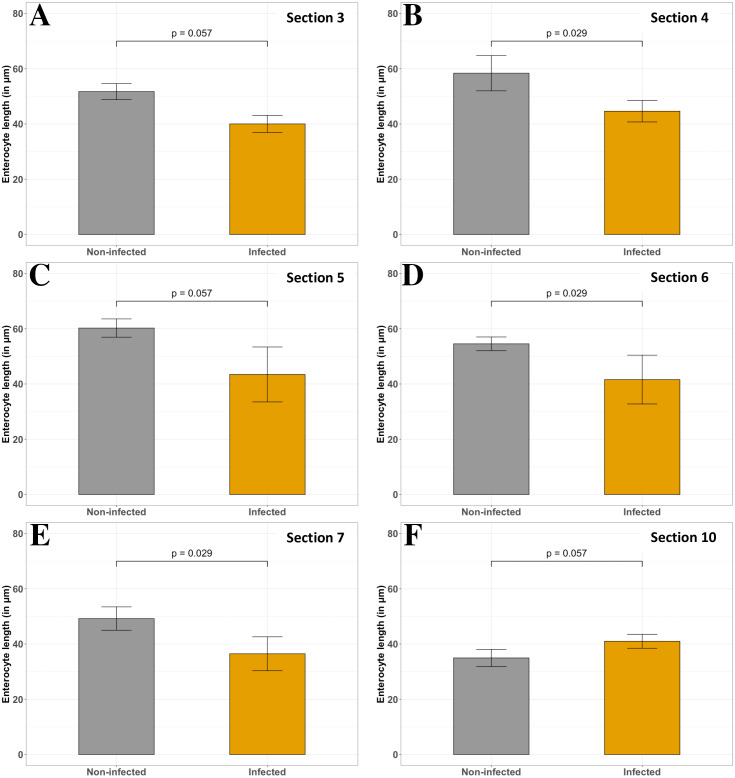
The overlapped shape of the GIT of is probably due to its constrained compaction in a narrow visceral cavity. Firstly, the GIT was divided into 10 sections, from the esophagus to the rectum. For each section, the structure of the walls was characterized, with a focus on mucus secretions and the presence of the Na/K ATPase pump. An identification key allowing the characterization of the GIT sections using histology is given. Secondly, individuals challenged with exhibited differences in mucus type and proportion and, modifications in the mucosal and muscle layers. These changes could induce an imbalance in the trade-off between the GIT functions which may be in favour of protection and immunity to the disadvantage of nutrition capacities.
鲳鲹科鱼类的特点是呈盘状,内脏腔非常小。其中,由于其肉质和肉与胴体的比例,具有很高的经济潜力。尽管如此,其水产养殖的发展受到高死亡率的限制,特别是由于在鱼类从生物安全的陆基水产养殖系统转移到泻湖网箱进行生长后的一至三周内发生感染。在抵御这种微生物感染的防线中,胃肠道(GIT)的研究较少。关于该器官在鲳鲹科鱼类中的形态功能解剖学的知识仍然匮乏。因此,本研究的目的是对未感染的鲳鲹科幼鱼的胃肠道进行特征描述,然后研究感染对这个多功能器官的影响。
首先,使用各种组织学技术对未感染个体的胃肠道形态解剖学进行特征描述。然后,对经实验感染的个体进行分析,并与先前建立的胃肠道参考标准进行比较。
鲳鲹科鱼类胃肠道的重叠形状可能是由于其在狭窄的内脏腔中受到限制的压实。首先,胃肠道从食管到直肠分为10个部分。对于每个部分,对壁的结构进行了特征描述,重点是粘液分泌和钠/钾ATP酶泵的存在。给出了一个使用组织学对胃肠道各部分进行特征描述的识别关键。其次,经感染的个体在粘液类型和比例上表现出差异,并且粘膜层和肌肉层发生了改变。这些变化可能会导致胃肠道功能之间的权衡失衡,这可能有利于保护和免疫,但不利于营养能力。