Vermani Sanya, Kaushal Aditya, Kaushal Jessica
All India Institute of Medical Sciences, Virbhadra Road, Rishikesh, India.
Post Graduate Institute of Medical Education and Research, Sector-12, Chandigarh, India.
SN Compr Clin Med. 2020;2(11):1998-2004. doi: 10.1007/s42399-020-00554-z. Epub 2020 Oct 2.
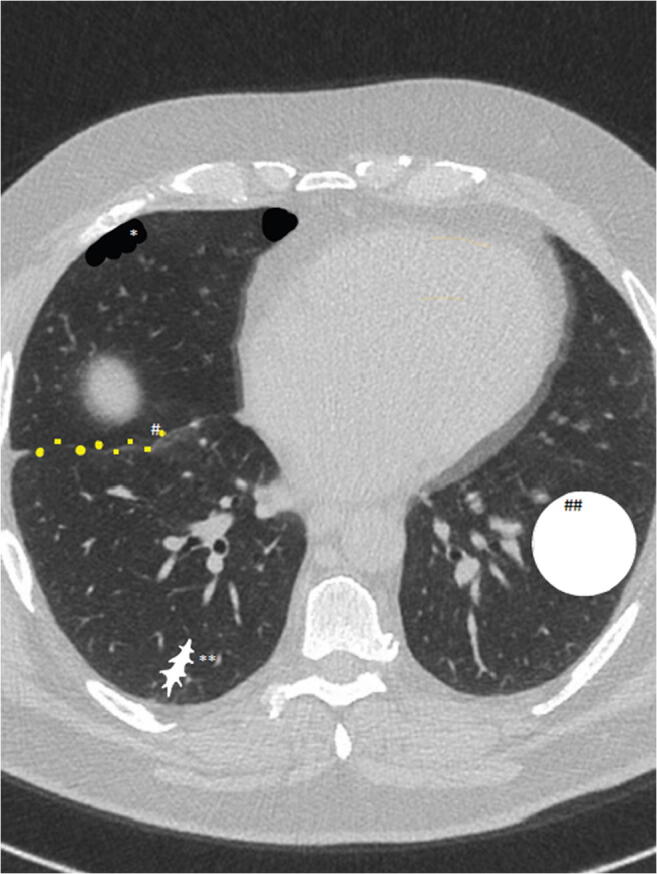
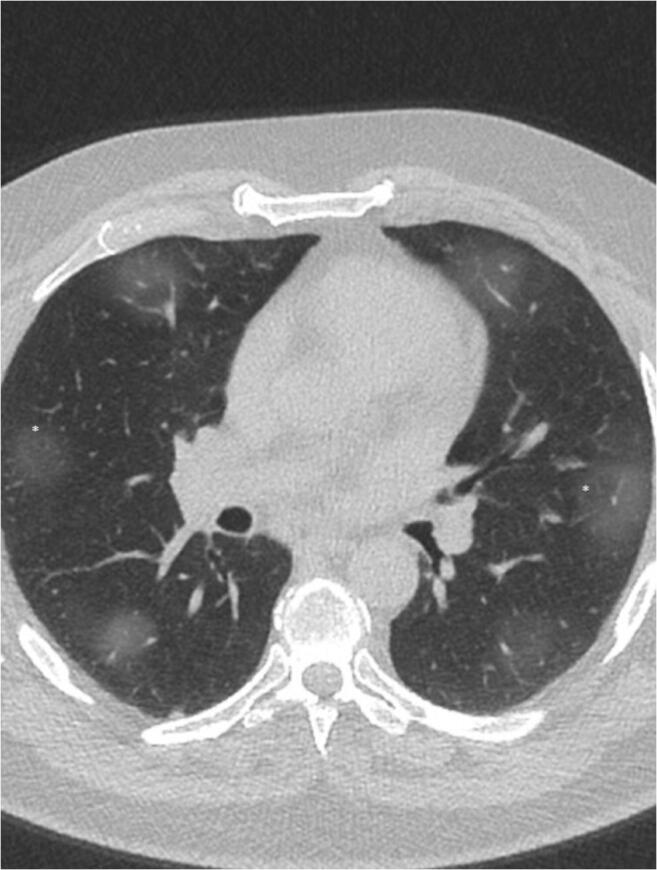
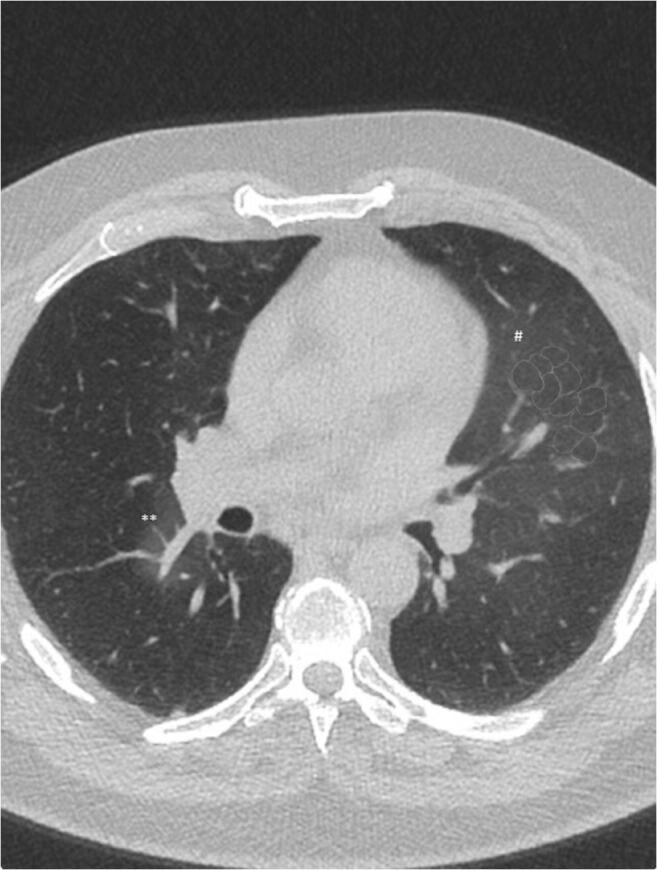
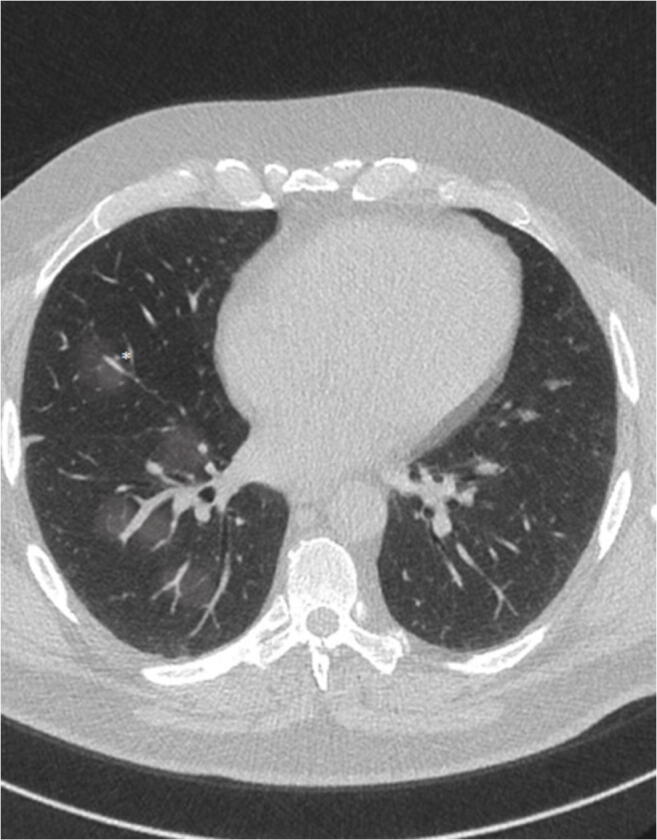
COVID-19 is a global healthcare pandemic that is now growing through nations across the world. The role of radiology is crucial, and a variety of guidelines have been published regarding the role of imaging. These aim to protect healthcare workers (HCWs) and the general public from exposure, while preserving critical radiology operations and conserving personal protective equipment (PPE) and other critical care resources during the COVID-19 pandemic. Fleischner Society published guidelines on indications of imaging various settings. These guidelines take into account resource availability, pre-test probability, degree of symptoms and risk factors, which is crucial for decision-making regarding need and indications of imaging. Mitigating steps and alternative approaches should be considered to provide the best care for patients while protecting all HCWs. Owing to overlap of COVID-19 imaging findings with other pathologies, standardized reporting acquires importance for risk assessment and effective communication of suspicious findings. RSNA followed by Dutch Radiological Society (NVvR) have published guidelines on standardized CT reporting for COVID-19, which show excellent inter-observer variability. Standardized reporting can provide guidance and confidence to radiologists as well as increased clarity to physicians through reduced reporting variability. The article discusses the published recommendations and aims to make radiologists aware of the protocols and guidelines that need to be followed in this ongoing public health crisis for effective patient care while protecting HCWs and conserving resources.
新型冠状病毒肺炎(COVID-19)是一场全球医疗大流行,目前正在世界各国蔓延。放射学的作用至关重要,关于成像作用已发布了各种指南。这些指南旨在保护医护人员(HCWs)和普通公众免受感染,同时在COVID-19大流行期间维持关键的放射学操作,并节约个人防护装备(PPE)和其他重症监护资源。弗莱施纳学会发布了关于各种情况下成像指征的指南。这些指南考虑了资源可用性、检测前概率、症状程度和风险因素,这对于决定是否需要成像及其指征至关重要。应考虑采取缓解措施和替代方法,以便在保护所有医护人员的同时为患者提供最佳护理。由于COVID-19成像结果与其他病理情况存在重叠,标准化报告对于风险评估和可疑结果的有效沟通变得至关重要。美国放射学会(RSNA)随后荷兰放射学会(NVvR)发布了关于COVID-19的标准化CT报告指南,这些指南显示出极好的观察者间变异性。标准化报告可为放射科医生提供指导并增强信心,同时通过减少报告变异性,提高医生之间沟通的清晰度。本文讨论已发布的建议,旨在让放射科医生了解在这场持续的公共卫生危机中,为有效护理患者、保护医护人员和节约资源而需要遵循的方案和指南。