Simpson Scott, Kay Fernando U, Abbara Suhny, Bhalla Sanjeev, Chung Jonathan H, Chung Michael, Henry Travis S, Kanne Jeffrey P, Kligerman Seth, Ko Jane P, Litt Harold
Department of Radiology, Perelman School of Medicine of the University of Pennsylvania, 3400 Spruce St, Philadelphia, PA 19104 (S.S., H.L.); Department of Radiology, University of Texas Southwestern Medical Center, Dallas, Tex (F.U.K., S.A.); Mallinckrodt Institute of Radiology, Washington University School of Medicine, St Louis, Mo (S.B.); Department of Radiology, University of Chicago Medicine, Chicago, Ill (J.H.C.); Department of Diagnostic, Molecular and Interventional Radiology, Icahn School of Medicine at Mount Sinai, New York, NY (M.C.); Department of Radiology and Biomedical Imaging, University of California San Francisco, San Francisco, Calif (T.S.H.); Department of Radiology, University of Wisconsin School of Medicine and Public Health, Madison, Wis (J.P.K.); Department of Radiology, University of California San Diego, San Diego, Calif (S.K.); and Department of Radiology, New York University Langone Health, New York, NY (J.P.K.).
Radiol Cardiothorac Imaging. 2020 Mar 25;2(2):e200152. doi: 10.1148/ryct.2020200152. eCollection 2020 Apr.
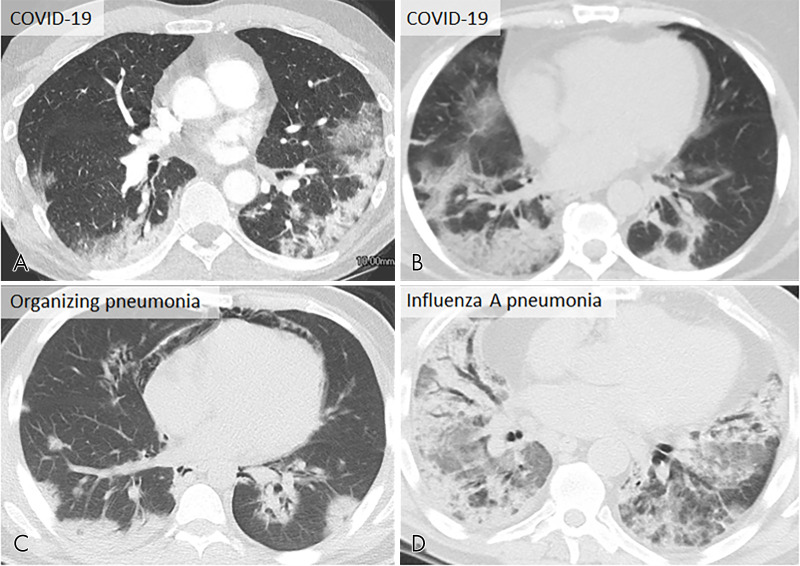
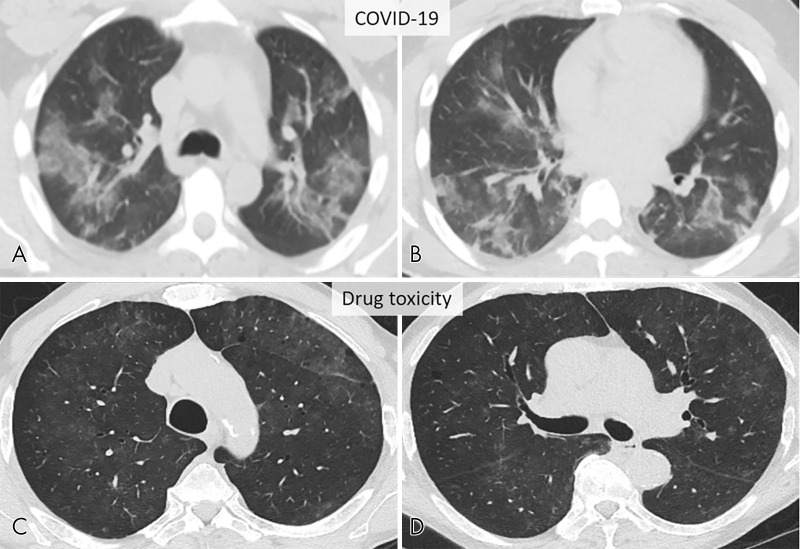
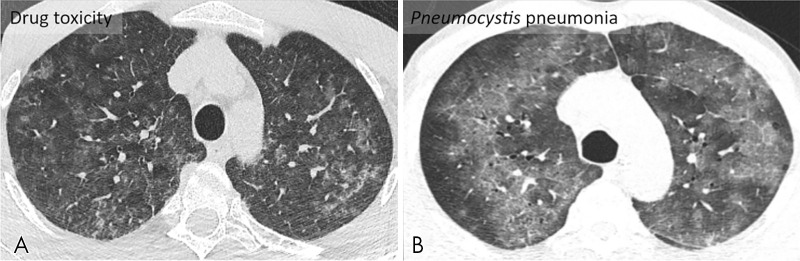
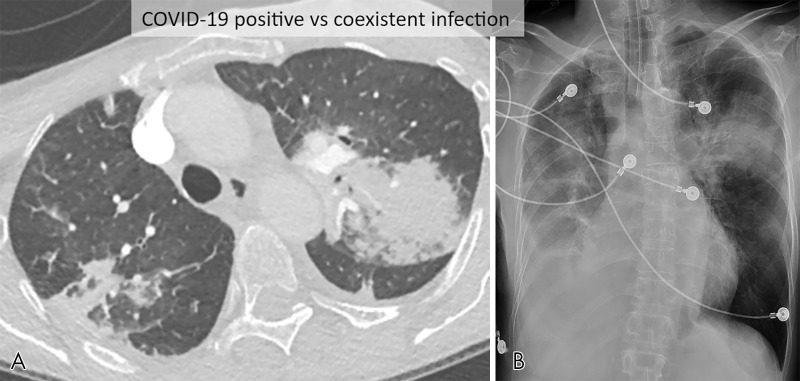
Routine screening CT for the identification of coronavirus disease 19 (COVID-19) pneumonia is currently not recommended by most radiology societies. However, the number of CT examinations performed in persons under investigation for COVID-19 has increased. We also anticipate that some patients will have incidentally detected findings that could be attributable to COVID-19 pneumonia, requiring radiologists to decide whether or not to mention COVID-19 specifically as a differential diagnostic possibility. We aim to provide guidance to radiologists in reporting CT findings potentially attributable to COVID-19 pneumonia, including standardized language to reduce reporting variability when addressing the possibility of COVID-19. When typical or indeterminate features of COVID-19 pneumonia are present in endemic areas as an incidental finding, we recommend contacting the referring providers to discuss the likelihood of viral infection. These incidental findings do not necessarily need to be reported as COVID-19 pneumonia. In this setting, using the term viral pneumonia can be a reasonable and inclusive alternative. However, if one opts to use the term COVID-19 in the incidental setting, consider the provided standardized reporting language. In addition, practice patterns may vary, and this document is meant to serve as a guide. Consultation with clinical colleagues at each institution is suggested to establish a consensus reporting approach. The goal of this expert consensus is to help radiologists recognize findings of COVID-19 pneumonia and aid their communication with other health care providers, assisting management of patients during this pandemic. Published under a CC BY 4.0 license.
目前,大多数放射学会不建议采用常规筛查CT来识别新型冠状病毒肺炎(COVID-19肺炎)。然而,接受COVID-19调查的人员所进行的CT检查数量有所增加。我们还预计,一些患者会偶然发现可能归因于COVID-19肺炎的表现,这就要求放射科医生决定是否将COVID-19明确列为鉴别诊断的可能性之一。我们旨在为放射科医生报告可能归因于COVID-19肺炎的CT表现提供指导,包括在提及COVID-19可能性时使用标准化语言,以减少报告的变异性。当在流行地区偶然发现COVID-19肺炎的典型或不确定特征时,我们建议联系转诊医生讨论病毒感染的可能性。这些偶然发现不一定需要报告为COVID-19肺炎。在这种情况下,使用“病毒性肺炎”一词可能是一个合理且包容的替代方案。然而,如果有人选择在偶然情况下使用COVID-19这个术语,请考虑所提供的标准化报告语言。此外,实践模式可能各不相同,本文档仅作为指导。建议与各机构的临床同事进行协商,以建立共识性的报告方法。本专家共识的目标是帮助放射科医生识别COVID-19肺炎的表现,并促进他们与其他医疗保健提供者的沟通,在这场大流行期间协助患者的管理。根据知识共享署名4.0许可协议发布。