Olson Olivia, Berry Corinne, Kumar Nirbhay
Department of Global Health, Milken Institute School of Public Health, The George Washington University, Washington, DC 20052, USA.
CommunicateHealth, Rockville, MD 20850, USA.
Vaccines (Basel). 2020 Oct 8;8(4):590. doi: 10.3390/vaccines8040590.
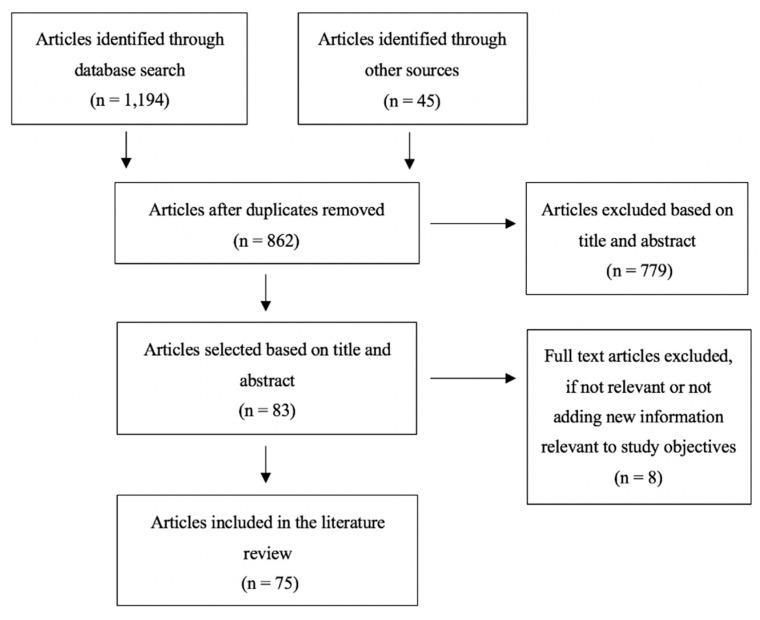
Parental vaccine hesitancy is becoming an increasingly important public health concern in the United States. In March 2020, an assessment of the latest CDC National Immunization Survey data found that more than one-third of U.S. children between the ages of 19 and 35 months were not following the recommended early childhood immunization schedule. Furthermore, a 2019 national survey found that approximately 1 in 4 parents reported serious concerns towards vaccinating their children. Vaccine hesitancy is now associated with a decrease in vaccine coverage and an increase in vaccine-preventable disease outbreaks and epidemics in the United States. Many studies have focused on understanding and defining the new socio-medical term, vaccine hesitancy; few have attempted to summarize past and current health communication interventions and strategies that have been successful or unsuccessful in tackling this growing phenomenon. This systematic literature review will attempt to aid public health professionals with a catalogue of health communication interventions and strategies to ultimately address and prevent parental vaccine hesitancy in the long term. Out of 1239 search results, a total of 75 articles were included for analysis, ranging from systematic reviews, quantitative surveys, and experimental designs to ethnographic and qualitative studies. For the presentation of results, a taxonomy was used to organize communication interventions according to their intended purpose. The catalogue of interventions was further broken down into specific components and themes that were identified in the literature as essential to either the success or failure in preventing and addressing parental vaccine hesitancy towards childhood vaccines.
在美国,家长对疫苗的犹豫态度正日益成为一个重要的公共卫生问题。2020年3月,一项对美国疾病控制与预防中心(CDC)最新全国免疫调查数据的评估发现,19至35个月大的美国儿童中,超过三分之一未遵循推荐的幼儿免疫接种计划。此外,2019年的一项全国性调查发现,约四分之一的家长表示对给孩子接种疫苗深感担忧。如今,疫苗犹豫在美国与疫苗接种覆盖率下降以及疫苗可预防疾病的爆发和流行增加相关联。许多研究致力于理解和界定这个新的社会医学术语——疫苗犹豫;但很少有研究试图总结过去和当前在应对这一日益严重的现象方面成功或失败的健康传播干预措施和策略。这项系统性文献综述将试图为公共卫生专业人员提供一份健康传播干预措施和策略的目录,以最终从长远角度解决并预防家长对疫苗的犹豫态度。在1239条搜索结果中,总共纳入了75篇文章进行分析,范围涵盖系统性综述、定量调查、实验设计以及人种志和定性研究。为了呈现结果,采用了一种分类法,根据其预期目的来组织传播干预措施。干预措施目录进一步细分为在文献中被确定为对于预防和解决家长对儿童疫苗的犹豫态度的成功或失败至关重要的特定组成部分和主题。