Chen Fang, Si Peng, de la Zerda Adam, Jokerst Jesse V, Myung David
Mary M. and Sash A. Spencer Center for Vision Research, Byers Eye Institute, Department of Ophthalmology, Stanford University, CA 94305, USA.
Biomater Sci. 2021 Jan 21;9(2):367-390. doi: 10.1039/d0bm01063d. Epub 2020 Oct 15.
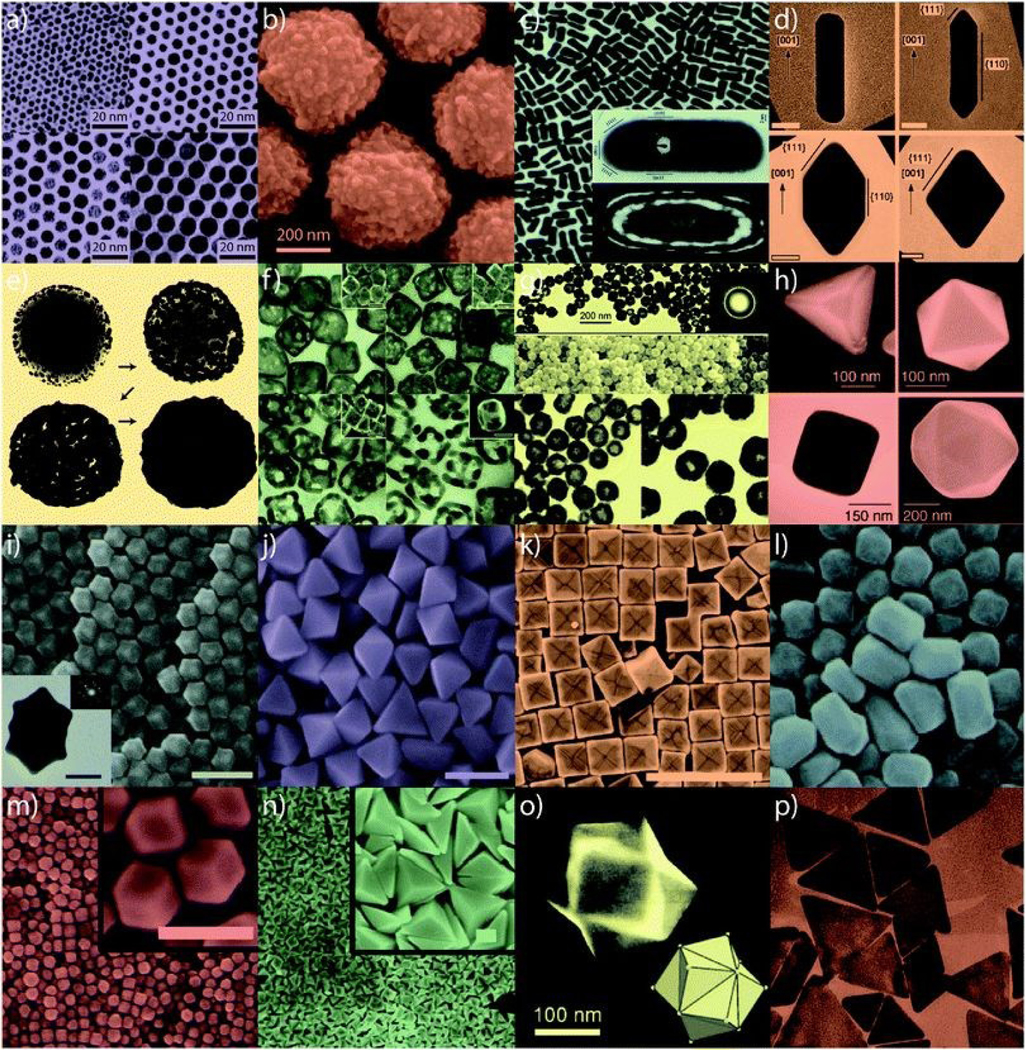
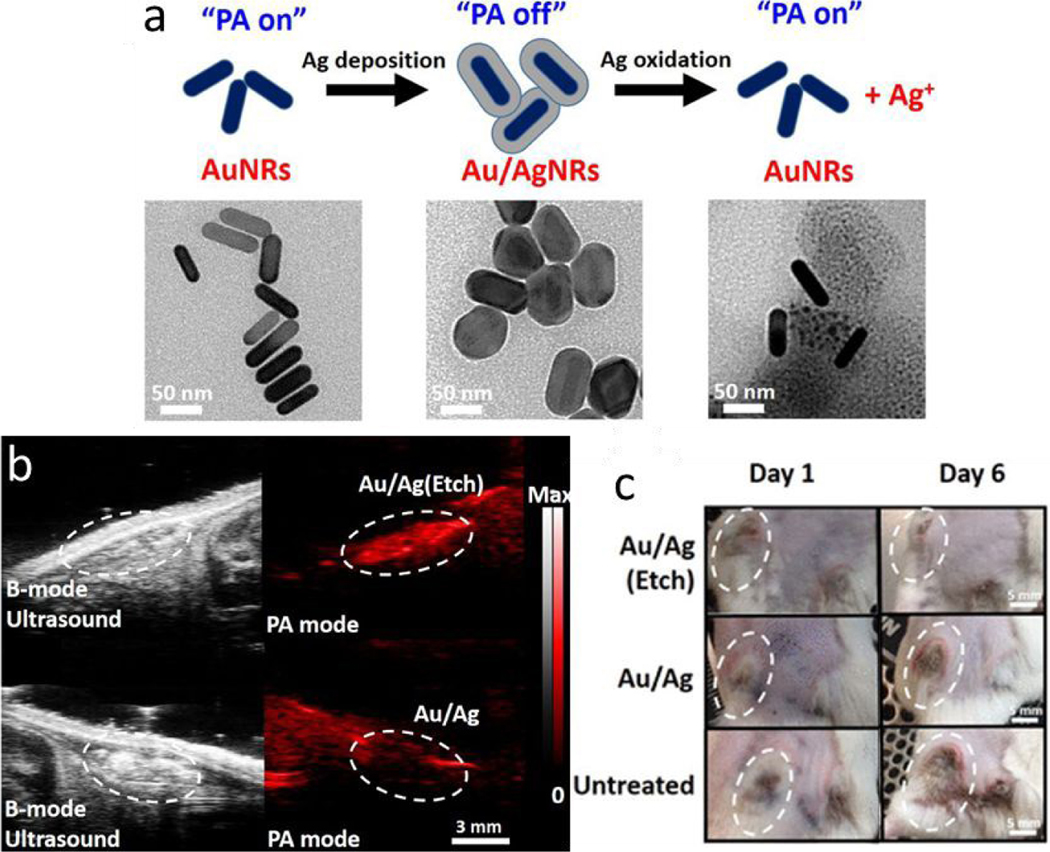
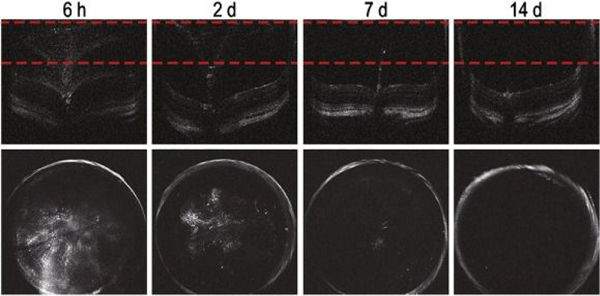
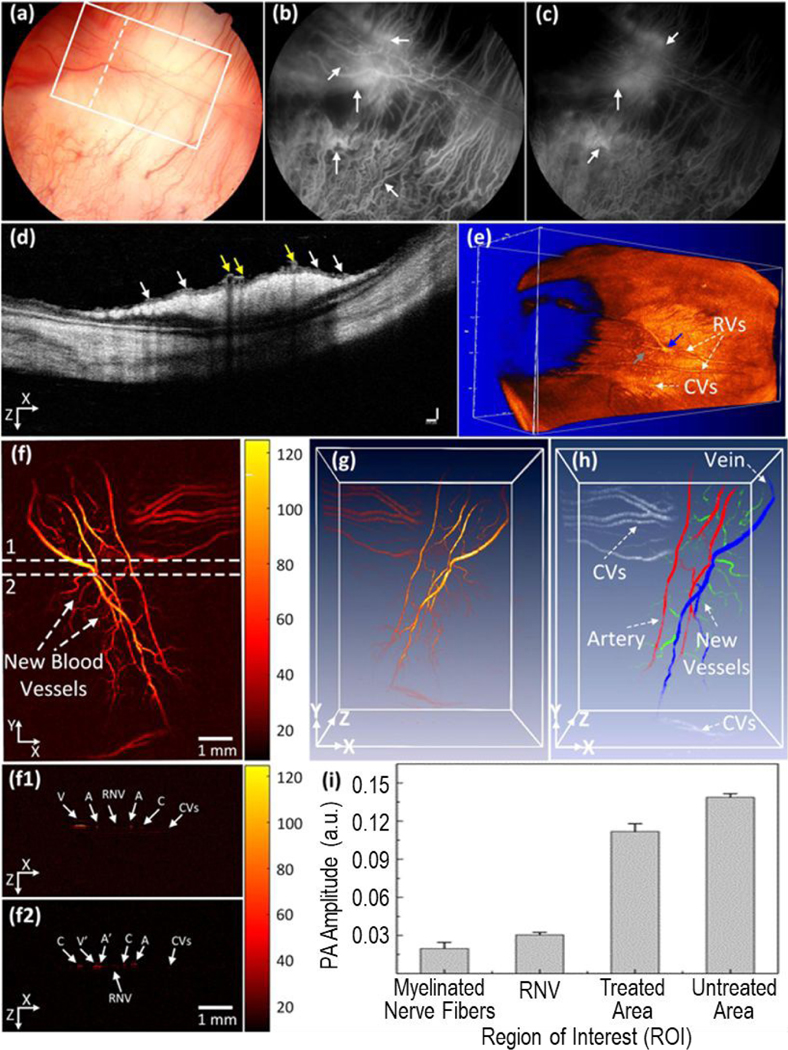
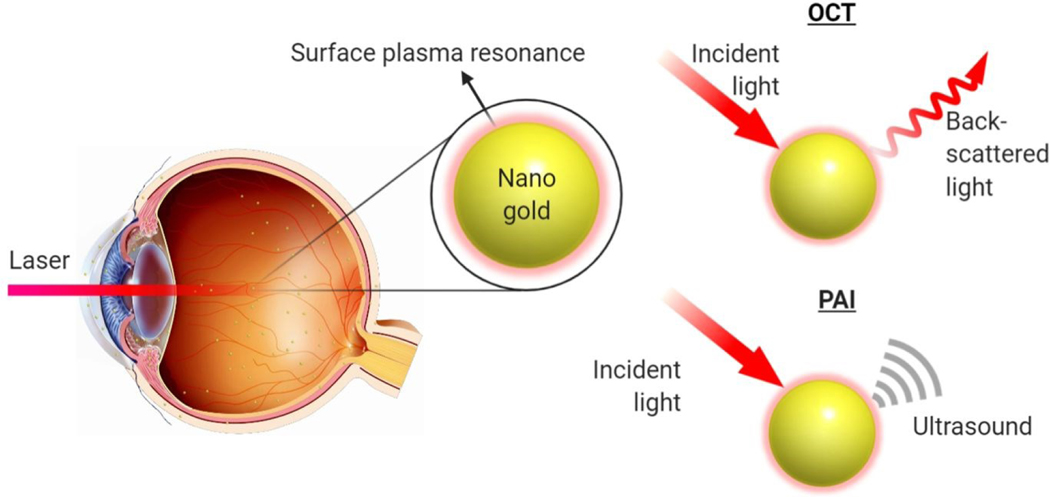
The use of gold nanoparticles as diagnostic tools is burgeoning, especially in the cancer community with a focus on theranostic applications to both cancer diagnosis and treatment. Gold nanoparticles have also demonstrated great potential for use in diagnostic and therapeutic approaches in ophthalmology. Although many ophthalmic imaging modalities are available, there is still a considerable unmet need, in particular for ophthalmic molecular imaging for the early detection of eye disease before morphological changes are more grossly visible. An understanding of how gold nanoparticles are leveraged in other fields could inform new ways they could be utilized in ophthalmology. In this paper, we review current ophthalmic imaging techniques and then identify optical coherence tomography (OCT) and photoacoustic imaging (PAI) as the most promising technologies amenable to the use of gold nanoparticles for molecular imaging. Within this context, the development of gold nanoparticles as OCT and PAI contrast agents are reviewed, with the most recent developments described in detail.
金纳米颗粒作为诊断工具的应用正在迅速发展,尤其是在癌症领域,重点是用于癌症诊断和治疗的诊疗一体化应用。金纳米颗粒在眼科诊断和治疗方法中也显示出巨大潜力。尽管有许多眼科成像方式可供使用,但仍存在相当大的未满足需求,特别是对于眼科分子成像,以便在形态学变化更明显之前早期检测眼部疾病。了解金纳米颗粒在其他领域的应用方式可以为它们在眼科中的新应用方式提供思路。在本文中,我们回顾了当前的眼科成像技术,然后确定光学相干断层扫描(OCT)和光声成像(PAI)是最有前途的可使用金纳米颗粒进行分子成像的技术。在此背景下,对金纳米颗粒作为OCT和PAI造影剂的发展进行了综述,并详细介绍了最新进展。