International Centre for Evidence in Disability, London School of Hygiene & Tropical Medicine, London, UK
International Centre for Evidence in Disability, London School of Hygiene & Tropical Medicine, London, UK.
BMJ Glob Health. 2020 Oct;5(10). doi: 10.1136/bmjgh-2020-002903.
Persons with disabilities have the same sexual and reproductive health and rights (SRHR) as non-disabled persons. Yet they face numerous barriers in their access to sexual and reproductive health services and their rights are often not met. Evidence on SRHR for persons with disabilities is sparse, particularly evaluations of interventions demonstrating 'what works.' This systematic review assessed interventions to promote SRHR for persons with disabilities in low- and middle-income countries.
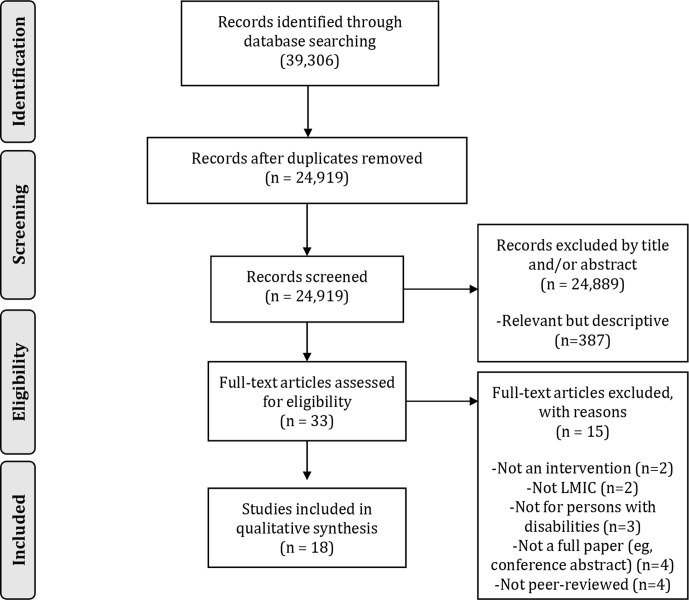
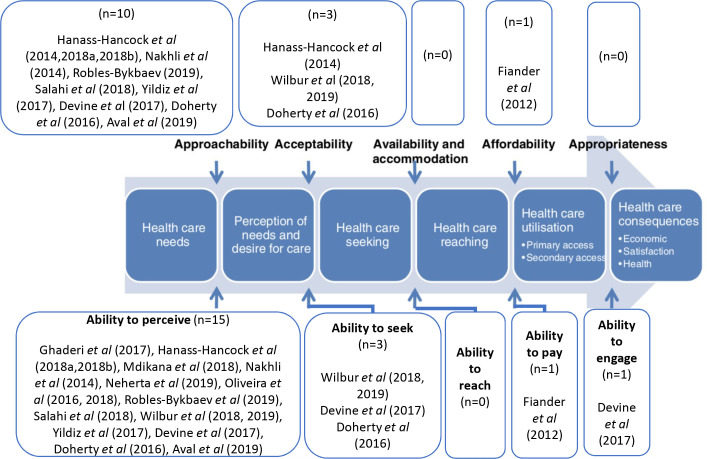
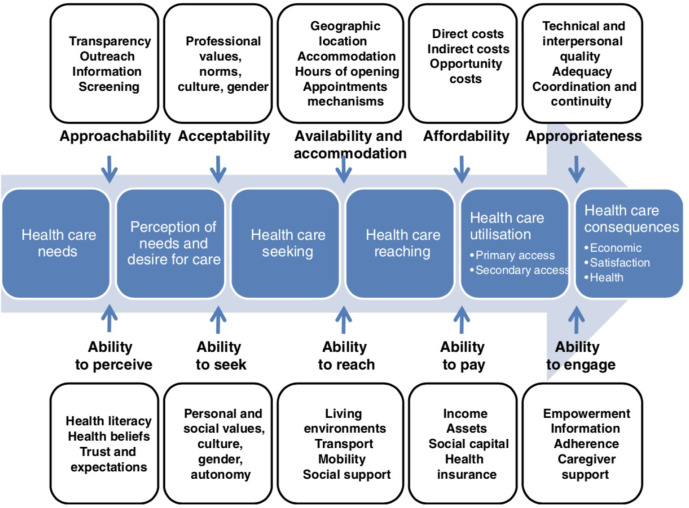
We searched for qualitative, quantitative or mixed method observational studies representing primary research, published between 2010 and 2019, using MEDLINE, Embase, PubMed, Global Health and CINAHL Plus. Search strings were compiled for different elements of SRHR and for all forms of disability. 24,919 records were screened, leading to over 380 relevant papers, most of which were descriptive, focussing on needs and barriers to SRHR needs being fulfilled. Of the 33 full-text articles assessed for eligibility, 18 were included in the synthesis. All included studies were assessed for bias and quality of evidence, using STROBE (Strengthening the Reporting of Observational Studies in Epidemiology) and RATS (relevance, appropriateness, transparency andsoundness) tools. Among the 16 interventions (from 18 articles), 25% had low risk of bias, 31% had moderate risk of bias and 44% had high risk of bias. Data analysis used narrative synthesis; a method suited for systematic reviews with heterogeneous studies. We used Levesque healthcare access model to analyse the focus of interventions.
11 interventions were from upper middle-income settings; two from lower-income settings; only one operated in rural areas. Interventions addressed intellectual impairment (6), visual impairment (6), hearing impairment (4), mental health conditions (2) and physical impairments (2). Most interventions (15/16) focus on information provision and awareness raising. We could not identify any intervention promoting access to maternal health, family planning and contraception, or safe abortion for people with disabilities.
This systematic review has highlighted stark gaps in evidence. More rigorous evaluations are needed.
残疾人与非残疾人享有相同的性健康和生殖健康及权利(SRHR)。然而,他们在获得性健康和生殖健康服务方面面临着诸多障碍,其权利往往无法得到满足。有关残疾人 SRHR 的证据很少,特别是证明“有效措施”的干预措施评估。本系统评价评估了在中低收入国家促进残疾人 SRHR 的干预措施。
我们使用 MEDLINE、Embase、PubMed、全球健康和 CINAHL Plus 搜索了 2010 年至 2019 年期间发表的代表初级研究的定性、定量或混合方法观察性研究,搜索字符串针对 SRHR 的不同要素和所有形式的残疾。筛选了 24,919 条记录,导致 380 多篇相关论文,其中大多数论文都是描述性的,重点是满足 SRHR 需求的需求和障碍。在评估纳入标准的 33 篇全文文章中,有 18 篇被纳入综合分析。所有纳入的研究都使用 STROBE(加强观察性研究的报告)和 RATS(相关性、适当性、透明度和健全性)工具评估偏倚和证据质量。在 16 项干预措施(来自 18 篇文章)中,25%的干预措施具有低偏倚风险,31%的干预措施具有中度偏倚风险,44%的干预措施具有高偏倚风险。数据分析采用叙述性综合分析;这是一种适合于具有异质性研究的系统评价的方法。我们使用莱维希医疗保健获取模型来分析干预措施的重点。
11 项干预措施来自中上收入国家;2 项来自低收入国家;只有一项在农村地区开展。干预措施针对智力障碍(6)、视力障碍(6)、听力障碍(4)、心理健康状况(2)和身体残疾(2)。大多数干预措施(15/16)侧重于提供信息和提高认识。我们无法确定任何促进残疾人获得孕产妇保健、计划生育和避孕以及安全堕胎的干预措施。
本系统评价突出了证据中的明显差距。需要进行更严格的评估。