Wang Wen-Yi, Lu Wei-Cheng
Department of Neurosurgery, Dafeng People's Hospital of Yancheng City, Yancheng City, Jiangsu Province, People's Republic of China.
Department of Neurosurgery, First Affiliated Hospital of China Medical University, Shenyang, People's Republic of China.
Onco Targets Ther. 2020 Sep 24;13:9513-9523. doi: 10.2147/OTT.S262873. eCollection 2020.
MicroRNAs have been identified as major regulators and therapeutic targets of glioblastoma (GBM). It is thus meaningful to study the miRNAs differentially expressed (DE-miRNAs) in GBM.
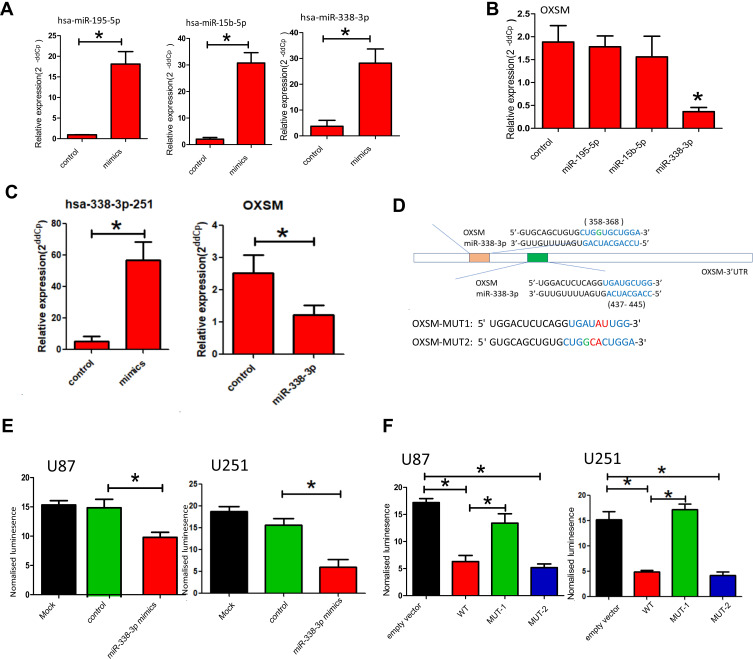
We performed a meta-analysis of previously published microarray data using the R-based "metaMA" package to identify DE-miRNAs.The biological processes of the DE-miRNAs were then analyzed using FunRich. KEGG pathways of the DE-miRNAs gene targets were analyzed by mirPath V.3. Luciferase activity assay was performed to validate that is a direct target of . Flow cytometry was used to detect the effects of on GBM cell proliferation, apoptosis and cell cycle.
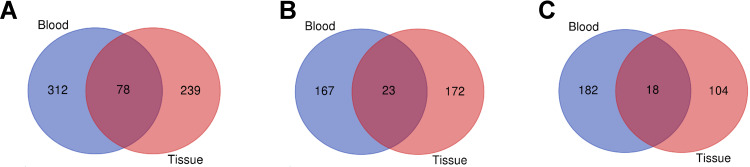
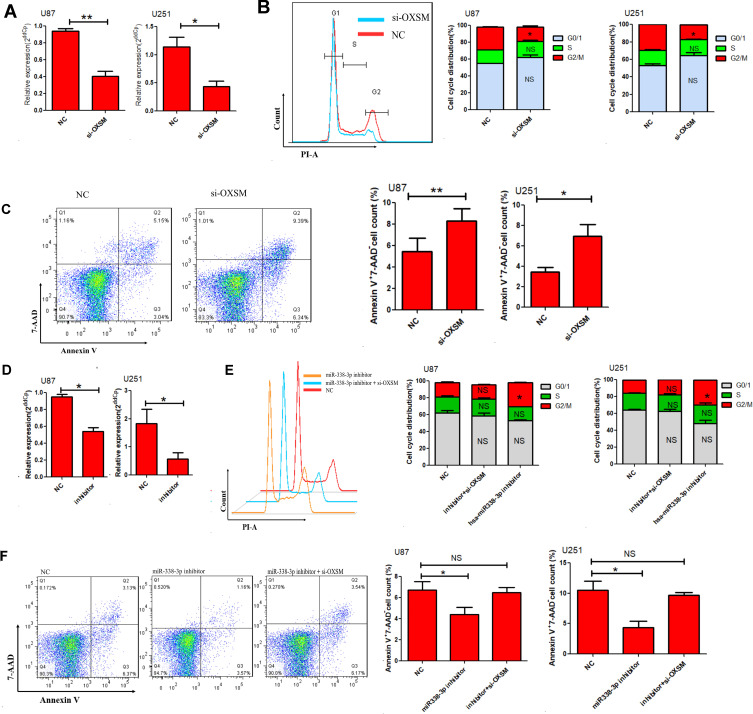
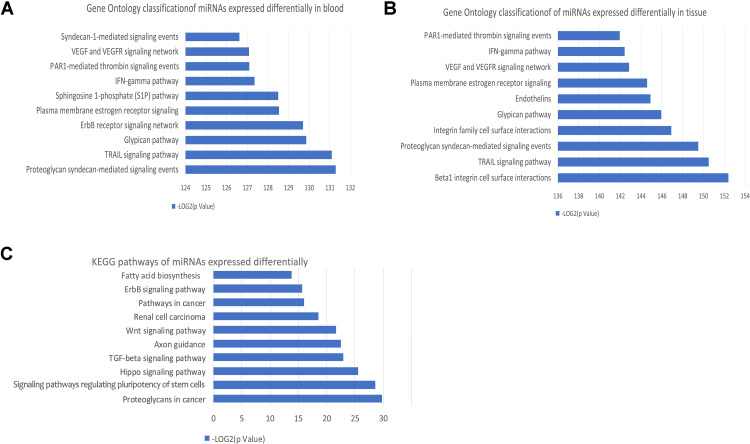
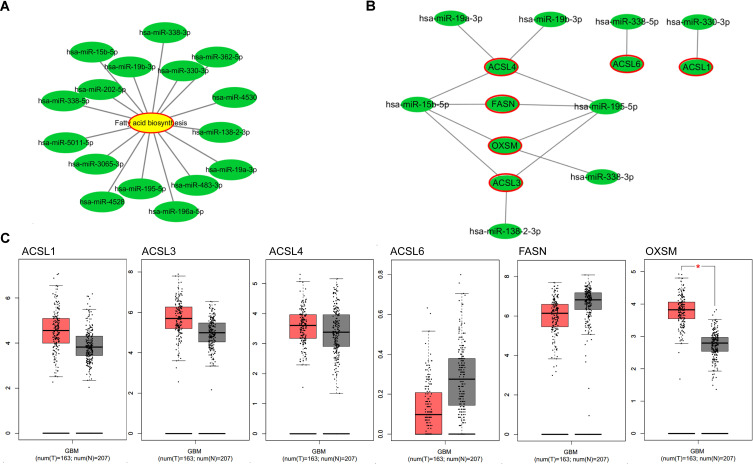
DE-miRNAs in blood and brain tissue from GBM were identified. "Type I interferon signaling pathway" and " and signaling network" were the most significantly enriched biological processes shared by all GBM types. In KEGG pathway analysis, DE-miRNAs both in blood and tissue show altered fatty acid biosynthesis. Further validation shows regulates fatty acid metabolism by directly targeting gene. In addition, our data revealed an accelerated cell cycle and an anti-apoptotic role for OXSM in glioma cells, which has not been reported. Finally, we confirmed that inhibitor antagonized the effect of downregulation of on cell cycle and apoptosis of GBM cells.
We revealed that , down-regulated in GBM, may affect the biogenesis and rapid proliferation of glioma cells by regulating the level of , providing new insights into understanding the pathogenesis of GBM and developing strategies to improve GBM prognosis.
微小RNA已被确定为胶质母细胞瘤(GBM)的主要调节因子和治疗靶点。因此,研究GBM中差异表达的微小RNA(DE-miRNA)具有重要意义。
我们使用基于R的“metaMA”软件包对先前发表的微阵列数据进行荟萃分析,以鉴定DE-miRNA。然后使用FunRich分析DE-miRNA的生物学过程。通过mirPath V.3分析DE-miRNA基因靶点的KEGG通路。进行荧光素酶活性测定以验证[具体基因1]是[具体基因2]的直接靶点。使用流式细胞术检测[具体基因]对GBM细胞增殖、凋亡和细胞周期的影响。
鉴定出GBM血液和脑组织中的DE-miRNA。“I型干扰素信号通路”以及“[具体信号通路1]和[具体信号通路2]信号网络”是所有GBM类型共有的最显著富集的生物学过程。在KEGG通路分析中,血液和组织中的DE-miRNA均显示脂肪酸生物合成改变。进一步验证表明[具体基因]通过直接靶向[具体基因]调节脂肪酸代谢。此外,我们的数据揭示了OXSM在胶质瘤细胞中具有加速细胞周期和抗凋亡作用,这尚未见报道。最后,我们证实[具体抑制剂]拮抗了[具体基因]下调对GBM细胞周期和凋亡的影响。
我们发现,在GBM中下调的[具体基因]可能通过调节[具体基因]水平影响胶质瘤细胞的生物发生和快速增殖,为理解GBM的发病机制和制定改善GBM预后的策略提供了新的见解。