Chmielewska Sylwia Joanna, Skłodowski Karol, Piktel Ewelina, Suprewicz Łukasz, Fiedoruk Krzysztof, Daniluk Tamara, Wolak Przemysław, Savage Paul B, Bucki Robert
Department of Medical Microbiology and Nanobiomedical Engineering, Medical University of Białystok, Białystok, Poland.
The Faculty of Medicine and Health Sciences of the Jan Kochanowski University in Kielce, Kielce, Poland.
Infect Drug Resist. 2020 Sep 28;13:3277-3294. doi: 10.2147/IDR.S261579. eCollection 2020.
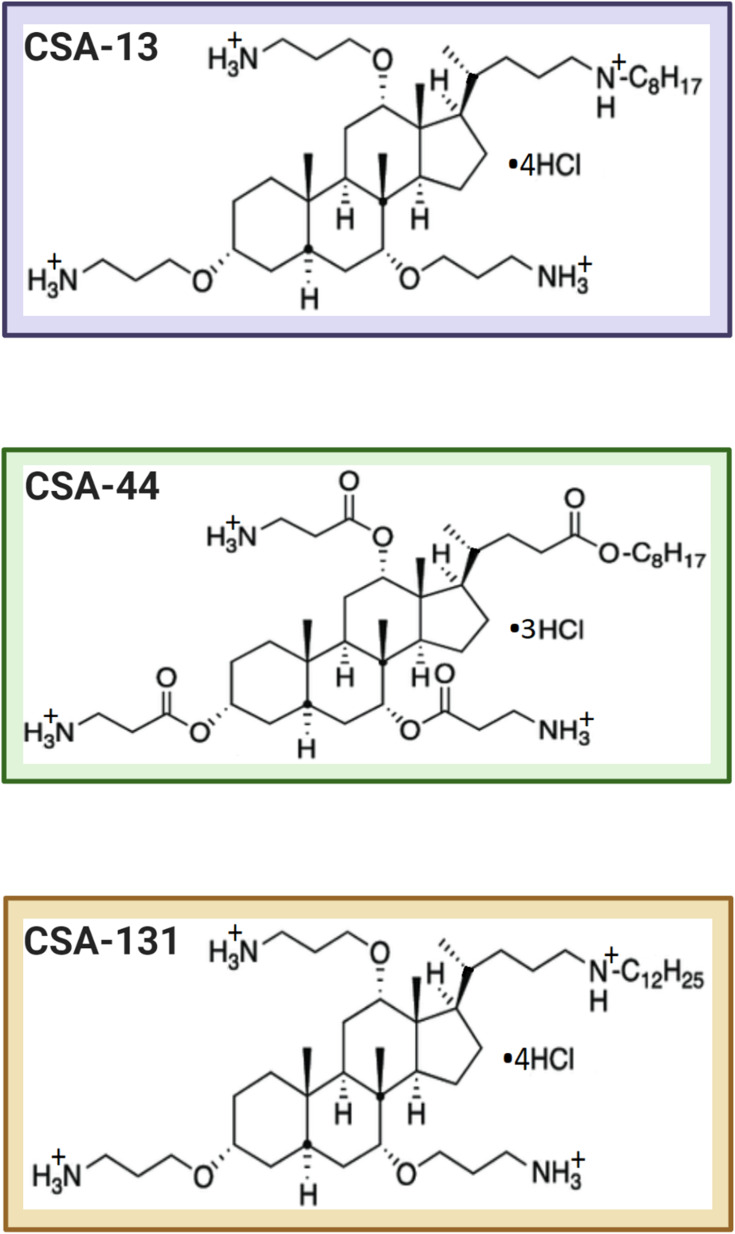
Treatment of infections caused by NDM-1 carbapenemase-producing Enterobacteriaceae (CPE) represents one of the major challenges of modern medicine. In order to address this issue, we tested ceragenins (CSAs - cationic steroid antimicrobials) as promising agents to eradicate various NDM-1-producing Gram-negative enteric rods.
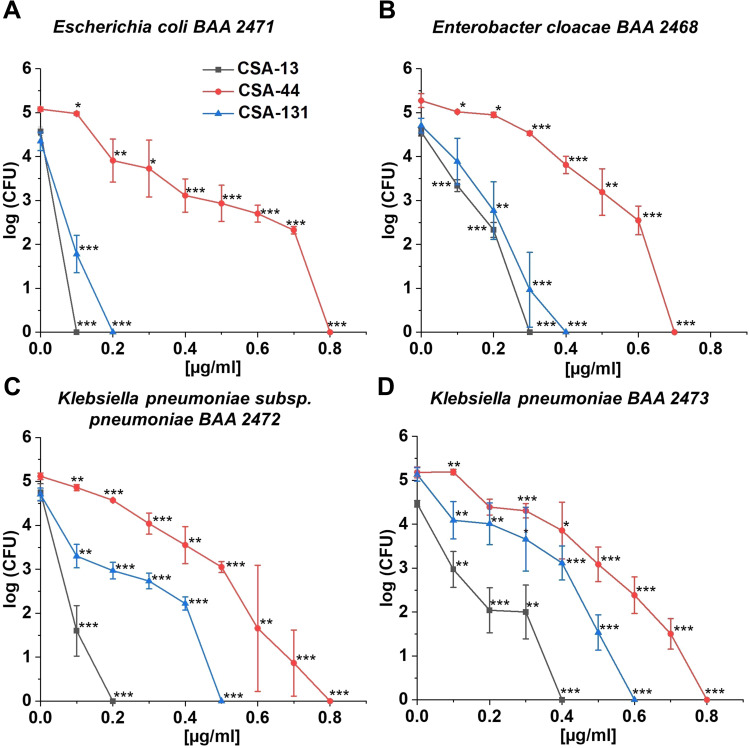
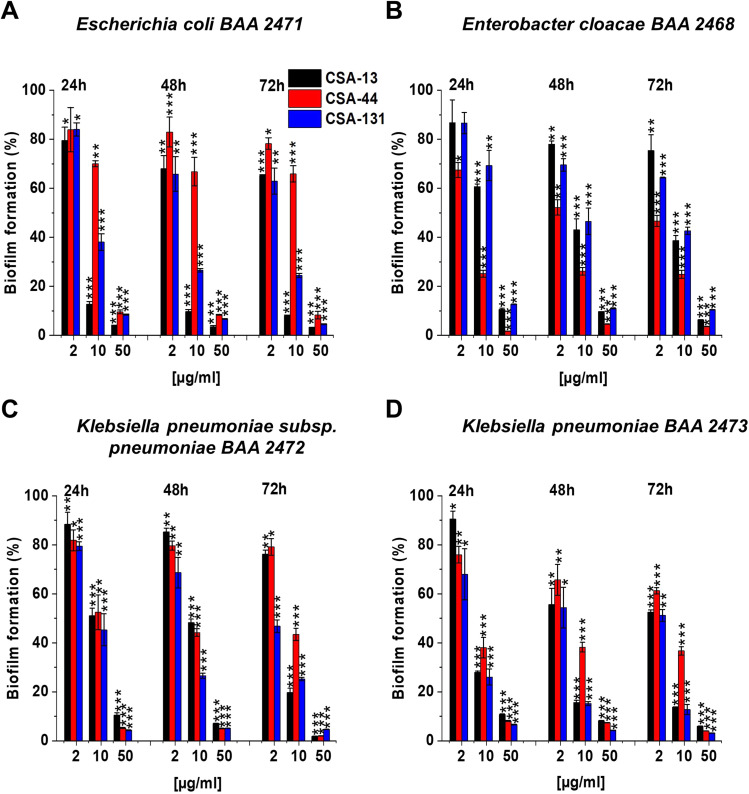
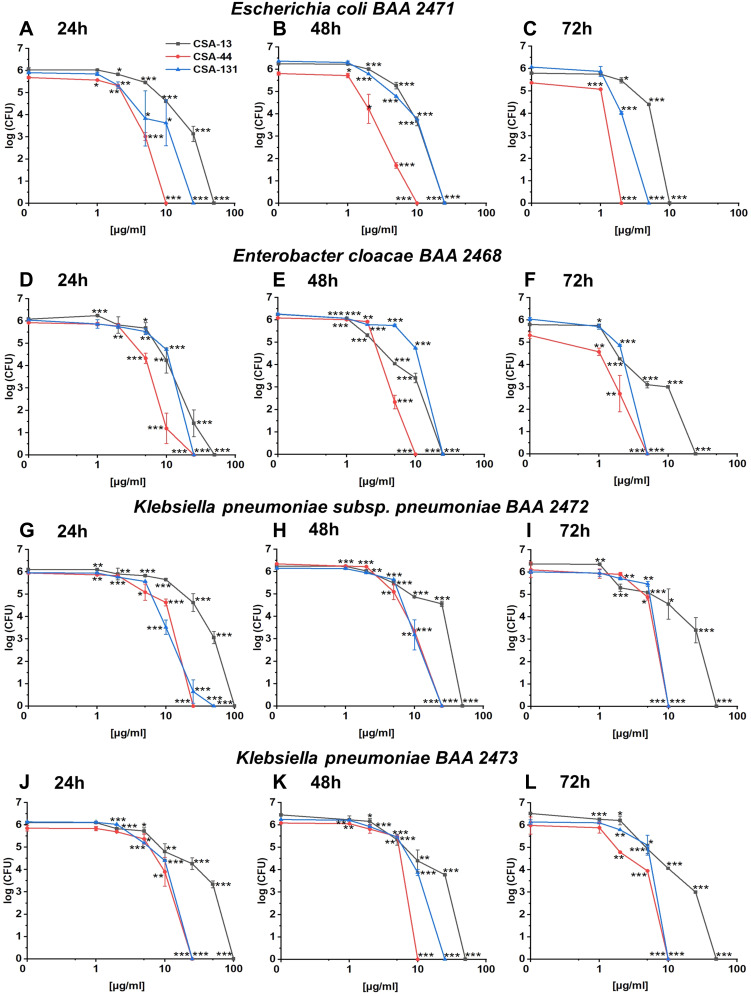
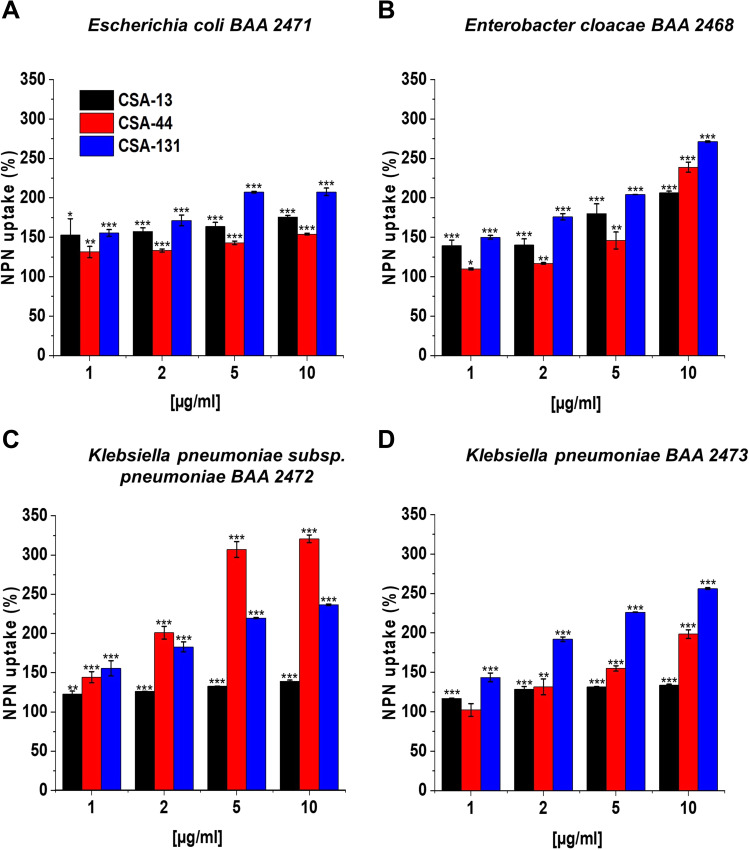
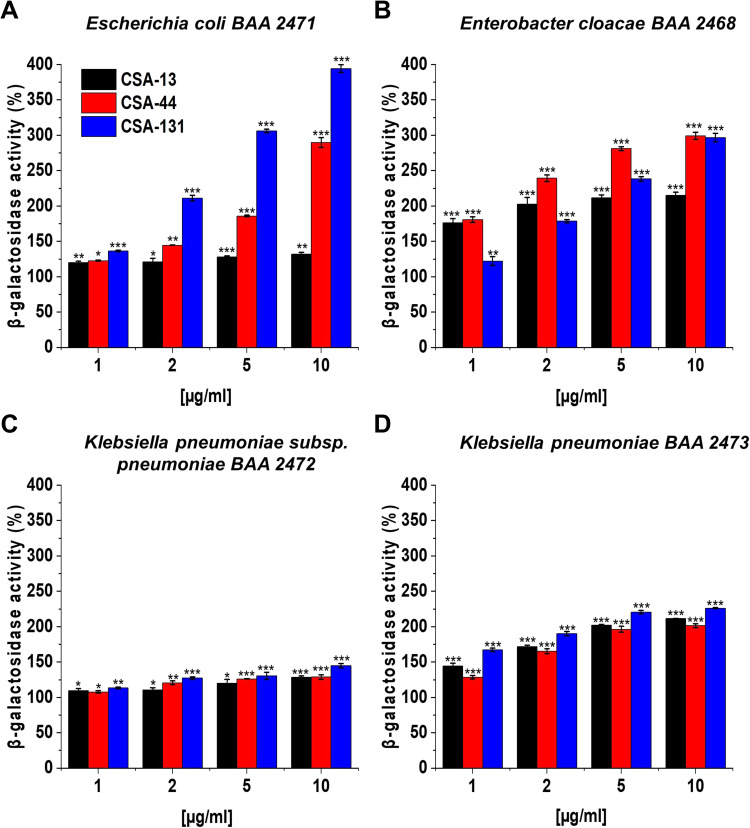
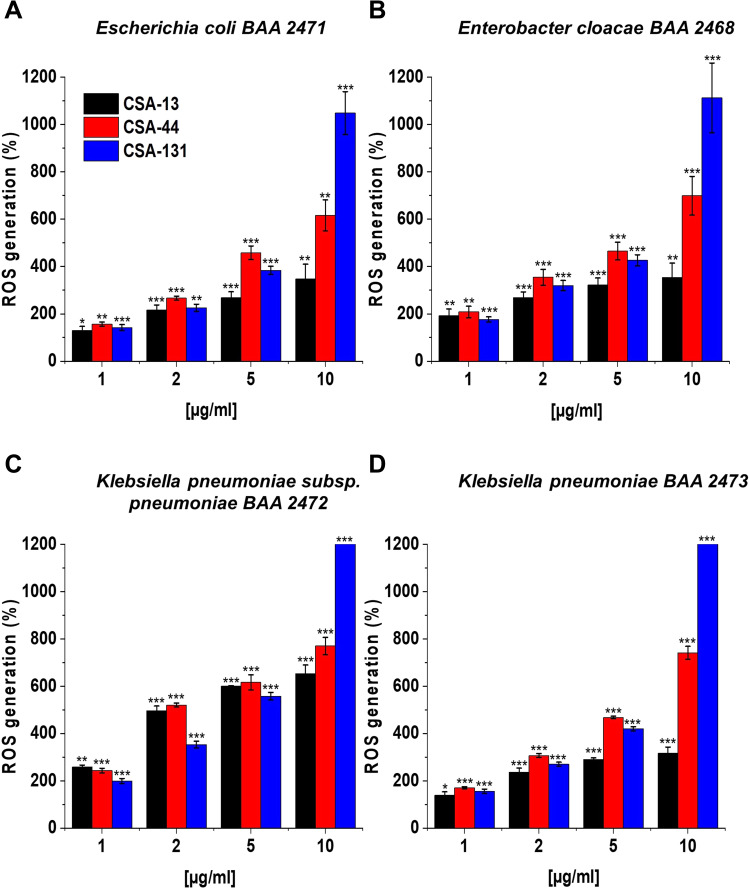
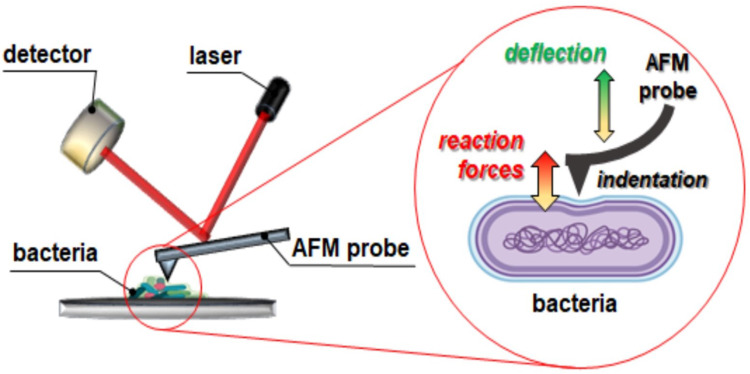
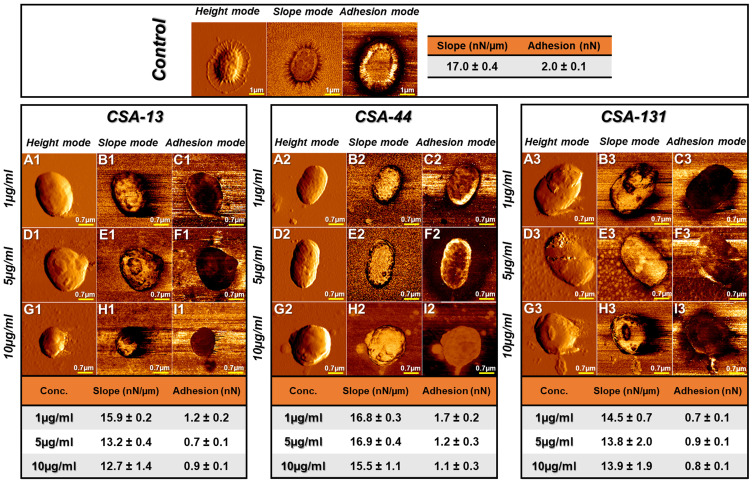
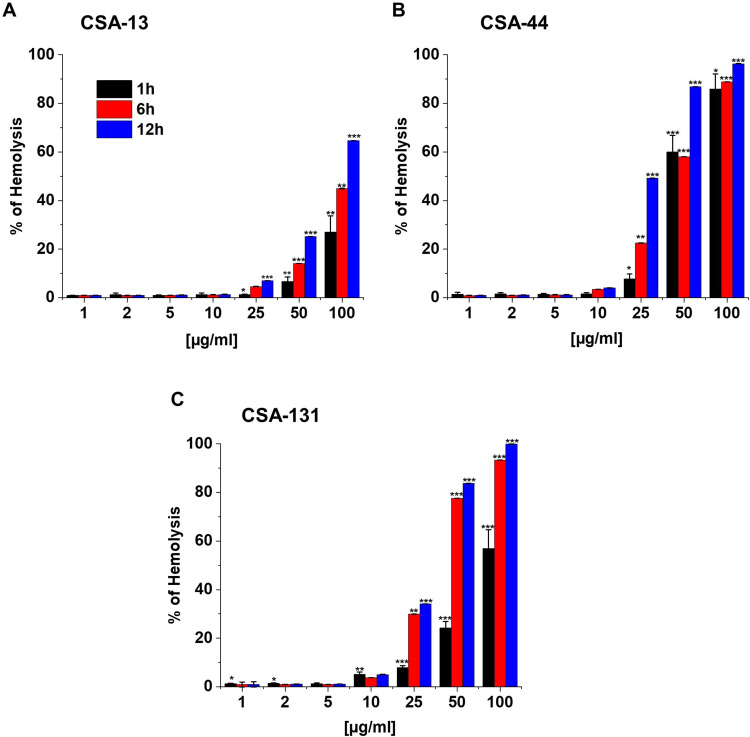
Susceptibility to CSA-13, CSA-44, and CSA-131 of four reference NDM-1 carbapenemase-producing strains, ie, BAA-2471, BAA-2468, BAA-2472, and BAA-2473 was assessed by MIC/MBC testing of planktonic cells as well as biofilm formation/disruption assays. To define the mechanism of CSAs bactericidal activity, their ability to induce generation of reactive oxygen species (ROS), permeabilization of the inner and outer membranes, and their mechanical and adhesive properties upon CSA addition were examined. Additionally, hemolytic assays were performed to assess CSAs hemocompatibility.
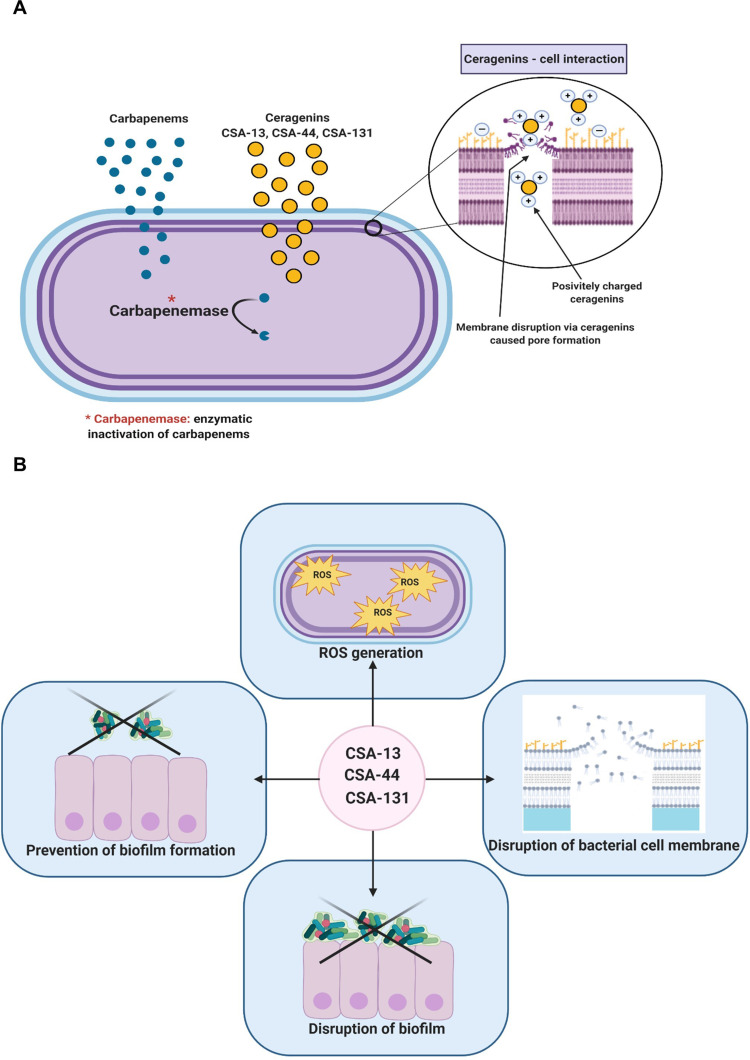
All tested CSAs exert substantial bactericidal activity against NDM-1-producing bacteria. Moreover, CSAs significantly prevent biofilm formation as well as reduce the mass of developed biofilms. The mechanism of CSA action comprises both increased permeability of the outer and inner membrane, which is associated with an extensive ROS generation. Additionally, atomic force microscopy (AFM) analysis has shown morphological alterations in bacterial cells and the reduction of stiffness and adhesion properties. Importantly, CSAs are characterized by low hemolytic activity at concentrations that are bactericidal.
Development of ceragenins should be viewed as one of the valid strategies to provide new treatment options against infections associated with CPE. The studies presented herein demonstrate that NDM-1-positive bacteria are more susceptible to ceragenins than to conventional antibiotics. In effect, CSA-13, CSA-44, and CSA-131 may be favorable for prevention and decrease of global burden of CPE.
治疗由产NDM-1碳青霉烯酶肠杆菌科细菌(CPE)引起的感染是现代医学面临的主要挑战之一。为了解决这个问题,我们测试了杀菌肽(CSA - 阳离子类固醇抗菌剂)作为根除各种产NDM-1革兰氏阴性肠道杆菌的有前景的药物。
通过对浮游细胞进行MIC/MBC测试以及生物膜形成/破坏试验,评估了四种参考产NDM-1碳青霉烯酶菌株,即BAA-2471、BAA-2468、BAA-2472和BAA-2473对CSA-13、CSA-44和CSA-131的敏感性。为了确定杀菌肽杀菌活性的机制,研究了它们诱导活性氧(ROS)生成的能力、内膜和外膜的通透性,以及添加杀菌肽后它们的机械和粘附特性。此外,进行了溶血试验以评估杀菌肽的血液相容性。
所有测试的杀菌肽对产NDM-1的细菌都具有显著的杀菌活性。此外,杀菌肽能显著预防生物膜形成,并减少已形成生物膜的量。杀菌肽的作用机制包括外膜和内膜通透性增加,这与大量ROS生成有关。此外,原子力显微镜(AFM)分析显示细菌细胞形态发生改变,硬度和粘附特性降低。重要的是,杀菌肽在杀菌浓度下具有低溶血活性。
杀菌肽的开发应被视为提供针对与CPE相关感染的新治疗选择的有效策略之一。本文提出的研究表明,NDM-1阳性细菌对杀菌肽比对传统抗生素更敏感。实际上,CSA-13、CSA-44和CSA-131可能有利于预防和减轻CPE的全球负担。