Molecular and Cellular Biology program, University of Washington, Seattle, United States.
Division of Basic Sciences & Fred Hutchinson Cancer Research Center, Seattle, United States.
Elife. 2020 Oct 16;9:e62337. doi: 10.7554/eLife.62337.
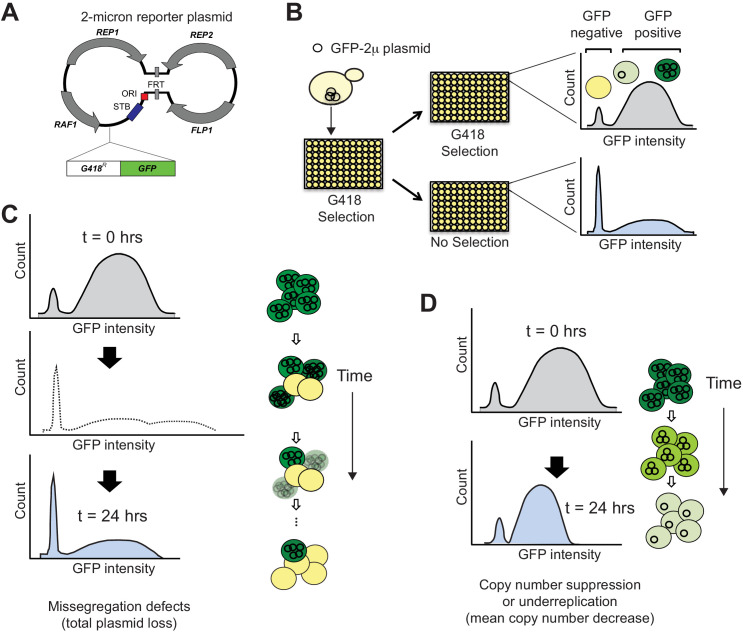
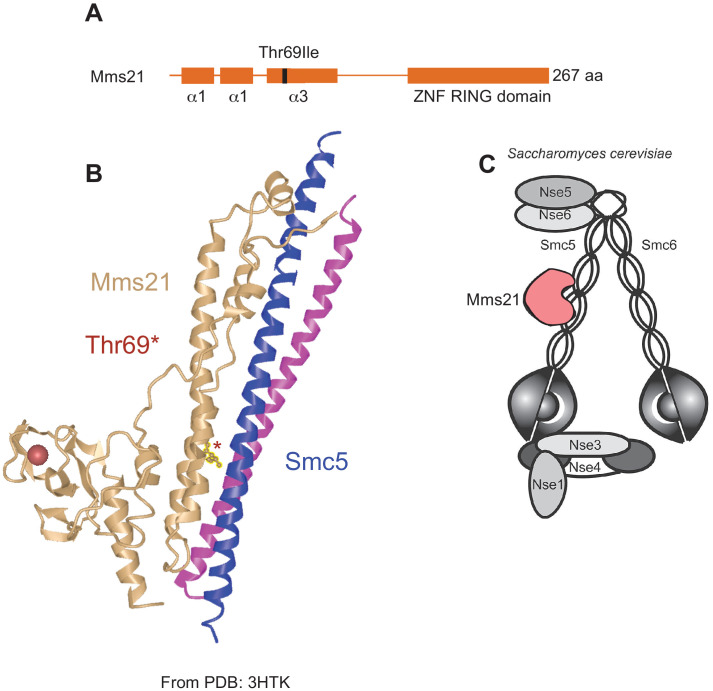
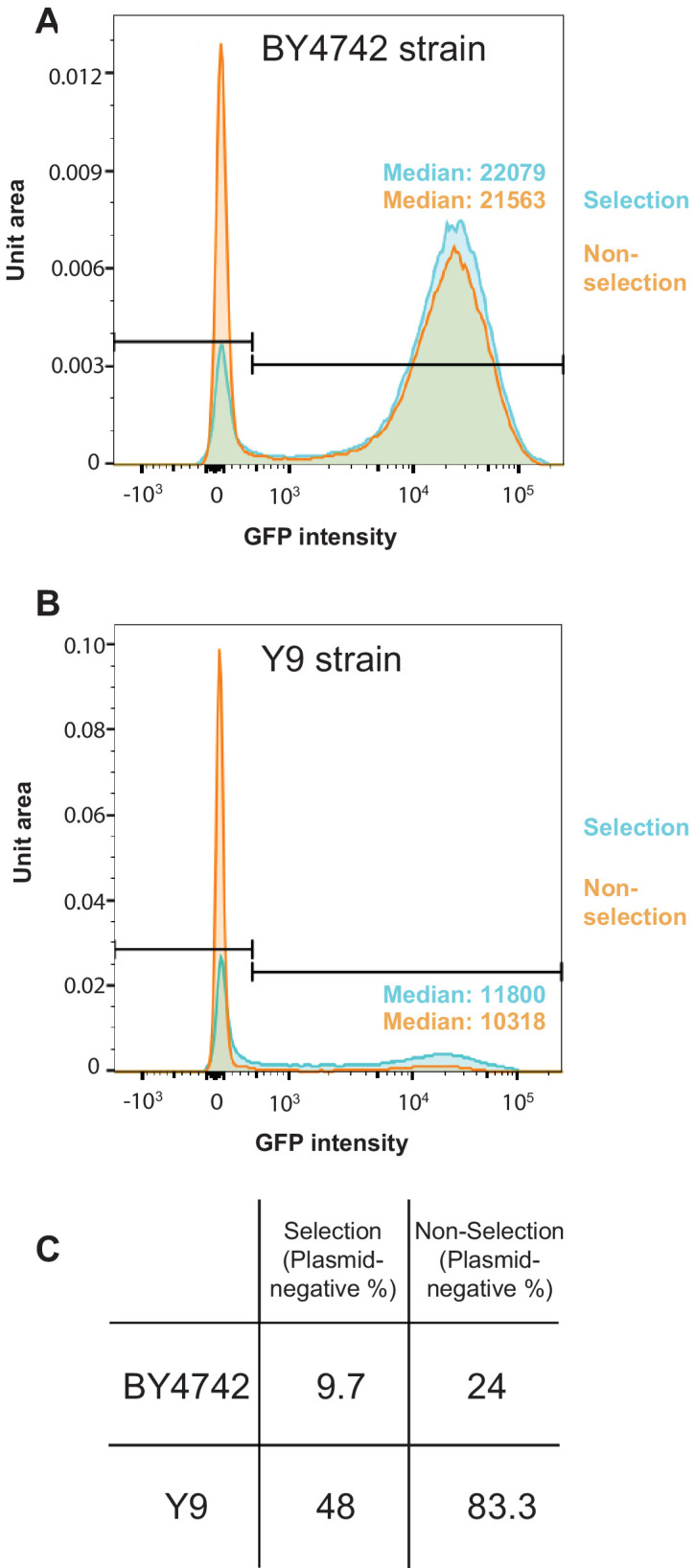
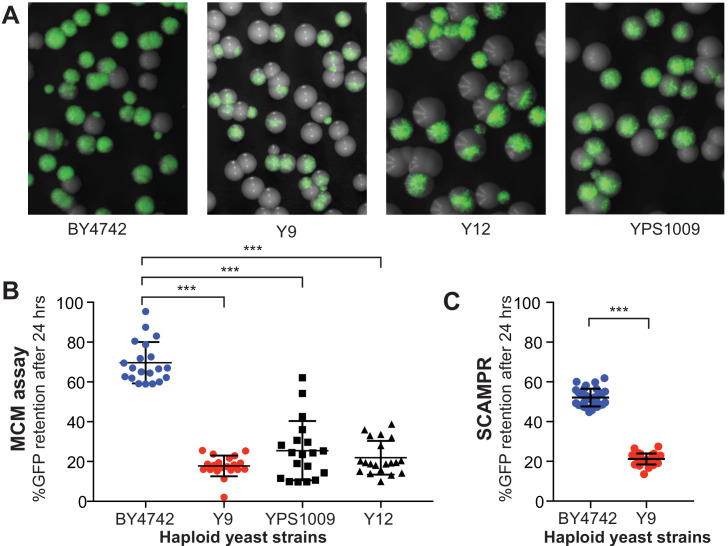
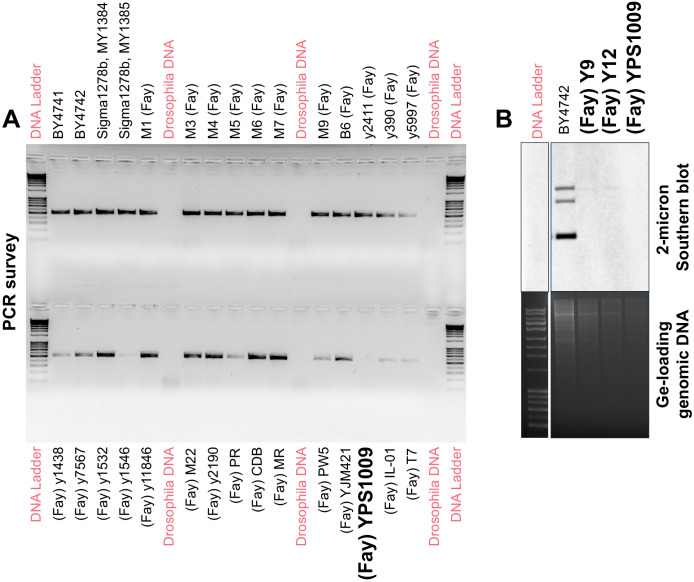
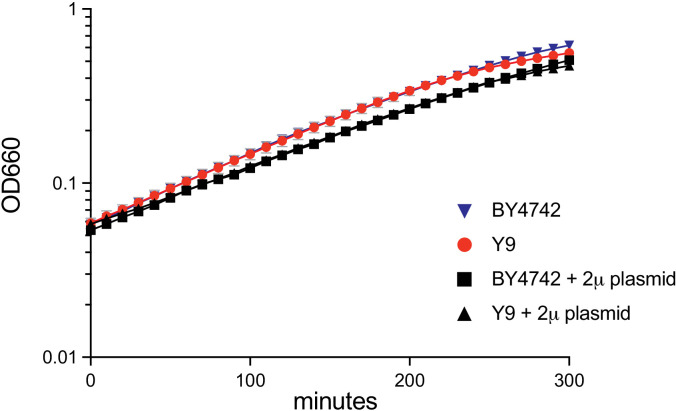
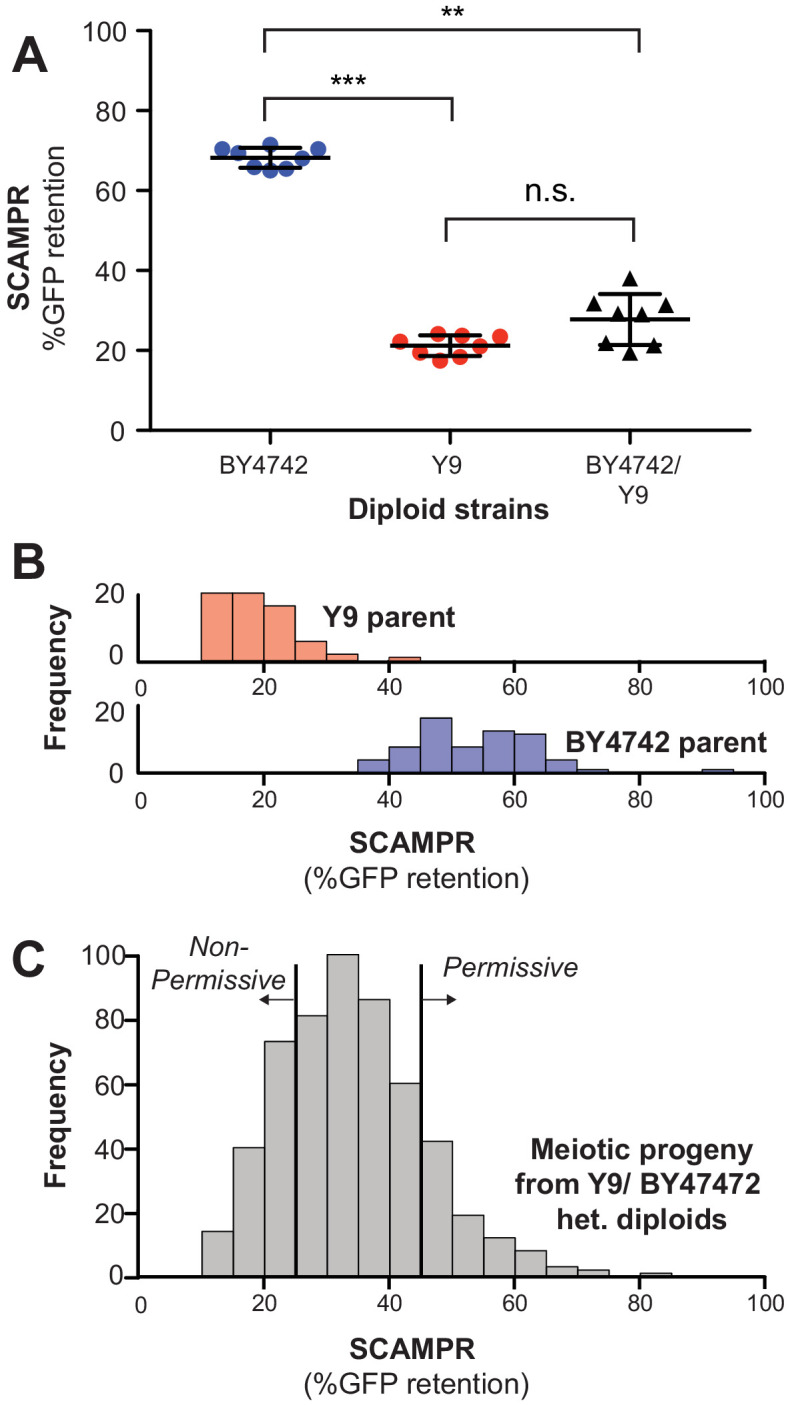
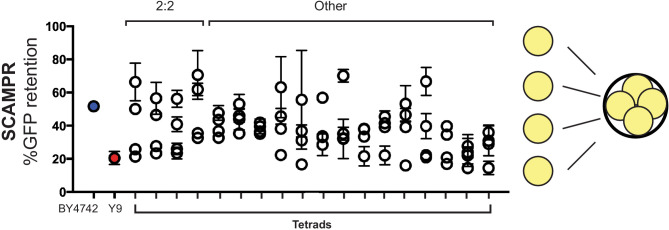
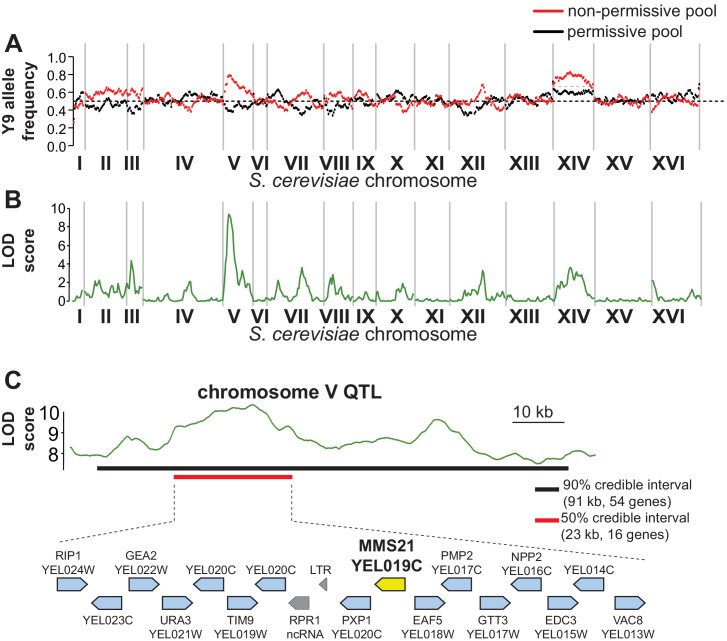
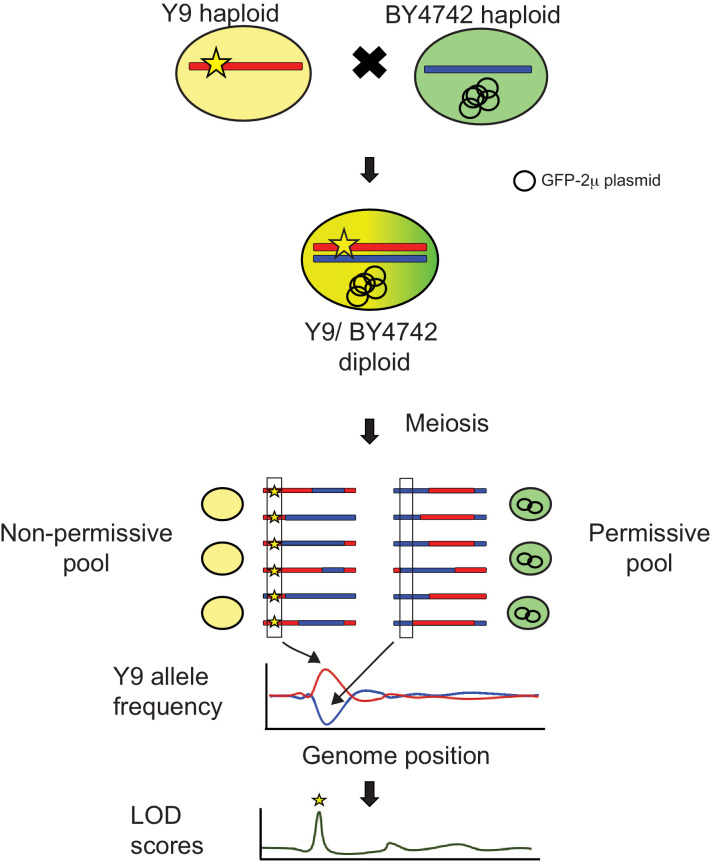
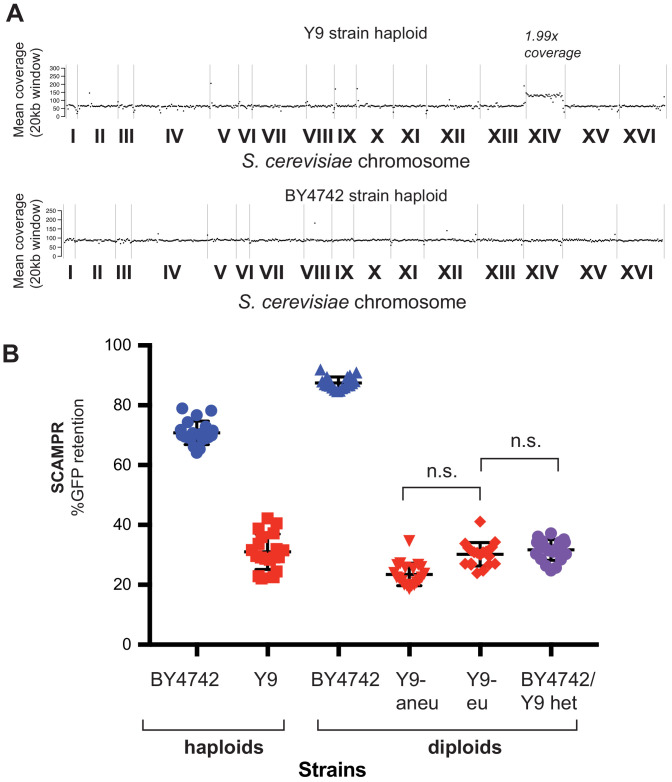
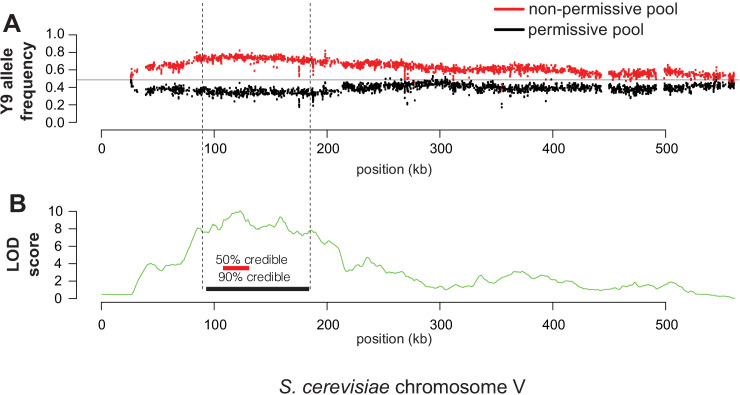
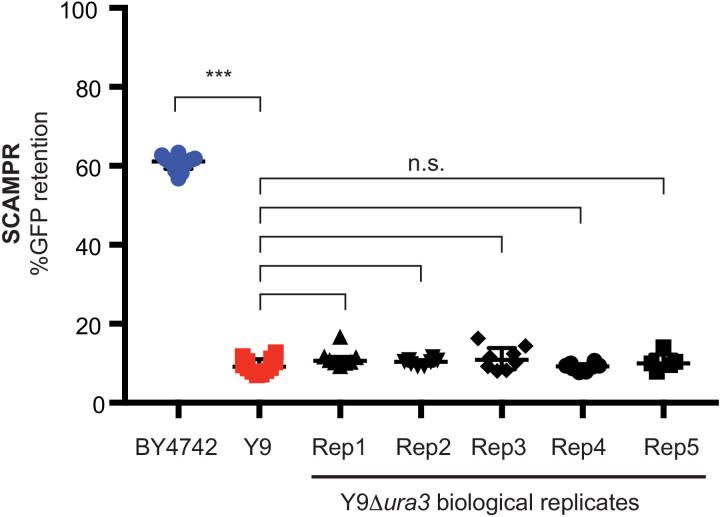
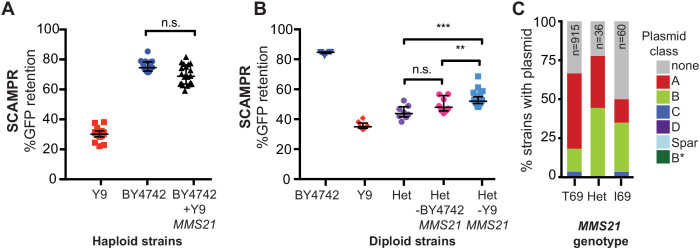
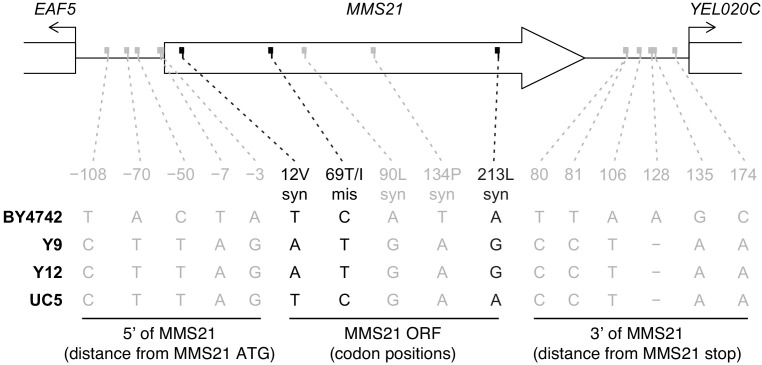
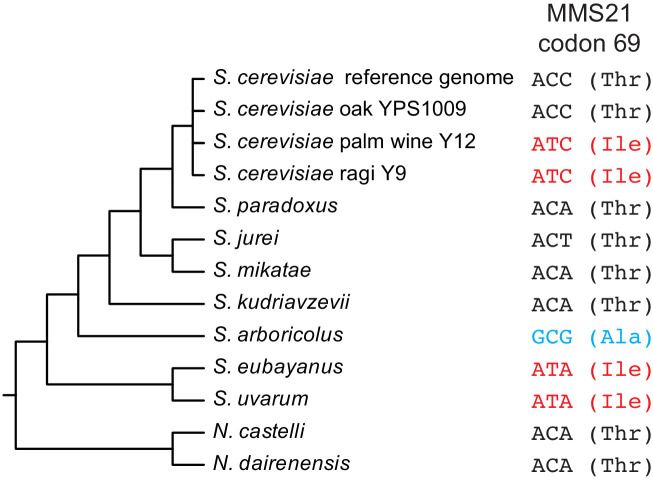
Antagonistic coevolution with selfish genetic elements (SGEs) can drive evolution of host resistance. Here, we investigated host suppression of 2-micron (2μ) plasmids, multicopy nuclear parasites that have co-evolved with budding yeasts. We developed SCAMPR (Single-Cell Assay for Measuring Plasmid Retention) to measure copy number heterogeneity and 2μ plasmid loss in live cells. We identified three strains that lack endogenous 2μ plasmids and reproducibly inhibit mitotic plasmid stability. Focusing on the Y9 ragi strain, we determined that plasmid restriction is heritable and dominant. Using bulk segregant analysis, we identified a high-confidence Quantitative Trait Locus (QTL) with a single variant of associated with increased 2μ instability. encodes a SUMO E3 ligase and an essential component of the Smc5/6 complex, involved in sister chromatid cohesion, chromosome segregation, and DNA repair. Our analyses leverage natural variation to uncover a novel means by which budding yeasts can overcome highly successful genetic parasites.
与自私遗传元件(SGEs)的拮抗协同进化可以驱动宿主抗性的进化。在这里,我们研究了宿主对 2 微米(2μ)质粒的抑制作用,2μ 质粒是与出芽酵母共同进化的多拷贝核寄生。我们开发了 SCAMPR(用于测量质粒保留的单细胞分析)来测量活细胞中的拷贝数异质性和 2μ 质粒丢失。我们鉴定了三个缺乏内源性 2μ 质粒的菌株,它们可重复地抑制有丝分裂质粒稳定性。我们专注于 Y9 ragi 菌株,确定了质粒限制是可遗传的和显性的。使用批量分离分析,我们鉴定了一个与高置信度的数量性状位点(QTL),其中一个与增加的 2μ 不稳定性相关的 单变体。 编码一种 SUMO E3 连接酶和 Smc5/6 复合物的必需成分,该复合物参与姐妹染色单体的黏合、染色体分离和 DNA 修复。我们的分析利用自然变异来揭示出芽酵母克服高度成功的遗传寄生虫的一种新方法。