Pharmacology Research Laboratory, University Institute of Pharmaceutical Sciences, UGC-Centre of Advanced Study, Panjab University, Chandigarh, 160 014, India.
Pharmacology Research Laboratory, University Institute of Pharmaceutical Sciences, UGC-Centre of Advanced Study, Panjab University, Chandigarh, 160 014, India.
Eur J Pharmacol. 2021 Jan 5;890:173643. doi: 10.1016/j.ejphar.2020.173643. Epub 2020 Oct 13.
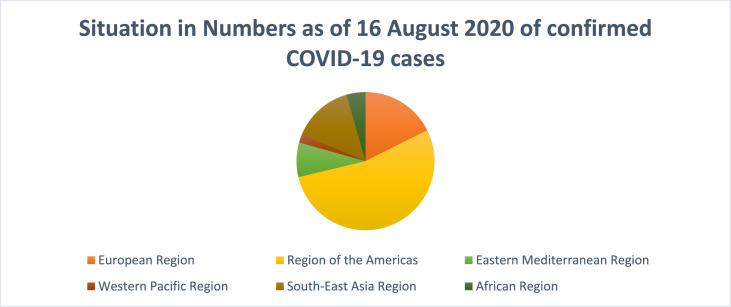
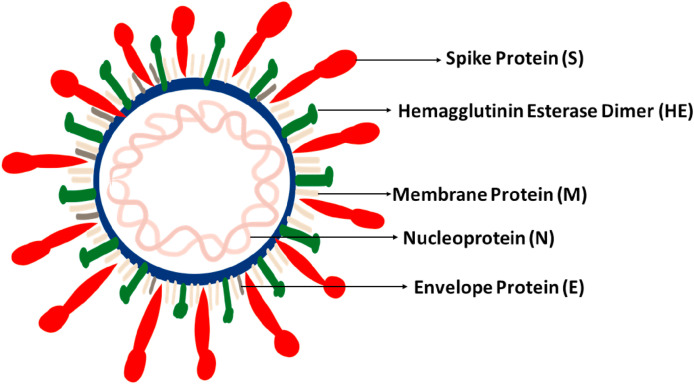
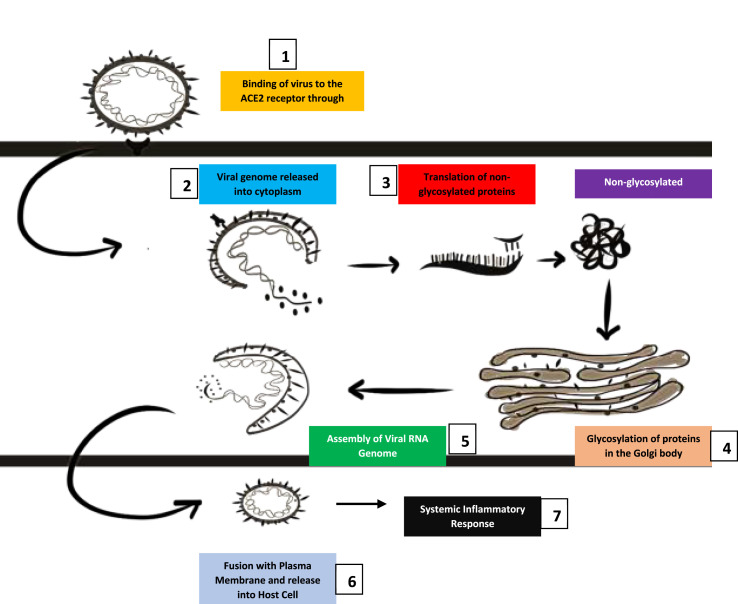
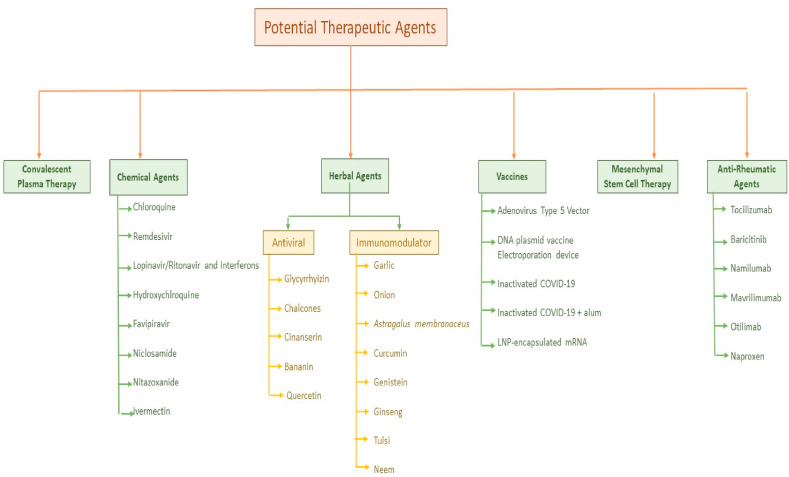
Coronaviruses are pleomorphic, enveloped, or spherical viruses, which have a size ranging from 80 to 120 nm. These viruses act on receptors that cause the triggering of fusion. Coronaviruses were first described after cultivation from patients with common colds by Tyrell and Bynoe in 1966. There are various subtypes of coronavirus, 7 out of these can cause infection in human beings. The Alpha subtype is responsible for mild infection showing symptoms or infection without any prevailing symptoms. On the other hand, the beta subtype is responsible for very serious diseases leading to fatality. The lineage of this novel SARS-CoV-2 falls under the beta lineage of the beta coronavirus which has been observed to have a relation to the MERS and SARS coronavirus. In the Huanan market selling seafood, the transition of this novel virus in humans from animals has occurred. It has the potential to be the cause of widespread fatality amongst the people of the globe. On August 16, 2020, the World Health Organisation had reported 2,1294,845 cases which are confirmed to date out of which 413,372 deaths have occurred. Currently, no targeted antiviral vaccines or drugs to fight against COVID-19 infection have been approved for use in humans. This pandemic is fast emerging and drug repurposing is the only ray of hope which can ensure quick availability. Vaccine development is progressing each day with various platforms such as DNA, Live Attenuated Virus, Non-Replicating Viral Vector, Protein Subunit, and RNA, being utilized for the development. COVID-19 attacks the immune system of the host & this can result in a cytokine storm. As a result, various herbal agents both acting as antivirals and immunomodulatory can also be used. Convalescent Plasma Therapy and Mesenchymal Stem Cell therapy are also being explored as a plausible therapeutic. There remains a considerable unmet need for therapeutics to be addressed. The development and availability of accessible and efficient therapy are essential for the treatment of patients. This review discusses the epidemiology, pathogenesis, the tale of origin, and transmission of COVID-19 or Sars-Cov2 virus and gives evidence of potential therapeutic agents that can be explored to cast away this pandemic.
冠状病毒为多形性、包膜或球形病毒,大小在 80 到 120nm 之间。这些病毒作用于受体,触发融合。1966 年,Tyrell 和 Bynoe 从普通感冒患者中培养出冠状病毒后首次对其进行了描述。冠状病毒有多种亚型,其中 7 种可感染人类。α亚型导致轻度感染,表现出症状或无明显症状的感染。另一方面,β亚型可导致非常严重的疾病并导致死亡。这种新型 SARS-CoV-2 属于β冠状病毒的β谱系,已观察到与 MERS 和 SARS 冠状病毒有关。在华南海鲜市场,这种新型病毒从动物向人类的传播已经发生。它有可能在全球范围内导致大量人群死亡。2020 年 8 月 16 日,世界卫生组织报告称,截至目前,已确诊病例 21294845 例,其中 413372 人死亡。目前,尚无针对 COVID-19 感染的靶向抗病毒疫苗或药物获准在人类中使用。这种大流行正在迅速出现,药物再利用是确保快速供应的唯一希望。疫苗的开发每天都在进展,利用各种平台,如 DNA、活减毒病毒、非复制病毒载体、蛋白亚单位和 RNA,用于开发。COVID-19 攻击宿主的免疫系统,这可能导致细胞因子风暴。因此,还可以使用各种具有抗病毒和免疫调节作用的草药制剂。恢复期血浆疗法和间充质干细胞疗法也在探索中作为一种合理的治疗方法。在治疗方面仍有相当大的未满足的需求。开发和提供可及和有效的治疗方法对于患者的治疗至关重要。本文综述了 COVID-19 或 SARS-CoV2 病毒的流行病学、发病机制、起源和传播,并提供了可用于消除这一大流行的潜在治疗药物的证据。