Razavi Mehdi, Primavera Rosita, Kevadiya Bhavesh D, Wang Jing, Buchwald Peter, Thakor Avnesh S
Interventional Regenerative Medicine and Imaging Laboratory, Stanford University School of Medicine, Department of Radiology, Palo Alto, California 94304, USA.
Biionix™ (Bionic Materials, Implants & Interfaces) Cluster, Department of Internal Medicine, College of Medicine, University of Central Florida, Orlando, Florida 32827, USA.
Adv Funct Mater. 2020 Apr 14;30(15). doi: 10.1002/adfm.201902463. Epub 2020 Feb 20.
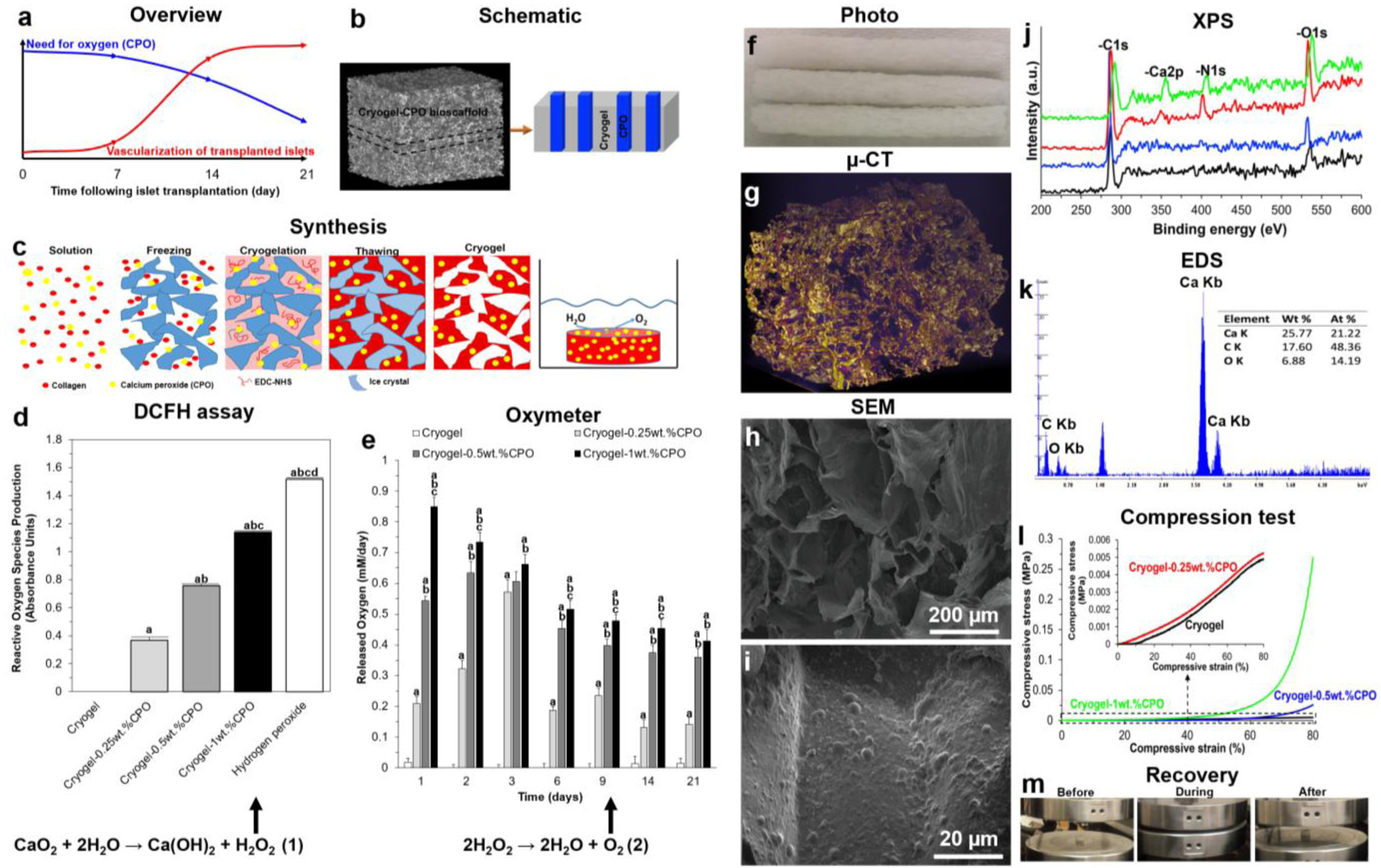
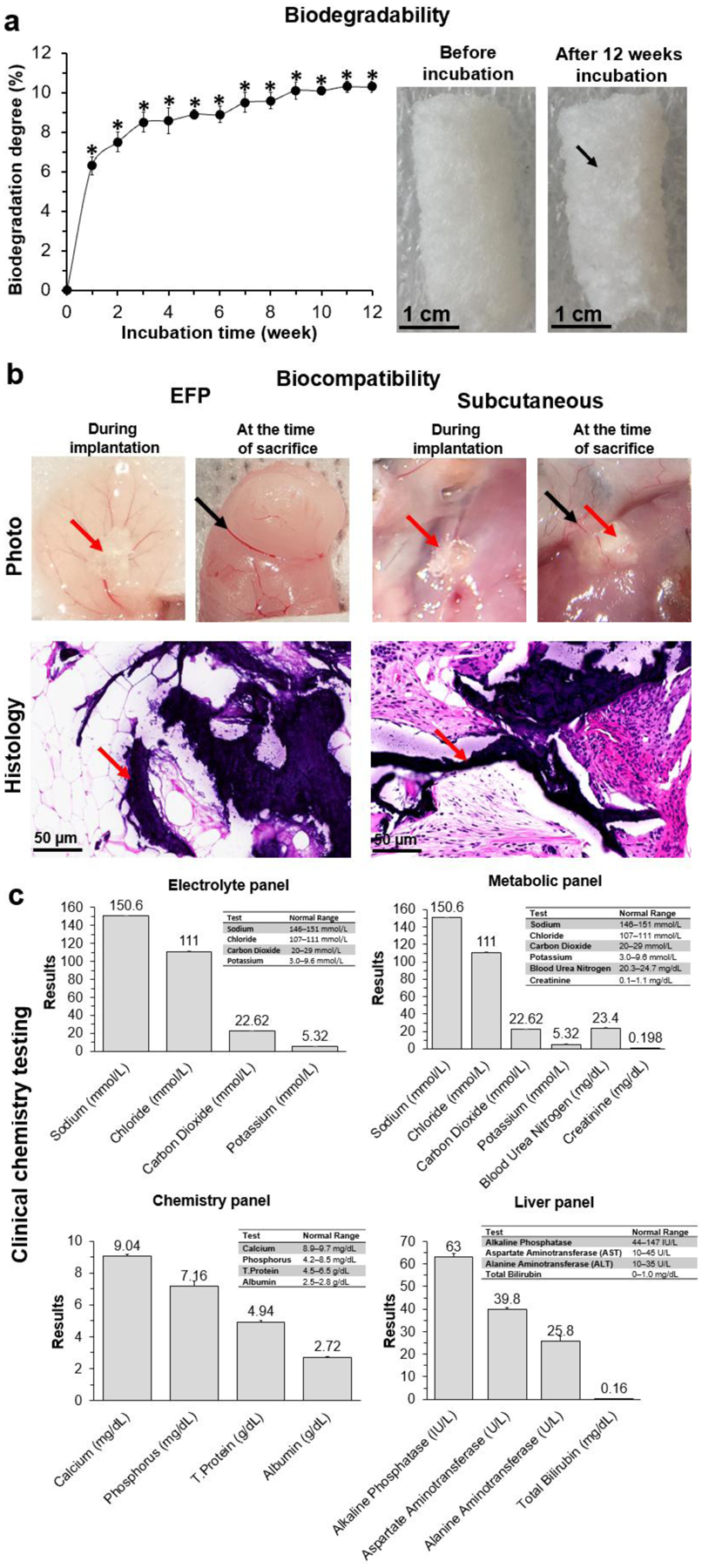
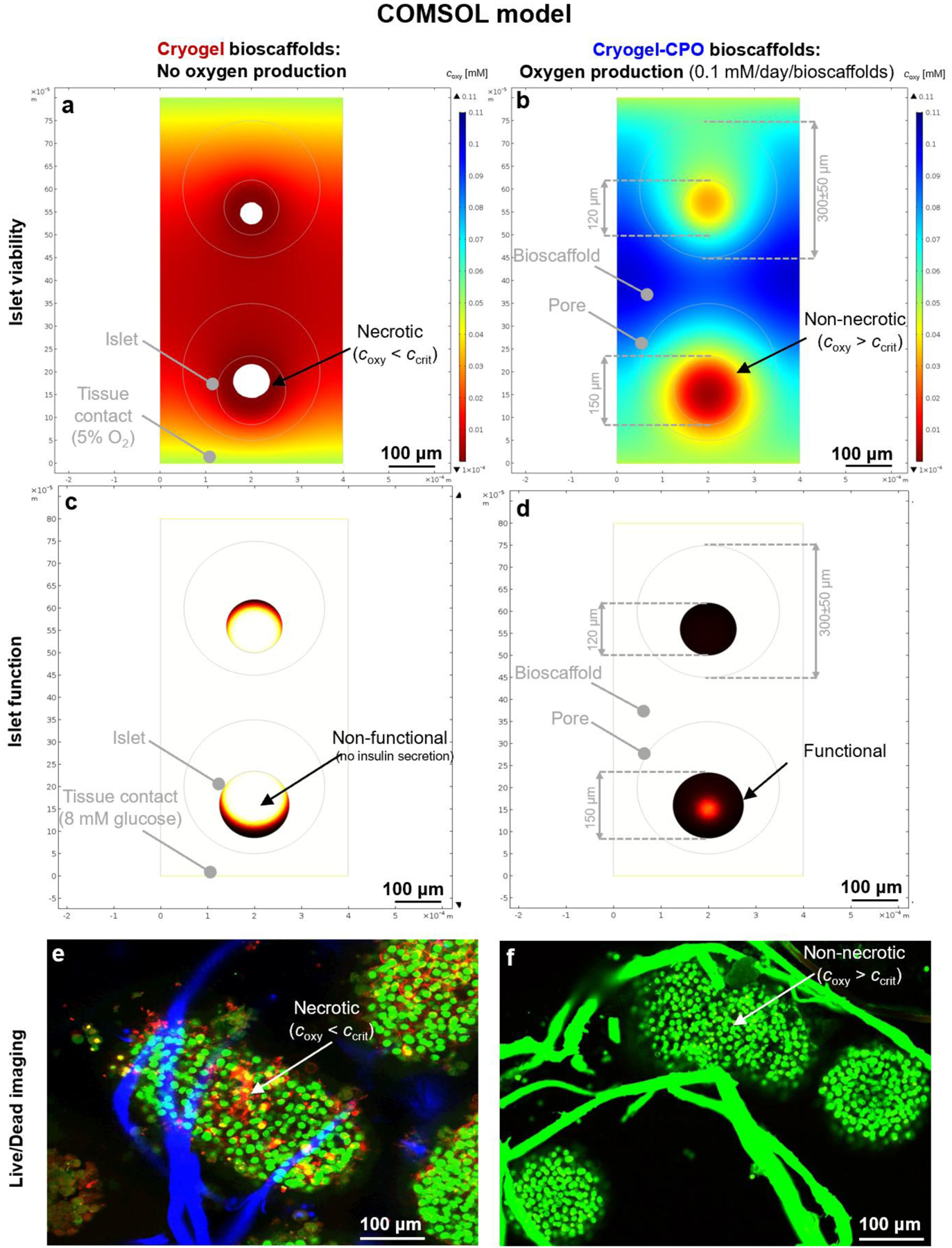
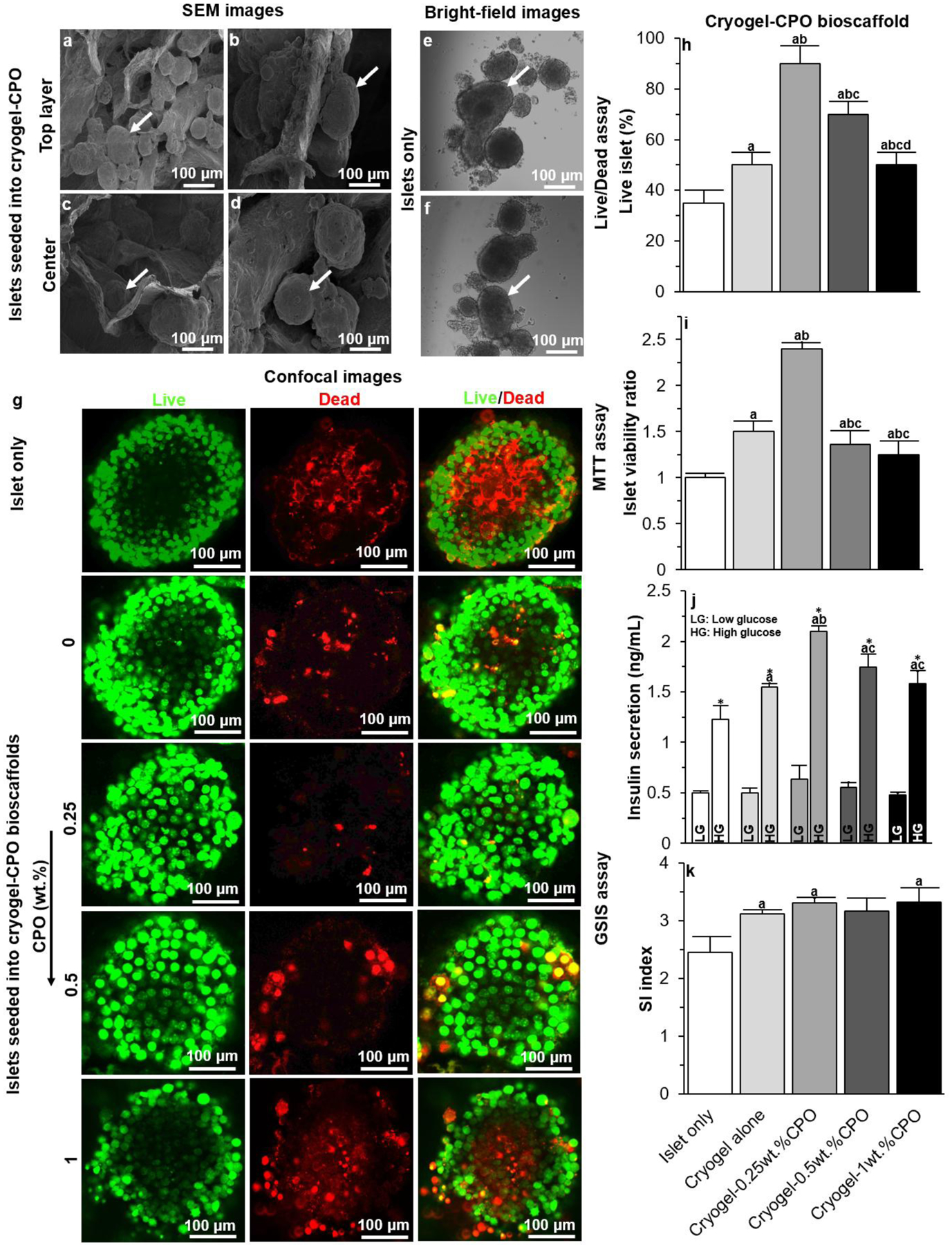
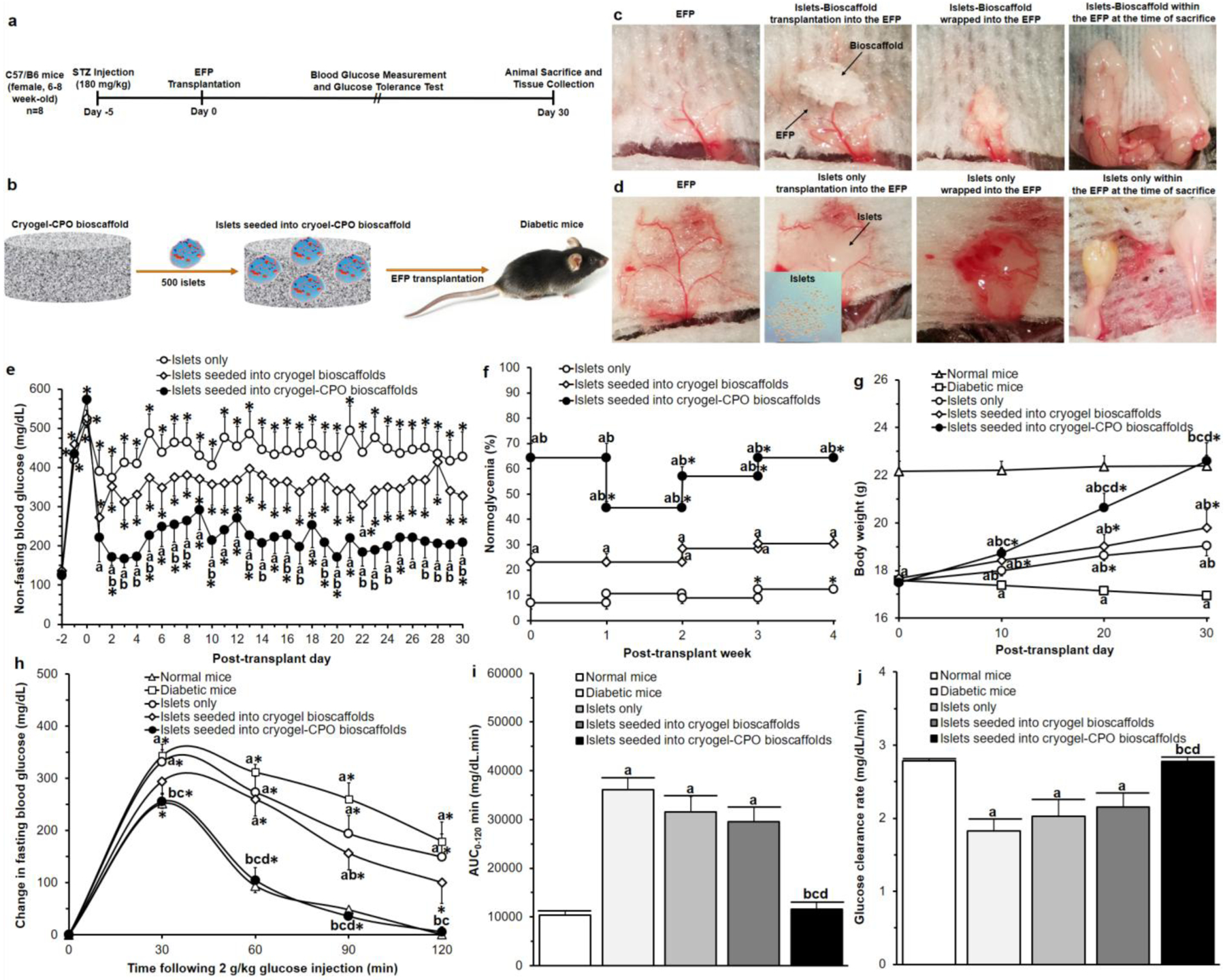
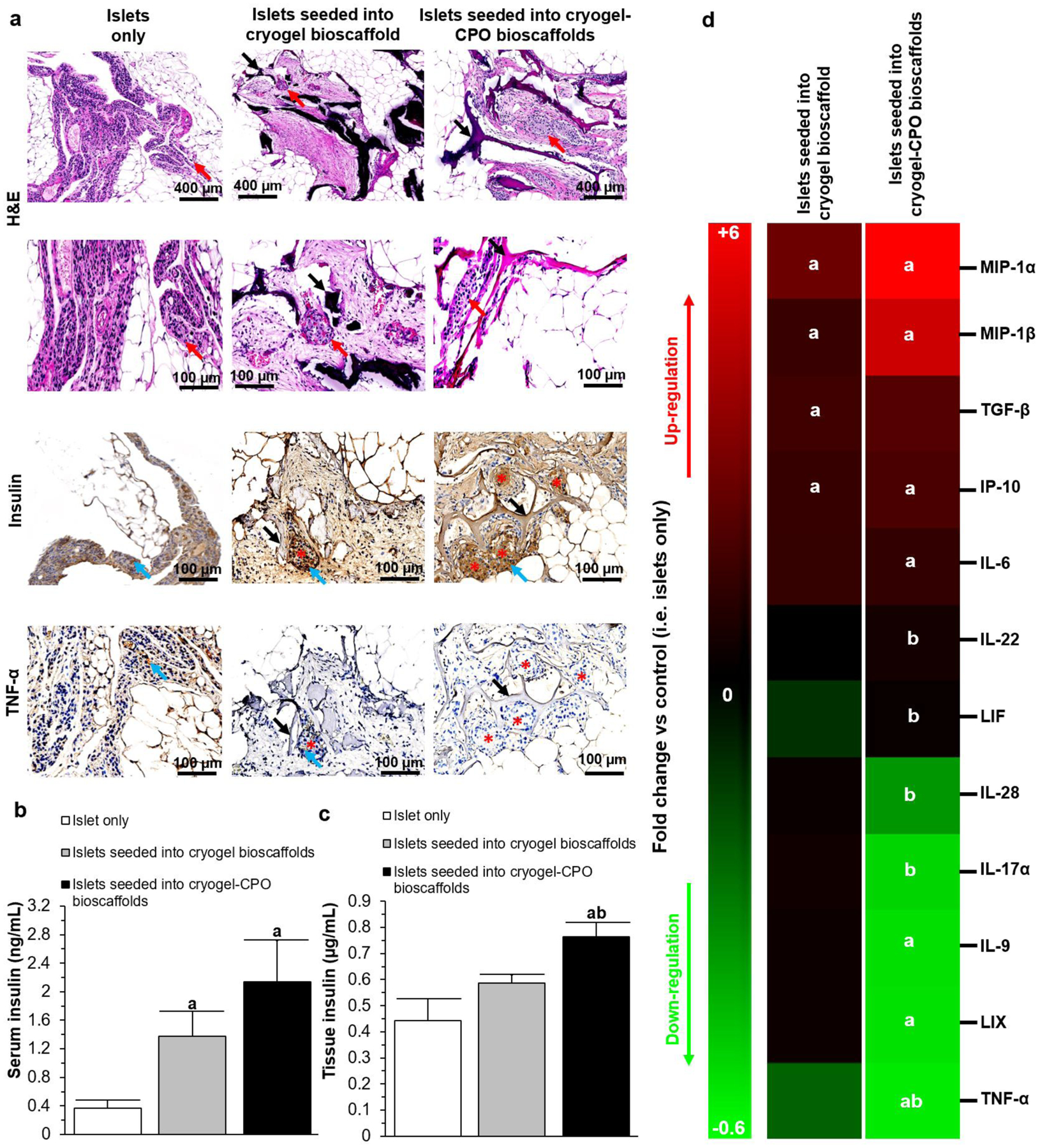
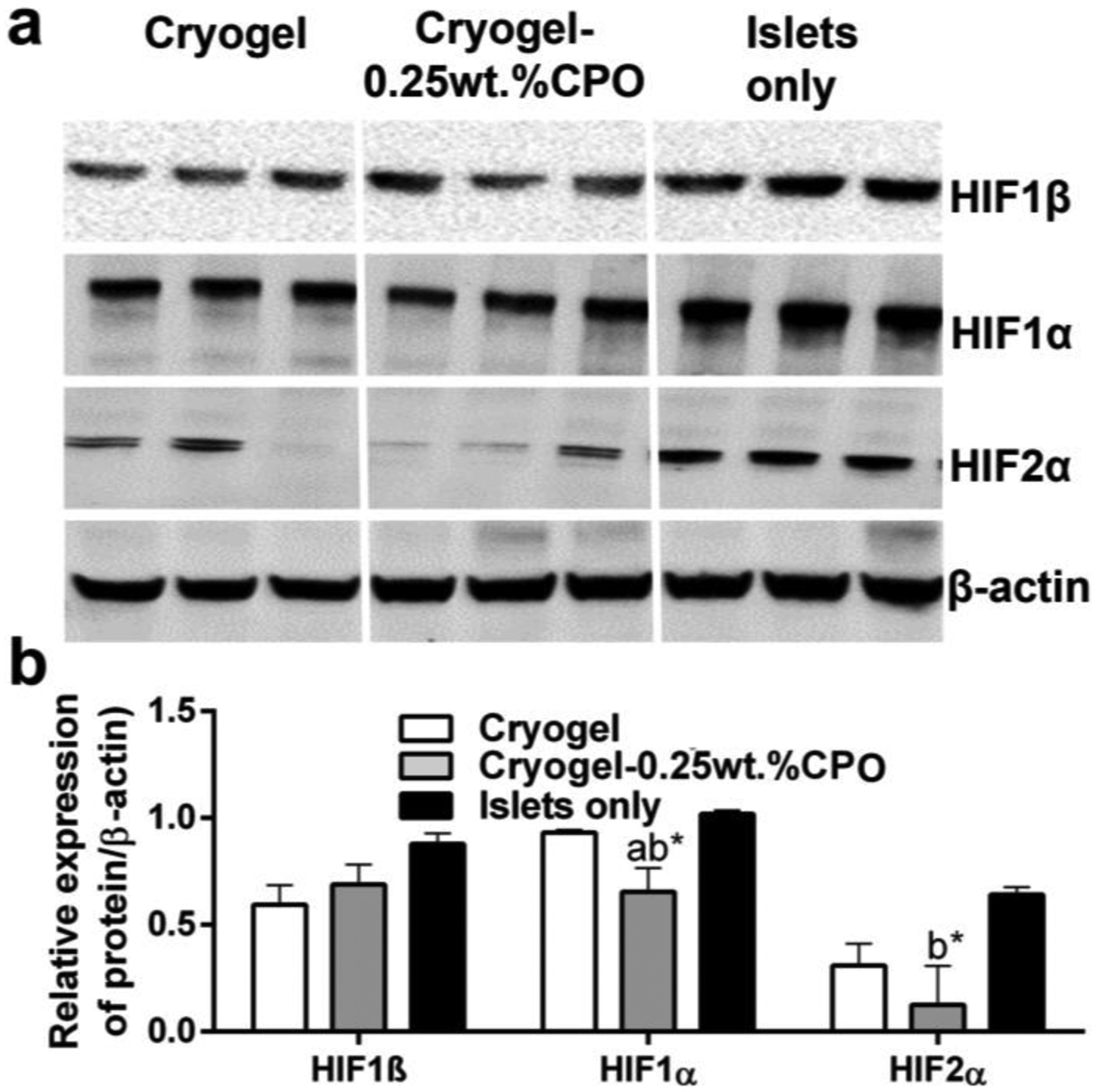
The aim of this work was to develop, characterize and test a novel 3D bioscaffold matrix which can accommodate pancreatic islets and provide them with a continuous, controlled and steady source of oxygen to prevent hypoxia-induced damage following transplantation. Hence, we made a collagen based cryogel bioscaffold which incorporated calcium peroxide (CPO) into its matrix. The optimal concentration of CPO integrated into bioscaffolds was 0.25wt.% and this generated oxygen at 0.21±0.02mM/day (day 1), 0.19±0.01mM/day (day 6), 0.13±0.03mM/day (day 14), and 0.14±0.02mM/day (day 21). Accordingly, islets seeded into cryogel-CPO bioscaffolds had a significantly higher viability and function compared to islets seeded into cryogel alone bioscaffolds or islets cultured alone on traditional cell culture plates; these findings were supported by data from quantitative computational modelling. When syngeneic islets were transplanted into the epididymal fat pad (EFP) of diabetic mice, our cryogel-0.25wt.%CPO bioscaffold improved islet function with diabetic animals re-establishing glycemic control. Mice transplanted with cryogel-0.25wt.%CPO bioscaffolds showed faster responses to intraperitoneal glucose injections and had a higher level of insulin content in their EFP compared to those transplanted with islets alone (P<0.05). Biodegradability studies predicted that our cryogel-CPO bioscaffolds will have long-lasting biostability for approximately 5 years (biodegradation rate: 16.00±0.65%/year). Long term implantation studies (i.e. 6 months) showed that our cryogel-CPO bioscaffold is biocompatible and integrated into the surrounding fat tissue with minimal adverse tissue reaction; this was further supported by no change in blood parameters (i.e. electrolyte, metabolic, chemistry and liver panels). Our novel oxygen-generating bioscaffold (i.e. cryogel-0.25wt.%CPO) therefore provides a biostable and biocompatible 3D microenvironment for islets which can facilitate islet survival and function at extra-hepatic sites of transplantation.
这项工作的目的是开发、表征和测试一种新型的三维生物支架基质,该基质能够容纳胰岛,并为其提供持续、可控且稳定的氧气来源,以防止移植后缺氧诱导的损伤。因此,我们制备了一种基于胶原蛋白的冷冻凝胶生物支架,其基质中掺入了过氧化钙(CPO)。掺入生物支架中的CPO的最佳浓度为0.25wt.%,其产氧量在第1天为0.21±0.02mM/天,第6天为0.19±0.01mM/天,第14天为0.13±0.03mM/天,第21天为0.14±0.02mM/天。相应地,与接种到单纯冷冻凝胶生物支架中的胰岛或在传统细胞培养板上单独培养的胰岛相比,接种到冷冻凝胶-CPO生物支架中的胰岛具有显著更高的活力和功能;这些发现得到了定量计算模型数据的支持。当将同基因胰岛移植到糖尿病小鼠的附睾脂肪垫(EFP)中时,我们的含0.25wt.%CPO的冷冻凝胶生物支架改善了胰岛功能,糖尿病动物重新建立了血糖控制。与仅移植胰岛的小鼠相比,移植含0.25wt.%CPO冷冻凝胶生物支架的小鼠对腹腔内葡萄糖注射的反应更快,其EFP中的胰岛素含量更高(P<0.05)。生物降解性研究预测,我们的冷冻凝胶-CPO生物支架将具有约5年的长期生物稳定性(生物降解率:16.00±0.65%/年)。长期植入研究(即6个月)表明,我们的冷冻凝胶-CPO生物支架具有生物相容性,并以最小的不良组织反应融入周围脂肪组织;血液参数(即电解质、代谢、化学和肝功能指标)无变化进一步支持了这一点。因此,我们新型的产氧生物支架(即含0.25wt.%CPO的冷冻凝胶)为胰岛提供了一个生物稳定且生物相容的三维微环境,可促进胰岛在肝外移植部位的存活和功能。