Department of Medicine, Stanford University School of Medicine, Stanford, CA, United States.
Department of Pathology, Stanford University School of Medicine, Stanford, CA, United States.
Front Immunol. 2020 Sep 25;11:587089. doi: 10.3389/fimmu.2020.587089. eCollection 2020.
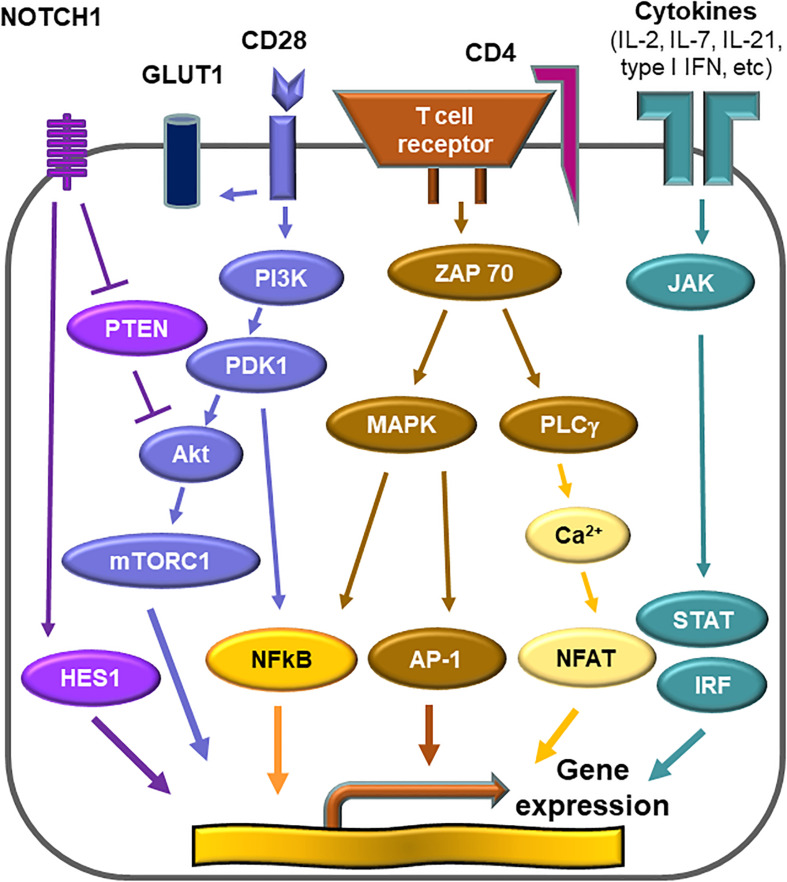
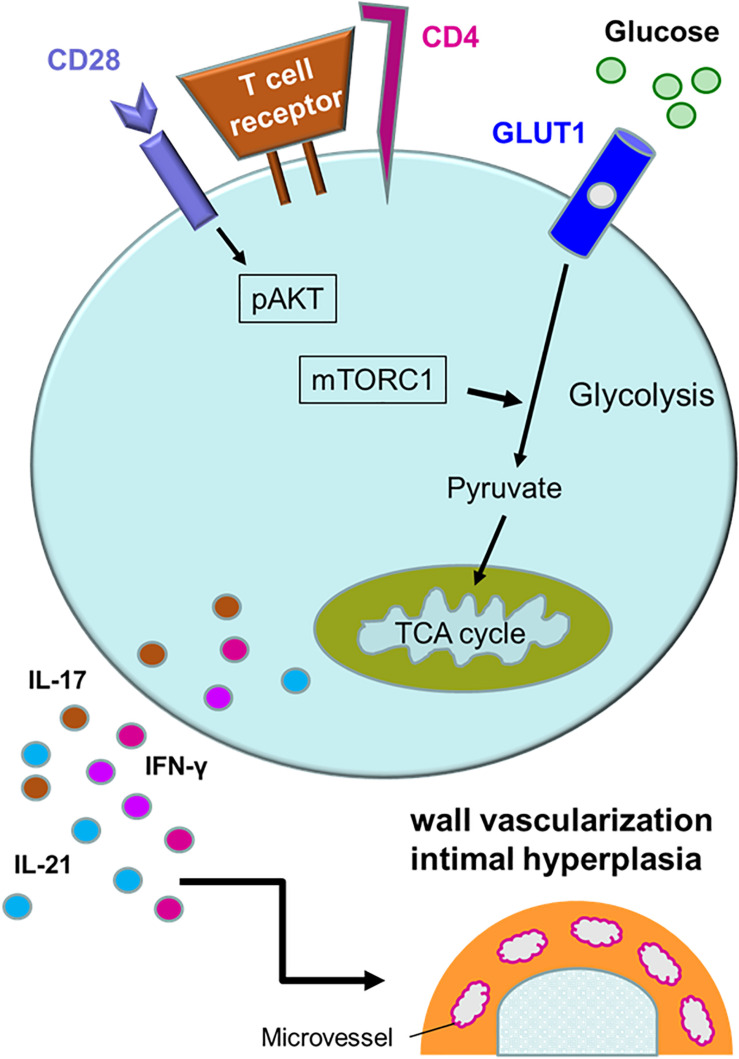
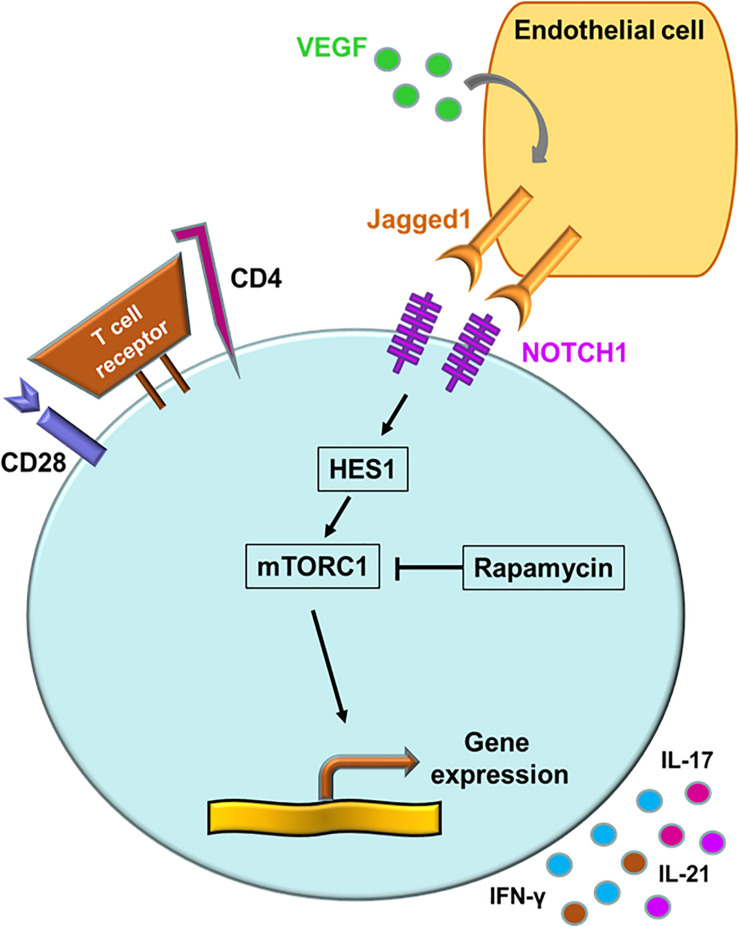
Autoimmune and autoinflammatory diseases of the medium and large arteries, including the aorta, cause life-threatening complications due to vessel wall destruction but also by wall remodeling, such as the formation of wall-penetrating microvessels and lumen-stenosing neointima. The two most frequent large vessel vasculitides, giant cell arteritis (GCA) and Takayasu arteritis (TAK), are HLA-associated diseases, strongly suggestive for a critical role of T cells and antigen recognition in disease pathogenesis. Recent studies have revealed a growing spectrum of effector functions through which T cells participate in the immunopathology of GCA and TAK; causing the disease-specific patterning of pathology and clinical outcome. Core pathogenic features of disease-relevant T cells rely on the interaction with endothelial cells, dendritic cells and macrophages and lead to vessel wall invasion, formation of tissue-damaging granulomatous infiltrates and induction of the name-giving multinucleated giant cells. Besides antigen, pathogenic T cells encounter danger signals in their immediate microenvironment that they translate into disease-relevant effector functions. Decisive signaling pathways, such as the AKT pathway, the NOTCH pathway, and the JAK/STAT pathway modify antigen-induced T cell activation and emerge as promising therapeutic targets to halt disease progression and, eventually, reset the immune system to reestablish the immune privilege of the arterial wall.
大中动脉的自身免疫和自身炎症性疾病,包括主动脉,由于血管壁破坏以及血管壁重塑(如穿透血管壁的微血管形成和管腔狭窄的新生内膜形成)而导致危及生命的并发症。两种最常见的大血管血管炎,巨细胞动脉炎(GCA)和 Takayasu 动脉炎(TAK),与 HLA 相关,强烈提示 T 细胞和抗原识别在疾病发病机制中起关键作用。最近的研究揭示了 T 细胞在 GCA 和 TAK 免疫病理学中参与的越来越多的效应功能;导致疾病特异性病理和临床结果的模式。与疾病相关的 T 细胞的核心致病特征依赖于与内皮细胞、树突状细胞和巨噬细胞的相互作用,导致血管壁浸润、形成组织损伤性肉芽肿浸润和诱导命名的多核巨细胞。除了抗原外,致病性 T 细胞在其局部微环境中还会遇到危险信号,将其转化为与疾病相关的效应功能。决定性的信号通路,如 AKT 通路、NOTCH 通路和 JAK/STAT 通路,改变抗原诱导的 T 细胞激活,并成为有希望的治疗靶点,以阻止疾病进展,并最终重置免疫系统,重新建立动脉壁的免疫特权。