Department of Hematology and Rheumatology, Tohoku University Graduate School of Medicine, Sendai, Japan.
Department of Anatomic Pathology, Tohoku University Graduate School of Medicine, Sendai, Japan.
Nat Commun. 2020 Mar 9;11(1):1253. doi: 10.1038/s41467-020-15088-0.
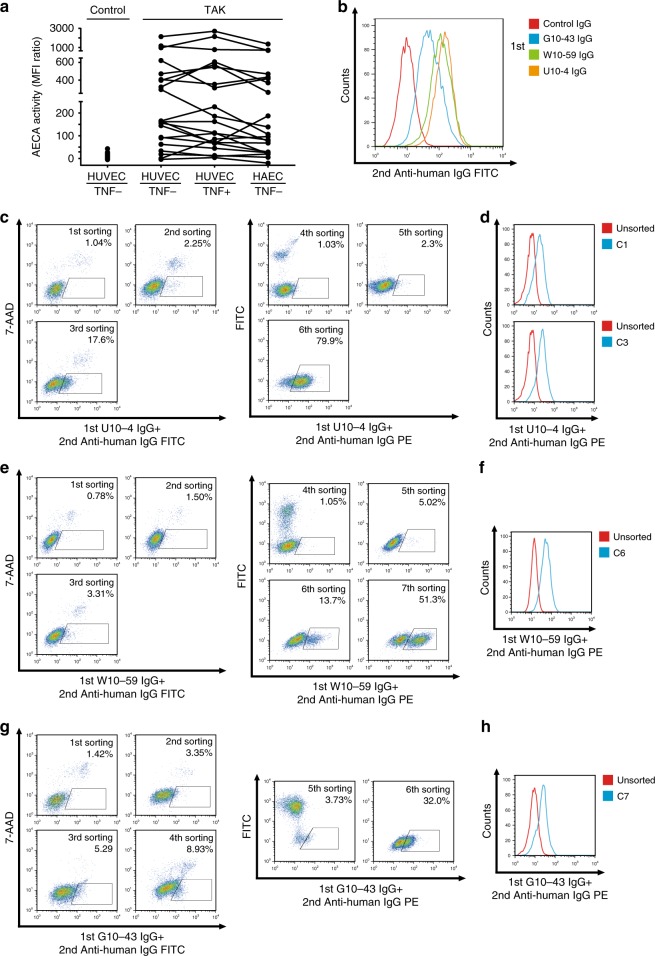
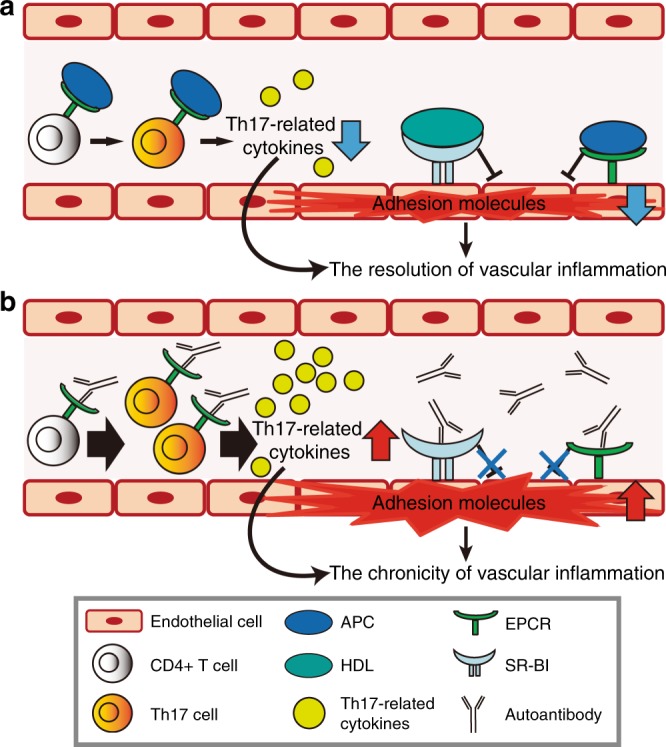
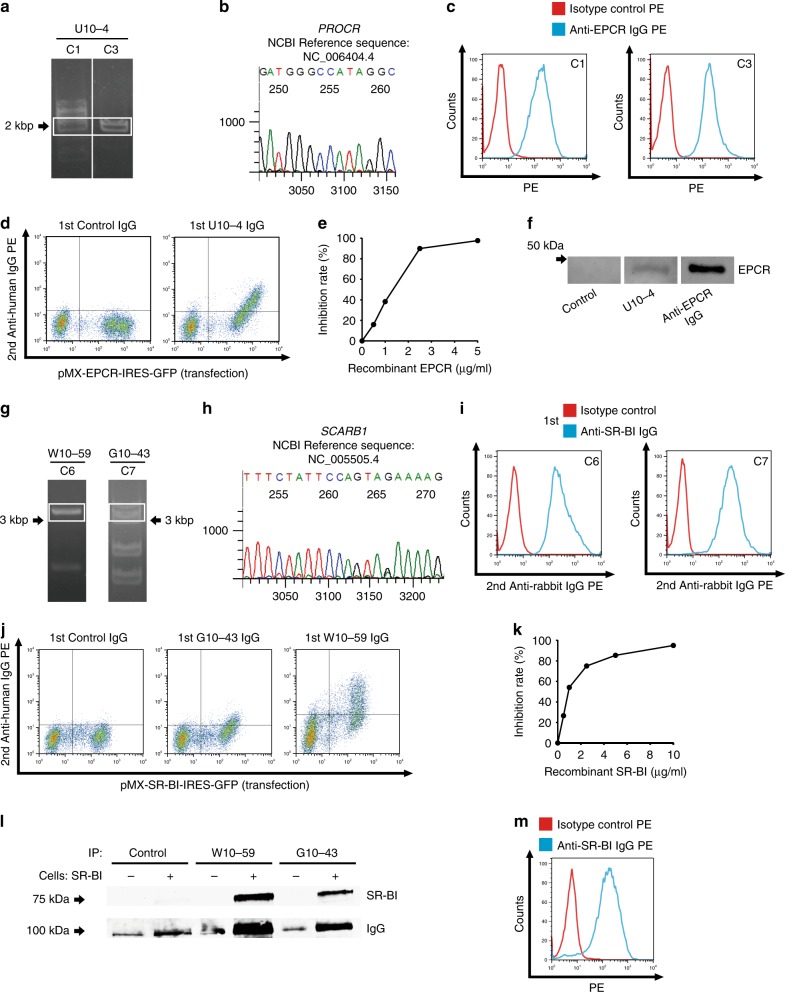
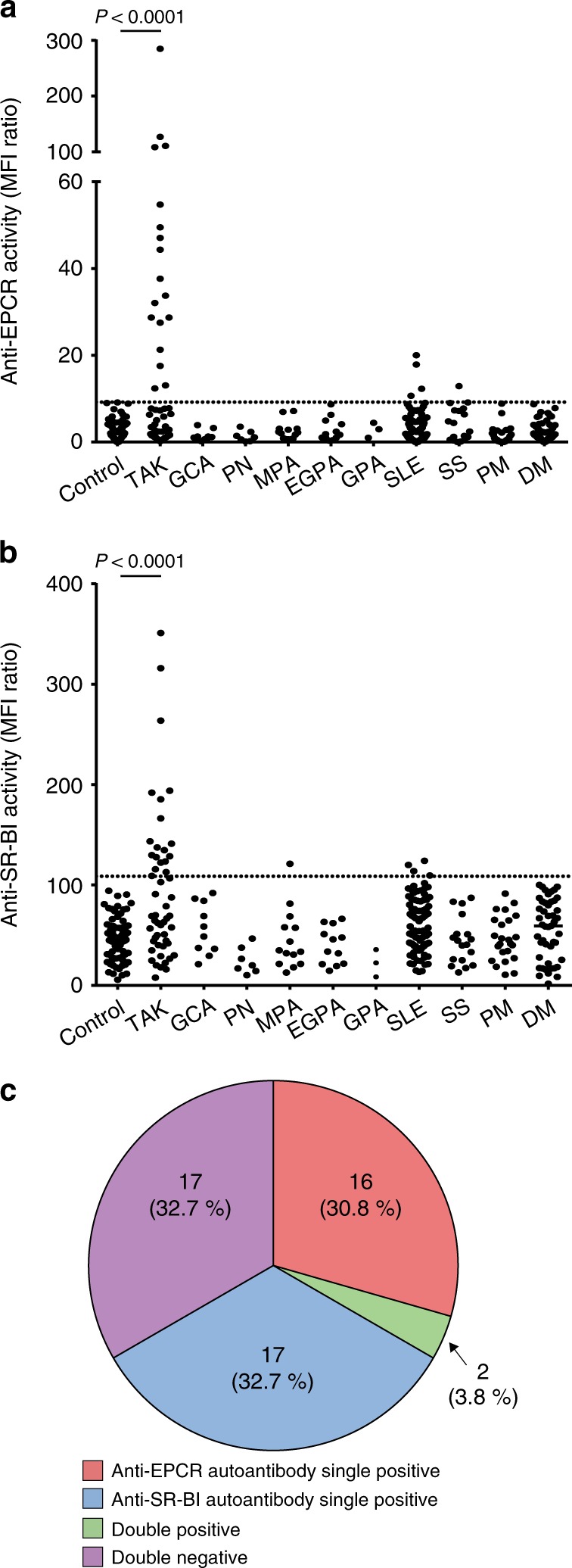
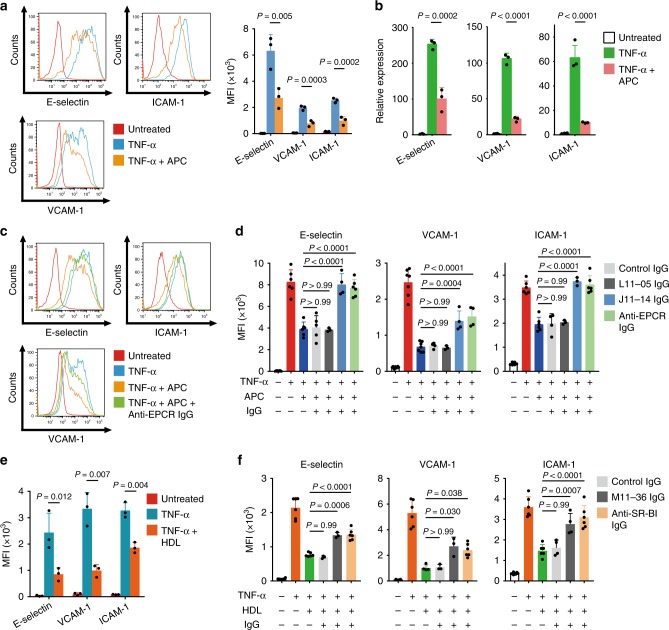
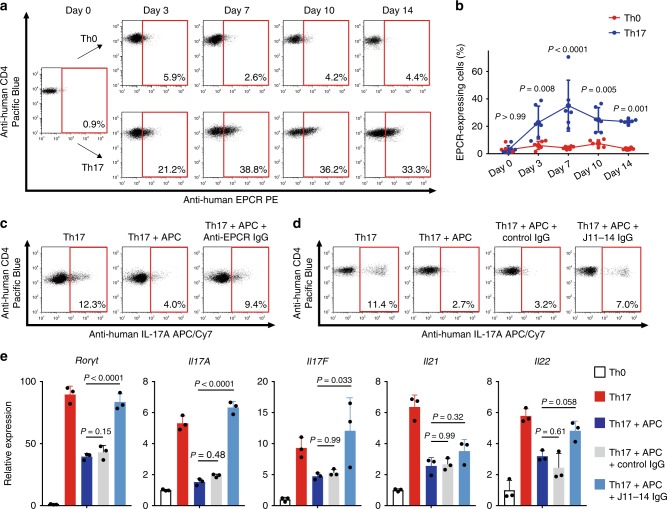
The presence of antiendothelial cell antibodies (AECAs) has been documented in Takayasu arteritis (TAK), a chronic granulomatous vasculitis. Here, we identify cell-surface autoantigens using an expression cloning system. A cDNA library of endothelial cells is retrovirally transfected into a rat myeloma cell line from which AECA-positive clones are sorted with flow cytometry. Four distinct AECA-positive clones are isolated, and endothelial protein C receptor (EPCR) and scavenger receptor class B type 1 (SR-BI) are identified as endothelial autoantigens. Autoantibodies against EPCR and SR-BI are detected in 34.6% and 36.5% of cases, respectively, with minimal overlap (3.8%). Autoantibodies against EPCR are also detected in ulcerative colitis, the frequent comorbidity of TAK. In mechanistic studies, EPCR and SR-BI function as negative regulators of endothelial activation. EPCR has also an effect on human T cells and impair Th17 differentiation. Autoantibodies against EPCR and SR-BI block the functions of their targets, thereby promoting pro-inflammatory phenotype.
抗内皮细胞抗体(AECA)存在于 Takayasu 动脉炎(TAK)中,TAK 是一种慢性肉芽肿性血管炎。在这里,我们使用表达克隆系统来鉴定细胞表面自身抗原。将内皮细胞的 cDNA 文库通过逆转录病毒转染到大鼠骨髓瘤细胞系中,并用流式细胞术对 AECA 阳性克隆进行分选。分离出四个不同的 AECA 阳性克隆,鉴定出内皮蛋白 C 受体(EPCR)和清道夫受体 B 型 1(SR-BI)为内皮自身抗原。分别在 34.6%和 36.5%的病例中检测到针对 EPCR 和 SR-BI 的自身抗体,且交叉很少(3.8%)。溃疡性结肠炎也会检测到针对 EPCR 的自身抗体,溃疡性结肠炎是 TAK 的常见合并症。在机制研究中,EPCR 和 SR-BI 作为内皮细胞激活的负调节剂发挥作用。EPCR 对人类 T 细胞也有影响,并损害 Th17 分化。针对 EPCR 和 SR-BI 的自身抗体阻断了它们的靶标功能,从而促进了促炎表型。