Mathew Philip, Ranjalkar Jaya, Chandy Sujith John
ReAct Asia Pacific, Department of Community Medicine, Pushpagiri Institute of Medical Sciences, Thiruvalla, India.
ReAct Asia Pacific, Pharmacology and Clinical Pharmacology, Christian Medical College, Vellore, India.
Front Public Health. 2020 Sep 18;8:493904. doi: 10.3389/fpubh.2020.493904. eCollection 2020.
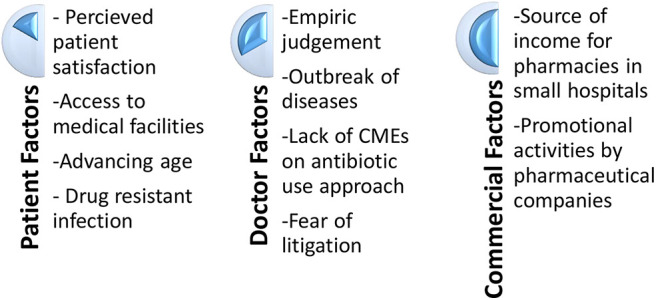
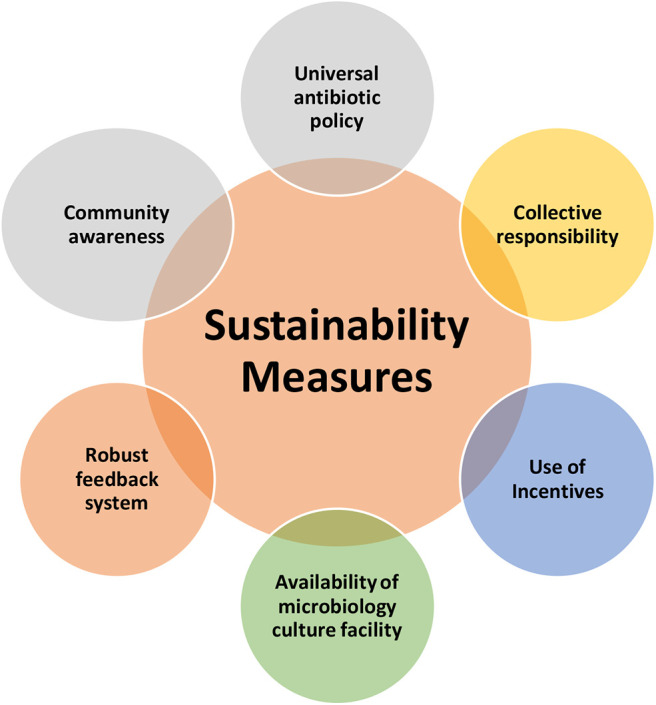
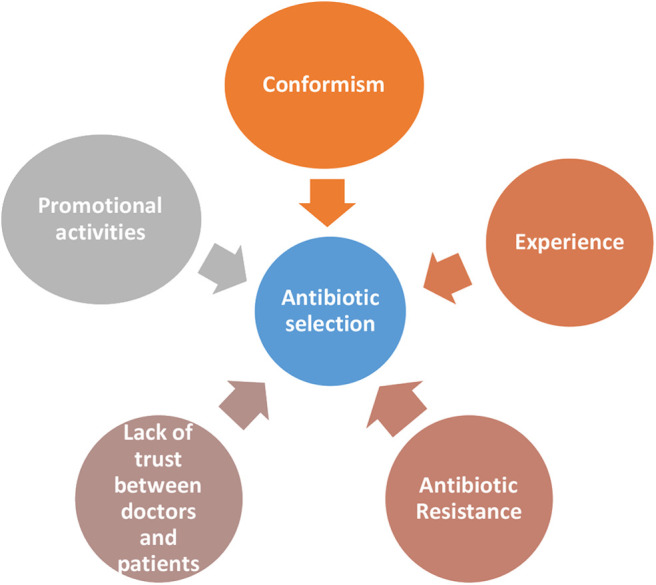
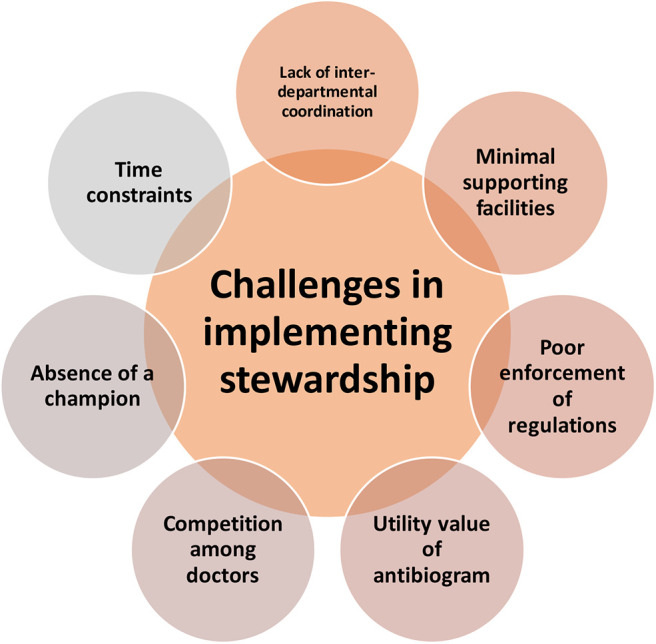
Implementing a sustainable and effective Antimicrobial Stewardship (AMS) programme in secondary level hospitals, in Low-Middle Income Country (LMIC) contexts, has numerous challenges. It is important to understand these challenges so that the stewardship initiatives can be tailored according to the unique requirements thrown up by these healthcare facilities. This study explores the experiences of implementing AMS in secondary level hospitals in the state of Kerala, India. A qualitative study was planned to map the challenges in implementing AMS in the secondary level hospitals. Toward the end of the 1 year followup period, the nodal officers at each hospital were interviewed using a semi-structured interview guide. The in-depth interviews were transcribed and later subjected to content analysis using N-Vivo 11.0, a popular software tool used for qualitative analysis. Many physicians cite perceived patient satisfaction as one of the reasons for increased antibiotic use, as many patients consider antibiotics as standard of care. Also, the distance traveled by the patient and advancing age are factors which increase antibiotic use. The physician factors which determine use include empiric treatment needs, outbreak of diseases, absence of education programmes in antibiotic usage to fill in the knowledge gap and fear of litigation. The promotional activities by companies and antibiotics being a major source of income for small hospitals, affects use patterns. The factors which determine antibiotic selection includes conformism, experience of the physician, perceived resistance to certain antibiotics, emergence of specific diseases, and promotional activities related to antimicrobial agents. The challenges in implementing a sustainable stewardship programme is multifactorial. It includes competition between doctors, time constraints faced by physicians, absence of a champion, sub-optimal interdepartmental cooperation, absence of supporting facilities, dysfunctional regulatory systems, and unreliability of antibiograms. AMS in resource-limited setting is going to be a challenge, especially in terms of financing, access to technologies and capacity building. Political and regulatory willpower of international partnerships should be effectively harnessed for designing solutions for LMIC contexts. Also, models for stewardship from elsewhere should undergo an adaptation process before implementation in low resource settings.
在低收入和中等收入国家(LMIC)的二级医院实施可持续且有效的抗菌药物管理(AMS)计划面临诸多挑战。了解这些挑战很重要,以便根据这些医疗机构提出的独特要求调整管理举措。本研究探讨了在印度喀拉拉邦的二级医院实施AMS的经验。计划开展一项定性研究,以梳理二级医院实施AMS时面临的挑战。在1年随访期结束时,使用半结构化访谈指南对每家医院的协调员进行了访谈。深入访谈内容被转录,随后使用定性分析常用软件工具N-Vivo 11.0进行内容分析。许多医生将患者满意度视为抗生素使用增加的原因之一,因为许多患者将抗生素视为标准治疗手段。此外,患者的就诊距离和年龄增长也是增加抗生素使用的因素。决定抗生素使用的医生因素包括经验性治疗需求、疾病暴发、缺乏抗生素使用教育项目以填补知识空白以及对诉讼的担忧。公司的促销活动以及抗生素是小型医院的主要收入来源,影响了使用模式。决定抗生素选择的因素包括从众心理、医生的经验、对某些抗生素的耐药认知、特定疾病的出现以及与抗菌药物相关的促销活动。实施可持续管理计划面临的挑战是多方面的。包括医生之间的竞争、医生面临的时间限制、缺乏倡导者、部门间合作欠佳、缺乏支持设施、监管系统失灵以及药敏试验结果不可靠。在资源有限的环境中实施AMS将是一项挑战,尤其是在融资、技术获取和能力建设方面。应有效利用国际伙伴关系的政治和监管意志力,为低收入和中等收入国家的情况设计解决方案。此外,其他地方的管理模式在低资源环境中实施前应进行调整。