Steinman Noam Y, Bentolila Noam Y, Domb Abraham J
The Alex Grass Center for Drug Design and Synthesis and Center for Cannabis Research and the Institute of Drug Research, School of Pharmacy-Faculty of Medicine, The Hebrew University of Jerusalem, Jerusalem 91120, Israel.
Polymers (Basel). 2020 Oct 15;12(10):2372. doi: 10.3390/polym12102372.
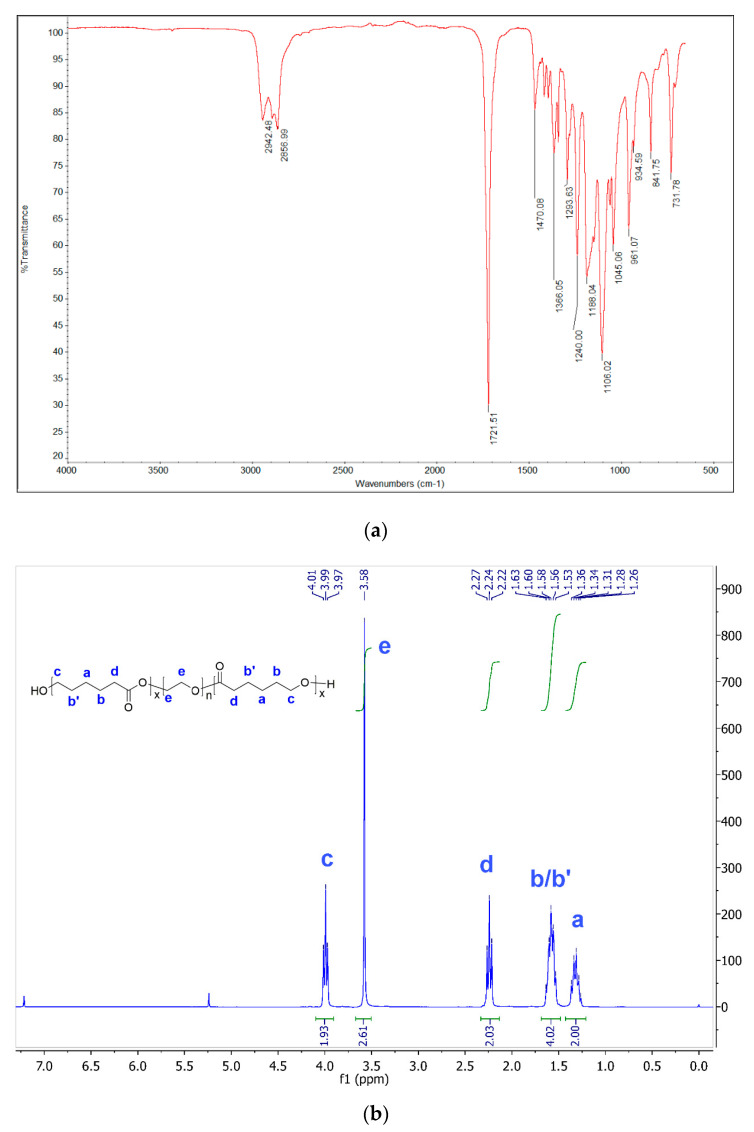
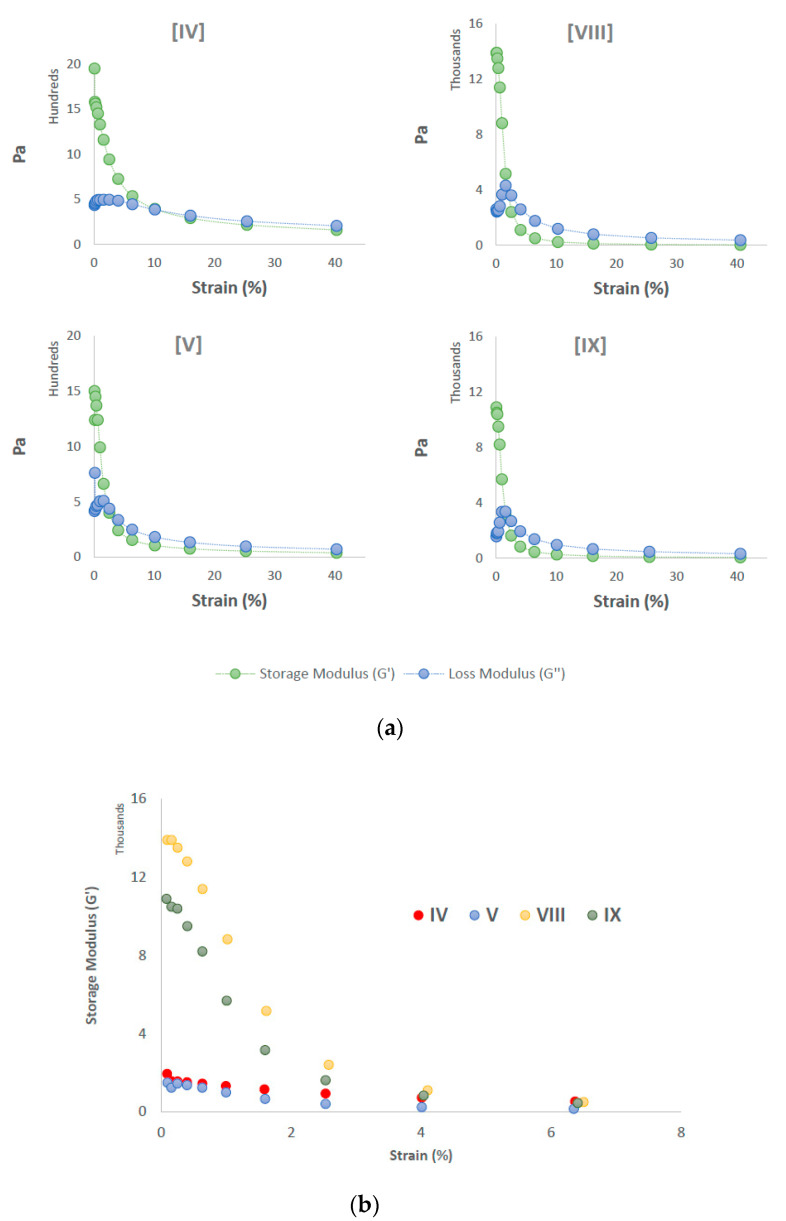
Hydrogels based on poly(caprolactone)--poly(ethylene glycol)--poly(caprolactone) (PCL-PEG-PCL) have been evaluated extensively as potential injectable fillers or depots for controlled release of drugs. Common drawbacks of these copolymer systems include instability of aqueous solutions and low mechanical strength of gels, issues which are commonly overcome by adding pendant groups to the end of the copolymer chains. Here, a systematic study of the effects of increasing polymer molecular weight (MW) is presented, utilizing PEG blocks of MW 2, 4 or 8 kDa. Triblock copolymers were prepared by the ring-opening polymerization of Ɛ-caprolactone by PEG. Copolymers prepared with PEG MW 2 kDa did not form hydrogels at any copolymer molecular weight. Copolymers prepared with PEG MW 4 kDa formed gels at MW between 11 and 13.5 kDa, and copolymers prepared with PEG MW 8 kDa formed gels at MW between 16 and 18 kDa. Copolymers with PEG block 8 kDa formed hydrogels with high viscosity (17,000 Pa·s) and mechanical strength (G' = 14,000 Pa). The increased gel strength afforded by increased molecular weight represents a simple modification of the reactants used in the reaction feed without added synthetic or purification steps. Shear-thinning of PCL-PEG-PCL triblock copolymer hydrogels allowed for injection through a standard 23G syringe, allowing for potential use as dermal fillers or drug delivery depots.
基于聚己内酯-聚乙二醇-聚己内酯(PCL-PEG-PCL)的水凝胶作为潜在的可注射填充剂或药物控释储库已得到广泛评估。这些共聚物体系的常见缺点包括水溶液的不稳定性和凝胶的低机械强度,这些问题通常通过在共聚物链末端添加侧基来克服。在此,利用分子量为2 kDa、4 kDa或8 kDa的聚乙二醇嵌段,对增加聚合物分子量(MW)的影响进行了系统研究。通过聚乙二醇引发ε-己内酯的开环聚合制备了三嵌段共聚物。用2 kDa聚乙二醇制备的共聚物在任何共聚物分子量下都不会形成水凝胶。用4 kDa聚乙二醇制备的共聚物在分子量为11至13.5 kDa时形成凝胶,用8 kDa聚乙二醇制备的共聚物在分子量为16至18 kDa时形成凝胶。具有8 kDa聚乙二醇嵌段的共聚物形成了具有高粘度(17,000 Pa·s)和机械强度(G' = 14,000 Pa)的水凝胶。分子量增加所带来的凝胶强度增加代表了对反应进料中使用的反应物的简单改性,无需额外的合成或纯化步骤。PCL-PEG-PCL三嵌段共聚物水凝胶的剪切变稀特性使其能够通过标准23G注射器进行注射,从而有可能用作皮肤填充剂或药物递送储库。