OncoRay-National Center for Radiation Research in Oncology, Faculty of Medicine and University Hospital Carl Gustav Carus, Technische Universität Dresden, Dresden, Germany.
Helmholtz-Zentrum Dresden-Rossendorf, Institute of Radiooncology-OncoRay, Dresden, Germany.
Cell Death Dis. 2020 Oct 21;11(10):887. doi: 10.1038/s41419-020-03100-w.
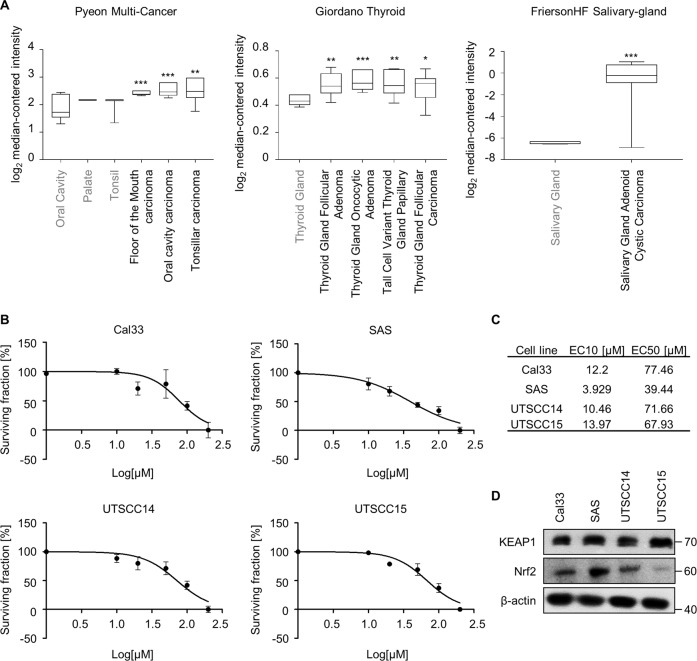
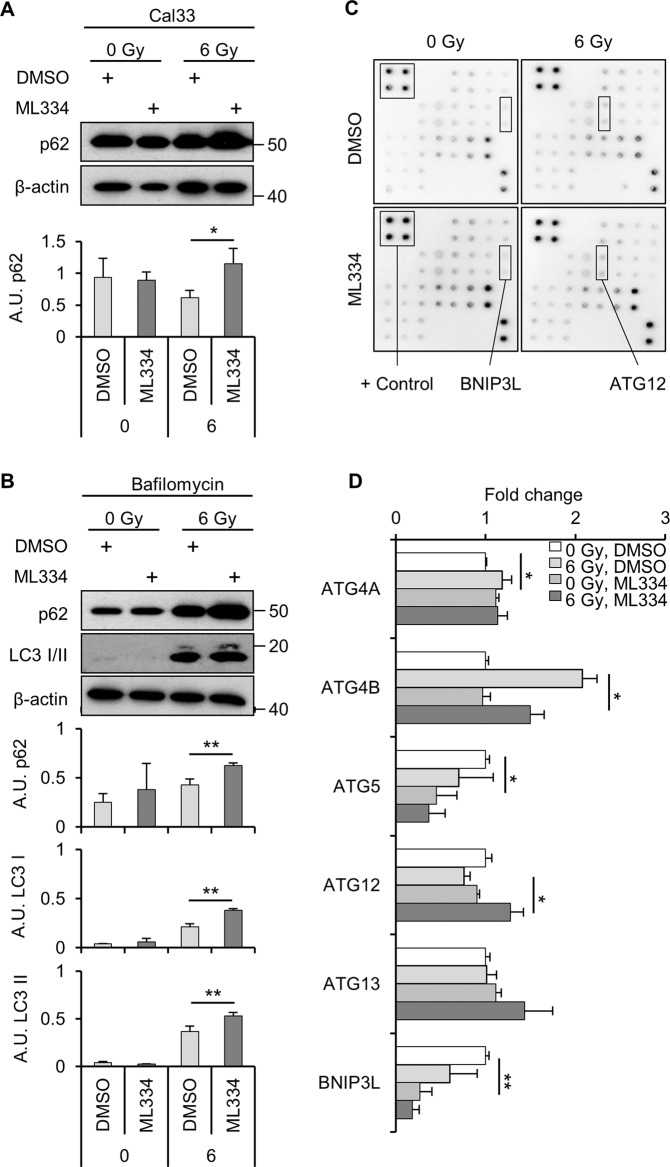
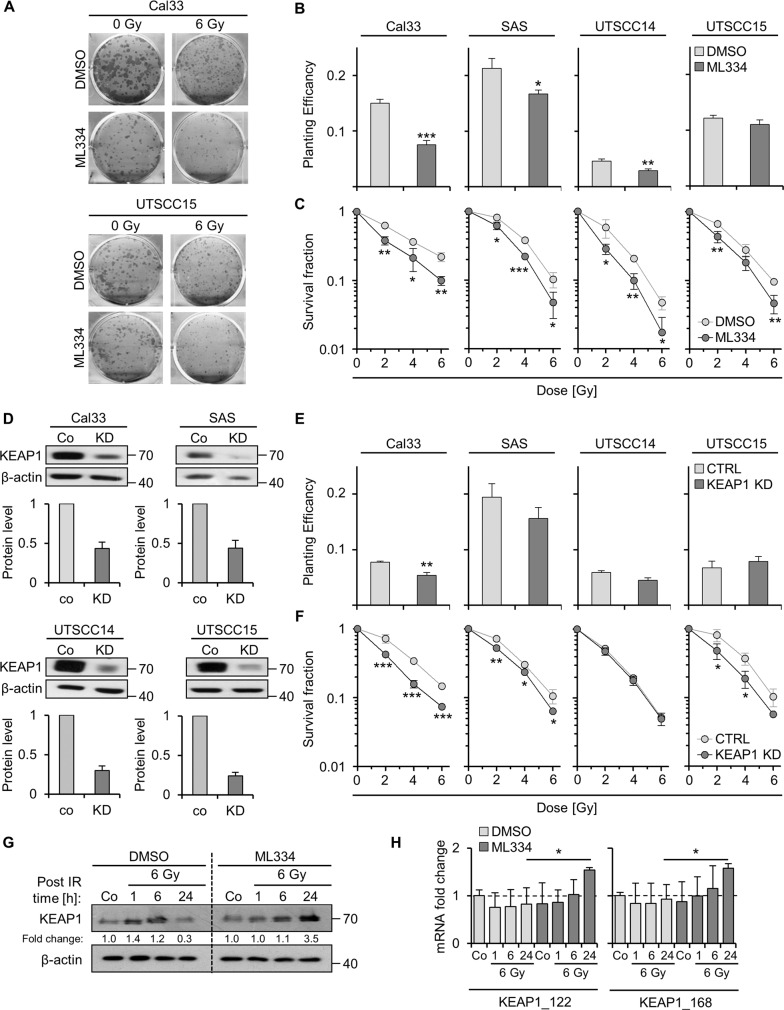
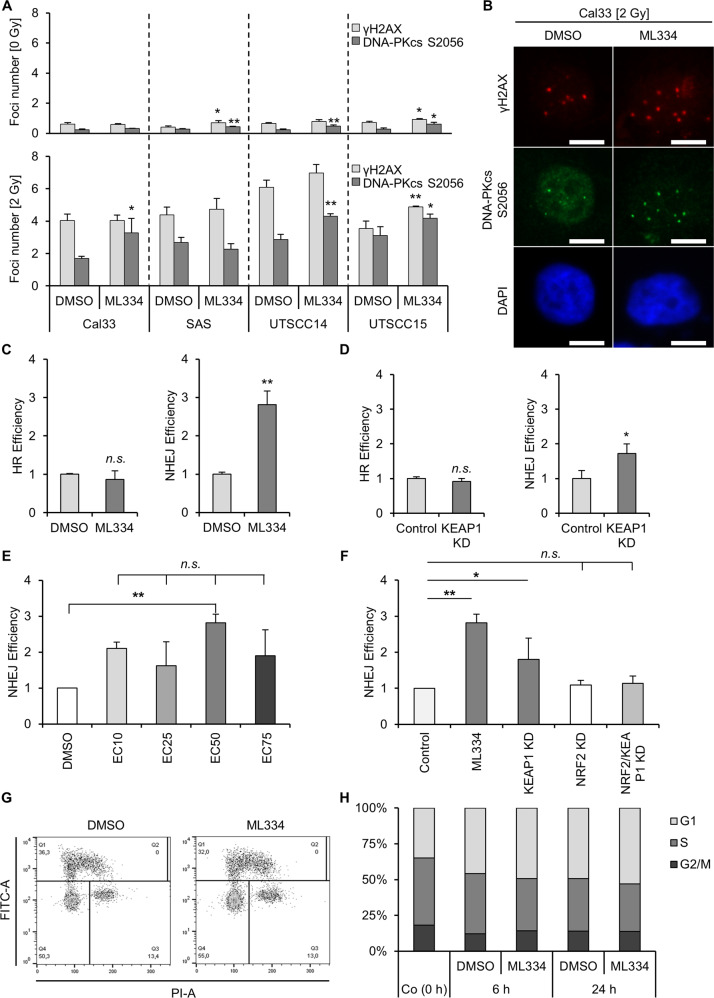
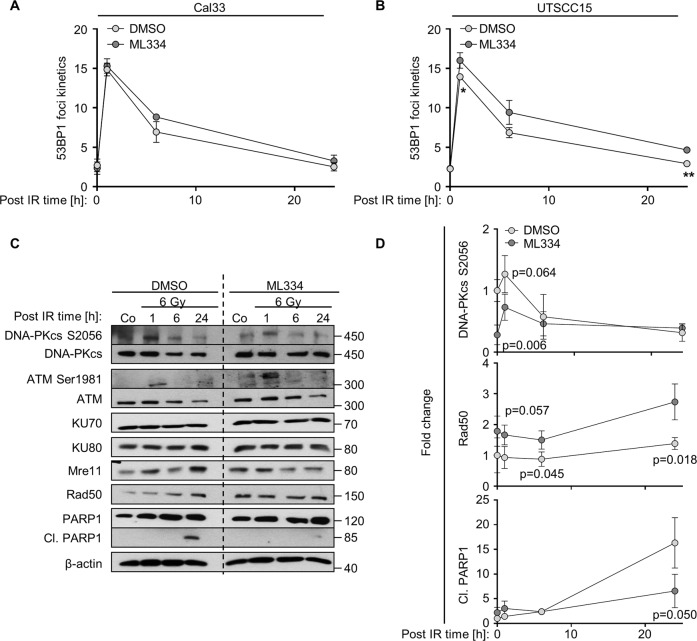
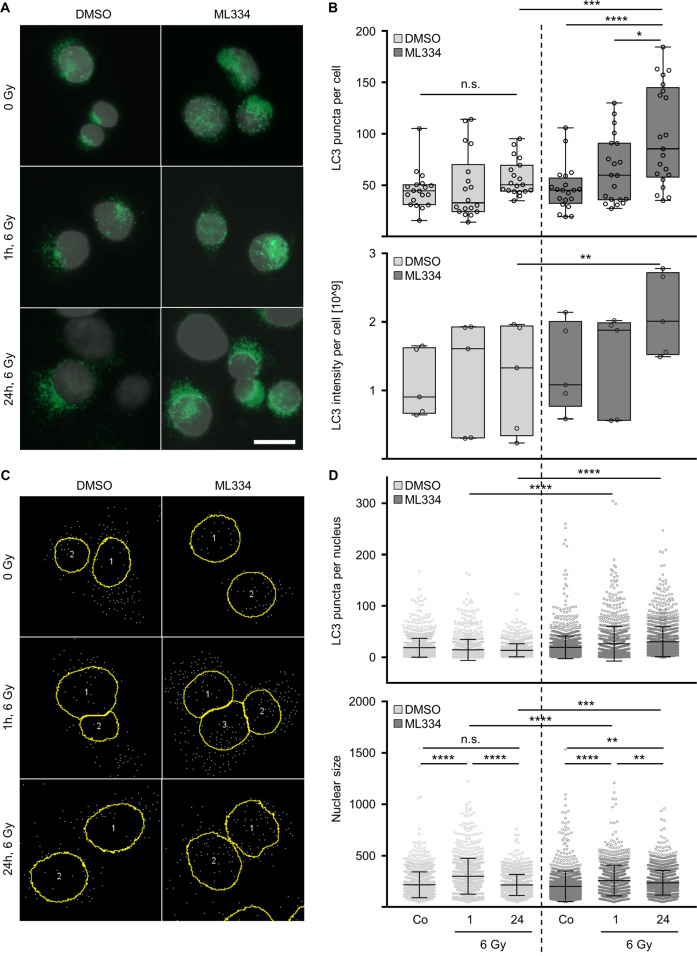
The function of Keap1 (Kelch-like ECH-associated protein 1), a sensor of oxidative and electrophilic stress, in the radiosensitivity of cancer cells remains elusive. Here, we investigated the effects of pharmacological inhibition of Keap1 with ML344 on radiosensitivity, DNA double-strand break (DSB) repair and autophagy in head and neck squamous cell carcinoma (HNSCC) cell lines. Our data demonstrate that Keap1 inhibition enhances HNSCC cell radiosensitivity. Despite elevated, Nrf2-dependent activity of non-homologous end joining (NHEJ)-related DNA repair, Keap1 inhibition seems to impair DSB repair through delayed phosphorylation of DNA-PKcs. Moreover, Keap1 inhibition elicited autophagy and increased p62 levels when combined with X-ray irradiation. Our findings suggest HNSCC cell radiosensitivity, NHEJ-mediated DSB repair, and autophagy to be co-regulated by Keap1.
KEAP1(Kelch 样 ECH 相关蛋白 1)作为氧化和亲电应激的传感器,其在癌细胞放射敏感性中的功能仍不清楚。在这里,我们研究了用 ML344 抑制 KEAP1 对头颈部鳞状细胞癌(HNSCC)细胞系放射敏感性、DNA 双链断裂(DSB)修复和自噬的影响。我们的数据表明,KEAP1 抑制增强了 HNSCC 细胞的放射敏感性。尽管非同源末端连接(NHEJ)相关 DNA 修复的 Nrf2 依赖性活性升高,但 KEAP1 抑制似乎通过延迟 DNA-PKcs 的磷酸化来损害 DSB 修复。此外,KEAP1 抑制在与 X 射线照射联合使用时会引发自噬并增加 p62 水平。我们的研究结果表明,HNSCC 细胞的放射敏感性、NHEJ 介导的 DSB 修复和自噬受到 KEAP1 的共同调节。