Department of Nursing, Presbyterian University College, Abetifi-Kwahu, Ghana.
School of Health Sciences, The University of Nottingham, Nottingham, United Kingdom.
PLoS One. 2020 Oct 22;15(10):e0240938. doi: 10.1371/journal.pone.0240938. eCollection 2020.
Effective control of type 2 diabetes is predicated upon the ability of a person with diabetes to adhere to self-management activities. In order to develop and implement services that are locally relevant and culturally acceptable, it is critical to understand people's experiences of living with the disease. We synthesized qualitative research evidence describing the views and experiences of persons with type 2 diabetes in Africa regarding diabetes self-management.
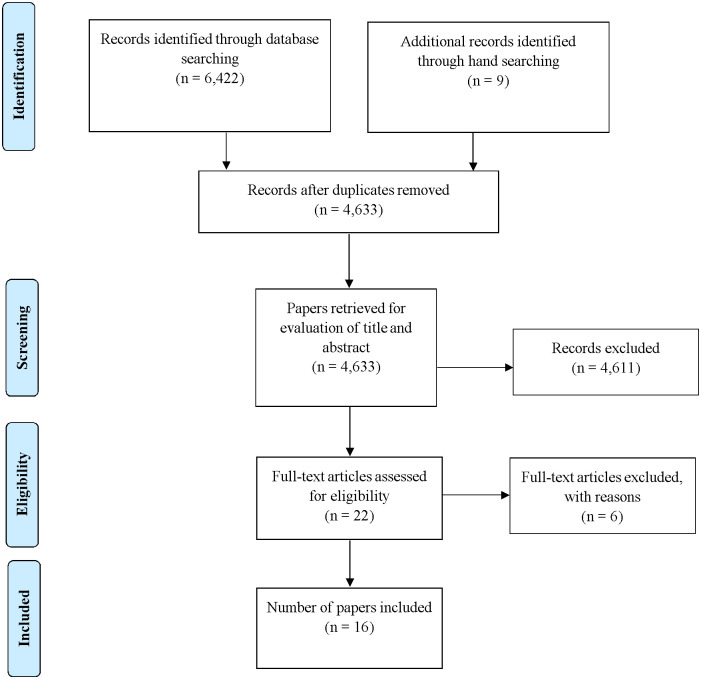
Five data bases (MEDLINE, EMBASE, PsychINFO, SCOPUS and CINAHL) were searched for qualitative studies published between the year 2000 and December 2019. After study selection, the included papers were critically appraised using an established tool. The data were extracted, and findings were coded and analysed to identify descriptive and analytical themes using a thematic synthesis approach. This review was registered in the international prospective register of systematic reviews (PROSPERO) with registration number CRD42018102255.
Sixteen studies were included in this review, representing a total of 426 participants across seven countries. Synthesis of findings produced six analytical themes. The diagnosis of diabetes triggered a range of emotions and revealed culturally specific understandings of the condition that negatively affected self-management practices. People with diabetes seeking health care at hospitals encountered several challenges including long waiting times and costly diabetes treatment. Family support and a state of acceptance of the condition were identified as facilitators to diabetes self-management.
Effective self-management of type 2 diabetes is a challenge for most persons with diabetes in Africa. There is an urgent need for culturally appropriate education strategies and restructuring of the health system to facilitate self-management of diabetes.
2 型糖尿病的有效控制取决于糖尿病患者能够坚持自我管理活动。为了开发和实施具有地方相关性和文化可接受性的服务,了解人们患糖尿病的体验至关重要。我们综合了定性研究证据,描述了非洲 2 型糖尿病患者在自我管理糖尿病方面的观点和体验。
在 2000 年至 2019 年 12 月期间,我们在五个数据库(MEDLINE、EMBASE、PsychINFO、SCOPUS 和 CINAHL)中搜索了发表的定性研究。在研究选择后,使用既定工具对纳入的论文进行了批判性评价。提取数据,对发现进行编码和分析,使用主题综合方法识别描述性和分析性主题。本综述在国际前瞻性系统评价注册中心(PROSPERO)进行了注册,注册号为 CRD42018102255。
本综述共纳入 16 项研究,共计 7 个国家的 426 名参与者。综合研究结果产生了 6 个分析主题。糖尿病的诊断引发了一系列情绪,并揭示了对该疾病的特定于文化的理解,这些理解对自我管理实践产生了负面影响。在医院寻求医疗保健的糖尿病患者遇到了一些挑战,包括长时间的等待时间和昂贵的糖尿病治疗费用。家庭支持和对疾病的接受状态被确定为促进糖尿病自我管理的因素。
在非洲,大多数 2 型糖尿病患者很难有效管理糖尿病。迫切需要制定文化上适当的教育策略和重构卫生系统,以促进糖尿病的自我管理。