Institut de Biologia Evolutiva (UPF-CSIC), Universitat Pompeu Fabra, Dr. Aiguader, 88 08003, Barcelona, Catalonia, Spain.
Estonian Biocentre, Institute of Genomics, University of Tartu, 51010, Tartu, Estonia.
BMC Genet. 2020 Oct 22;21(Suppl 1):108. doi: 10.1186/s12863-020-00908-5.
In the process of adaptation of humans to their environment, positive or adaptive selection has played a main role. Positive selection has, however, been under-studied in African populations, despite their diversity and importance for understanding human history.
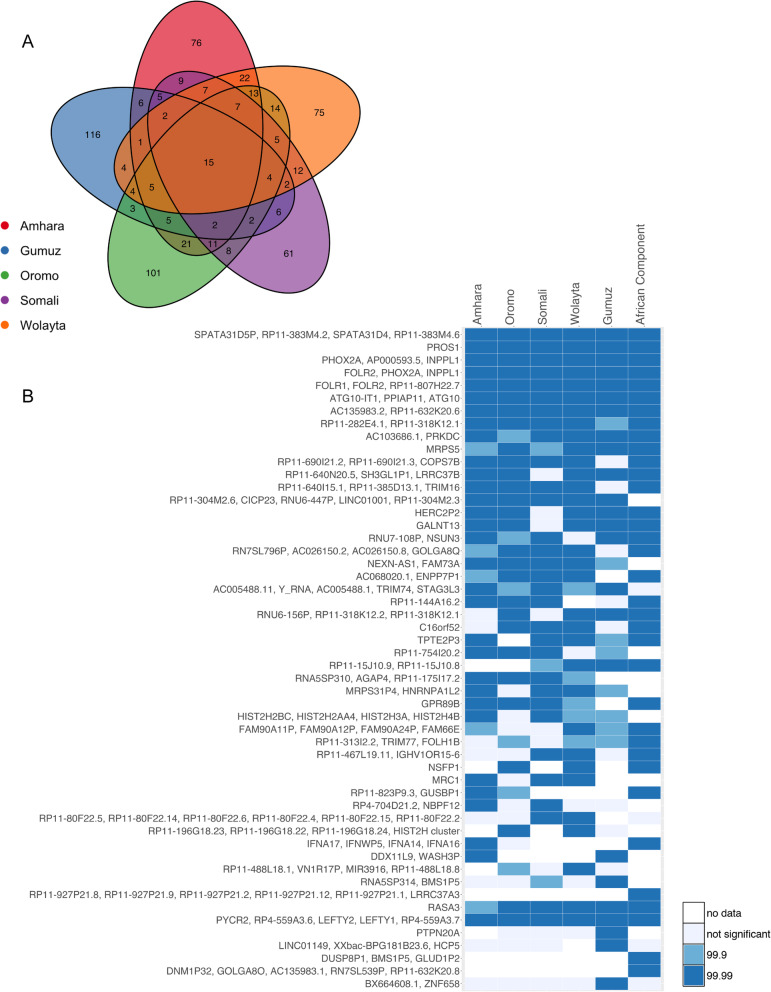
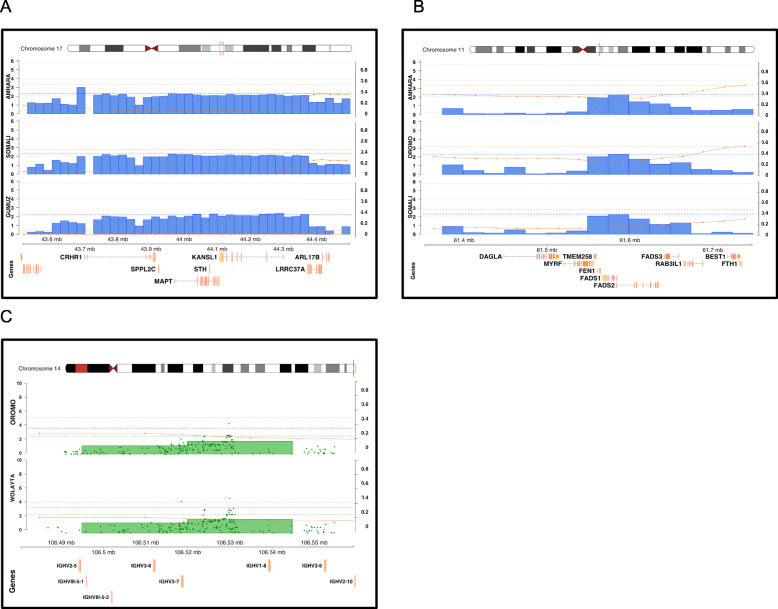
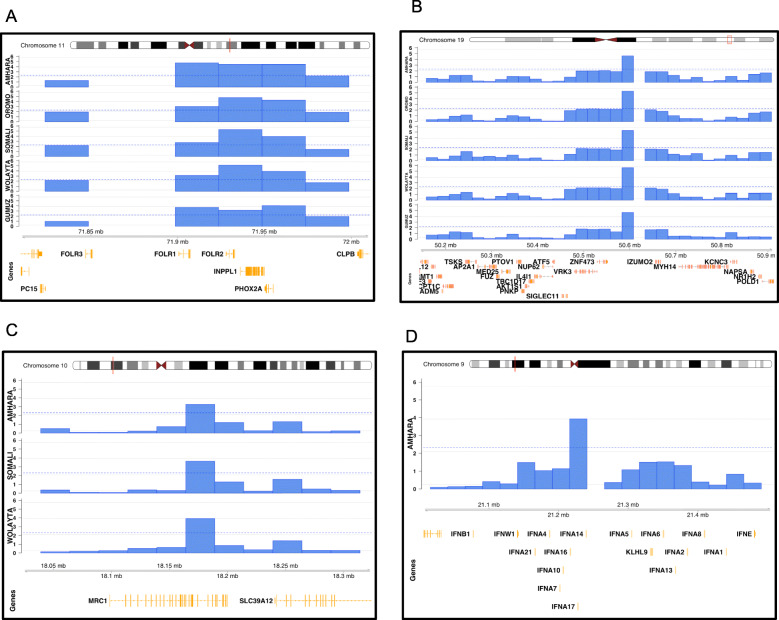
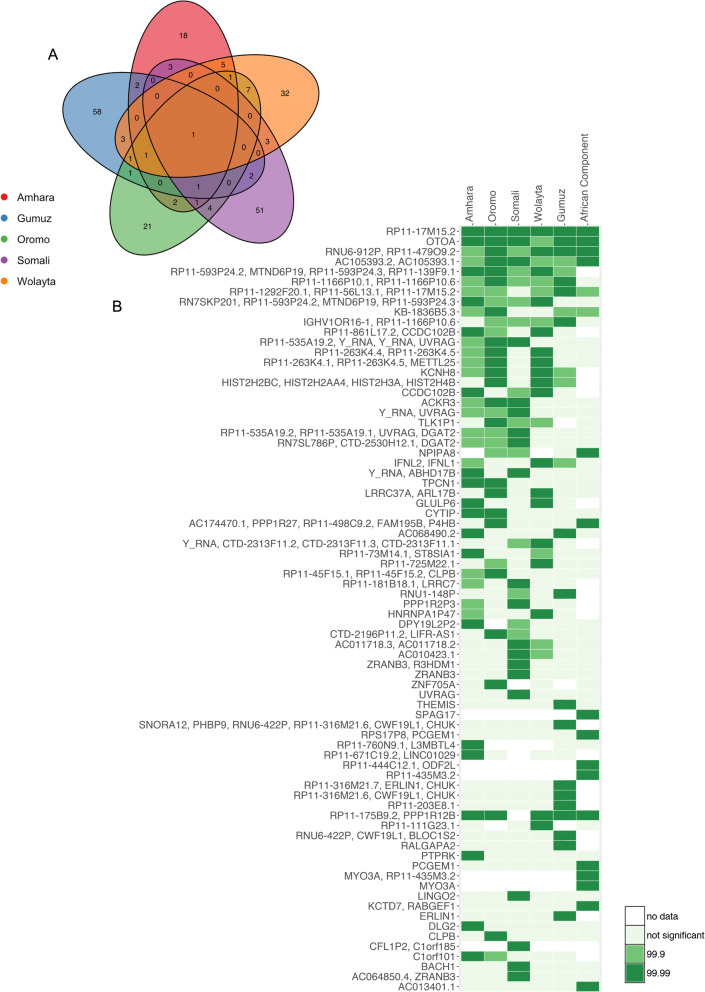
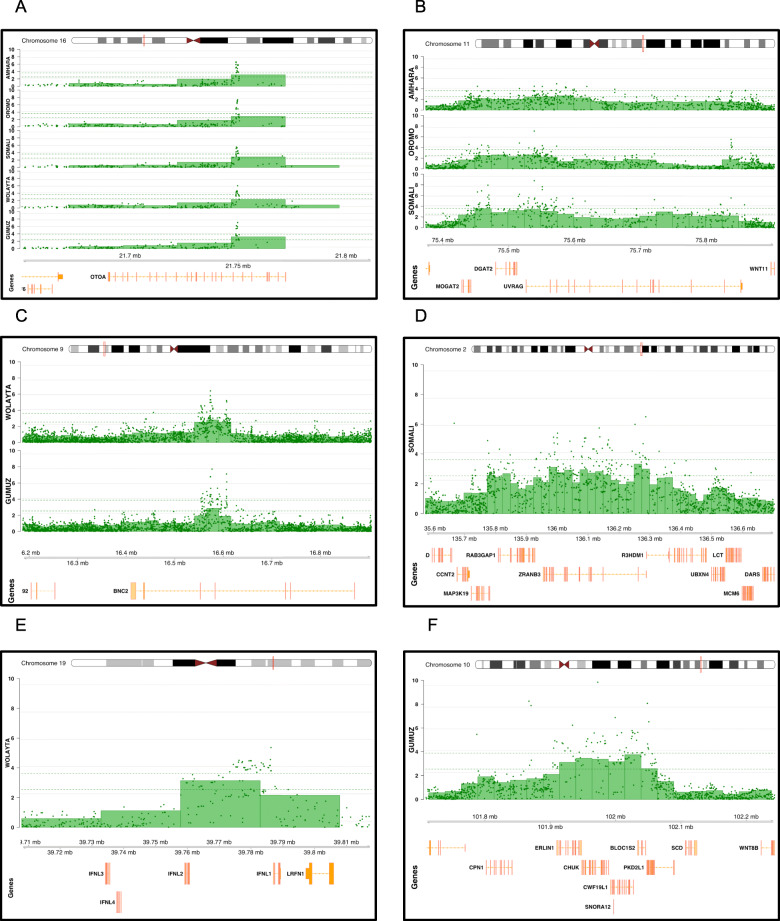
Here, we have used 119 available whole-genome sequences from five Ethiopian populations (Amhara, Oromo, Somali, Wolayta and Gumuz) to investigate the modes and targets of positive selection in this part of the world. The site frequency spectrum-based test SFselect was applied to idfentify a wide range of events of selection (old and recent), and the haplotype-based statistic integrated haplotype score to detect more recent events, in each case with evaluation of the significance of candidate signals by extensive simulations. Additional insights were provided by considering admixture proportions and functional categories of genes. We identified both individual loci that are likely targets of classic sweeps and groups of genes that may have experienced polygenic adaptation. We found population-specific as well as shared signals of selection, with folate metabolism and the related ultraviolet response and skin pigmentation standing out as a shared pathway, perhaps as a response to the high levels of ultraviolet irradiation, and in addition strong signals in genes such as IFNA, MRC1, immunoglobulins and T-cell receptors which contribute to defend against pathogens.
Signals of positive selection were detected in Ethiopian populations revealing novel adaptations in East Africa, and abundant targets for functional follow-up.
在人类适应环境的过程中,积极选择或适应性选择发挥了主要作用。然而,积极选择在非洲人群中的研究还很不足,尽管他们的多样性对于理解人类历史很重要。
在这里,我们利用来自五个埃塞俄比亚群体(阿姆哈拉族、奥罗莫族、索马里族、沃莱塔族和古马兹族)的 119 个全基因组序列,研究了这个世界部分地区的积极选择模式和目标。我们使用基于座位频率谱的测试 SFselect 来识别广泛的选择事件(旧的和新的),并使用基于单倍型的统计量综合单倍型得分来检测更近的选择事件,在每种情况下,通过广泛的模拟评估候选信号的显著性。通过考虑混合比例和基因的功能类别,提供了更多的见解。我们确定了可能是经典清除的目标的个体基因座,以及可能经历多基因适应的基因组。我们发现了群体特异性和共享的选择信号,叶酸代谢以及相关的紫外线反应和皮肤色素沉着是一个共享途径,可能是对高水平紫外线照射的反应,此外,IFNA、MRC1、免疫球蛋白和 T 细胞受体等基因中的信号也很强,这些基因有助于抵御病原体。
在埃塞俄比亚人群中检测到了积极选择的信号,揭示了东非的新适应性,为功能后续研究提供了丰富的目标。