Department of Cardiovascular Sciences, University of Leicester, Leicester, UK.
NIHR Leicester Biomedical Research Centre, Leicester, UK.
BMC Nephrol. 2020 Oct 23;21(1):446. doi: 10.1186/s12882-020-02098-9.
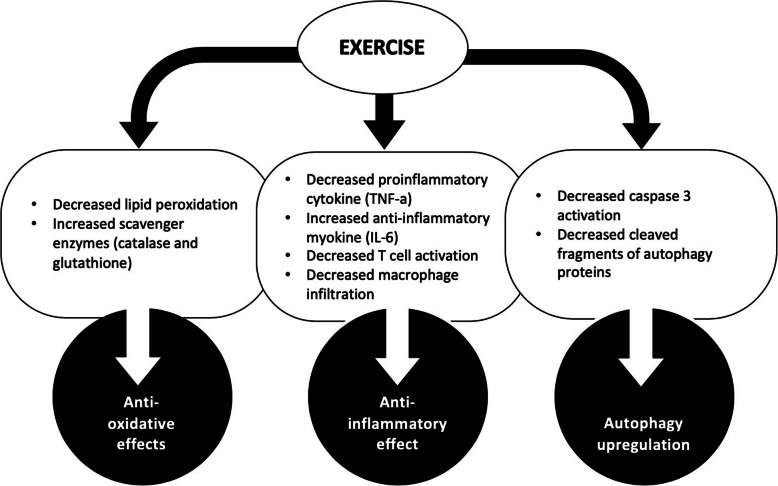
Acute kidney injury (AKI) is a known risk factor for chronic kidney disease (CKD) and end stage kidney disease (ESKD). The progression from AKI to CKD, despite being well recognised, is not completely understood, although sustained inflammation and fibrosis are implicated. A therapeutic intervention targeting the post AKI stage could reduce the progression to CKD, which has high levels of associated morbidity and mortality. Exercise has known anti-inflammatory effects with animal AKI models demonstrating its use as a therapeutic agent in abrogating renal injury. This suggests the use of an exercise rehabilitation programme in AKI patients following discharge could attenuate renal damage and improve long term patient outcomes. In this review article we outline considerations for future clinical studies of exercise in the AKI population.
急性肾损伤 (AKI) 是慢性肾脏病 (CKD) 和终末期肾病 (ESKD) 的已知危险因素。尽管已经认识到从 AKI 进展为 CKD,但这一过程并未完全被理解,尽管持续的炎症和纤维化被认为与之有关。针对 AKI 后阶段的治疗干预可能会减少向 CKD 的进展,CKD 具有较高的相关发病率和死亡率。运动具有已知的抗炎作用,动物 AKI 模型表明其可作为一种治疗剂来减轻肾脏损伤。这表明在 AKI 患者出院后使用运动康复方案可能会减轻肾脏损伤并改善长期患者预后。在这篇综述文章中,我们概述了未来 AKI 人群中运动临床研究的注意事项。