Ribeiro Heitor S, Rodrigues Amanda E, Cantuária Jennifer, Inda-Filho Antônio, Bennett Paul N
Faculty of Physical Education, University of Brasília, Campus Universitário Darcy Ribeiro, Brasília, DF ZIP code 70910-900 Brazil.
Research Center in Sports Sciences, Health Sciences and Human Development (CIDESD), University Institute of Maia (ISMAI), Porto, Portugal.
Ren Replace Ther. 2021;7(1):33. doi: 10.1186/s41100-021-00355-7. Epub 2021 Jun 15.
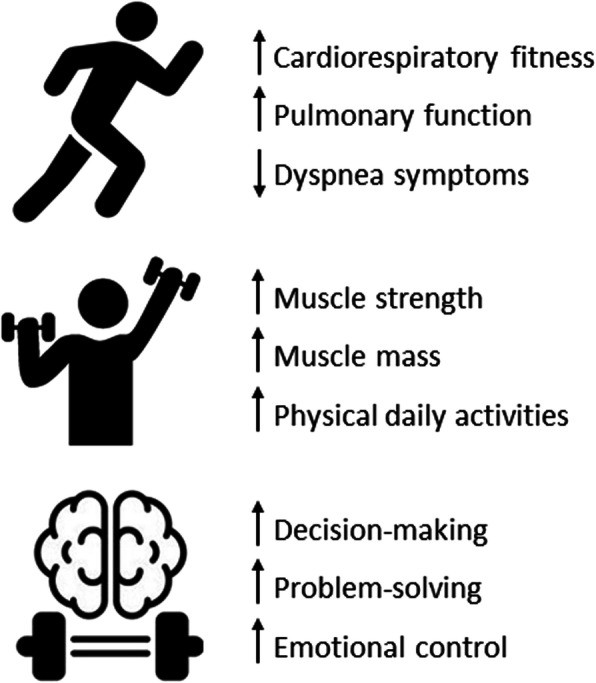
Severe acute respiratory syndrome coronavirus 2 (SARS-CoV-2) can infect the kidney and the presence of chronic kidney disease (CKD) constitutes a higher risk of negative prognosis. SARS-CoV-2 main sequelae in CKD patients are an incomplete recovery of kidney function, muscle weakness and atrophy, breathiness, tiredness, pulmonary fibrosis, and initiation of kidney replacement therapy. The overall aim of this review is to provide a theoretical basis for early improvements of physical function health to all CKD stages by rehabilitation therapies.
Chronic kidney disease patients infected with SARS-CoV-2 should be monitored by rehabilitation professionals as the cardiopulmonary, musculoskeletal, and cognitive systems might be deteriorated. Long-term consequences of SARS-CoV-2 are unknown and preventive rehabilitation may attenuate them.
严重急性呼吸综合征冠状病毒2(SARS-CoV-2)可感染肾脏,而慢性肾脏病(CKD)的存在会构成更高的不良预后风险。CKD患者感染SARS-CoV-2后的主要后遗症包括肾功能未完全恢复、肌肉无力和萎缩、呼吸急促、疲倦、肺纤维化以及开始肾脏替代治疗。本综述的总体目标是为通过康复治疗早期改善所有CKD阶段患者的身体功能健康提供理论依据。
感染SARS-CoV-2的慢性肾脏病患者应由康复专业人员进行监测,因为其心肺、肌肉骨骼和认知系统可能会恶化。SARS-CoV-2的长期后果尚不清楚,预防性康复可能会减轻这些后果。