Department of Ophthalmology and Visual Sciences, University of Alabama at Birmingham, Birmingham, AL, United States.
Mechanical Systems Engineering, Tokyo University of Agriculture and Technology, Tokyo, Japan.
Comput Methods Programs Biomed. 2021 Jan;198:105794. doi: 10.1016/j.cmpb.2020.105794. Epub 2020 Oct 12.
Biomechanical stresses and strains can be simulated in the optic nerve head (ONH) using the finite element (FE) method, and various element types have been used. This study aims to investigate the effects of element type on the resulting ONH stresses and strains.
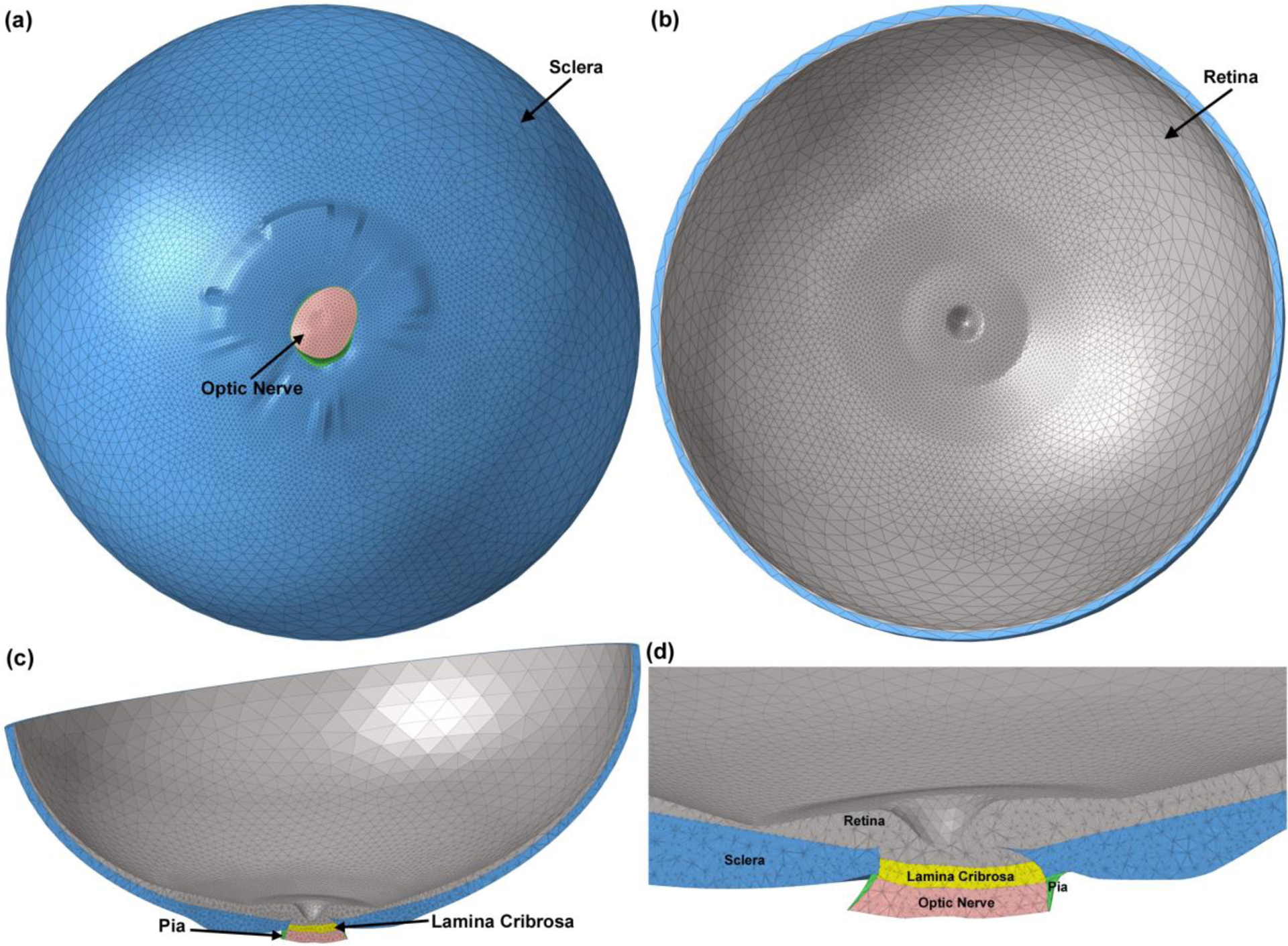
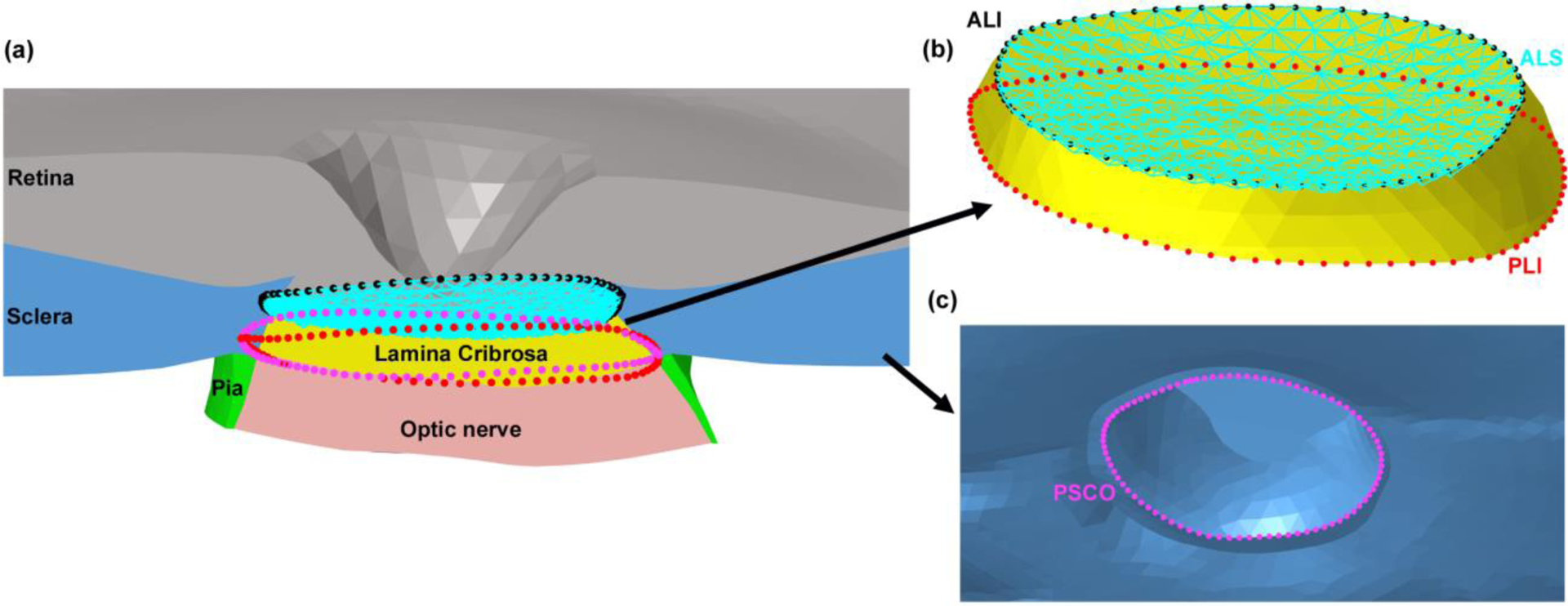
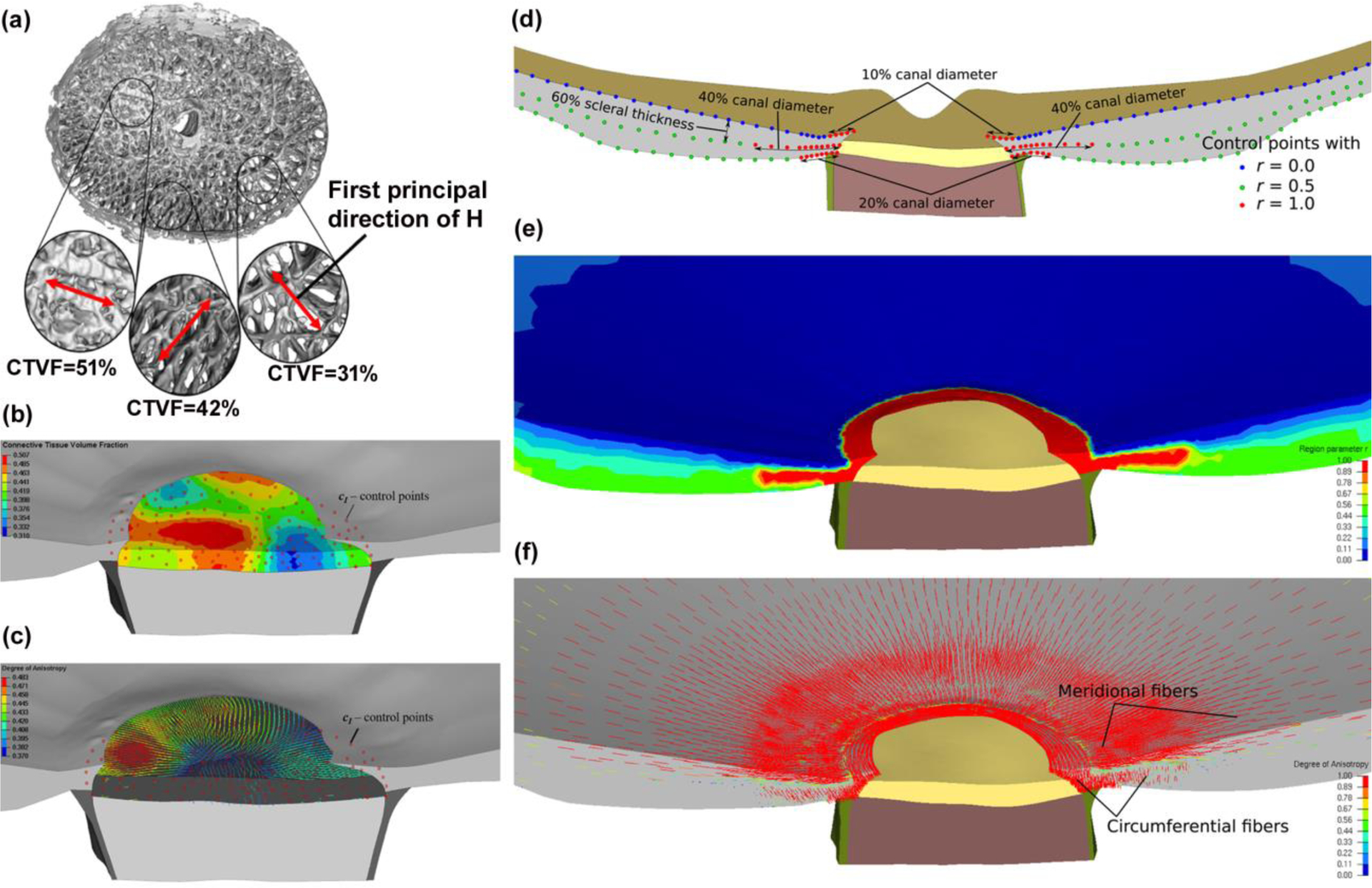
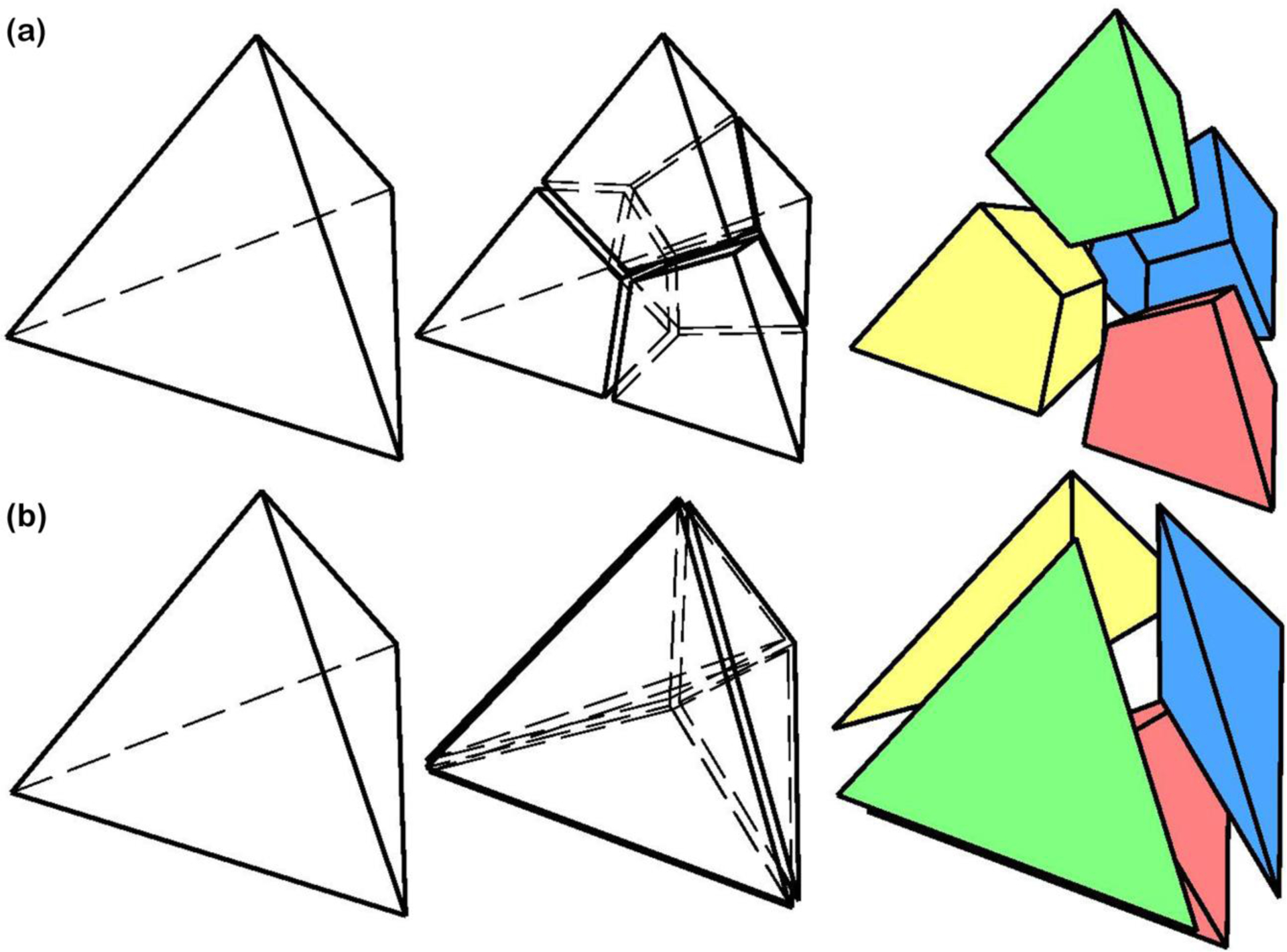
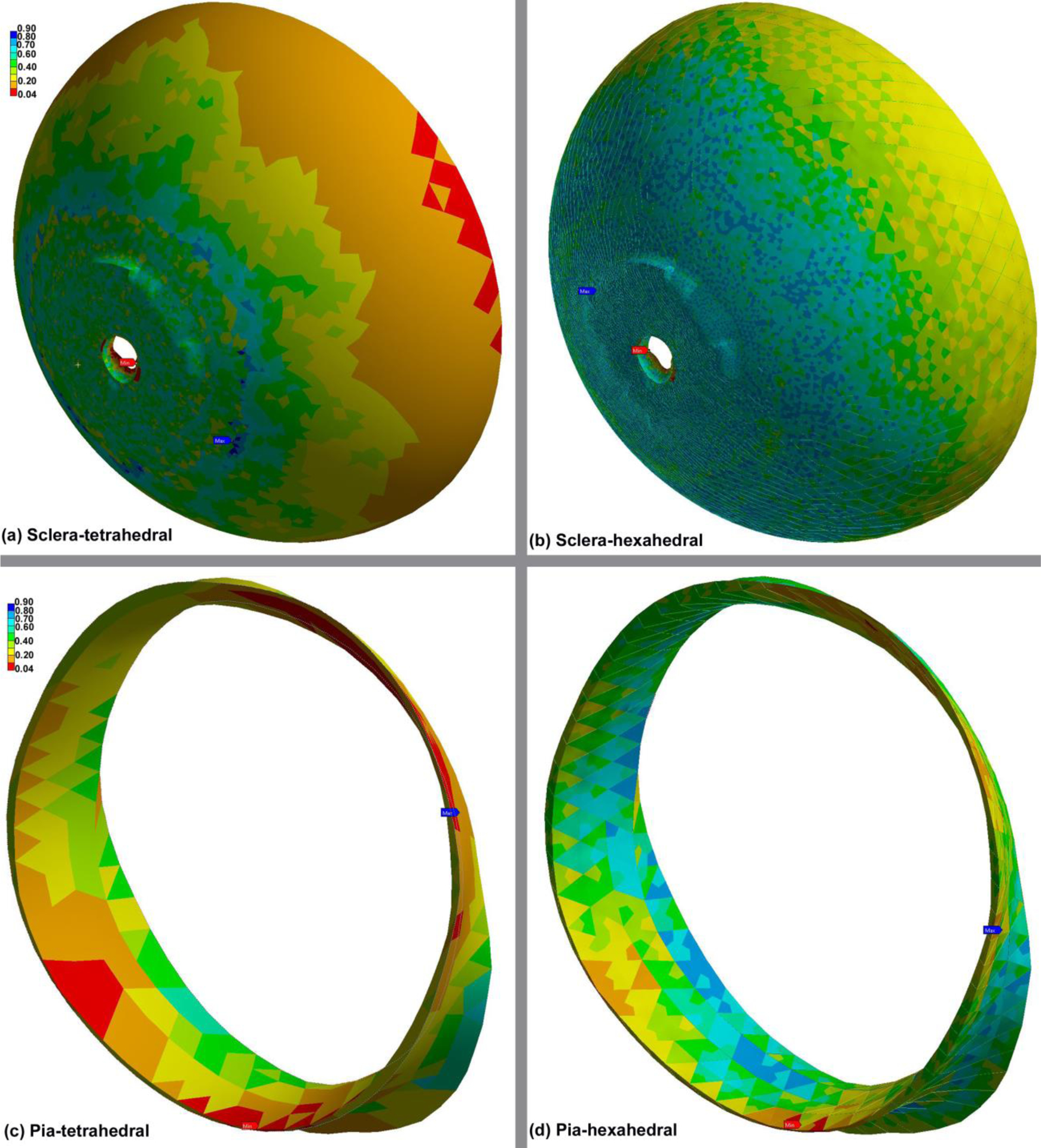
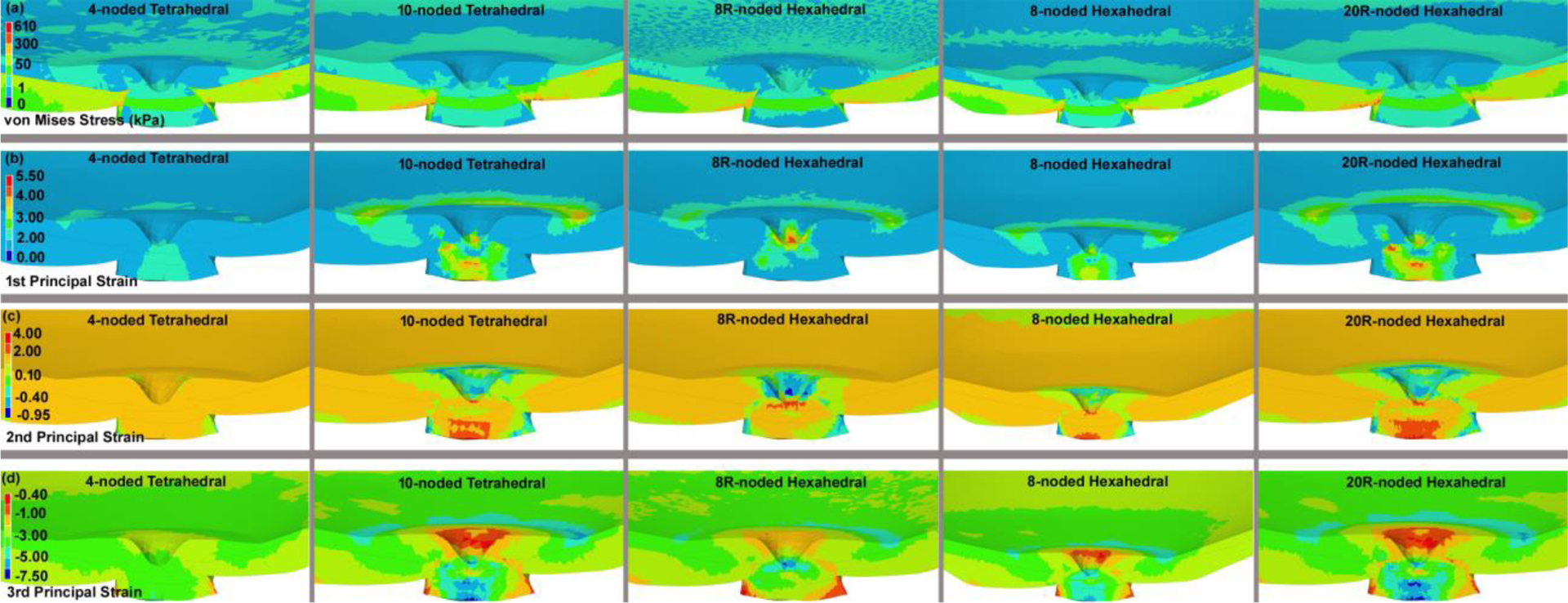
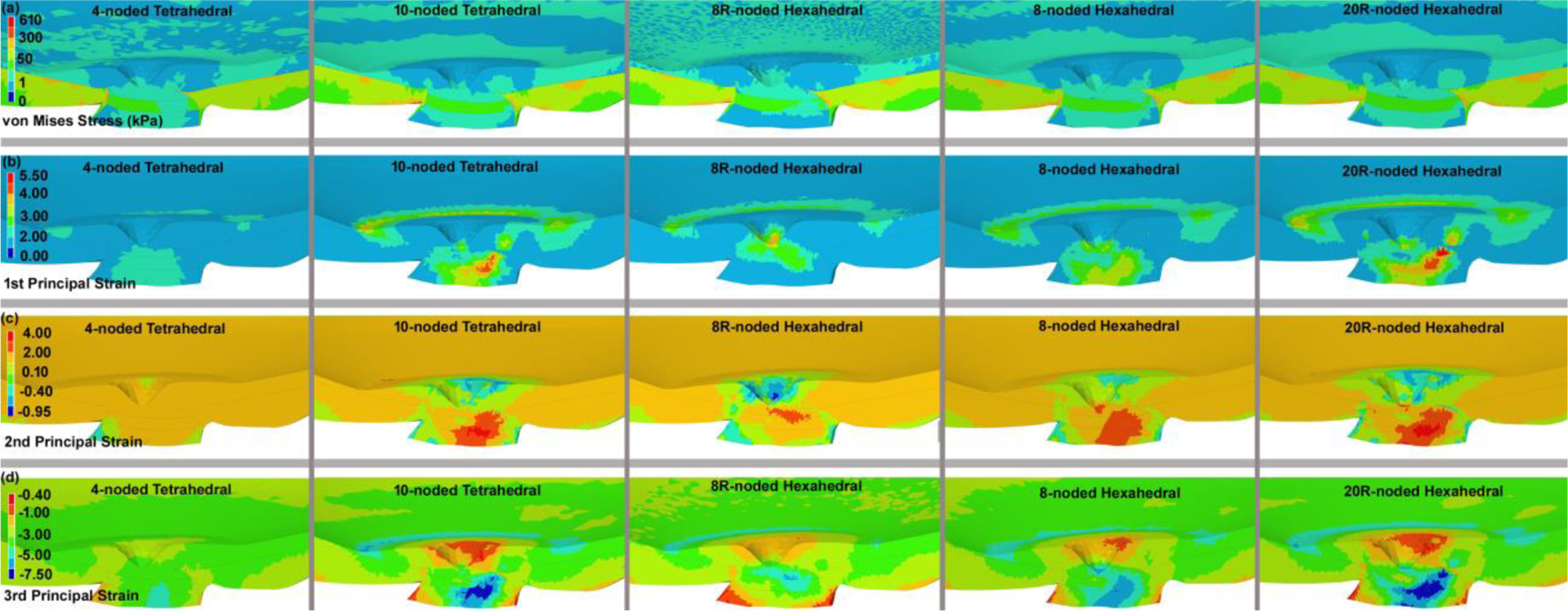
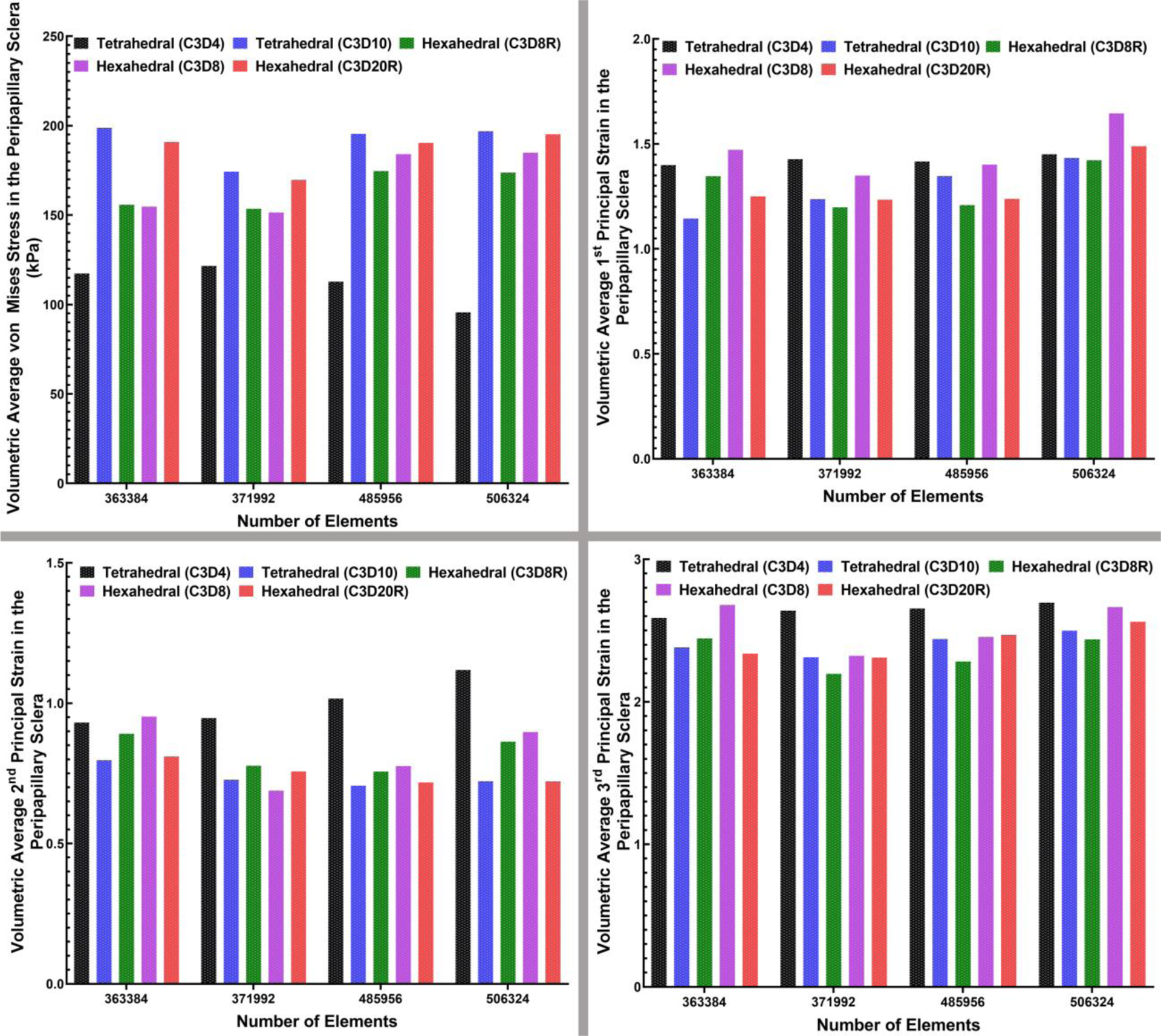
A single eye-specific model was constructed using 3D delineations of anatomic surfaces in a high-resolution, fluorescent, 3D reconstruction of a human posterior eye, then meshed using our simple meshing algorithm at various densities using 4- and 10-noded tetrahedral elements, as well as 8- and 20-noded hexahedral elements. A mesh-free approach was used to assign heterogeneous, anisotropic, hyperelastic material properties to the lamina cribrosa, sclera and pia. The models were subjected to elevated IOP of 45 mmHg after pre-stressing from 0 to 10 mmHg, and solved in the open-source FE package Calculix; results were then interpreted in relation to computational time and simulation accuracy, using the quadratic hexahedral model as the reference standard.
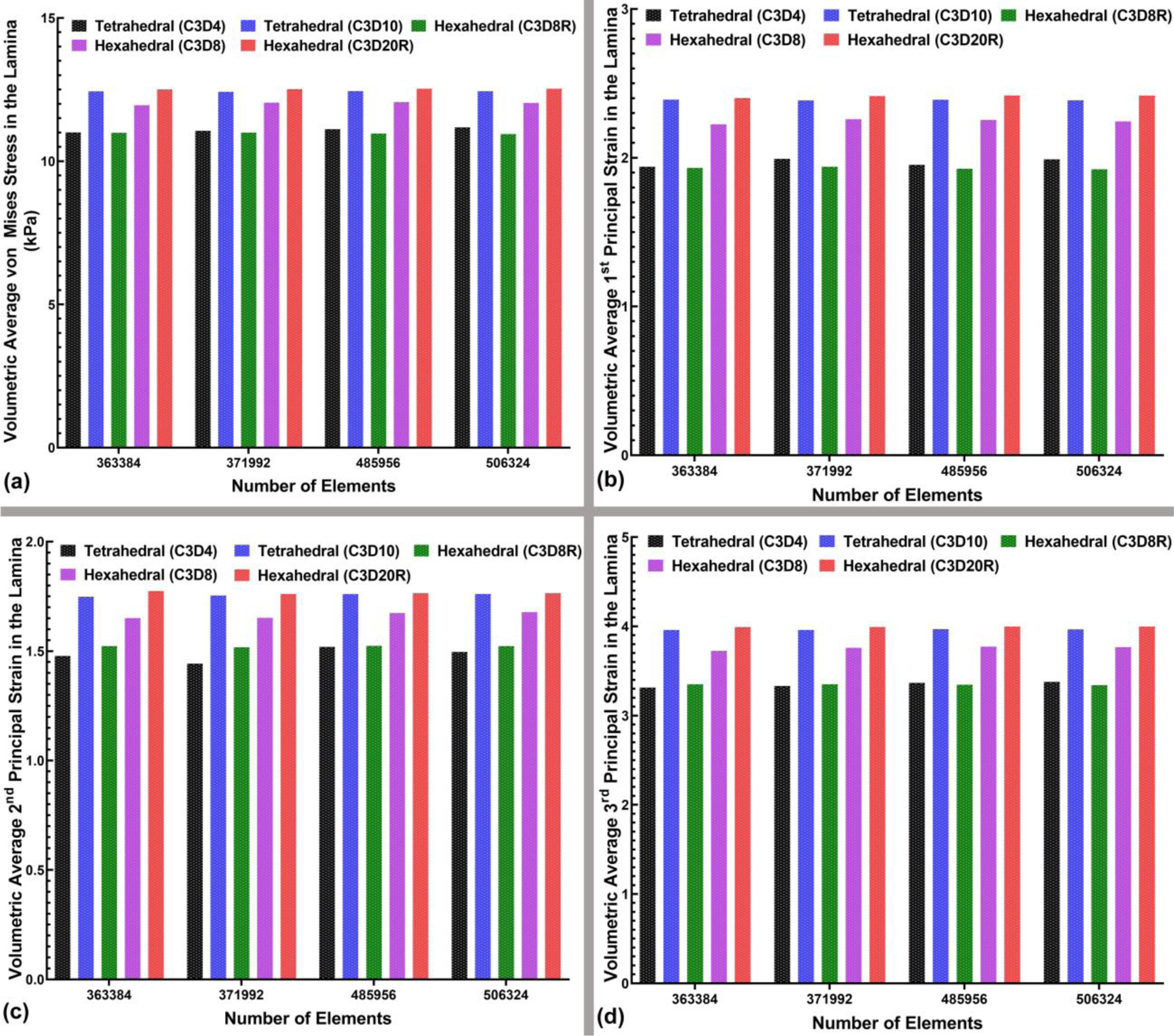
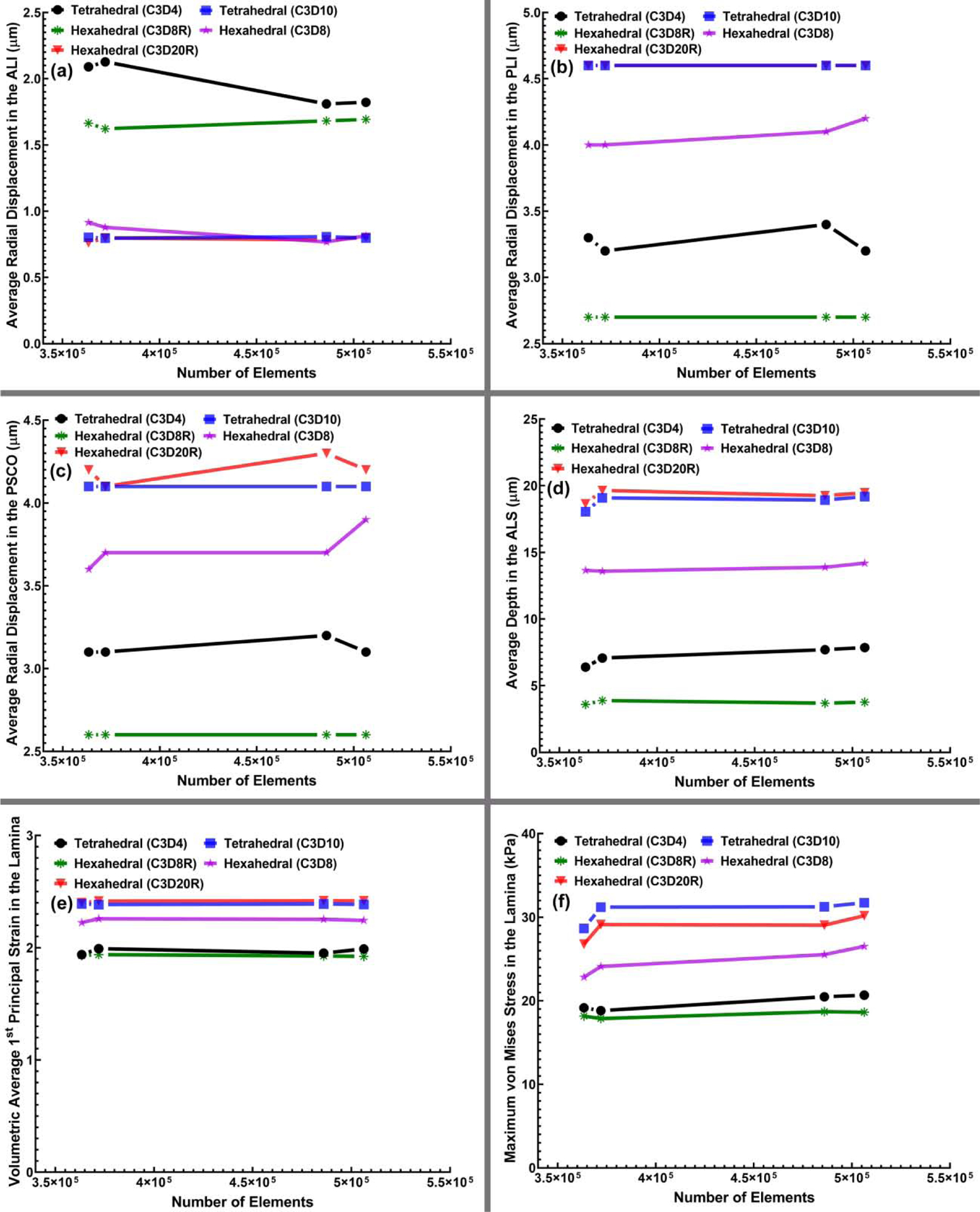
The 10-noded tetrahedral and 20R-noded hexahedral elements exhibited similar scleral canal and laminar deformations, as well as laminar and scleral stress and strain distributions; the quadratic tetrahedral models ran significantly faster than the quadratic hexahedral models. The linear tetrahedral and hexahedral elements were stiffer compared to the quadratic element types, yielding much lower stresses and strains in the lamina cribrosa.
Prior studies have shown that 20-noded hexahedral elements yield the most accurate results in complex models. Results show that 10-noded tetrahedral elements yield very similar results to 20-noded hexahedral elements and so they can be used interchangeably, with significantly lower computational time. Linear element types did not yield acceptable results.
可以使用有限元(FE)方法在视神经头(ONH)中模拟生物力学应力和应变,并且已经使用了各种单元类型。本研究旨在研究单元类型对所得 ONH 应力和应变的影响。
使用高分辨率荧光 3D 重建人眼后部的解剖表面的 3D 描绘,构建了一个特定于单个眼睛的模型,然后使用我们的简单网格算法以各种密度使用 4 节点和 10 节点四面体单元以及 8 节点和 20 节点六面体单元进行网格划分。使用无网格方法将各向异性、超弹性材料属性分配给筛板、巩膜和软脑膜。在将眼压升高至 45mmHg 之前,将模型从 0 至 10mmHg 进行预加压,然后在开源 FE 包 Calculix 中求解;然后根据计算时间和模拟精度来解释结果,使用二次六面体模型作为参考标准。
10 节点四面体和 20R 节点六面体单元表现出相似的巩膜管和筛板变形,以及筛板和巩膜的应力和应变分布;二次四面体模型的运行速度明显快于二次六面体模型。线性四面体和六面体单元比二次单元类型更硬,导致筛板中的应力和应变低得多。
先前的研究表明,20 节点六面体单元在复杂模型中产生最准确的结果。结果表明,10 节点四面体单元产生与 20 节点六面体单元非常相似的结果,因此它们可以互换使用,计算时间明显缩短。线性单元类型不能产生可接受的结果。