Jang Tae-Sik, Jung Hyun-Do, Pan Houwen Matthew, Han Win Tun, Chen Shengyang, Song Juha
School of Chemical and Biomedical Engineering, Nanyang Technological University, Singapore.
Liquid Processing & Casting Technology R&D Group, Korea Institute of Industrial Technology, Incheon, Republic of Korea.
Int J Bioprint. 2018 Jan 19;4(1):126. doi: 10.18063/IJB.v4i1.126. eCollection 2018.
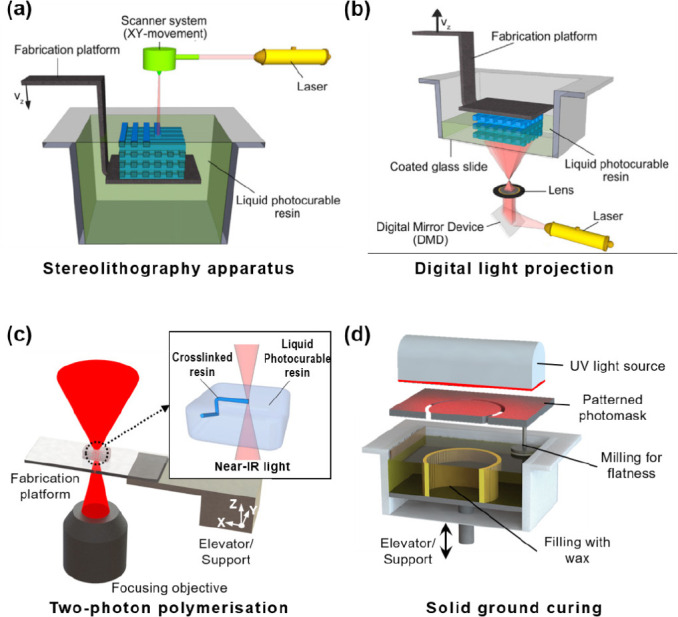
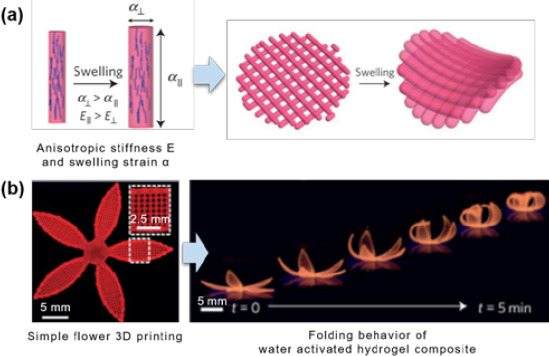
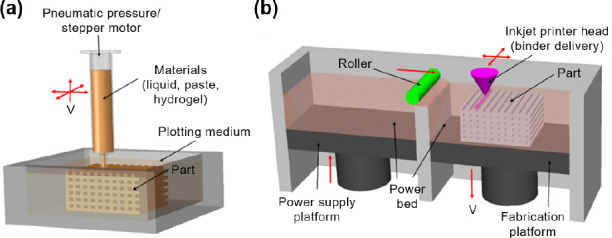
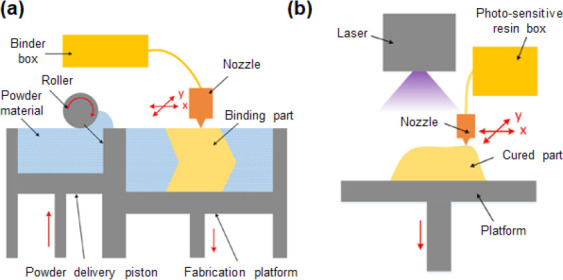
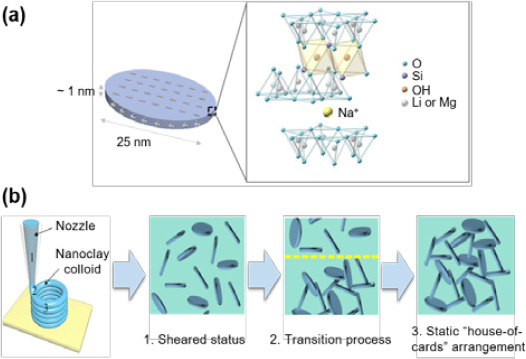
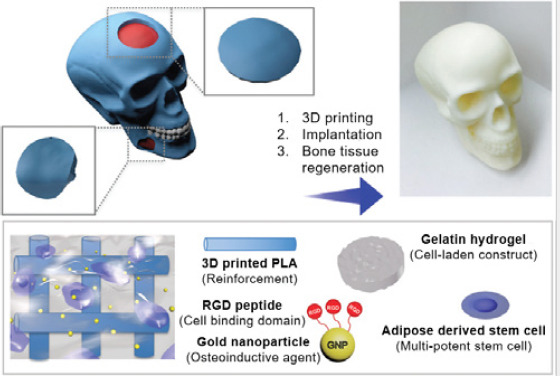
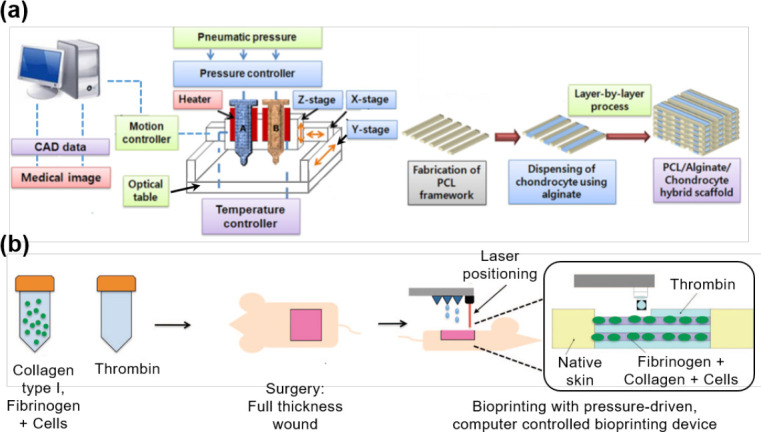
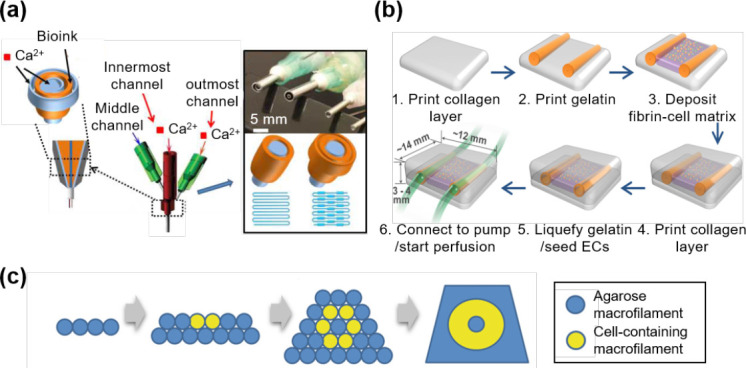
Three-dimensional (3D) printing of hydrogels is now an attractive area of research due to its capability to fabricate intricate, complex and highly customizable scaffold structures that can support cell adhesion and promote cell infiltration for tissue engineering. However, pure hydrogels alone lack the necessary mechanical stability and are too easily degraded to be used as printing ink. To overcome this problem, significant progress has been made in the 3D printing of hydrogel composites with improved mechanical performance and biofunctionality. Herein, we provide a brief overview of existing hydrogel composite 3D printing techniques including laser based-3D printing, nozzle based-3D printing, and inkjet printer based-3D printing systems. Based on the type of additives, we will discuss four main hydrogel composite systems in this review: polymer- or hydrogel-hydrogel composites, particle-reinforced hydrogel composites, fiber-reinforced hydrogel composites, and anisotropic filler-reinforced hydrogel composites. Additionally, several emerging potential applications of hydrogel composites in the field of tissue engineering and their accompanying challenges are discussed in parallel.
水凝胶的三维(3D)打印如今是一个颇具吸引力的研究领域,因为它能够制造出复杂、精细且高度可定制的支架结构,这些结构可支持细胞黏附并促进细胞浸润,用于组织工程。然而,单纯的水凝胶缺乏必要的机械稳定性,且极易降解,无法用作打印墨水。为克服这一问题,在具有改善的机械性能和生物功能的水凝胶复合材料的3D打印方面已取得显著进展。在此,我们简要概述现有的水凝胶复合材料3D打印技术,包括基于激光的3D打印、基于喷嘴的3D打印以及基于喷墨打印机的3D打印系统。基于添加剂的类型,我们将在本综述中讨论四种主要的水凝胶复合材料体系:聚合物或水凝胶 - 水凝胶复合材料、颗粒增强水凝胶复合材料、纤维增强水凝胶复合材料以及各向异性填料增强水凝胶复合材料。此外,还并行讨论了水凝胶复合材料在组织工程领域的一些新兴潜在应用及其伴随的挑战。