Department of Neurology, Penn Frontotemporal Degeneration Center, University of Pennsylvania Perelman School of Medicine, Philadelphia, PA, United States of America.
Department of Clinical Sciences, Clinical Memory Research Unit, Lund University, Malmö, Sweden.
PLoS One. 2020 Oct 27;15(10):e0236384. doi: 10.1371/journal.pone.0236384. eCollection 2020.
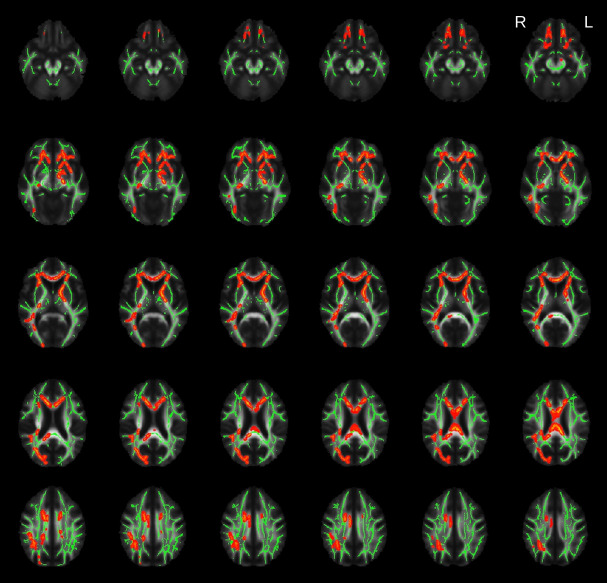
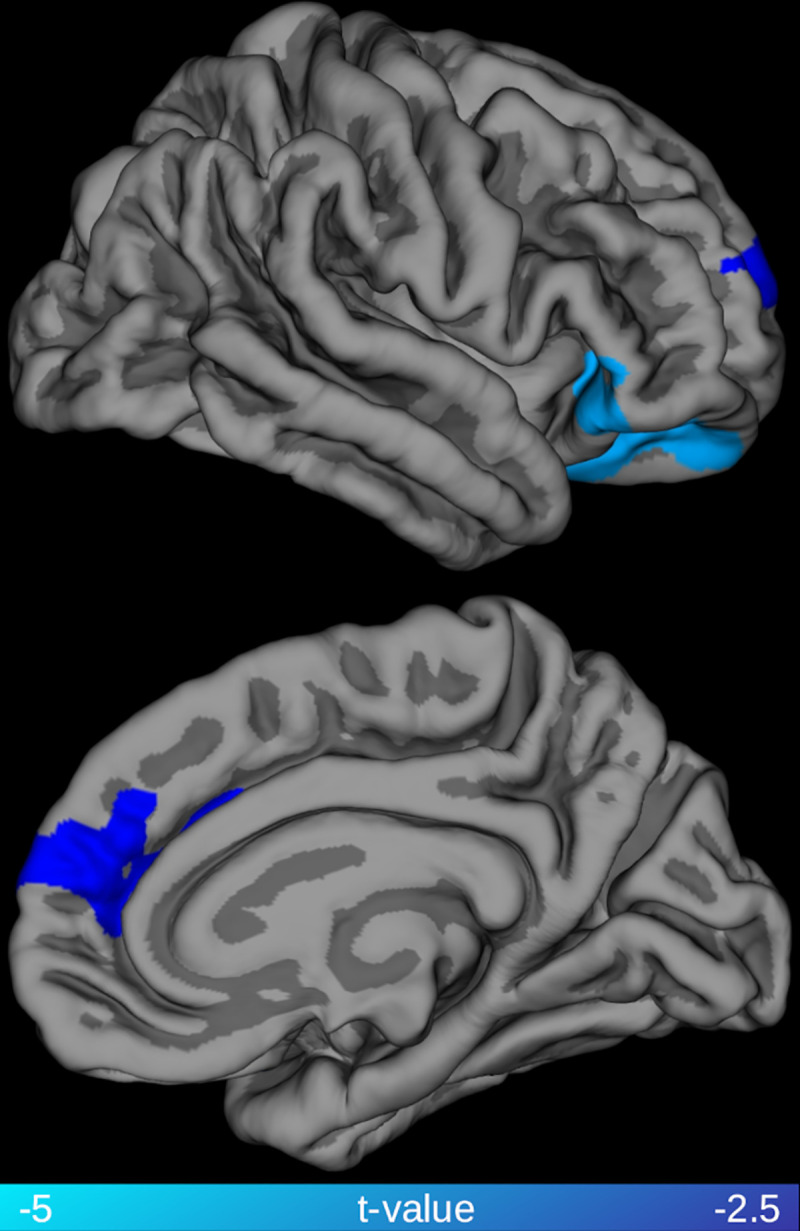
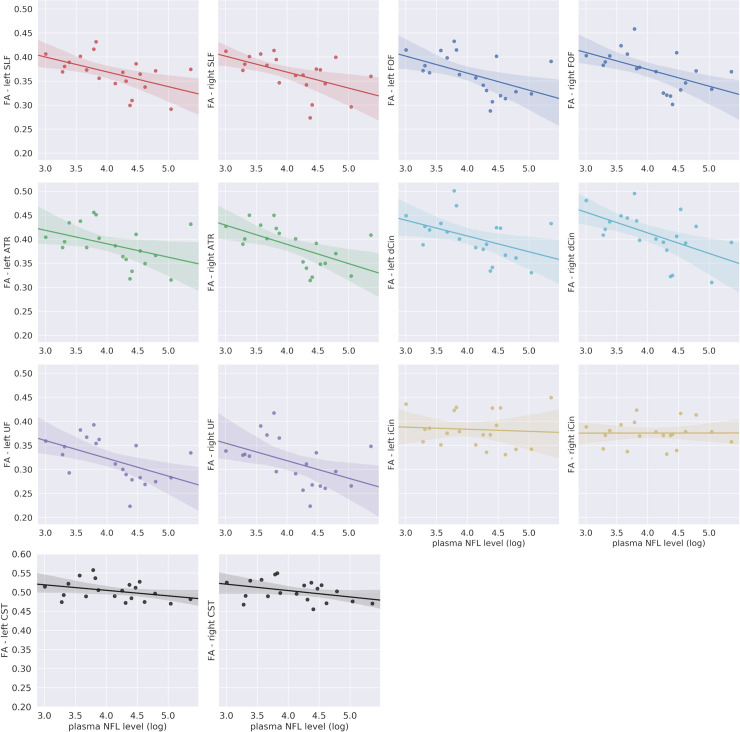
Neurofilaments are structural components of neurons and are particularly abundant in highly myelinated axons. The levels of neurofilament light chain (NfL) in both cerebrospinal fluid (CSF) and plasma have been related to degeneration in several neurodegenerative conditions including frontotemporal dementia (FTD) and NfL is currently considered as the most promising diagnostic and prognostic fluid biomarker in FTD. Although the location and function of filaments in the healthy nervous system suggests a link between increased NfL and white matter degeneration, such a claim has not been fully elucidated in vivo, especially in the context of FTD. The present study provides evidence of an association between the plasma levels of NfL and white matter involvement in behavioral variant FTD (bvFTD) by relating plasma concentration of NfL to diffusion tensor imaging (DTI) metrics in a group of 20 bvFTD patients. The results of both voxel-wise and tract specific analysis showed that increased plasma NfL concentration is associated with a reduction in fractional anisotropy (FA) in a widespread set of white matter tracts including the superior longitudinal fasciculus, the fronto-occipital fasciculus the anterior thalamic radiation and the dorsal cingulum bundle. Plasma NfL concentration also correlated with cortical thinning in a portion of the right medial prefrontal cortex and of the right lateral orbitofrontal cortex. These results support the hypothesis that blood NfL levels reflect the global level of neurodegeneration in bvFTD and help to advance our understanding of the association between this blood biomarker for FTD and the disease process.
神经丝是神经元的结构组成部分,尤其在高度髓鞘化的轴突中丰富。神经丝轻链(NfL)在脑脊液(CSF)和血浆中的水平与几种神经退行性疾病有关,包括额颞叶痴呆(FTD),目前 NfL 被认为是 FTD 最有前途的诊断和预后液生物标志物。尽管健康神经系统中丝的位置和功能表明 NfL 增加与白质变性之间存在联系,但这种说法尚未在体内得到充分阐明,尤其是在 FTD 的背景下。本研究通过将血浆 NfL 浓度与 20 名行为变异型额颞叶痴呆(bvFTD)患者的弥散张量成像(DTI)指标相关联,为血浆 NfL 水平与 bvFTD 患者白质受累之间的关联提供了证据。体素和束特异性分析的结果表明,血浆 NfL 浓度的增加与一系列广泛的白质束的各向异性分数(FA)降低有关,包括上纵束、额枕束、前丘脑辐射和背侧扣带束。血浆 NfL 浓度还与右侧内侧前额叶皮质和右侧外侧眶额皮质的皮质变薄相关。这些结果支持了血液 NfL 水平反映 bvFTD 中神经退行性变总体水平的假设,并有助于我们进一步理解 FTD 的这种血液生物标志物与疾病过程之间的关联。