State Key Laboratory of Virology, College of Life Sciences, Wuhan University, Wuhan, China.
Guangdong Provincial Key Laboratory of Virology, Institute of Medical Microbiology, Jinan University, Guangzhou, China.
mBio. 2020 Oct 27;11(5):e02221-19. doi: 10.1128/mBio.02221-19.
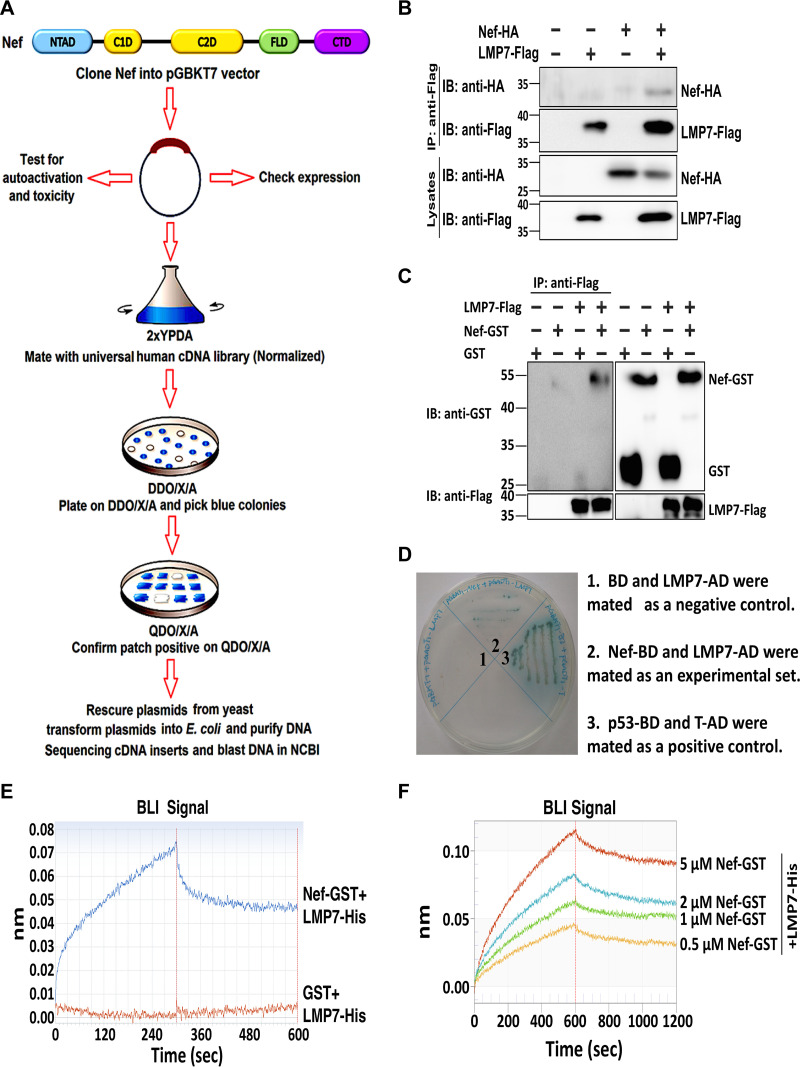
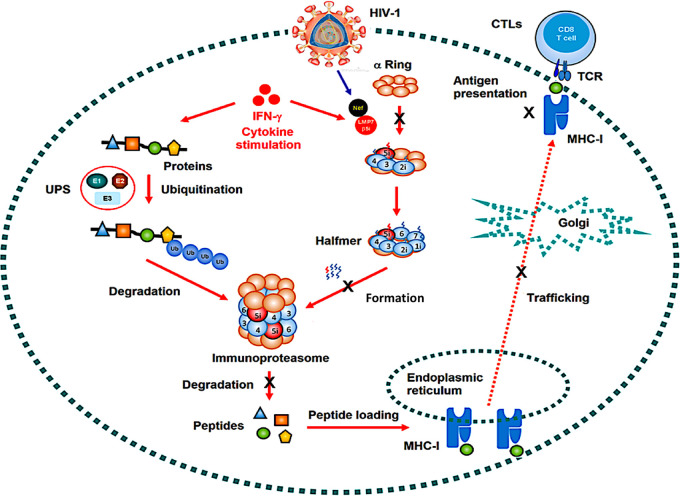
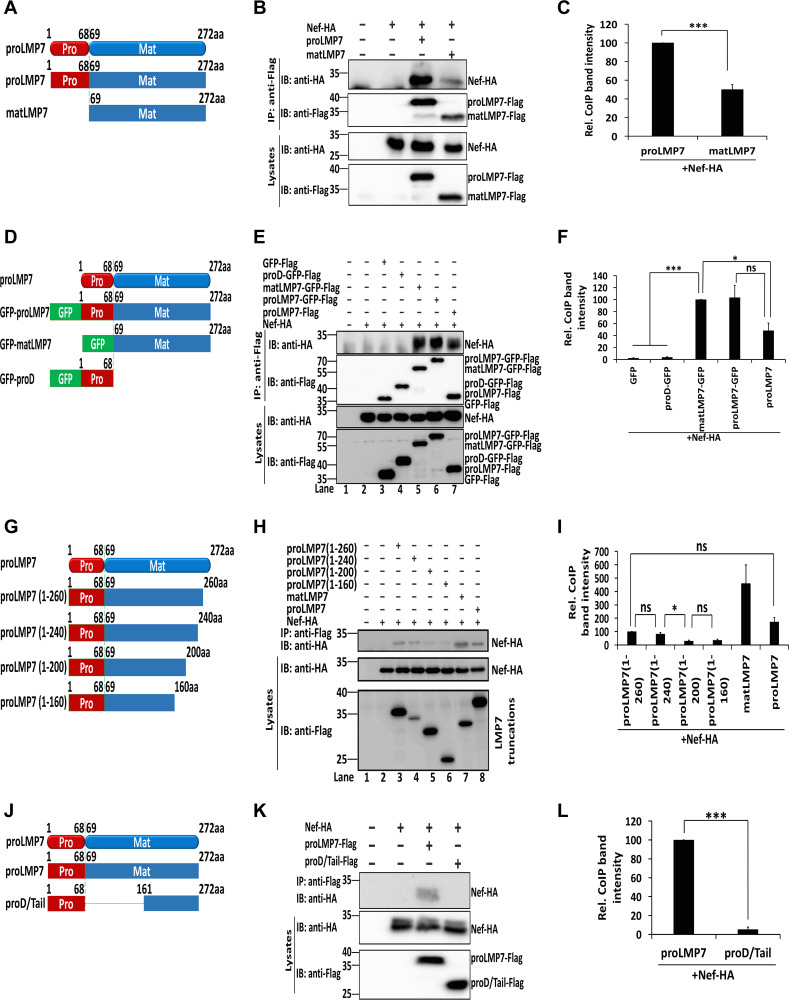
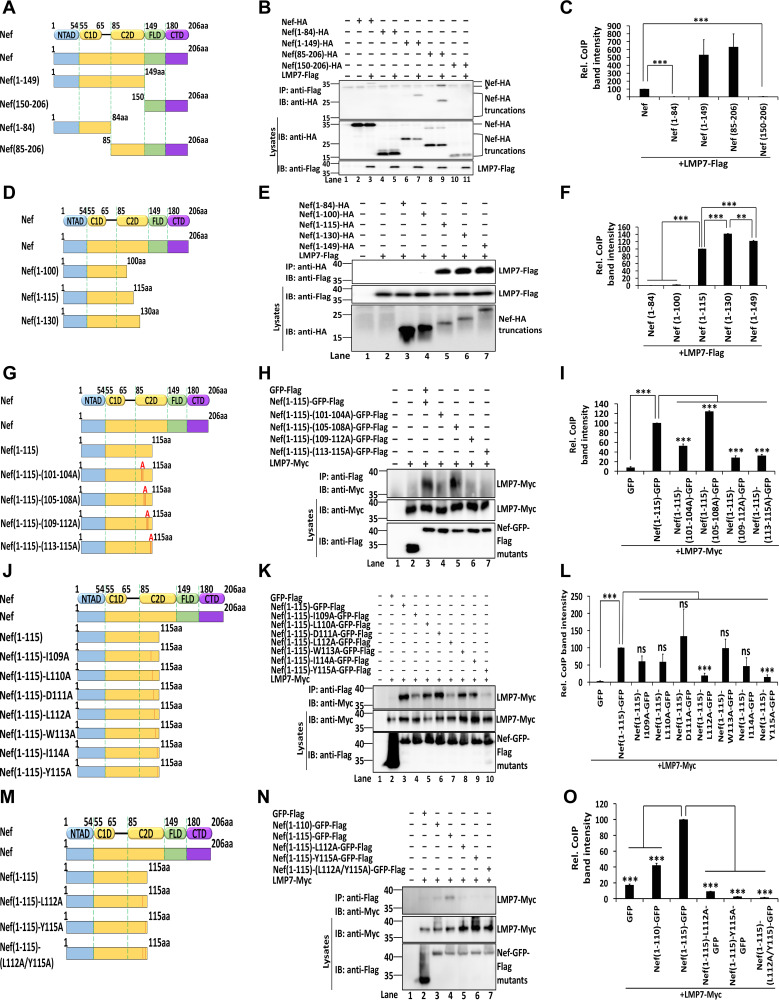
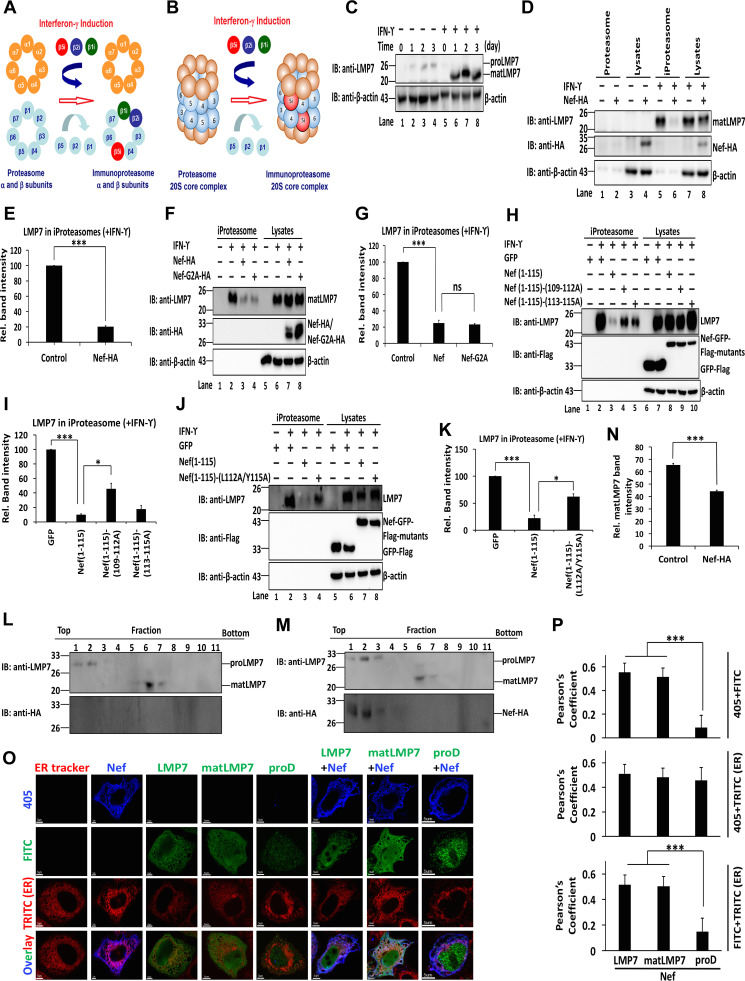
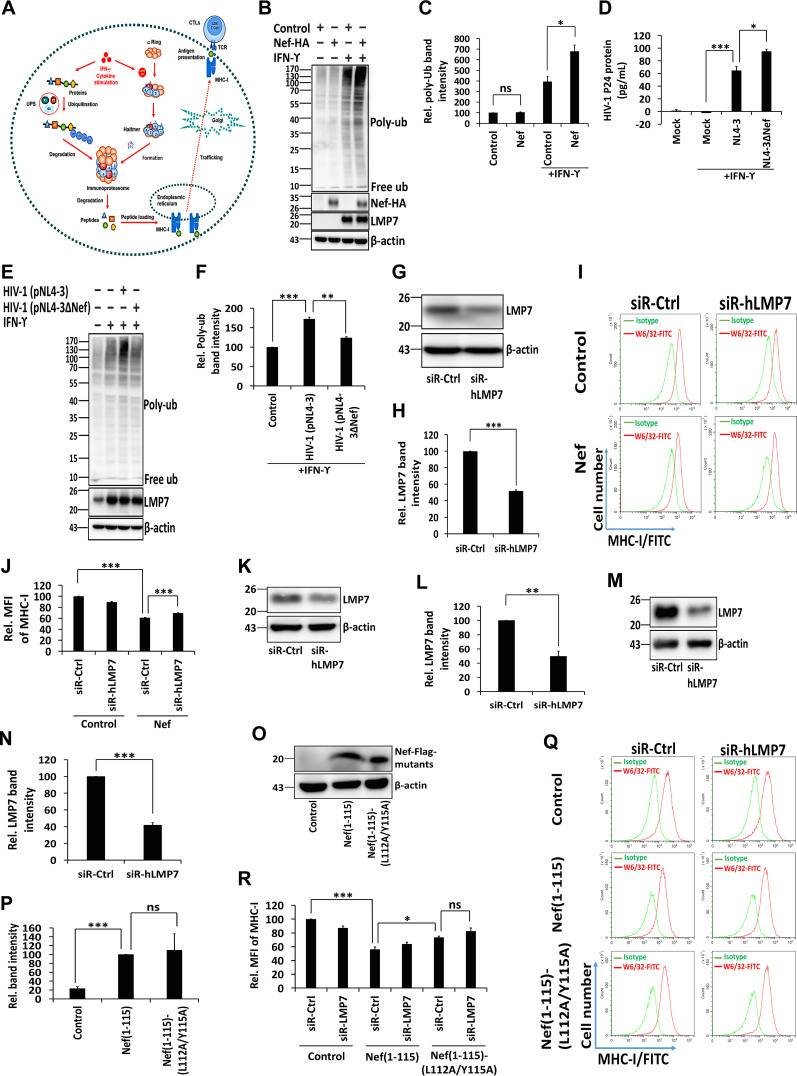
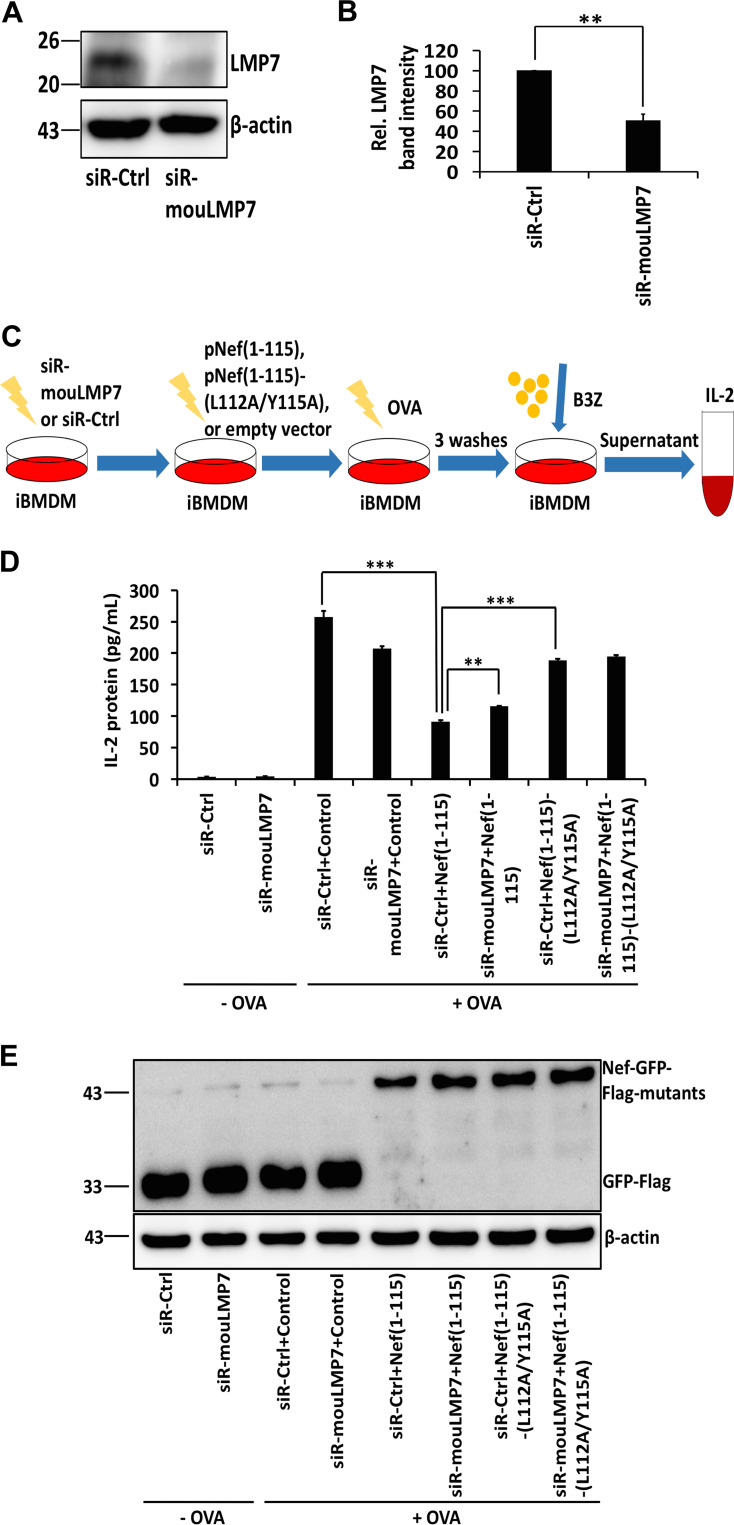
The proteasome is a major protein degradation machinery with essential and diverse biological functions. Upon induction by cytokines, proteasome subunits β1, β2, and β5 are replaced by β1i/LMP2, β2i/MECL-1, and β5i/LMP7, resulting in the formation of an immunoproteasome (iProteasome). iProteasome-degraded products are loaded onto the major histocompatibility complex class I (MHC-I), regulating immune responses and inducing cytotoxic T lymphocytes (CTLs). Human immunodeficiency virus type 1 (HIV-1) is the causal agent of AIDS. HIV-1-specific CTLs represent a critical immune mechanism limiting viral replication. HIV-1 negative regulatory factor (Nef) counteracts host immunity, particularly the response involving MHC-I/CTL. This study identifies a distinct mechanism by which Nef facilitates immune evasion via suppressing the function of iProteasome and MHC-I. Nef interacts with LMP7 on the endoplasmic reticulum (ER), downregulating the incorporation of LMP7 into iProteasome and thereby attenuating its formation. Moreover, Nef represses the iProteasome function of protein degradation, MHC-I trafficking, and antigen presentation. The ubiquitin-proteasome system (UPS) is essential for the degradation of damaged proteins, which takes place in the proteasome. Upon activation by cytokines, the catalytic subunits of the proteasome are replaced by distinct isoforms resulting in the formation of an immunoproteasome (iProteasome). iProteasome generates peptides used by major histocompatibility complex class I (MHC-I) for antigen presentation and is essential for immune responses. HIV-1 is the causative agent of AIDS, and HIV-1-specific cytotoxic T lymphocytes (CTLs) provide immune responses limiting viral replication. This study identifies a distinct mechanism by which HIV-1 promotes immune evasion. The viral protein negative regulatory factor (Nef) interacts with a component of iProteasome, LMP7, attenuating iProteasome formation and protein degradation function, and thus repressing the MHC-I antigen presentation activity of MHC-I. Therefore, HIV-1 targets LMP7 to inhibit iProteasome activation, and LMP7 may be used as the target for the development of anti-HIV-1/AIDS therapy.
蛋白酶体是一种具有重要和多样化生物学功能的主要蛋白质降解机制。在细胞因子诱导下,蛋白酶体亚基β1、β2 和 β5 被β1i/LMP2、β2i/MECL-1 和β5i/LMP7 取代,形成免疫蛋白酶体(iProteasome)。iProteasome 降解产物被加载到主要组织相容性复合体 I(MHC-I)上,调节免疫反应并诱导细胞毒性 T 淋巴细胞(CTL)。人类免疫缺陷病毒 1 型(HIV-1)是艾滋病的病原体。HIV-1 特异性 CTL 代表限制病毒复制的关键免疫机制。HIV-1 负调节因子(Nef)对抗宿主免疫,特别是涉及 MHC-I/CTL 的反应。本研究确定了一种通过抑制 iProteasome 和 MHC-I 的功能来促进免疫逃逸的独特机制。Nef 与内质网(ER)上的 LMP7 相互作用,下调 LMP7 掺入 iProteasome 的水平,从而减弱其形成。此外,Nef 抑制 iProteasome 的蛋白降解、MHC-I 转运和抗原呈递功能。泛素蛋白酶体系统(UPS)对于受损蛋白的降解至关重要,而受损蛋白的降解发生在蛋白酶体中。在细胞因子的激活下,蛋白酶体的催化亚基被不同的同工型取代,从而形成免疫蛋白酶体(iProteasome)。iProteasome 产生主要组织相容性复合体 I(MHC-I)用于抗原呈递的肽,对于免疫反应至关重要。HIV-1 是艾滋病的病原体,HIV-1 特异性细胞毒性 T 淋巴细胞(CTL)提供了限制病毒复制的免疫反应。本研究确定了 HIV-1 促进免疫逃逸的独特机制。病毒蛋白负调节因子(Nef)与 iProteasome 的一个组成部分 LMP7 相互作用,减弱 iProteasome 的形成和蛋白降解功能,从而抑制 MHC-I 的抗原呈递活性。因此,HIV-1 靶向 LMP7 以抑制 iProteasome 激活,并且 LMP7 可能被用作开发抗 HIV-1/AIDS 治疗的靶点。