Department of Medicine, Division of Molecular Oncology, Washington University School of Medicine, Saint Louis, MO, USA.
Department of Cell Biology and Physiology, Siteman Cancer Center, Washington University School of Medicine, Saint Louis, MO, USA.
Oncogene. 2021 Jan;40(1):189-202. doi: 10.1038/s41388-020-01515-5. Epub 2020 Oct 27.
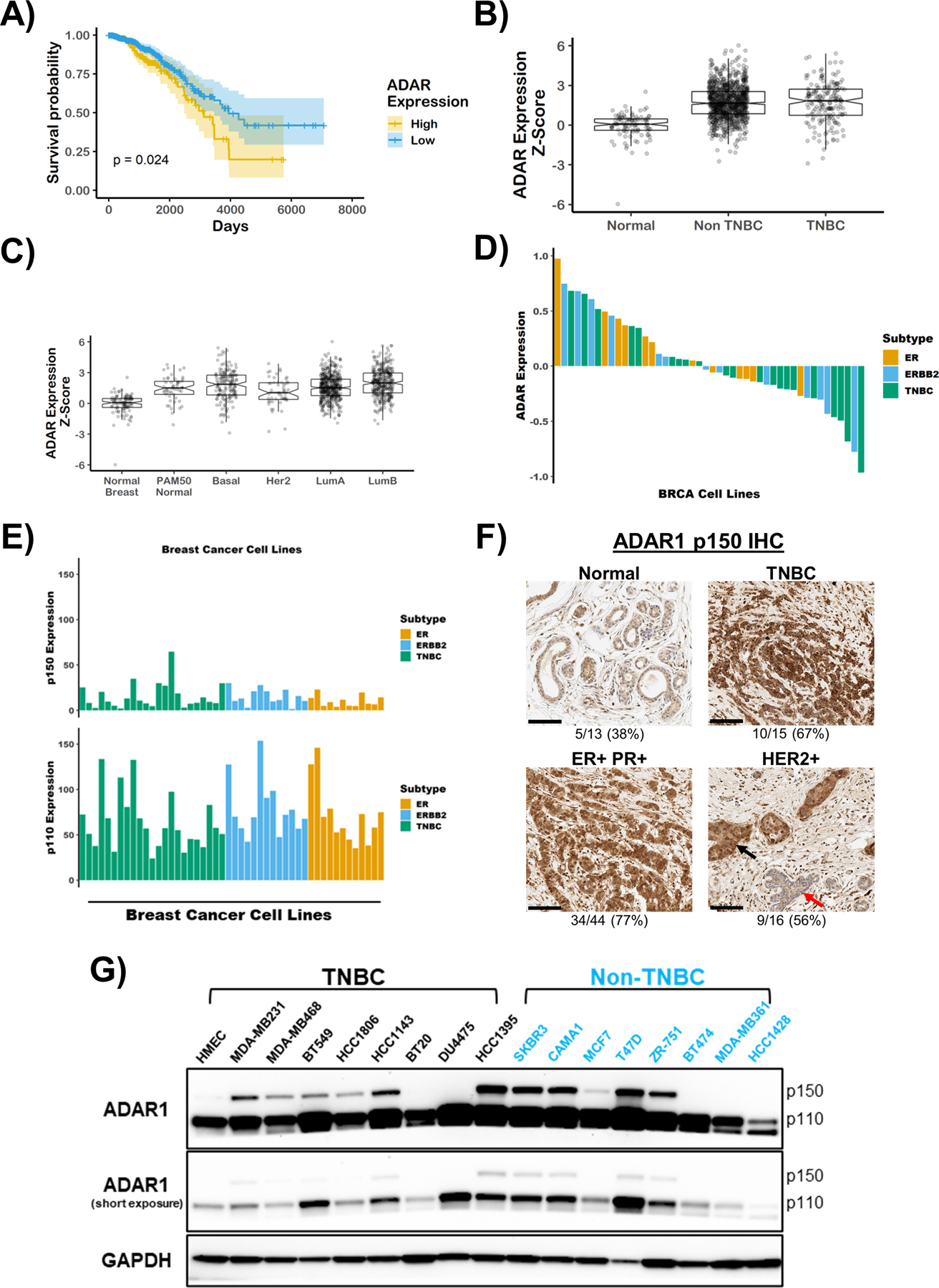
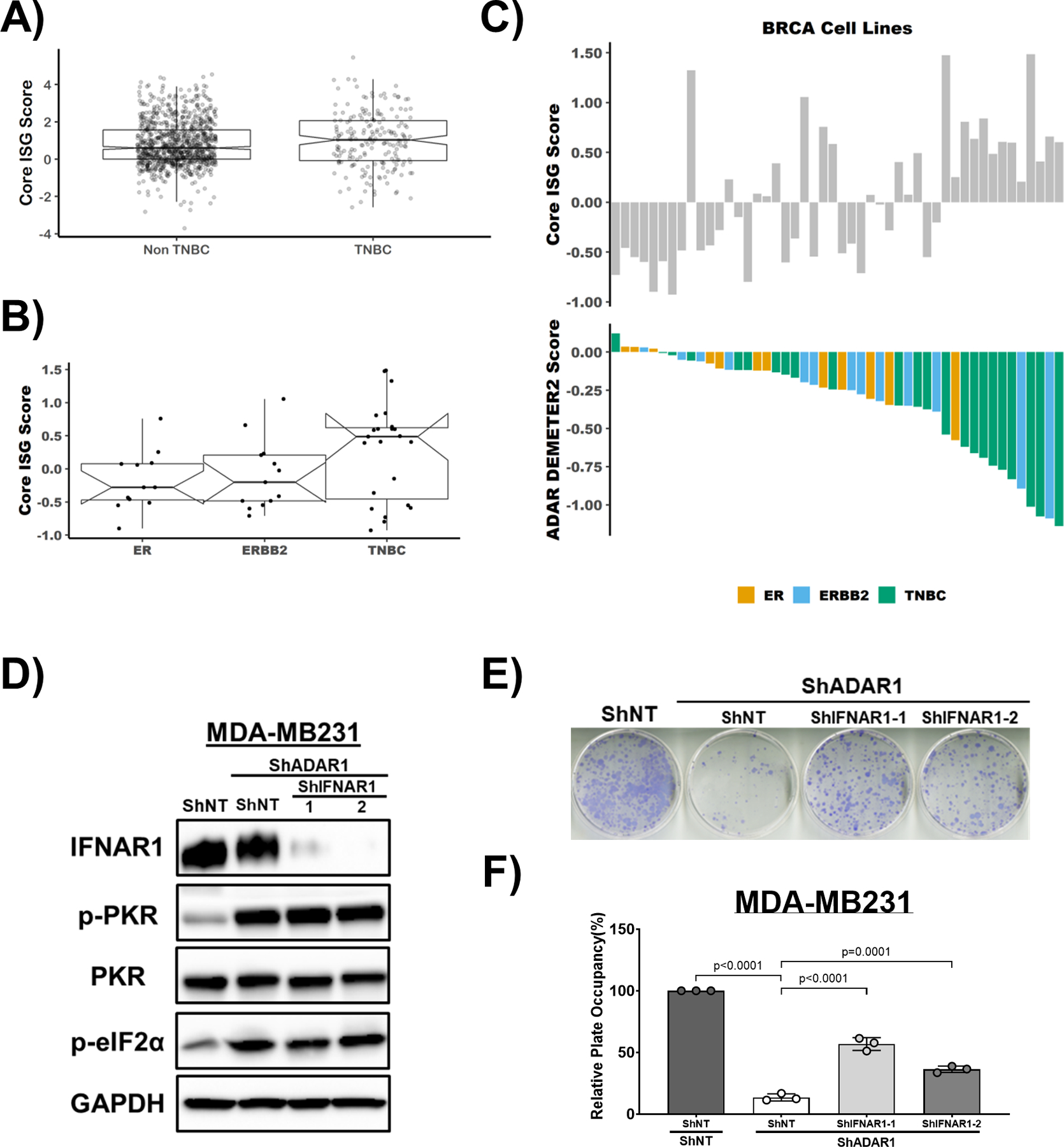
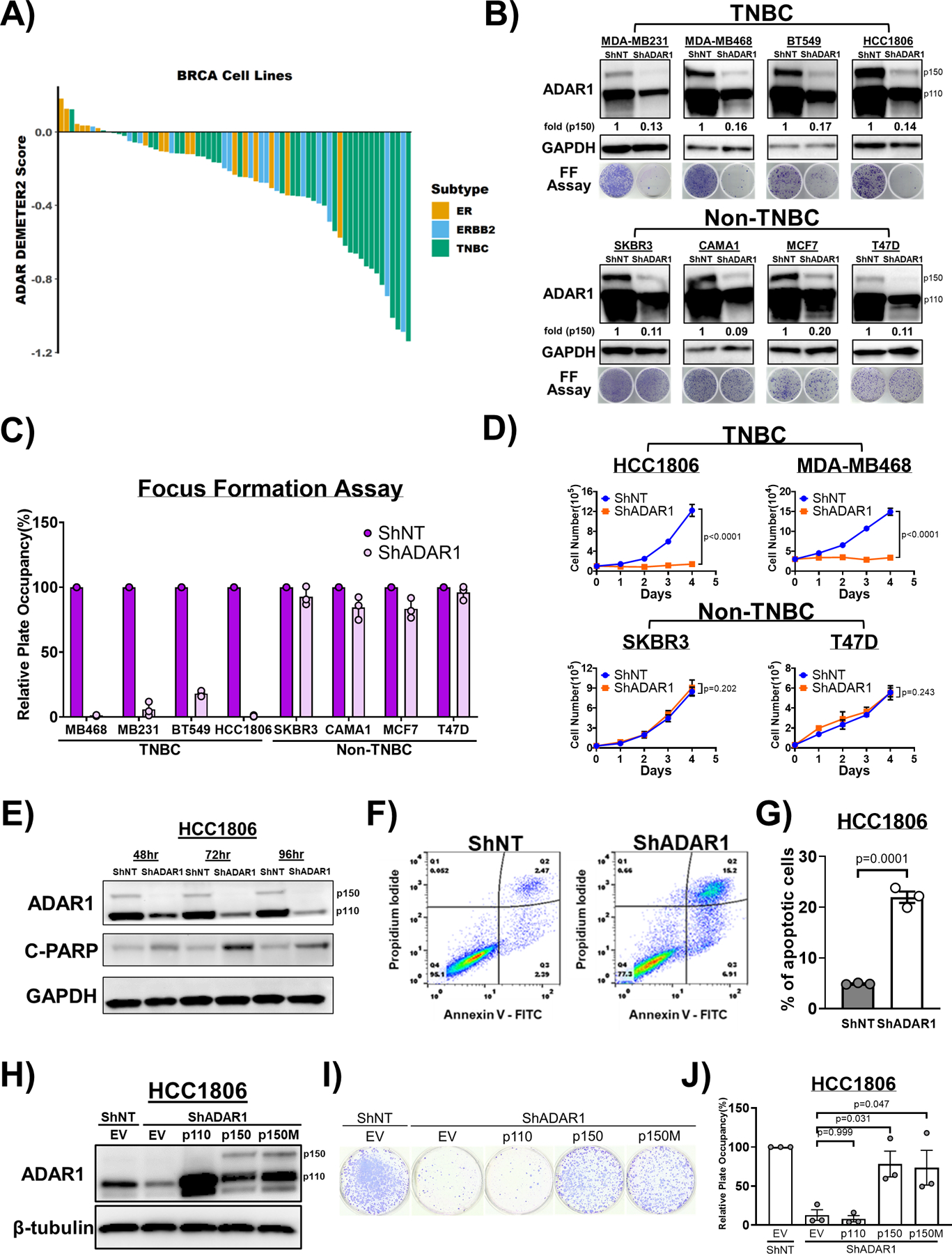
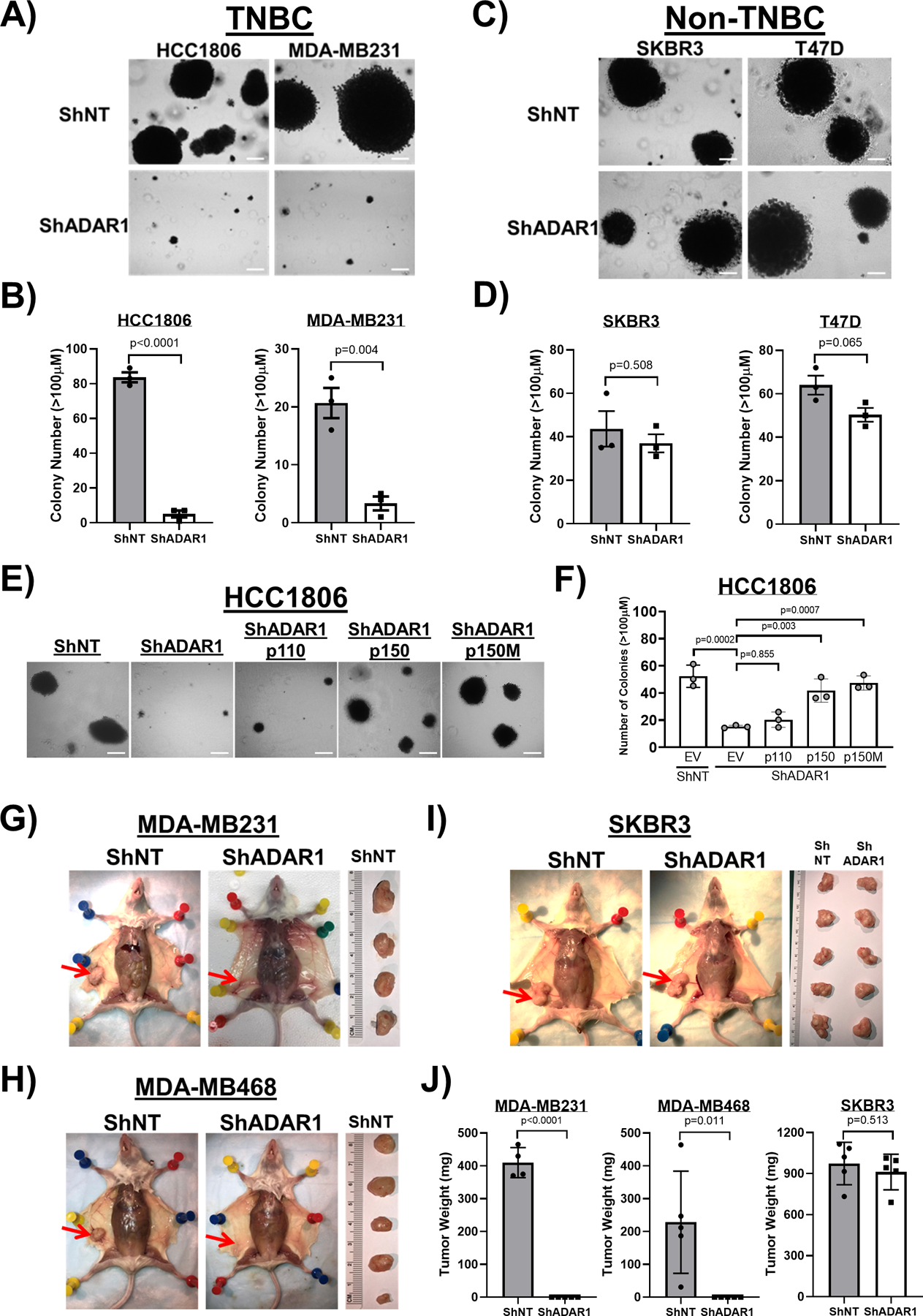
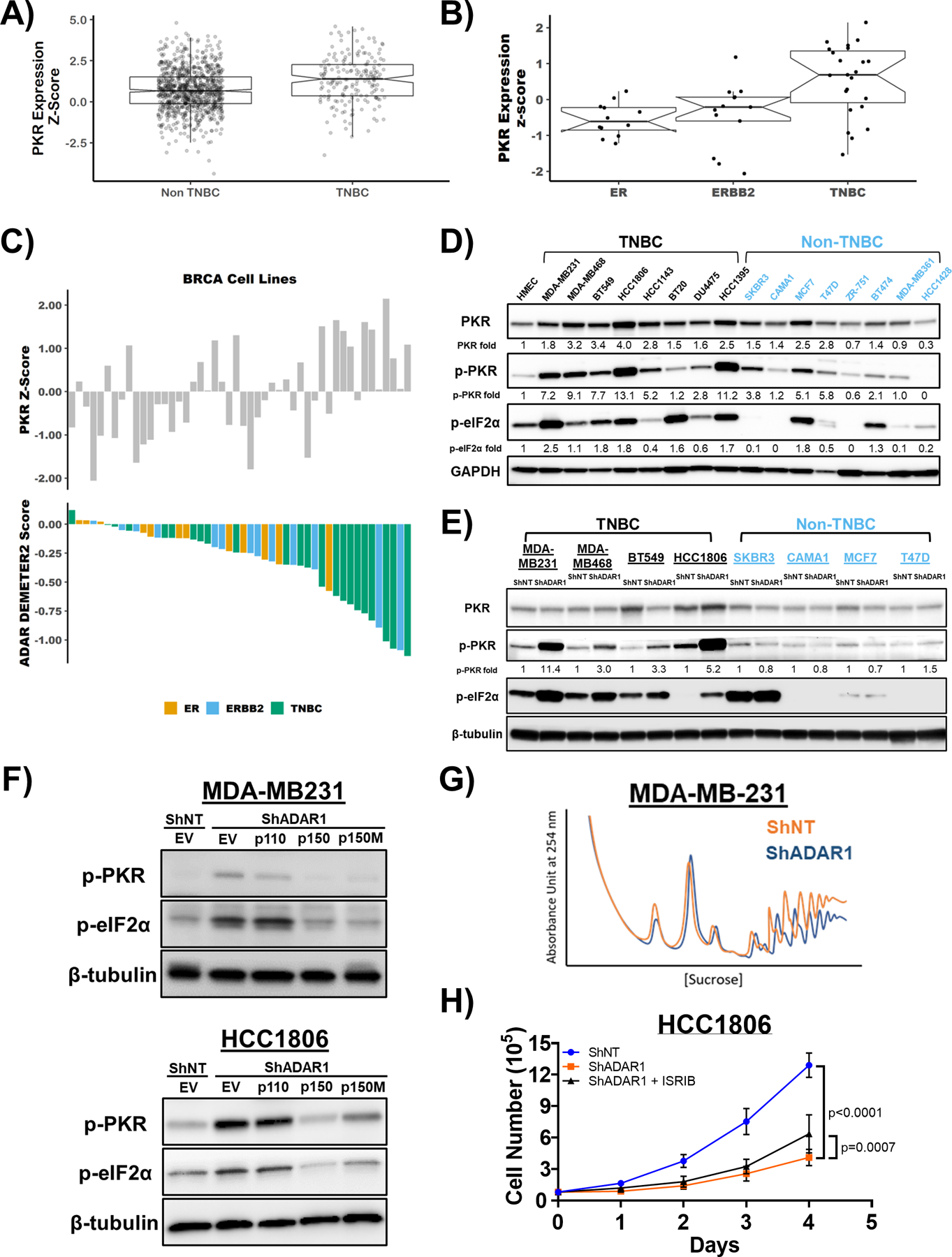
Triple-negative breast cancer (TNBC) is the deadliest form of breast cancer. Unlike other types of breast cancer that can be effectively treated by targeted therapies, no such targeted therapy exists for all TNBC patients. The ADAR1 enzyme carries out A-to-I editing of RNA to prevent sensing of endogenous double-stranded RNAs. ADAR1 is highly expressed in breast cancer including TNBC. Here, we demonstrate that expression of ADAR1, specifically its p150 isoform, is required for the survival of TNBC cell lines. In TNBC cells, knockdown of ADAR1 attenuates proliferation and tumorigenesis. Moreover, ADAR1 knockdown leads to robust translational repression. ADAR1-dependent TNBC cell lines also exhibit elevated IFN stimulated gene expression. IFNAR1 reduction significantly rescued the proliferative defects of ADAR1 loss. These findings establish ADAR1 as a novel therapeutic target for TNBC tumors.
三阴性乳腺癌(TNBC)是最致命的乳腺癌类型。与其他类型的乳腺癌不同,针对这些乳腺癌的靶向治疗可以有效进行,但针对所有 TNBC 患者的靶向治疗尚不存在。ADAR1 酶可对 RNA 进行 A 到 I 的编辑,以防止内源性双链 RNA 的感应。ADAR1 在包括 TNBC 在内的乳腺癌中高度表达。在这里,我们证明 ADAR1 的表达,特别是其 p150 同工型,是 TNBC 细胞系存活所必需的。在 TNBC 细胞中,ADAR1 的敲低会减弱增殖和致瘤性。此外,ADAR1 的敲低会导致翻译水平的强烈抑制。ADAR1 依赖性 TNBC 细胞系也表现出 IFN 刺激基因表达的增加。IFNAR1 的减少显著挽救了 ADAR1 缺失引起的增殖缺陷。这些发现确立了 ADAR1 作为 TNBC 肿瘤的新治疗靶点。