Karthikkeyan Gayathree, Najar Mohd Altaf, Pervaje Ravishankar, Pervaje Sameera Krishna, Modi Prashant Kumar, Prasad Thottethodi Subrahmanya Keshava
Center for Systems Biology and Molecular Medicine, Yenepoya Research Centre, Yenepoya (Deemed to be University), Mangalore 575018, India.
Sushrutha Ayurveda Hospital, Puttur 574201, India.
ACS Omega. 2020 Oct 6;5(41):26611-26625. doi: 10.1021/acsomega.0c03420. eCollection 2020 Oct 20.
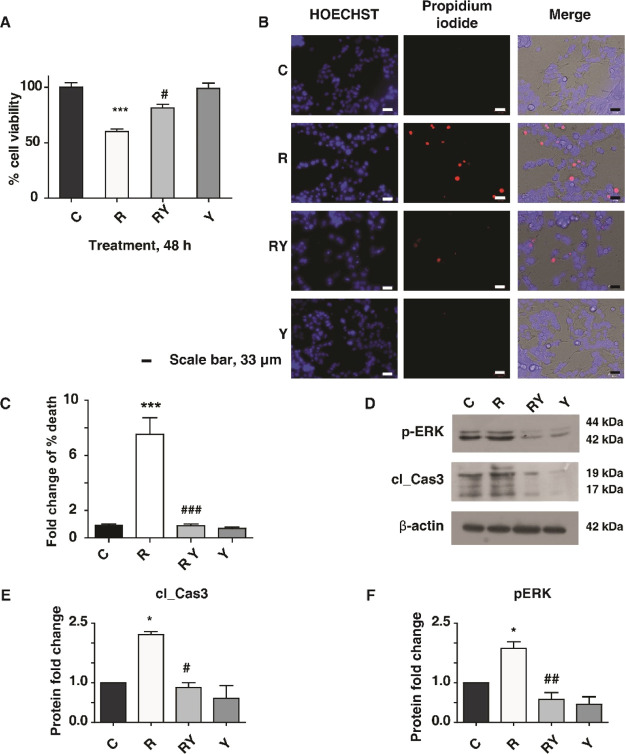
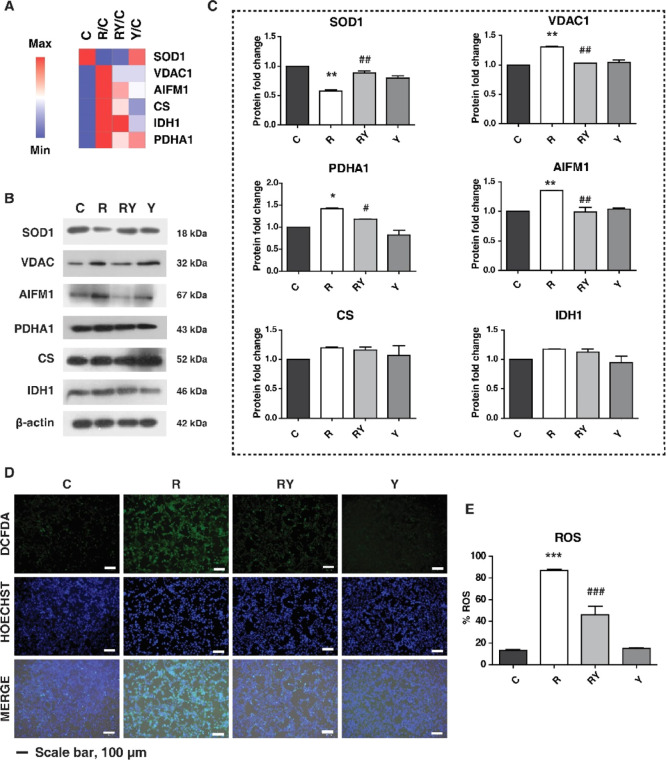
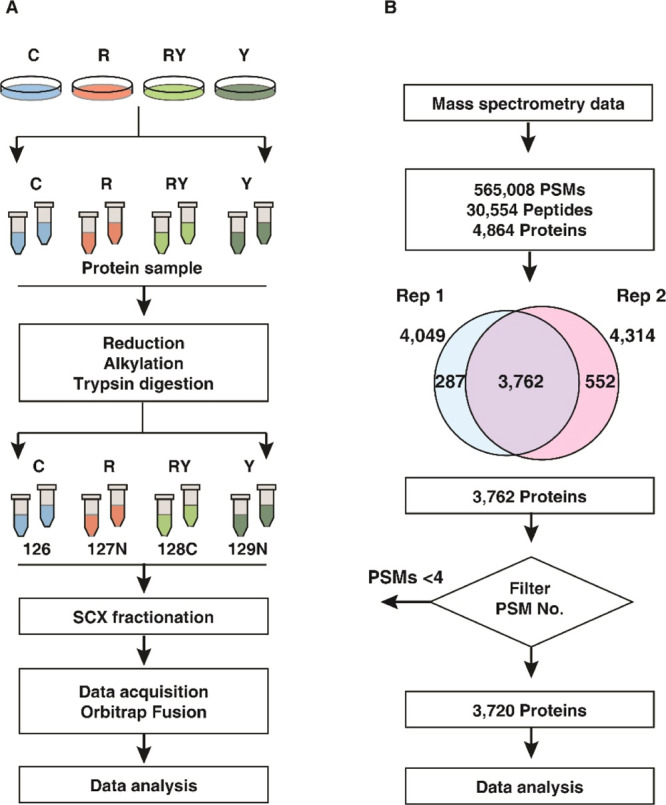
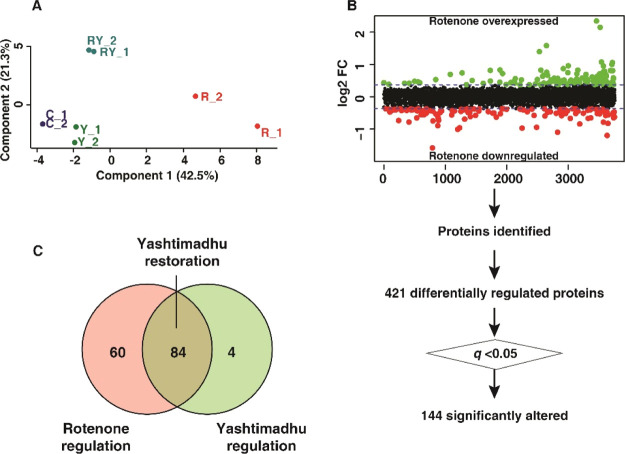
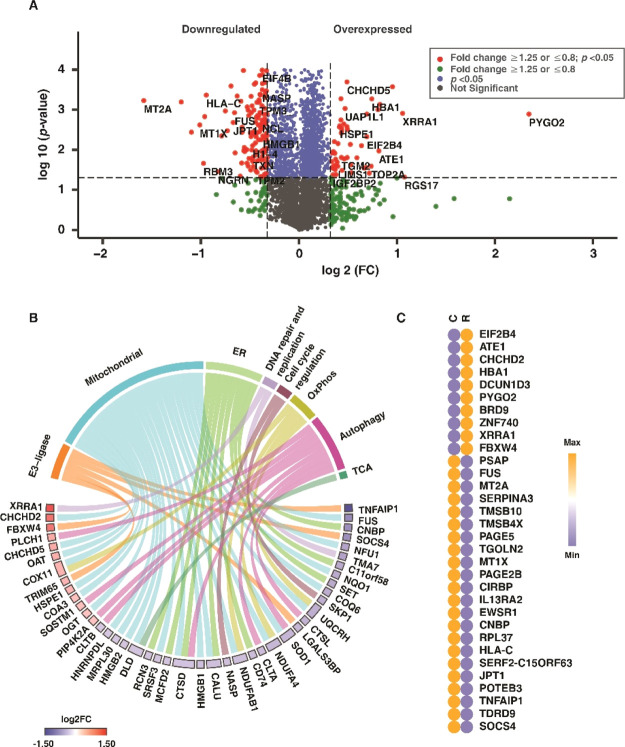
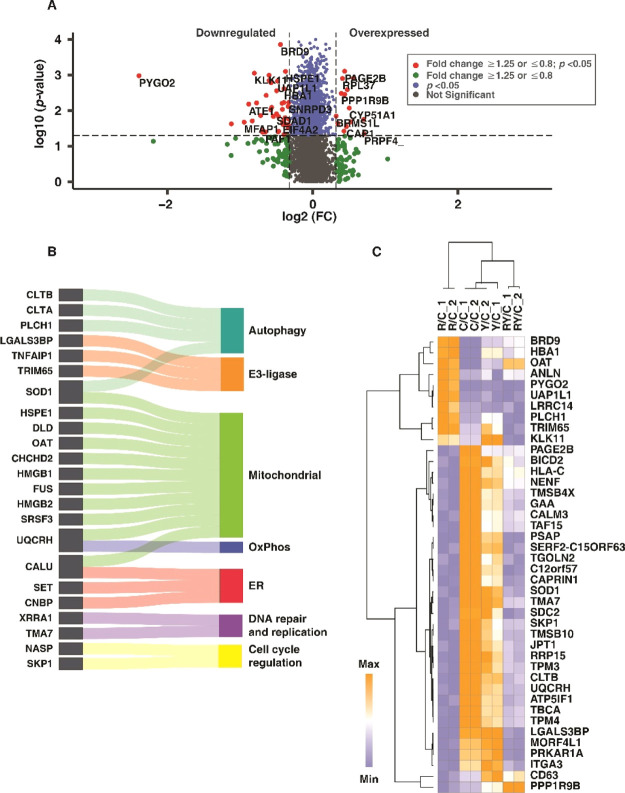
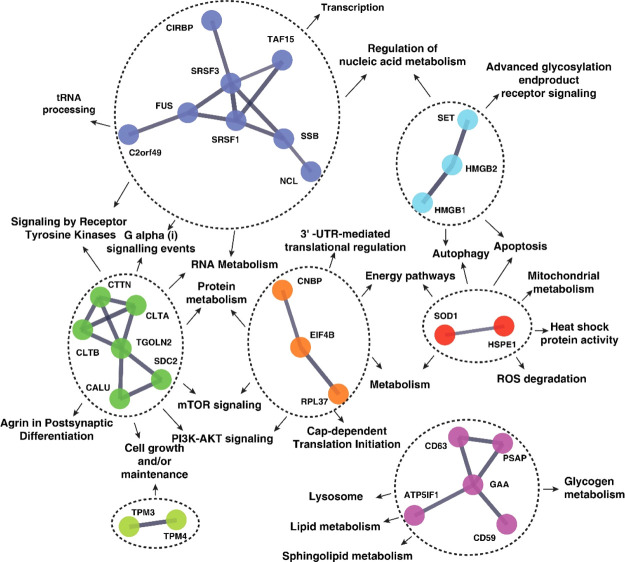
Parkinson's disease (PD) is a progressive neurodegenerative disorder, whose treatment with modern therapeutics leads to a plethora of side effects with prolonged usage. Therefore, the management of PD with complementary and alternative medicine is often pursued. In the Ayurveda system of alternative medicine, Yashtimadhu choorna, a (nootropic), prepared from the dried roots of L. (licorice), is prescribed for the management of PD with a favorable outcome. We pursued to understand the neuroprotective effects of Yashtimadhu choorna against a rotenone-induced cellular model of PD using differentiated IMR-32 cells. Cotreatment with Yashtimadhu choorna extract rescued rotenone-induced apoptosis and hyperphosphorylation of ERK-1/2. Quantitative proteomic analysis of six peptide fractions from independent biological replicates acquired 1,561,169 mass spectra, which when searched resulted in 565,008 peptide-spectrum matches mapping to 30,554 unique peptides that belonged to 4864 human proteins. Proteins commonly identified in biological replicates and >4 PSMs were considered for further analysis, leading to a refined set of 3720 proteins. Rotenone treatment differentially altered 144 proteins (fold ≥1.25 or ≤0.8), involved in mitochondrial, endoplasmic reticulum, and autophagy functions. Cotreatment with Yashtimadhu choorna extract rescued 84 proteins from the effect of rotenone and an additional regulation of 4 proteins. Network analysis highlighted the interaction of proteins and pathways regulated by them, which can be targeted for neuroprotection. Validation of proteomics data highlighted that Yashtimadhu confers neuroprotection by preventing mitochondrial oxidative stress and apoptosis. This discovery will pave the way for understanding the molecular action of Ayurveda drugs and developing novel therapeutics for PD.
帕金森病(PD)是一种进行性神经退行性疾病,长期使用现代疗法治疗会产生大量副作用。因此,人们常常寻求用补充和替代医学来管理帕金森病。在阿育吠陀替代医学体系中,由甘草(Glycyrrhiza glabra L.)干燥根制备的一种益智药——Yashtimadhu choorna,被用于治疗帕金森病并取得了良好效果。我们试图利用分化的IMR - 32细胞,了解Yashtimadhu choorna对鱼藤酮诱导的帕金森病细胞模型的神经保护作用。Yashtimadhu choorna提取物共处理可挽救鱼藤酮诱导的细胞凋亡和ERK - 1/2的过度磷酸化。对来自独立生物学重复的六个肽段进行定量蛋白质组学分析,获得了1,561,169个质谱图,搜索后得到565,008个肽谱匹配,对应30,554个独特肽段,这些肽段属于4864种人类蛋白质。在生物学重复中共同鉴定且肽谱匹配数大于4的蛋白质被用于进一步分析,最终得到一组经过优化的3720种蛋白质。鱼藤酮处理差异性地改变了144种蛋白质(倍数≥1.25或≤0.8),这些蛋白质参与线粒体、内质网和自噬功能。Yashtimadhu choorna提取物共处理可使84种蛋白质免受鱼藤酮的影响,并额外调节4种蛋白质。网络分析突出了蛋白质及其调控途径之间的相互作用,这些相互作用可作为神经保护的靶点。蛋白质组学数据的验证突出表明,Yashtimadhu通过预防线粒体氧化应激和细胞凋亡来赋予神经保护作用。这一发现将为理解阿育吠陀药物的分子作用以及开发帕金森病的新型治疗方法铺平道路。