Biology Department, College of Science, Princess Nourah Bint Abdulrahman University, Riyadh, Saudi Arabia.
Department of Basic Health Sciences, Princess Nourah Bint Abdulrahman University, Riyadh, Saudi Arabia.
Int J Nanomedicine. 2020 Oct 13;15:7861-7875. doi: 10.2147/IJN.S269004. eCollection 2020.
The topically administered drugs through conventional delivery systems have low bioavailability. Henceforth, the present study was designed to prepare and optimize clarithromycin (CTM)-loaded chitosan nanoparticles (CHNPs) to demonstrate the efficacy against microorganisms.
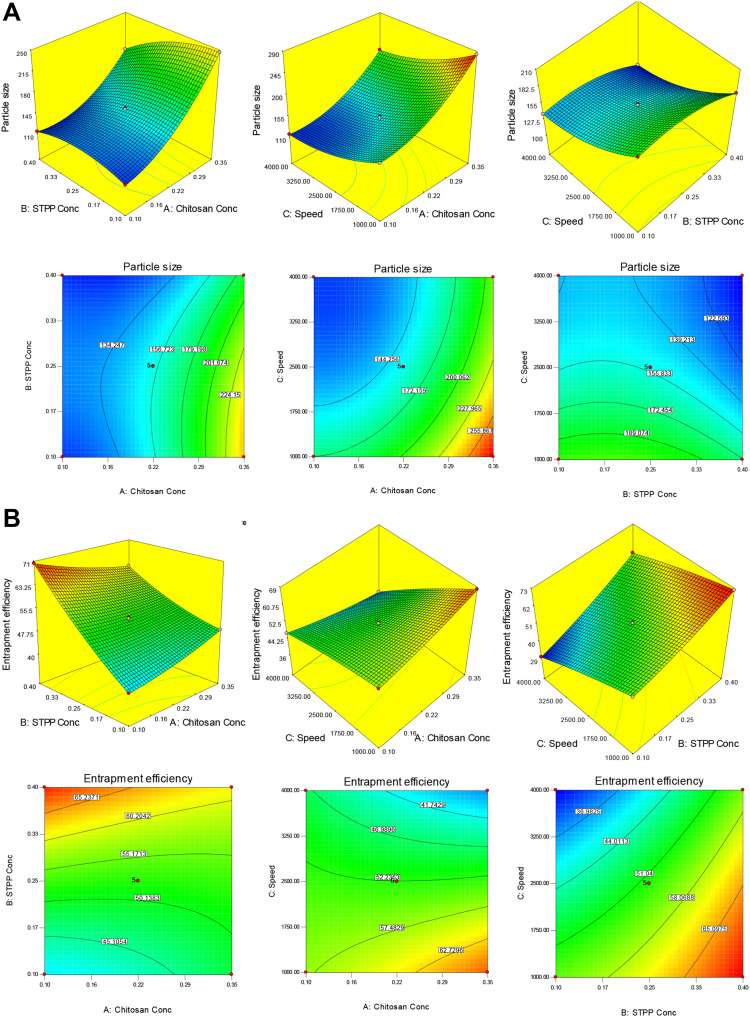
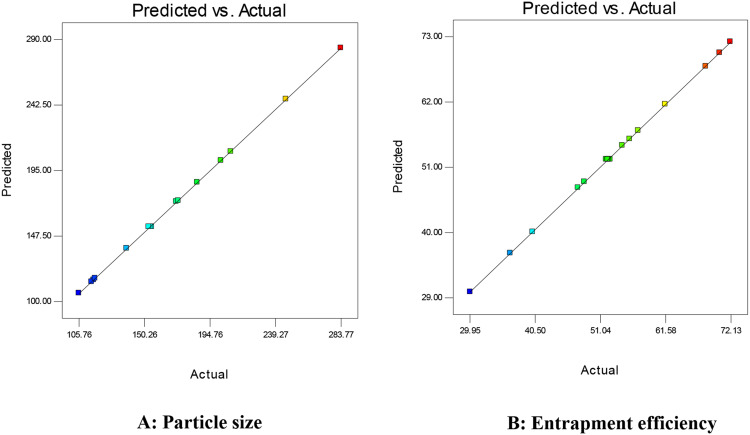
Clarithromycin-loaded chitosan nanoparticles (CTM-CHNPs) were prepared by ionotropic gelation method. The formulation was optimized by box-Behnken design using the formulation variables like CH (A), STPP concentration (B), and stirring speed (C). Their effects were evaluated on the independent variables like particle size (Y) and entrapment efficiency (Y). Further, CTM-CHNPs were evaluated for physicochemical parameters, in-vitro drug release, ex-vivo permeation, bioadhesive study, corneal hydration, histopathology, HET-CAM, and antibacterial study.
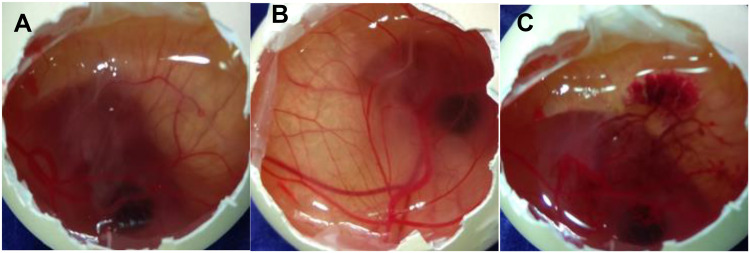
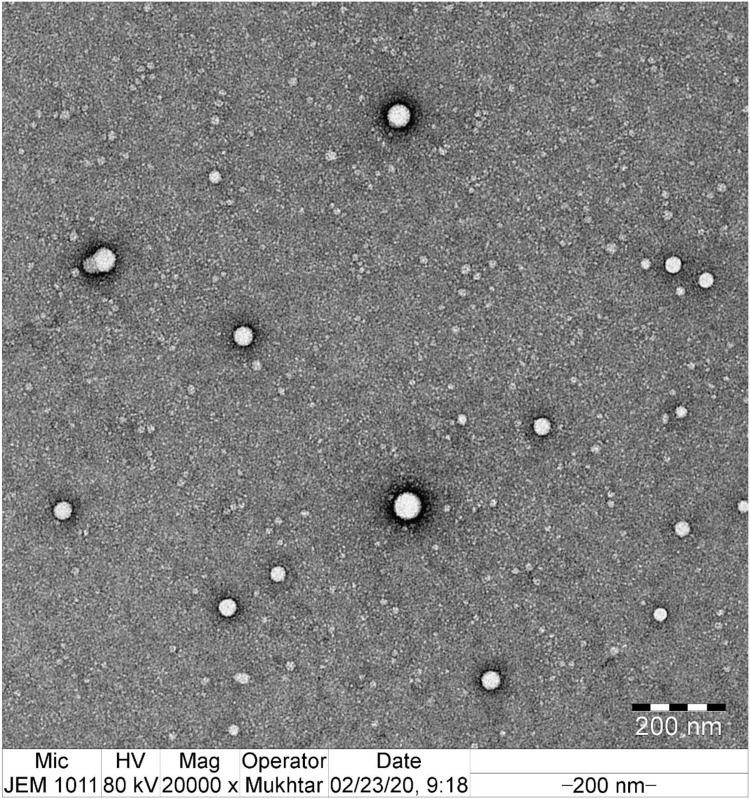
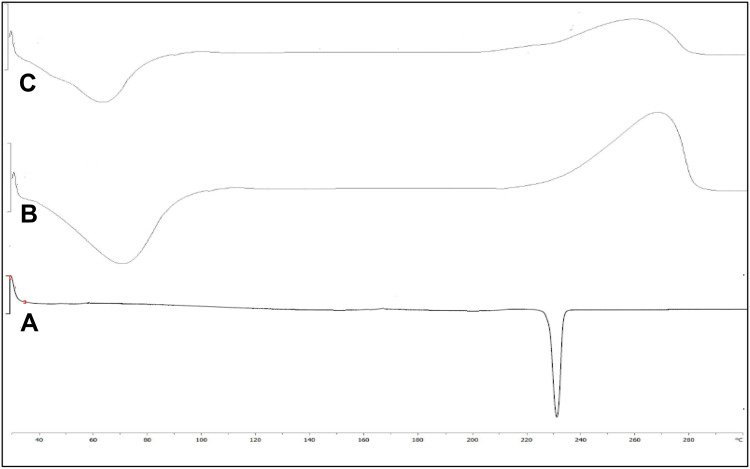
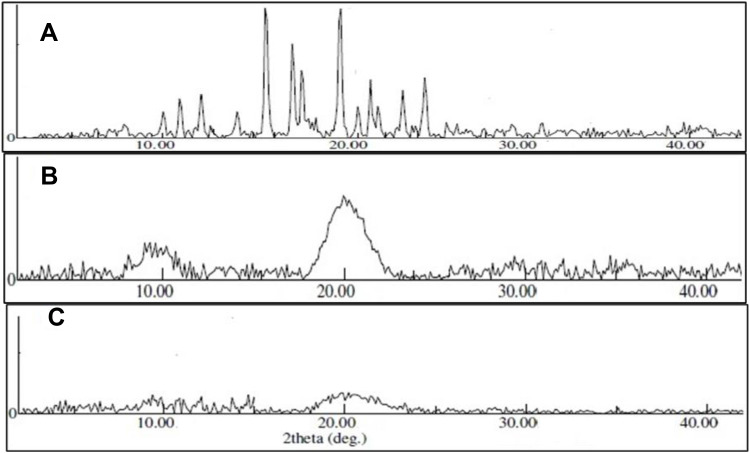
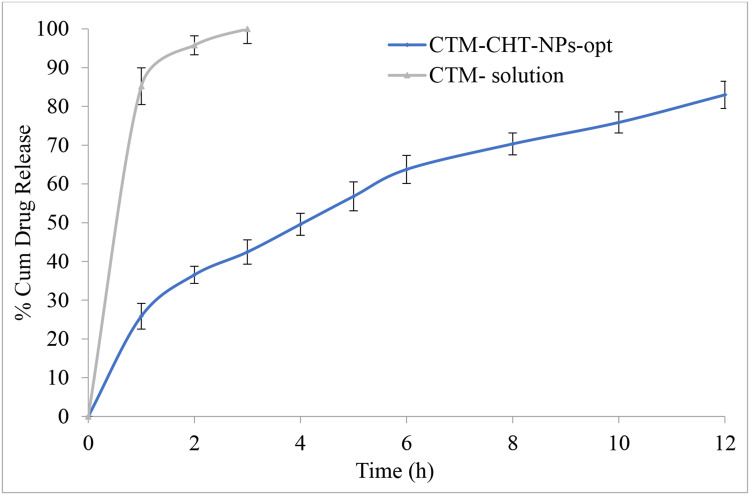
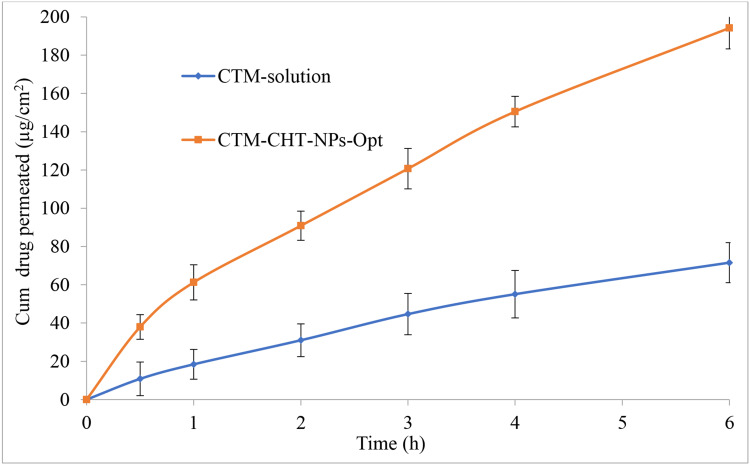
The optimized formulation (CTM-CHNPopt) showed the low particle size (152±5 nm), which is desirable for ocular delivery. It also showed high encapsulation (70.05%), zeta potential (+35.2 mV), and was found in a spherical shape. The drug release study revealed a sustained drug release profile (82.98±3.5% in 12 hours) with Korsmeyer peppas kinetic (R=0.996) release model. It showed a 2.7-fold higher corneal permeation than CTM-solution. CHNPs did not exhibit any sign of damage to excised goat cornea, which is confirmed by hydration, histopathology, and HET-CAM test. It exhibited significant (<0.05) higher antibacterial susceptibility than CTM-solution.
The finding of the study concluded that CTM-CHNPs can be used for effective management of bacterial conjunctivitis by increasing the precorneal residence time.
通过传统的给药系统,局部给予的药物生物利用度较低。因此,本研究旨在制备和优化克拉霉素(CTM)负载壳聚糖纳米粒(CHNPs),以证明其对微生物的疗效。
采用离子凝胶法制备克拉霉素载壳聚糖纳米粒(CTM-CHNPs)。采用 Box-Behnken 设计,以 CH(A)、STPP 浓度(B)和搅拌速度(C)为制剂变量对制剂进行优化。考察粒径(Y)和包封率(Y)等独立变量对制剂的影响。进一步对 CTM-CHNPs 进行理化参数、体外药物释放、离体渗透、生物黏附研究、角膜水化、组织病理学、HET-CAM 和抗菌研究评价。
优化后的制剂(CTM-CHNPopt)粒径较小(152±5nm),有利于眼部给药。它还具有高包封率(70.05%)、Zeta 电位(+35.2mV),呈球形。药物释放研究表明,具有持续药物释放特性(12 小时内 82.98±3.5%),符合 Korsmeyer-Peppas 动力学(R=0.996)释放模型。与 CTM 溶液相比,它的角膜渗透提高了 2.7 倍。CHNPs 对离体山羊角膜没有任何损伤迹象,这一点通过水化、组织病理学和 HET-CAM 试验得到了证实。与 CTM 溶液相比,它表现出显著(<0.05)更高的抗菌敏感性。
研究结果表明,CTM-CHNPs 可通过增加角膜前停留时间,有效治疗细菌性结膜炎。