Department of Radiobiology and Molecular Genetics, "VINČA" Institute of Nuclear Sciences - National Institute of the Republic of Serbia, University of Belgrade, Belgrade, Serbia.
Department of Endocrinology and Diabetes, Faculty of Medicine, University Clinical-Hospital Centre Zemun-Belgrade, University of Belgrade, Belgrade, Serbia.
Front Immunol. 2020 Sep 28;11:551758. doi: 10.3389/fimmu.2020.551758. eCollection 2020.
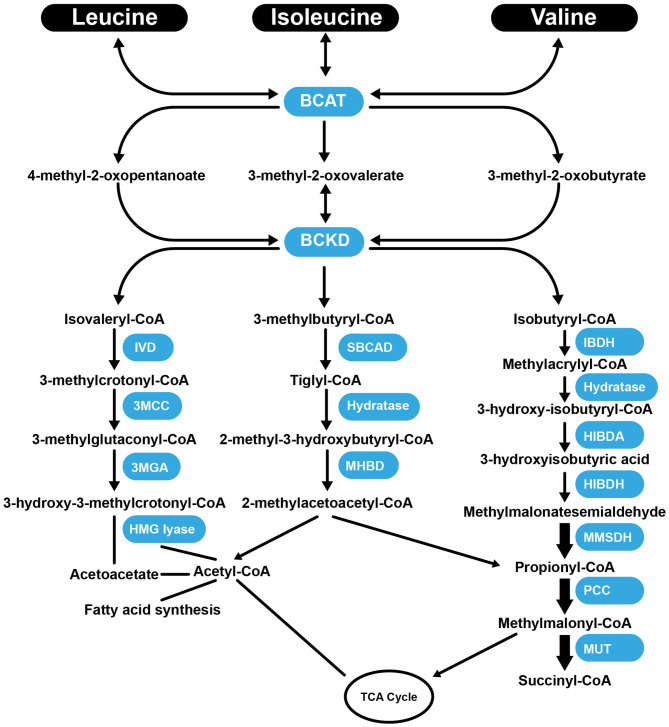
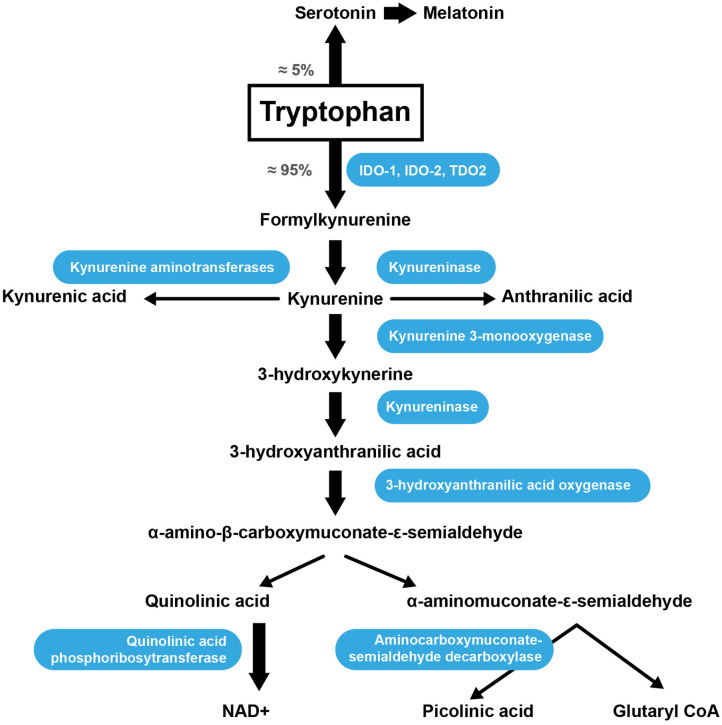
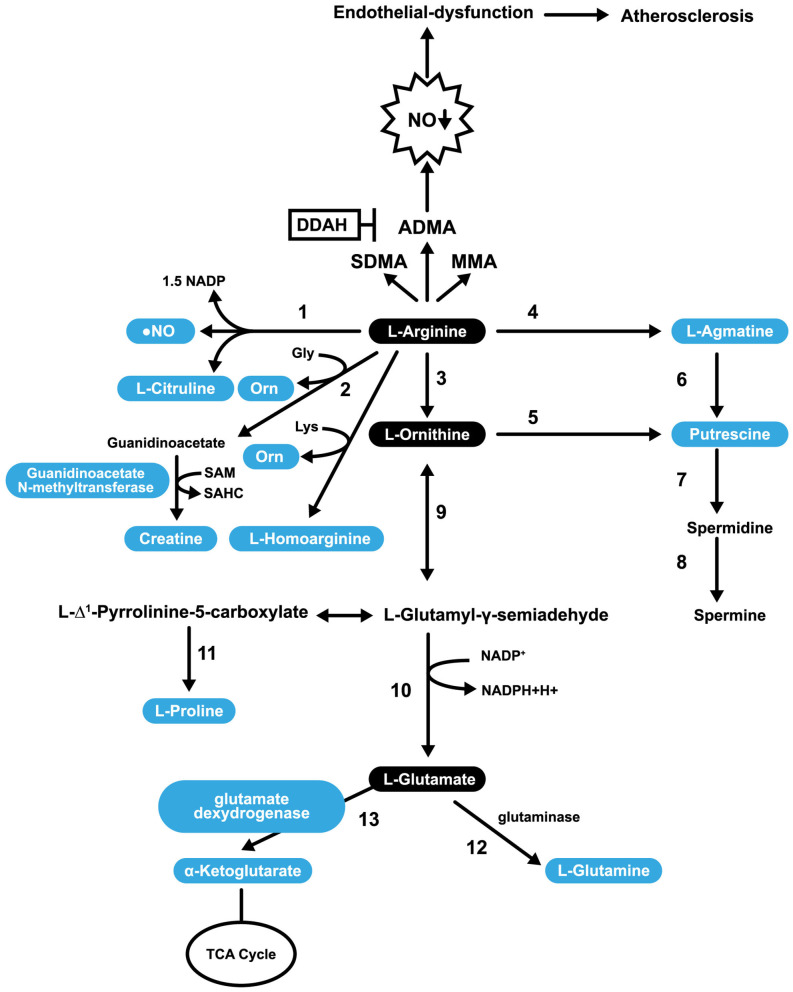
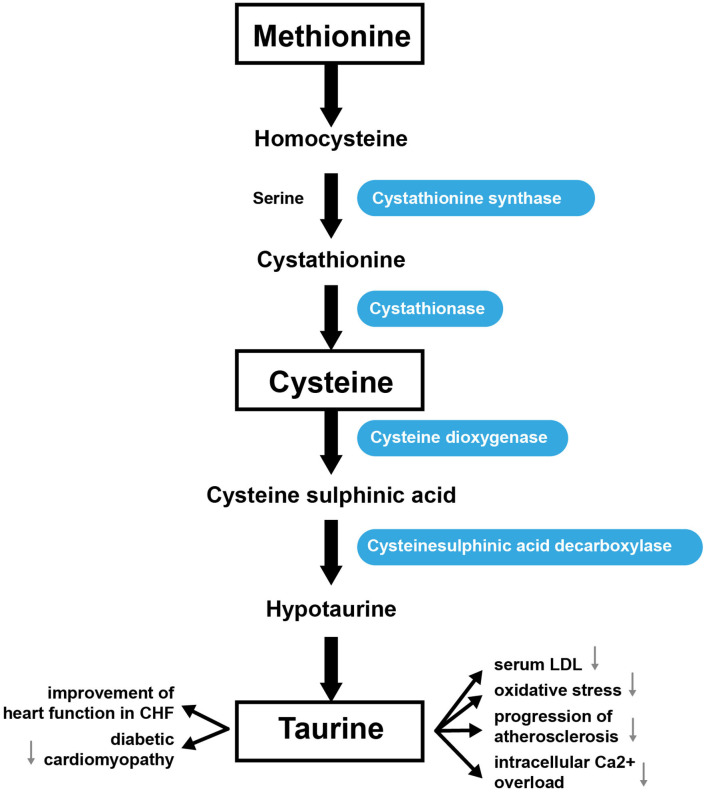
Cardiovascular disease is the leading global health concern and responsible for more deaths worldwide than any other type of disorder. Atherosclerosis is a chronic inflammatory disease in the arterial wall, which underpins several types of cardiovascular disease. It has emerged that a strong relationship exists between alterations in amino acid (AA) metabolism and the development of atherosclerosis. Recent studies have reported positive correlations between levels of branched-chain amino acids (BCAAs) such as leucine, valine, and isoleucine in plasma and the occurrence of metabolic disturbances. Elevated serum levels of BCAAs indicate a high cardiometabolic risk. Thus, BCAAs may also impact atherosclerosis prevention and offer a novel therapeutic strategy for specific individuals at risk of coronary events. The metabolism of AAs, such as L-arginine, homoarginine, and L-tryptophan, is recognized as a critical regulator of vascular homeostasis. Dietary intake of homoarginine, taurine, and glycine can improve atherosclerosis by endothelium remodeling. Available data also suggest that the regulation of AA metabolism by indoleamine 2,3-dioxygenase (IDO) and arginases 1 and 2 are mediated through various immunological signals and that immunosuppressive AA metabolizing enzymes are promising therapeutic targets against atherosclerosis. Further clinical studies and basic studies that make use of animal models are required. Here we review recent data examining links between AA metabolism and the development of atherosclerosis.
心血管疾病是全球主要的健康关注点,是全世界导致死亡的首要原因,超过其他任何类型的疾病。动脉粥样硬化是动脉壁的一种慢性炎症性疾病,是几种心血管疾病的基础。已经发现,氨基酸(AA)代谢的改变与动脉粥样硬化的发展之间存在很强的关系。最近的研究报告称,血浆中支链氨基酸(BCAAs)如亮氨酸、缬氨酸和异亮氨酸的水平与代谢紊乱的发生之间存在正相关。BCAAs 的血清水平升高表明心血管代谢风险很高。因此,BCAAs 可能也会影响动脉粥样硬化的预防,并为有发生冠心病风险的特定人群提供一种新的治疗策略。L-精氨酸、同型精氨酸和 L-色氨酸等 AA 的代谢被认为是血管内稳态的关键调节剂。饮食中摄入同型精氨酸、牛磺酸和甘氨酸可以通过内皮重塑来改善动脉粥样硬化。现有数据还表明,通过各种免疫信号介导的 IDO 和精氨酸酶 1 和 2 对 AA 代谢的调节,以及具有免疫抑制作用的 AA 代谢酶是针对动脉粥样硬化的有前途的治疗靶点。需要进一步的临床研究和利用动物模型的基础研究。在这里,我们综述了最近关于 AA 代谢与动脉粥样硬化发展之间关系的研究数据。