UCSF Diabetes Center, San Francisco, CA, USA.
Eli and Edythe Broad Center of Regeneration Medicine and Stem Cell Research, San Francisco, CA, USA.
Nature. 2019 Aug;572(7771):614-619. doi: 10.1038/s41586-019-1503-x. Epub 2019 Aug 21.
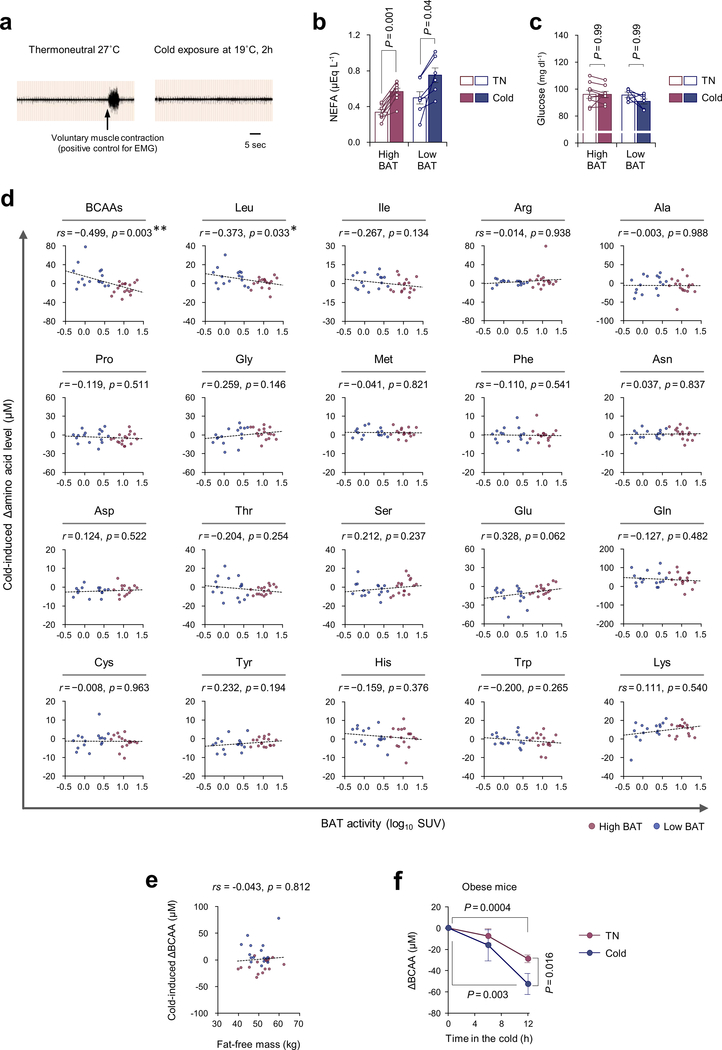
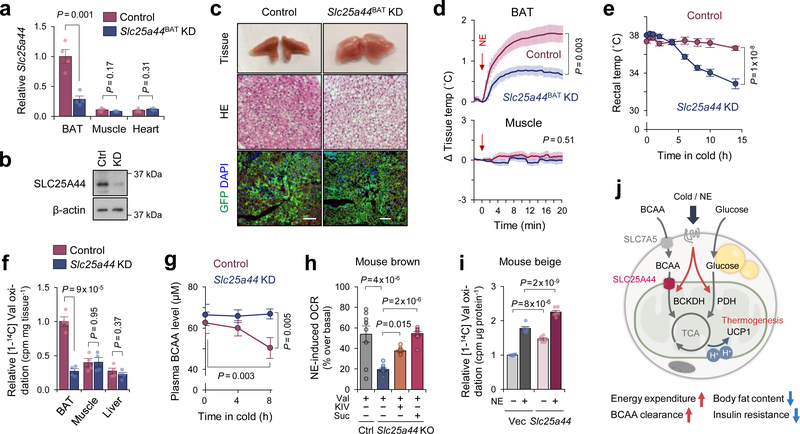
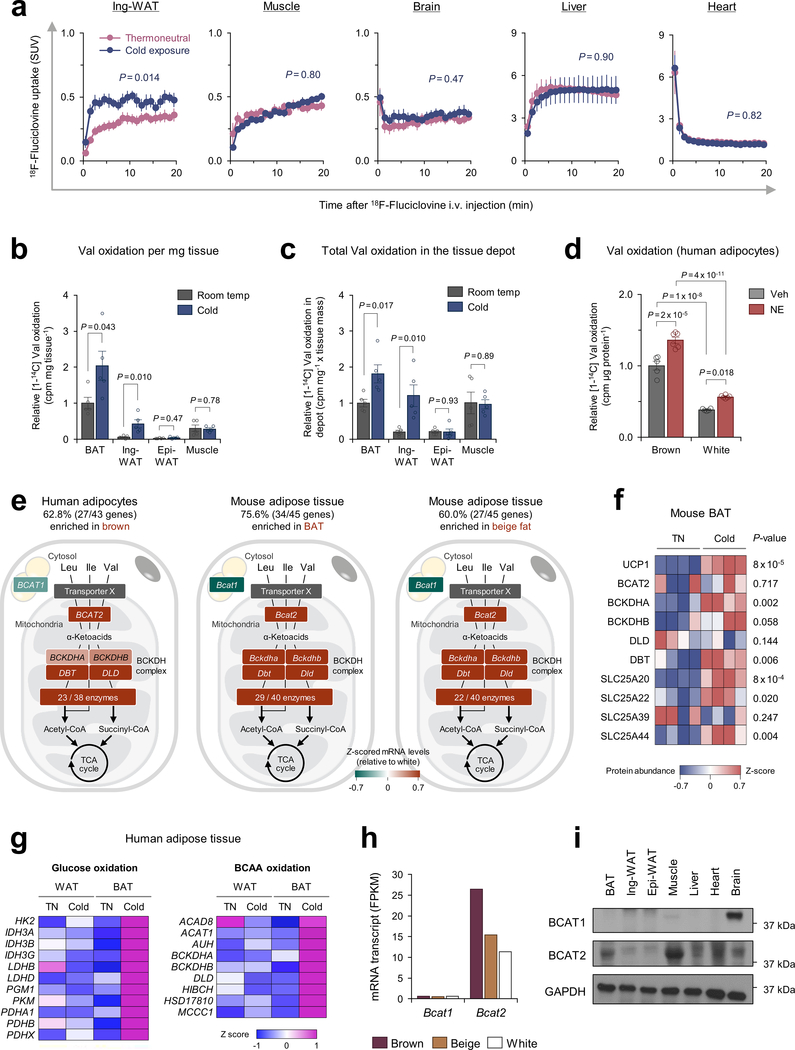
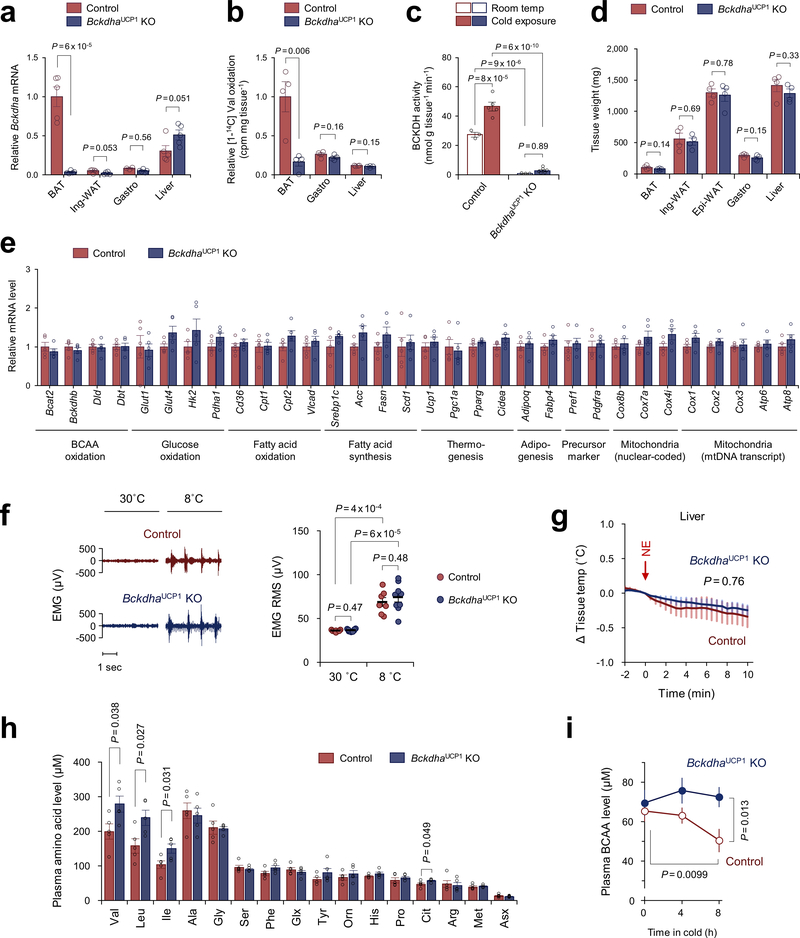
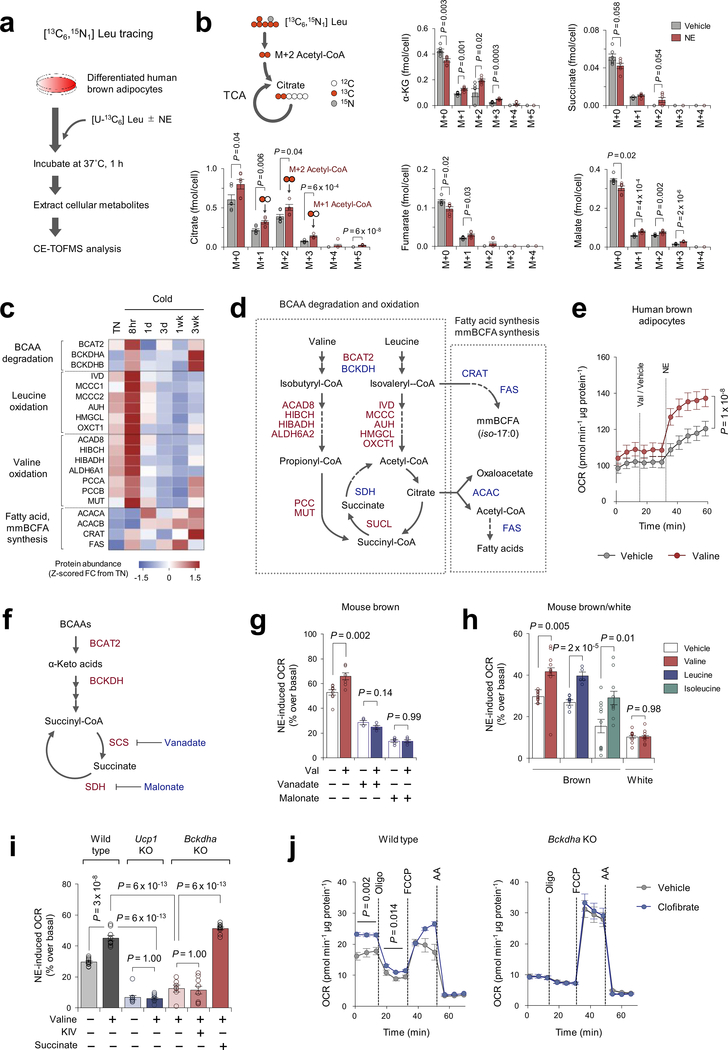
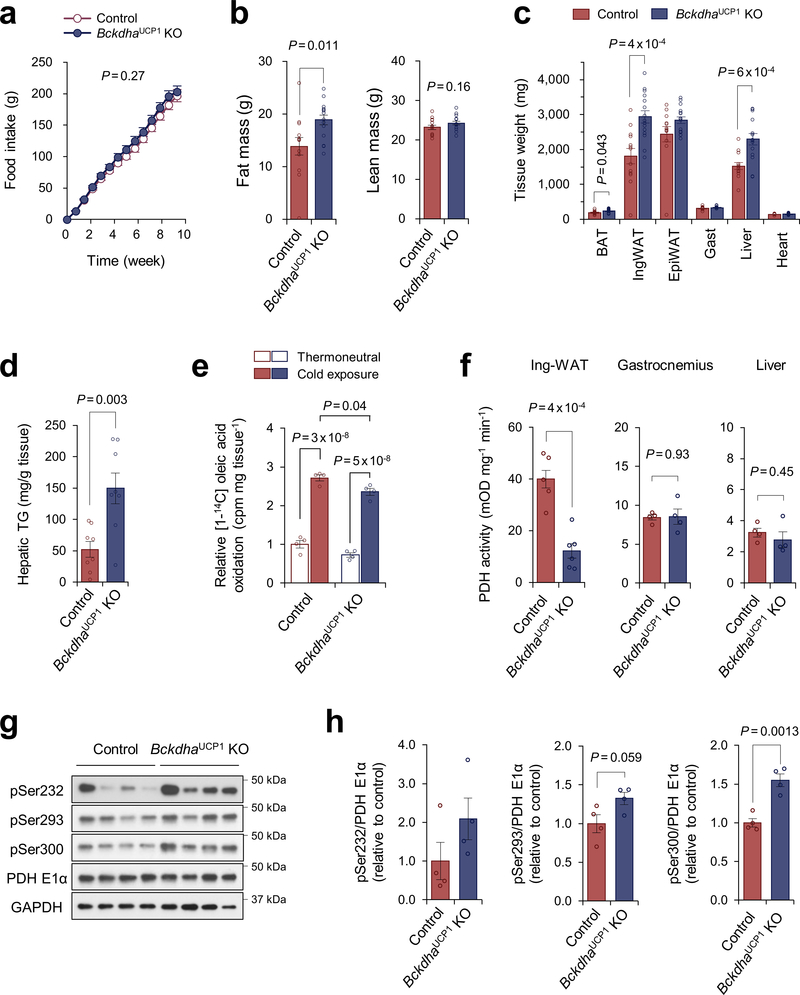
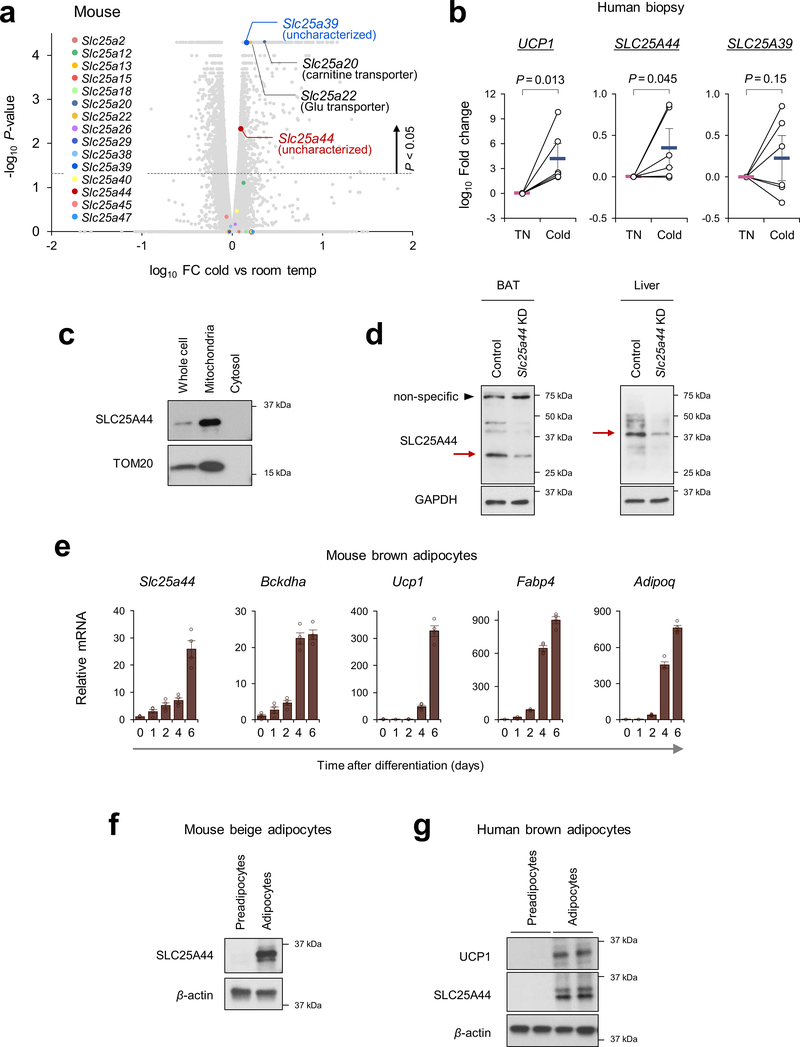
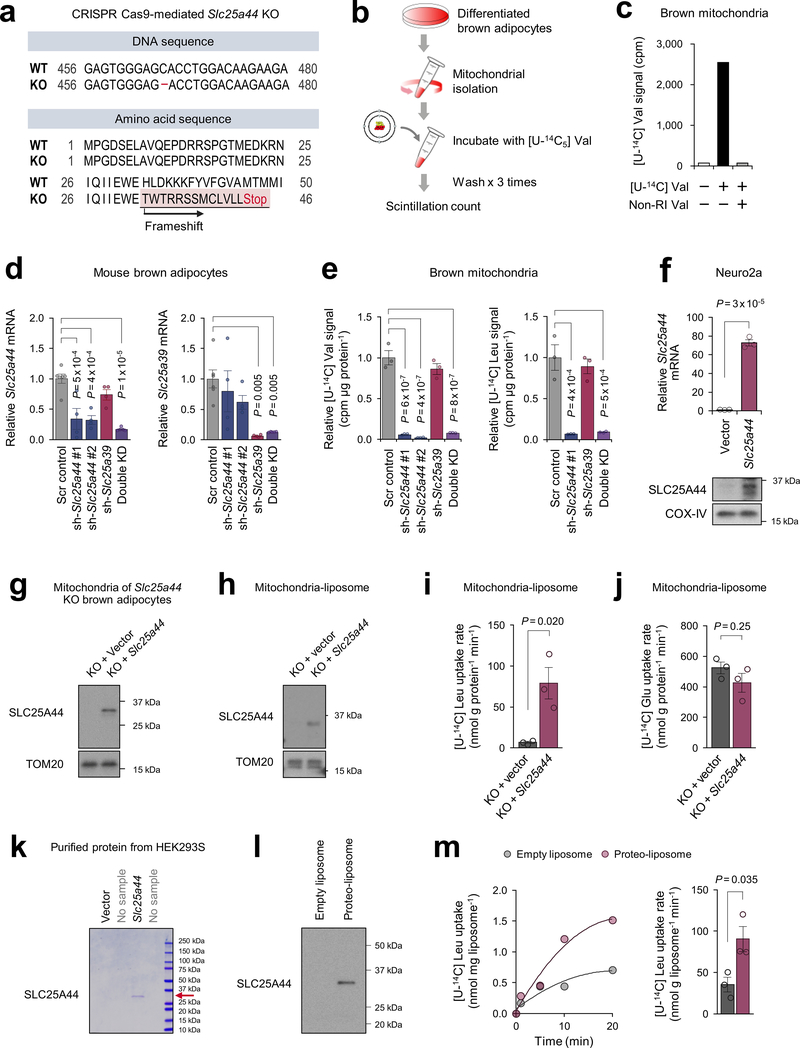
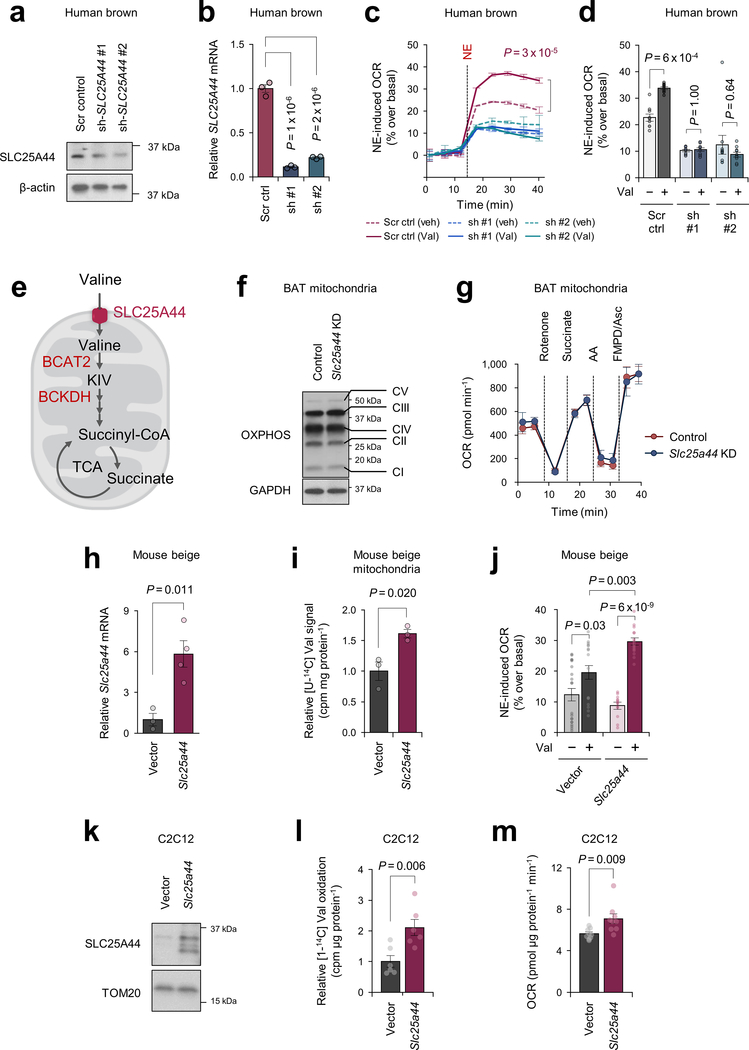
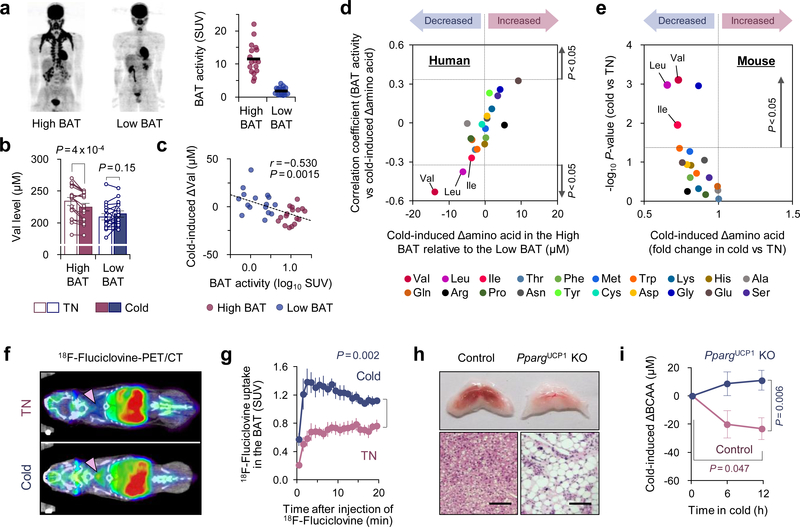
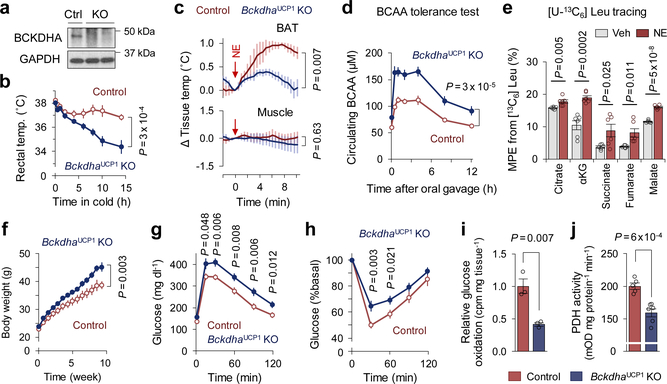
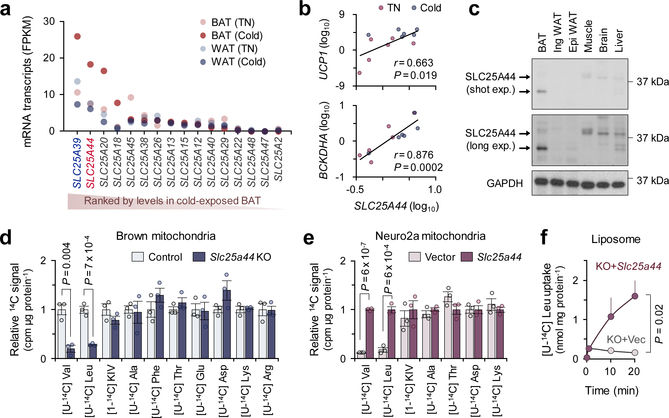
Branched-chain amino acid (BCAA; valine, leucine and isoleucine) supplementation is often beneficial to energy expenditure; however, increased circulating levels of BCAA are linked to obesity and diabetes. The mechanisms of this paradox remain unclear. Here we report that, on cold exposure, brown adipose tissue (BAT) actively utilizes BCAA in the mitochondria for thermogenesis and promotes systemic BCAA clearance in mice and humans. In turn, a BAT-specific defect in BCAA catabolism attenuates systemic BCAA clearance, BAT fuel oxidation and thermogenesis, leading to diet-induced obesity and glucose intolerance. Mechanistically, active BCAA catabolism in BAT is mediated by SLC25A44, which transports BCAAs into mitochondria. Our results suggest that BAT serves as a key metabolic filter that controls BCAA clearance via SLC25A44, thereby contributing to the improvement of metabolic health.
支链氨基酸(BCAA;缬氨酸、亮氨酸和异亮氨酸)补充剂通常有益于能量消耗;然而,循环中 BCAA 水平的升高与肥胖和糖尿病有关。这种悖论的机制尚不清楚。在这里,我们报告说,在寒冷暴露下,棕色脂肪组织(BAT)在线粒体中积极利用 BCAA 进行产热,并促进小鼠和人类的全身 BCAA 清除。反过来,BAT 中 BCAA 分解代谢的特定缺陷会减弱全身 BCAA 清除、BAT 燃料氧化和产热,导致饮食诱导的肥胖和葡萄糖不耐受。从机制上讲,BAT 中的活性 BCAA 分解代谢是由 SLC25A44 介导的,它将 BCAA 转运到线粒体中。我们的研究结果表明,BAT 作为一种关键的代谢过滤器,通过 SLC25A44 控制 BCAA 的清除,从而有助于改善代谢健康。