Fahs Assil, Ramadan Farah, Ghamloush Farah, Ayoub Abeer J, Ahmad Fatima Ali, Kobeissy Firas, Mechref Yehia, Zhao Jingfu, Zhu Rui, Hussein Nader, Saab Raya, Ghayad Sandra E
Department of Biology, Faculty of Science II, Lebanese University, Fanar, Lebanon.
Department of Anatomy, Cell Biology and Physiology, American University of Beirut, Beirut, Lebanon.
Front Oncol. 2020 Oct 1;10:1784. doi: 10.3389/fonc.2020.01784. eCollection 2020.
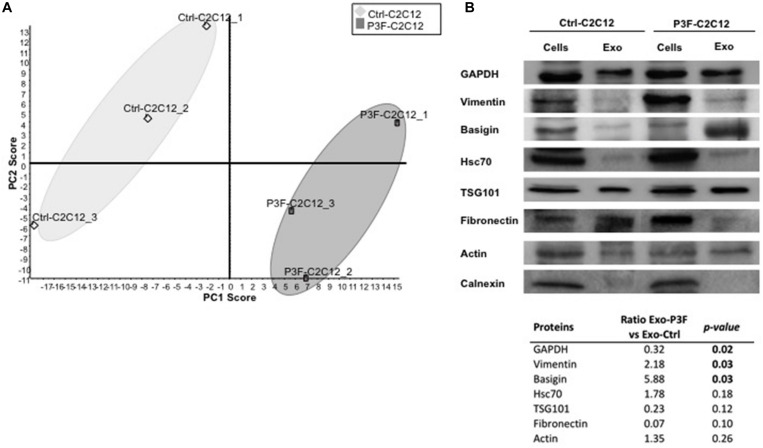
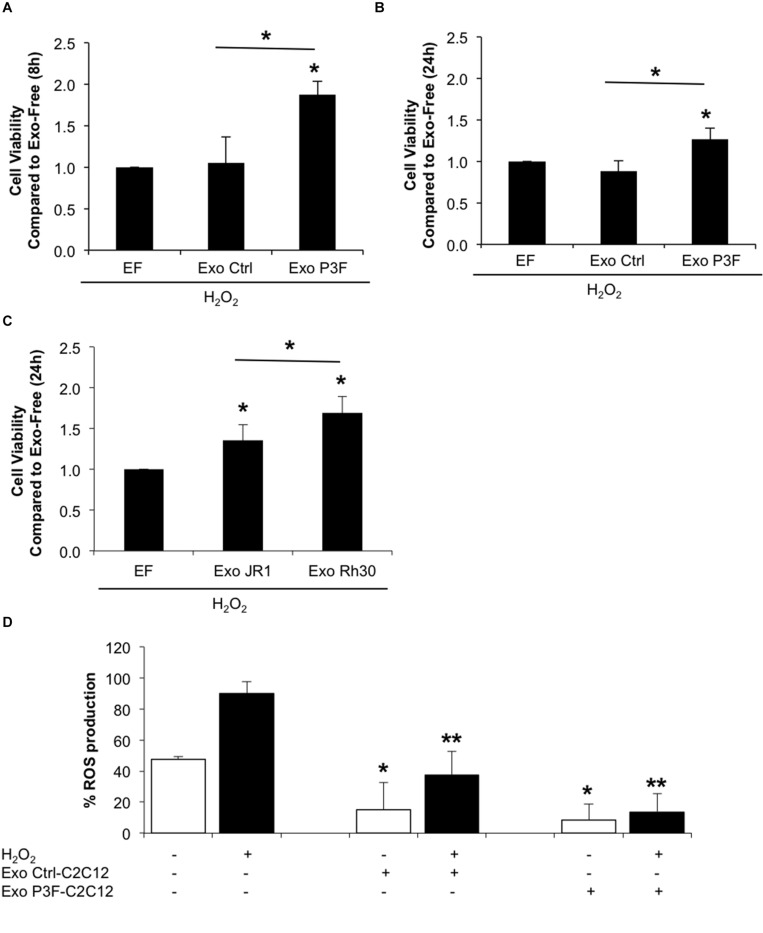
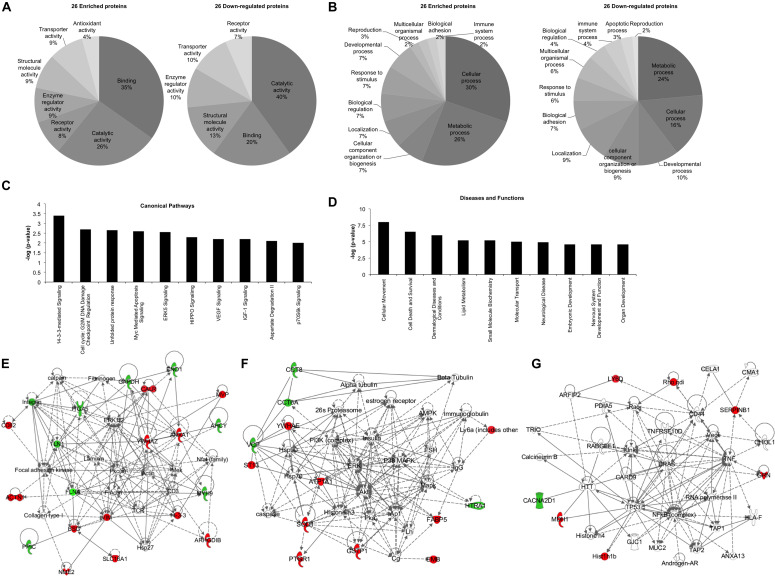
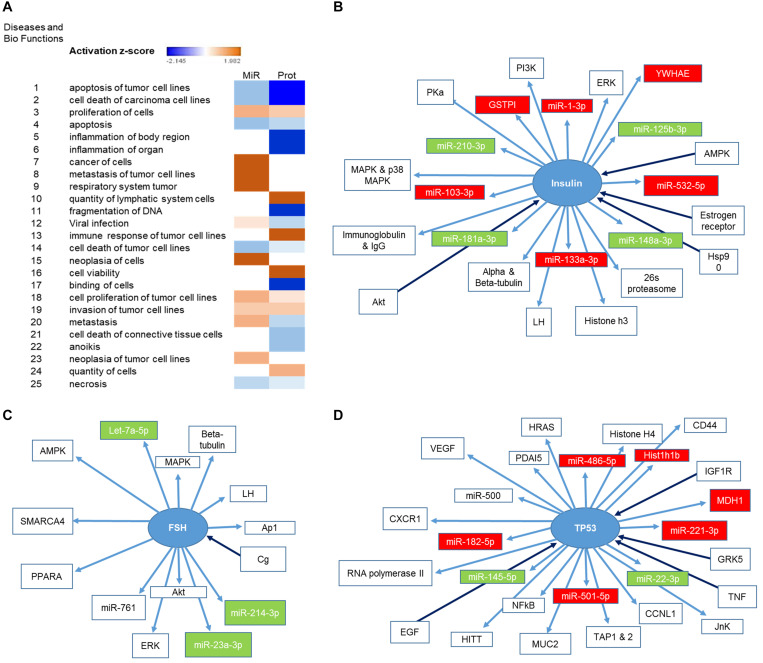
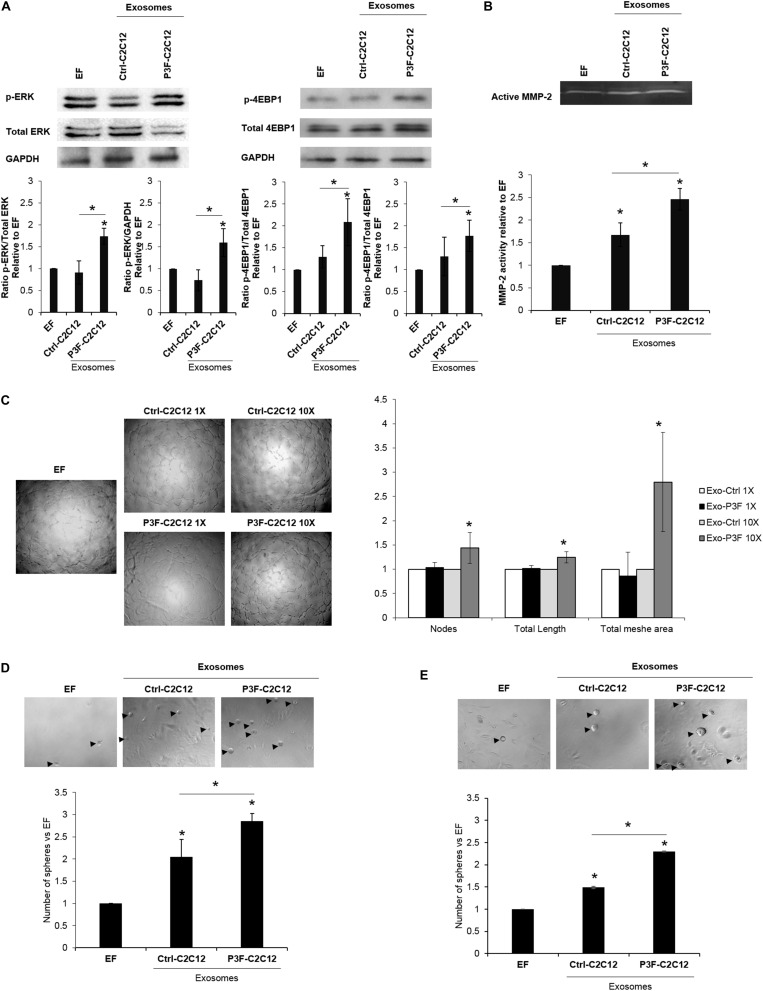
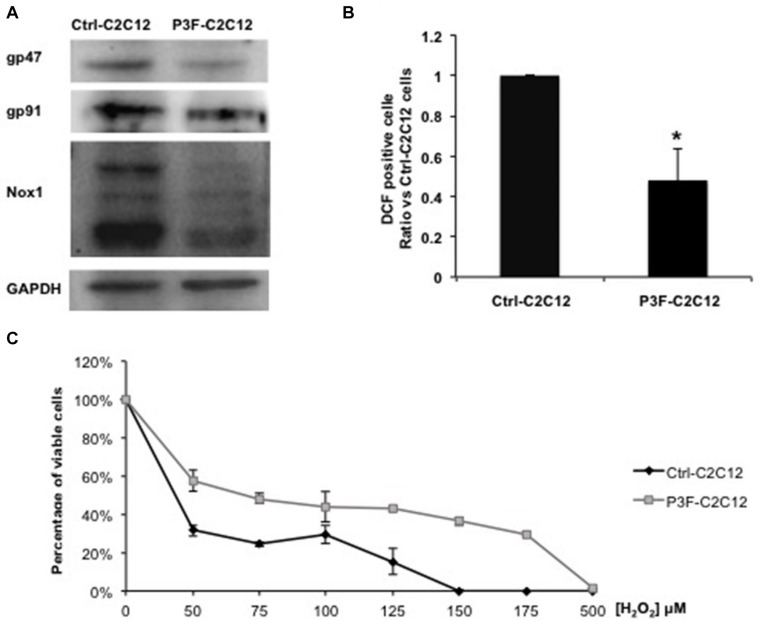
Rhabdomyosarcoma (RMS) is a highly malignant soft tissue sarcoma classified into two major histologic subtypes: embryonal (ERMS) and alveolar (ARMS). ARMS subtype is clinically more aggressive, and characterized by an oncogenic fusion protein PAX3-FOXO1 (P3F) that drives oncogenic cellular properties. To understand the role of the fusion oncoprotein in paracrine signaling, we focused on secreted exosomes, which have been demonstrated to contribute to metastasis in multiple tumor types. Advanced Proteomics-bioinformatics analysis of the protein cargo of exosomes isolated from C2C12 myoblasts transduced with P3F fusion gene revealed 52 deregulated proteins compared to control cells, with 26 enriched and 26 depleted proteins. Using both PANTHER gene classification and Ingenuity Pathway Analysis (IPA) software, we found that the main biological processes in which the 52 deregulated proteins are involved, include "catalytic activity," "binding," "metabolic process," and "cellular process." The pathways engaging the 26 enriched proteins include the "14-3-3 mediated signaling," "cell cycle," and "ERK5, VEGF, IGF1,and p70S6K signaling." Furthermore, the main nodes in which deregulated exosome proteins and miRNAs intersected revealed pathways conferring protection from stress and promoting plasticity. Based on the bioinformatics analysis and the altered exosome proteome profile, we performed biochemical functional analysis to study the diverse properties of these exosomes where angiogenesis, stemness, and anti-oxidative stress properties were validated using different platforms. P3F-modulated exosomes activated ERK, 4-EBP1, and MMP-2 in recipient cells, and enhanced angiogenesis and stemness. In addition, P3F led to lower cellular reactive oxygen species levels and enhanced resistance against oxidative stress; and treatment of stromal cells with P3F-modulated exosomes also conferred protection against exogenous oxidative stress. Our findings highlight the role of P3F fusion protein in modulating exosome cargo to confer a protective effect on recipient cells against oxidative stress and to promote plasticity and survival, potentially contributing to the known aggressive phenotype of the fusion gene-positive subtype of RMS.
横纹肌肉瘤(RMS)是一种高度恶性的软组织肉瘤,分为两种主要的组织学亚型:胚胎型(ERMS)和肺泡型(ARMS)。ARMS亚型在临床上更具侵袭性,其特征是一种致癌融合蛋白PAX3 - FOXO1(P3F),该蛋白驱动致癌细胞特性。为了了解融合致癌蛋白在旁分泌信号传导中的作用,我们聚焦于分泌的外泌体,外泌体已被证明在多种肿瘤类型中促进转移。对用P3F融合基因转导的C2C12成肌细胞分离的外泌体蛋白货物进行的高级蛋白质组学 - 生物信息学分析显示,与对照细胞相比,有52种失调蛋白,其中26种蛋白富集,26种蛋白减少。使用PANTHER基因分类和 Ingenuity Pathway Analysis(IPA)软件,我们发现这52种失调蛋白参与的主要生物学过程包括“催化活性” “结合” “代谢过程”和“细胞过程”。涉及26种富集蛋白的信号通路包括“14 - 3 - 3介导的信号传导” “细胞周期”以及“ERK5、VEGF、IGF1和p70S6K信号传导”。此外,失调的外泌体蛋白和miRNA相交的主要节点揭示了赋予应激保护和促进可塑性的信号通路。基于生物信息学分析和改变的外泌体蛋白质组谱,我们进行了生化功能分析,以研究这些外泌体的多种特性,其中使用不同平台验证了血管生成、干性和抗氧化应激特性。P3F调节的外泌体激活受体细胞中的ERK、4 - EBP 和MMP - 2,并增强血管生成和干性。此外,P3F导致细胞活性氧水平降低并增强对氧化应激的抗性;用P3F调节的外泌体处理基质细胞也赋予对外源氧化应激的保护作用。我们的研究结果突出了P3F融合蛋白在调节外泌体货物方面的作用,以赋予受体细胞对氧化应激的保护作用,并促进可塑性和存活,这可能导致RMS融合基因阳性亚型已知的侵袭性表型。