Ayalew Getahun Kefyalew, Sitotie Redia Adugnaw, Jemere Aragaw Tezera
Department of Pharmacology, School of Pharmacy, College of Medicine and Health Sciences, University of Gondar, Gondar, Ethiopia.
Department of Clinical Pharmacy, School of Pharmacy, College of Medicine and Health Sciences, University of Gondar, Gondar, Ethiopia.
Integr Pharm Res Pract. 2020 Oct 23;9:219-227. doi: 10.2147/IPRP.S261320. eCollection 2020.
Rational use of medicines is patients receiving medicines appropriate to their diagnosis in doses that meet their requirements for an adequate period of time at an affordable price. Irrational prescribing practices result in ineffective, unsafe treatment, prolong prognosis, and increase health-care costs, and this is a common phenomenon in Ethiopia. The aim of this study was to evaluate medicine-use pattern using World Health Organization core drug-use indicators and completeness of prescription at the University of Gondar Comprehensive Specialized Hospital.
A retrospective and prospective cross-sectional descriptive study was conducted at the dispensing pharmacy units of the health facility from March 2019 to May 2019 using a systematic random sampling technique. Data were analyzed using SPSS version 24.0, and results are presented using tables.
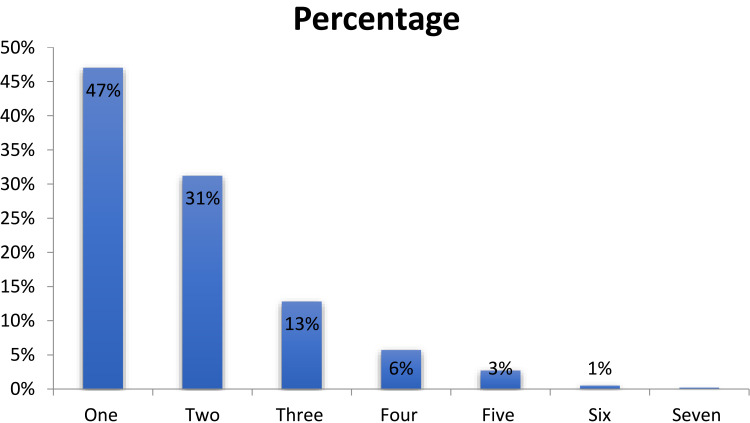
A total of 1,128 medicines were covered in the analyzed sample. The response rate, using standard prescription paper was found to be 100%. Mean number of medicines per prescription was 1.88. The proportion of medicines actually dispensed was 74.56%, and 91.4% medicines were prescribed by their generic names. Among prescribed medicines, antibiotics accounted for 37.5%, and 20% of the prescribed medicines were injectable. Prescriptions containing patient name, identification number, age, and sex comprised 99.8%, 99.5%, 91.8%, and 94.5%, respectively of the total. Prescriptions signed by prescribers accounted for 96.2%, however, only 75.8% of prescribers wrote their name. Moreover, only 4.8% of dispensers printed their name, and 32.7% of prescriptions were signed by pharmacists. Patient-care indicators were found to be below standard.
Most prescriptions were incomplete, and prescribers by far completed their role than dispensers. The health facility has standard prescription paper and updated pharmaceuticals list. Percentages for encounters with antibiotics, prescribing by generic name, and patient-care indicators deviated from the standard. The dispensing and counseling time also far from the standard, and most medicines were not labeled.
合理用药是指患者以可承受的价格,在足够长的时间内,接受与其诊断相符且剂量满足其需求的药物治疗。不合理的处方行为会导致治疗无效、不安全,延长预后时间,并增加医疗成本,这在埃塞俄比亚是一种常见现象。本研究的目的是使用世界卫生组织核心药物使用指标和贡德尔大学综合专科医院的处方完整性来评估药物使用模式。
2019年3月至2019年5月,在该医疗机构的配药药房采用系统随机抽样技术进行回顾性和前瞻性横断面描述性研究。使用SPSS 24.0版对数据进行分析,并以表格形式呈现结果。
分析样本中共涵盖1128种药物。发现使用标准处方纸的回复率为100%。每张处方的平均药物数量为1.88种。实际配药的药物比例为74.56%,91.4%的药物以通用名开具。在开具的药物中,抗生素占37.5%,20%的开具药物为注射剂。包含患者姓名、身份证号码、年龄和性别的处方分别占总数的99.8%、99.5%、91.8%和94.5%。由开处方者签名的处方占96.2%,然而,只有75.8%的开处方者写下了他们的名字。此外,只有4.8%的配药者打印了他们的名字,32.7%的处方由药剂师签名。患者护理指标低于标准。
大多数处方不完整,到目前为止,开处方者比配药者完成其职责的情况更好。该医疗机构有标准处方纸和更新的药品清单。抗生素使用、通用名开具和患者护理指标的百分比偏离标准。配药和咨询时间也远未达到标准,并且大多数药物没有标签。