Aziz Hassan, Lashkari Nassim, Yoon Young Chul, Kim Jim, Sher Linda S, Genyk Yuri, Kwon Yong K
Division of Hepatobiliary, Pancreas, and Abdominal Organ Transplant, Department of Surgery, Keck School of Medicine, University of Southern California, Los Angeles, California.
Department of Surgery, Incheon St. Mary's Hospital, The Catholic University of Korea, Seoul, Korea.
Transplant Proc. 2020 Nov;52(9):2642-2653. doi: 10.1016/j.transproceed.2020.09.006. Epub 2020 Sep 15.
As the novel coronavirus, severe acute respiratory syndrome coronavirus 2 (SARS-CoV-2), has emerged as a viral pandemic, data on the clinical characteristics and outcomes of patients with SARS-CoV-2 infection undergoing solid organ transplant are emerging. The objective of this systematic review was to assess currently published literature relating to the management, clinical course, and outcome of SARS-CoV-2 infection in liver, kidney, and heart solid organ transplant recipients.
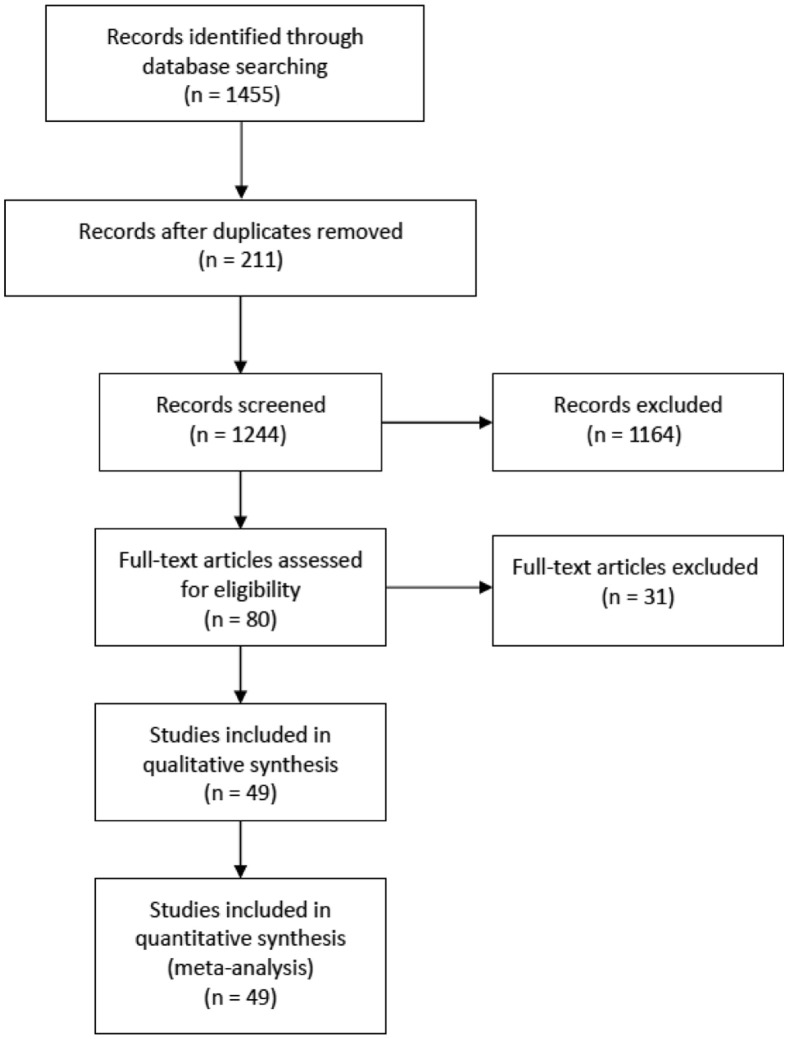
We conducted a systematic review to assess currently published literature relating to the management, clinical course, and outcome of SARS-CoV-2 infection in liver, kidney, and heart solid organ transplant recipients. Articles published through June 2020 were searched in the MEDLINE, ClinicalTrials.gov, and PubMed databases. We identified 49 eligible studies comprising a total of 403 solid organ transplant recipients.
Older age, male sex, and preexisting comorbidities, including hypertension and/or diabetes, were the most common prevailing characteristics among the solid organ transplant recipients. Clinical presentation ranged from mild to severe disease, including multiorgan failure and death. We found an overall mortality rate of 21%.
Our analysis suggests no increase in overall mortality or worse outcome in solid organ transplant recipients receiving immunosuppressive therapy compared with mortality in the general surgical population with SARS-CoV-2. Our findings suggest that transplant surgery and its immunosuppressive effects should not be a deterrent to proper surgical care for patients in the SARS-CoV-2 era.
随着新型冠状病毒,即严重急性呼吸综合征冠状病毒2(SARS-CoV-2)引发全球大流行,有关接受实体器官移植的SARS-CoV-2感染患者的临床特征和结局的数据不断涌现。本系统评价的目的是评估目前已发表的关于肝、肾和心脏实体器官移植受者中SARS-CoV-2感染的管理、临床病程及结局的文献。
我们进行了一项系统评价,以评估目前已发表的关于肝、肾和心脏实体器官移植受者中SARS-CoV-2感染的管理、临床病程及结局的文献。检索了截至2020年6月在MEDLINE、ClinicalTrials.gov和PubMed数据库中发表的文章。我们确定了49项符合条件的研究,共纳入403名实体器官移植受者。
年龄较大、男性以及存在包括高血压和/或糖尿病在内的合并症是实体器官移植受者中最常见的普遍特征。临床表现从轻度疾病到重度疾病不等,包括多器官功能衰竭和死亡。我们发现总体死亡率为21%。
我们的分析表明,与感染SARS-CoV-2的普通外科人群的死亡率相比,接受免疫抑制治疗的实体器官移植受者的总体死亡率没有增加,结局也没有更差。我们的研究结果表明,在SARS-CoV-2时代,移植手术及其免疫抑制作用不应成为为患者提供适当外科治疗的阻碍。