Patel Ruchi P, Kuhn Skyler, Yin Da, Hotz Jordan M, Maher Frances A, Robey Robert W, Gottesman Michael M, Horibata Sachi
Laboratory of Cell Biology, Center for Cancer Research, National Cancer Institute, National Institutes of Health, 37 Convent Dr. Room 2112, Bethesda, MD, United States.
CCR Collaborative Bioinformatics Resource (CCBR), Center for Cancer Research, National Cancer Institute, National Institutes of Health, Bethesda, MD, United States.
Transl Oncol. 2021 Jan;14(1):100917. doi: 10.1016/j.tranon.2020.100917. Epub 2020 Oct 22.
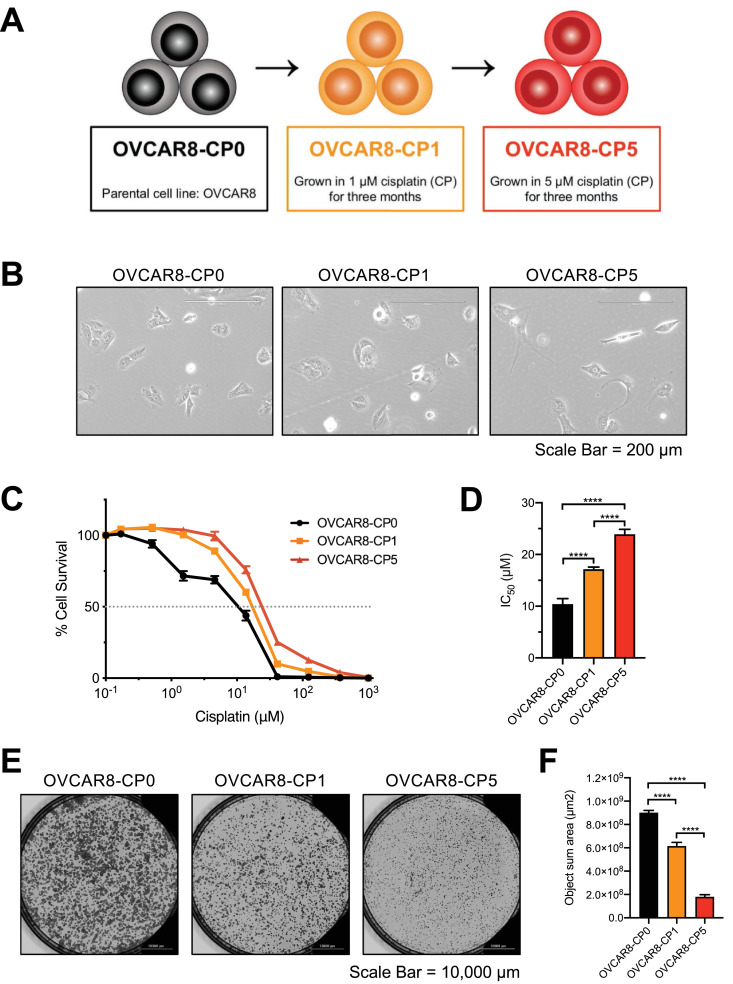
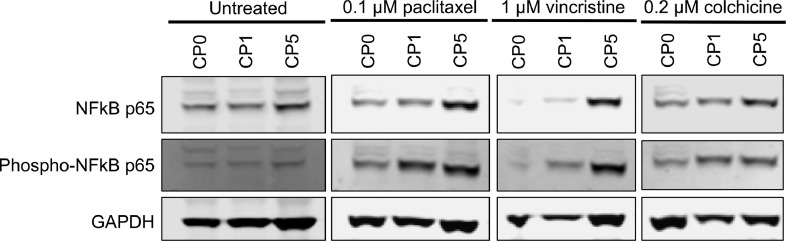
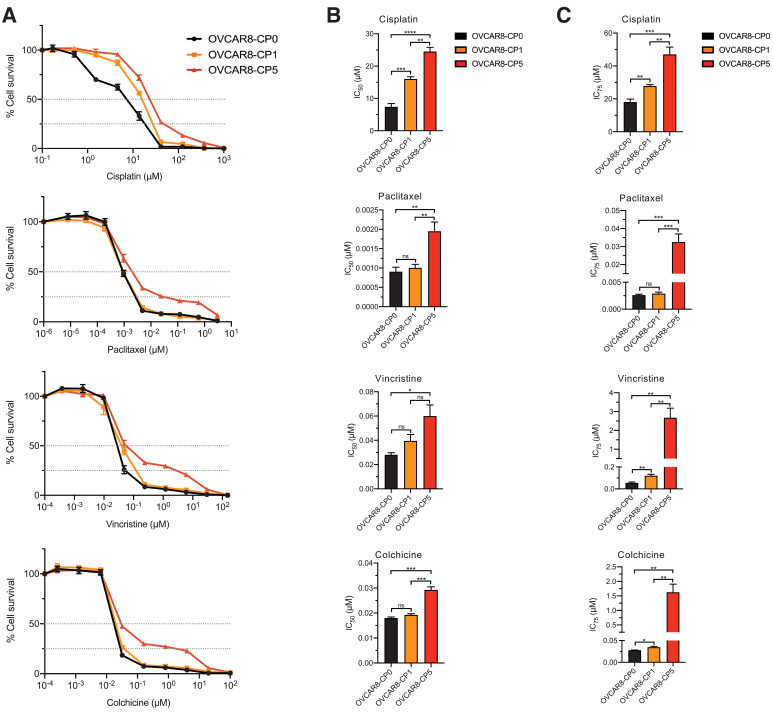
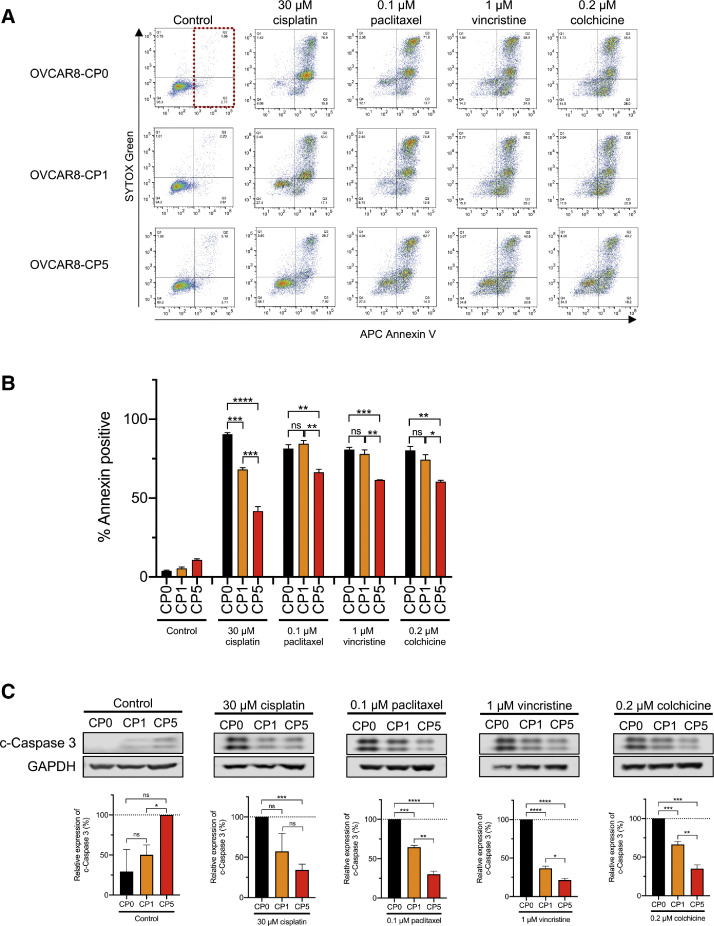
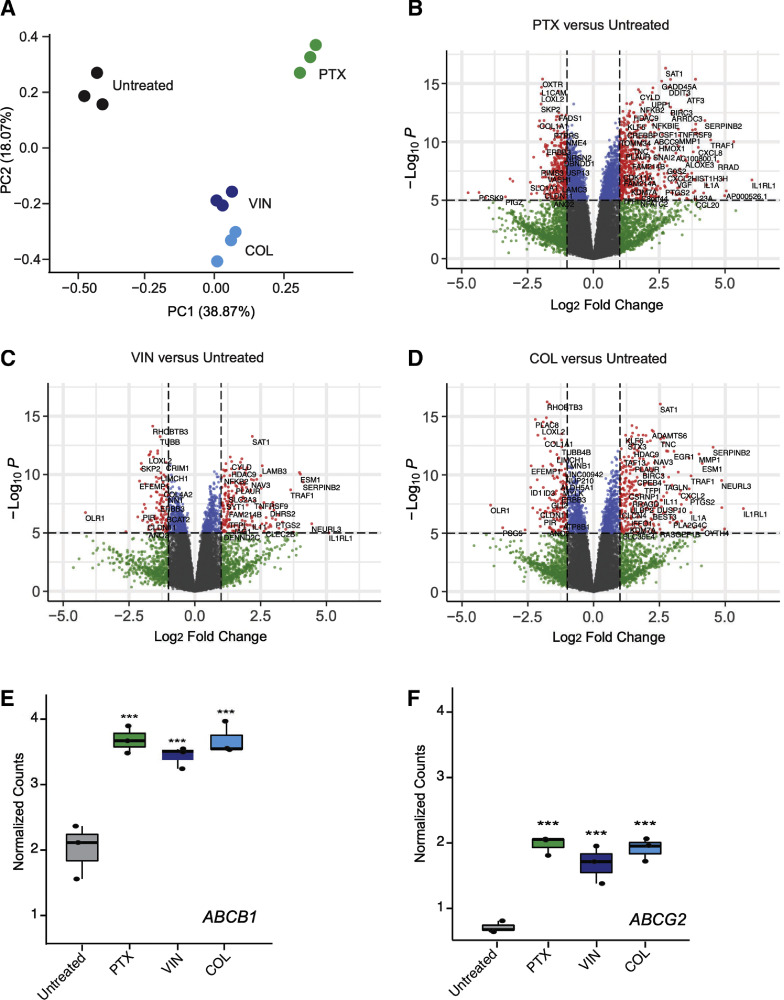
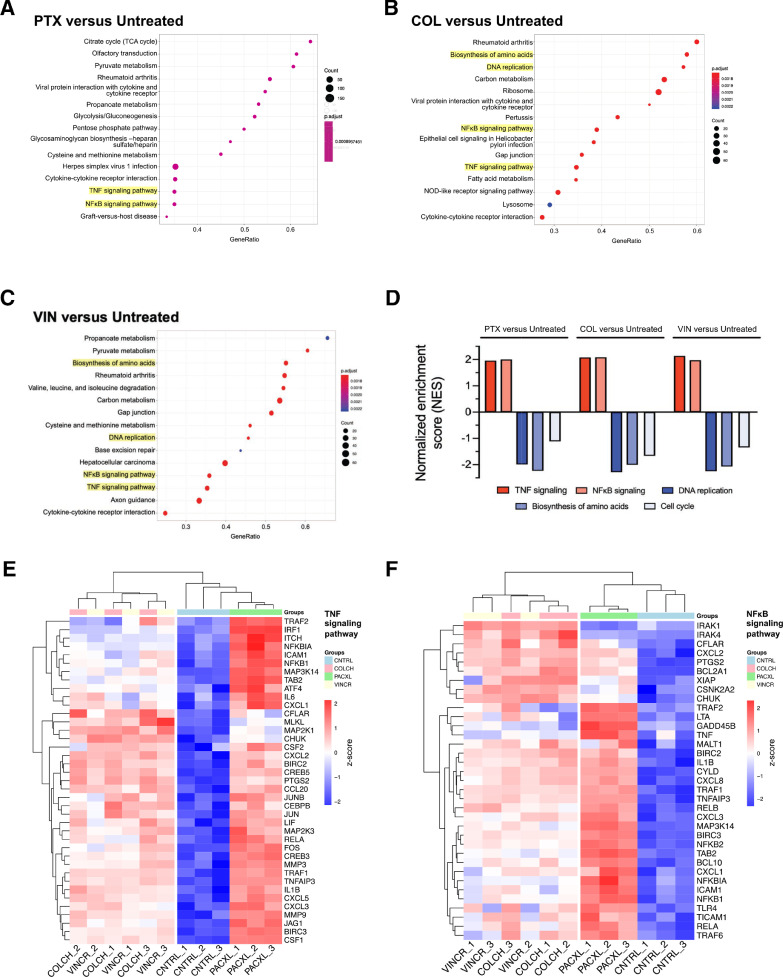
Although the first line of therapy for epithelial ovarian cancer typically consists of taxane-platinum combination therapy, many patients develop a platinum-resistant tumor within a year. Several previous studies have looked at this cross-resistance between cisplatin and anti-microtubule drugs, but their findings have been somewhat conflicting. Here, we developed cisplatin-resistant cell lines that are resistant to low and high levels of cisplatin and explored the effects of three anti-microtubule drugs (paclitaxel, vincristine, and colchicine) on the parental and cisplatin-resistant cells. We found that cells resistant to lower levels of cisplatin were no more resistant to anti-microtubule drugs than parental cells, while cells that were resistant to higher levels of cisplatin had a subpopulation of cells that were cross-resistant to anti-microtubule drugs, clarifying discrepancies within the field. We then isolated this subpopulation by applying selective pressure with anti-microtubule drugs and performed RNA sequencing and gene set enrichment analysis to identify resistance mechanisms. This subpopulation was found to express increased levels of pro-survival TNF/NFκB signaling, among other enriched pathways, suggesting that cross-resistance was due to more general survival mechanisms found in the cisplatin-selected cells.
尽管上皮性卵巢癌的一线治疗通常包括紫杉烷-铂联合治疗,但许多患者在一年内就会出现铂耐药肿瘤。此前有多项研究探讨了顺铂与抗微管药物之间的这种交叉耐药性,但其研究结果存在一定冲突。在此,我们构建了对低水平和高水平顺铂均耐药的顺铂耐药细胞系,并探究了三种抗微管药物(紫杉醇、长春新碱和秋水仙碱)对亲代细胞和顺铂耐药细胞的影响。我们发现,对较低水平顺铂耐药的细胞与亲代细胞相比,对抗微管药物并无更强的耐药性,而对较高水平顺铂耐药的细胞中有一个亚群细胞对抗微管药物具有交叉耐药性,这澄清了该领域内的差异。然后,我们通过使用抗微管药物施加选择压力来分离这个亚群,并进行RNA测序和基因集富集分析以确定耐药机制。结果发现,该亚群除了其他富集通路外,还高表达促生存的TNF/NFκB信号通路,这表明交叉耐药是由于顺铂选择的细胞中存在更普遍的生存机制。