Celie Karel-Bart, Colen David L, Kovach Stephen J
Division of Plastic and Reconstructive Surgery, Department of Surgery, Keck School of Medicine, University of Southern California, Los Angeles, Calif.
Hospital of the University of Pennsylvania, Division of Plastic Surgery, Philadelphia, Pa.
Plast Reconstr Surg Glob Open. 2020 May 29;8(5):e2499. doi: 10.1097/GOX.0000000000002499. eCollection 2020 May.
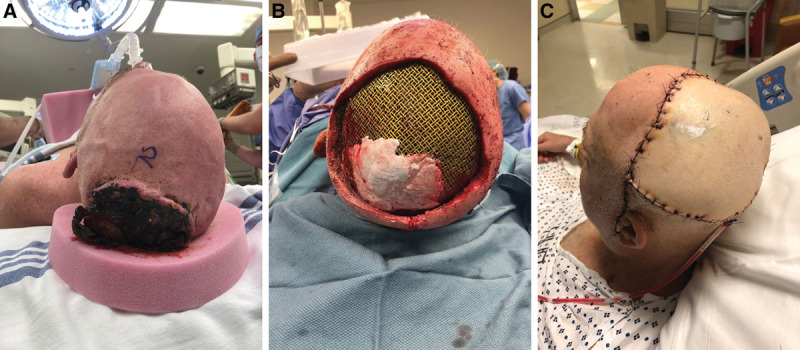
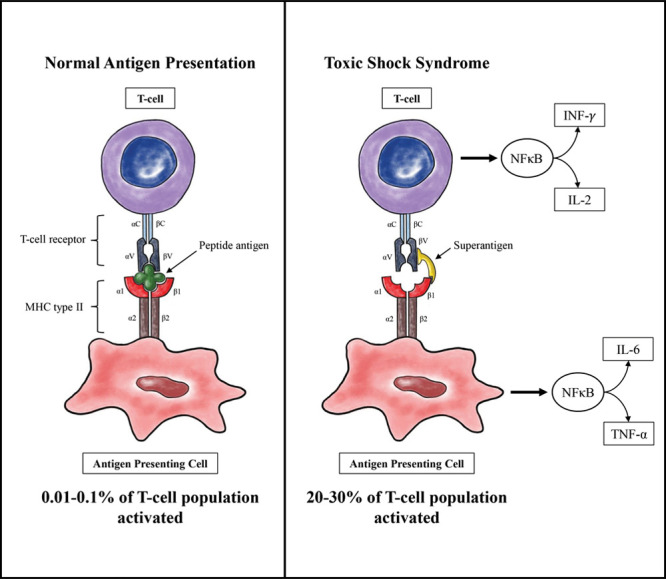
Toxic shock syndrome (TSS) is an underrecognized but highly fatal cause of septic shock in postoperative patients. Although it may present with no overt source of infection, its course is devastating and rapidly progressive. Surgeon awareness is needed to recognize and treat this condition appropriately. In this paper, we aim to describe a case of postoperative TSS, present a systematic review of the literature, and provide an overview of the disease for the surgeon.
A systematic review of the literature between 1978 and 2018 was performed according to Preferred Reporting Items for Systematic Reviews and Meta-Analyses guidelines using the keywords "toxic shock syndrome" and "surgery." Variables of interest were collected in each report.
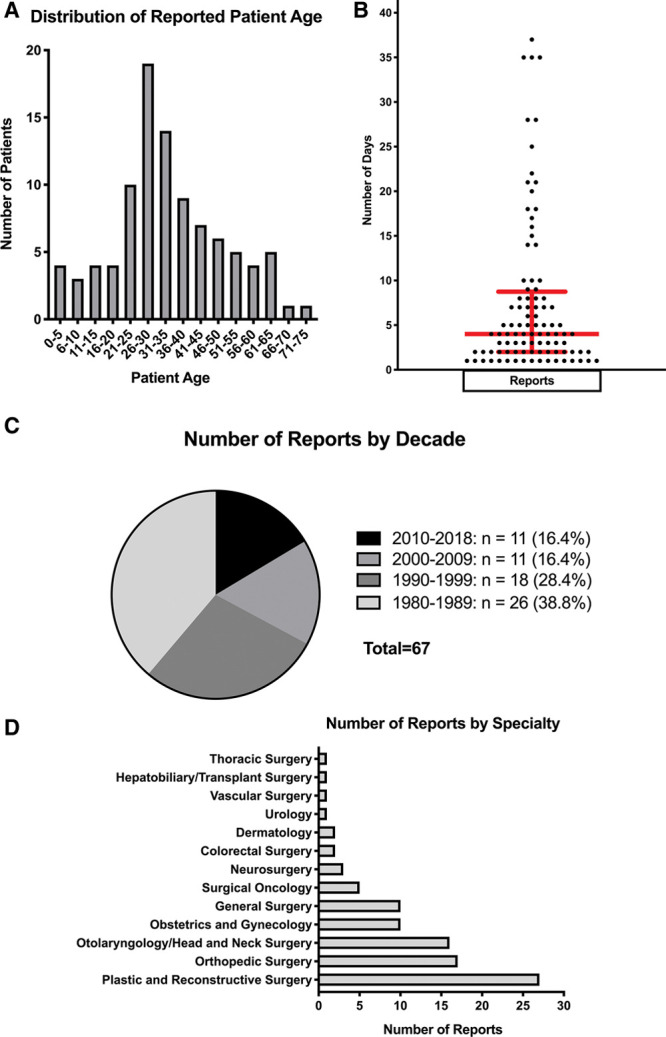
A total of 298 reports were screened, and 67 reports describing 96 individual patients met inclusion criteria. Six reports described a streptococcal cause, although the vast majority attributed TSS to (SA). The mortality in our review was 9.4%, although 24% of patients suffered some manner of permanent complication. TSS presented at a median of 4 days postoperatively, with most cases occurring within 10 days.
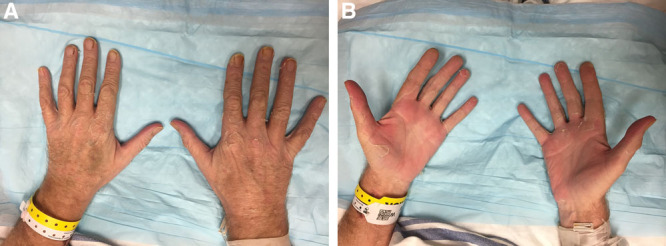
Surgeons must maintain a high index of suspicion for postoperative TSS. Our review demonstrates that TSS should not be excluded despite young patient age, patient health, or relative simplicity of a procedure. Symptoms such as fever, rash, pain out of proportion to examination, and diarrhea or emesis should raise concern for TSS and prompt exploration and cultures even of benign-appearing postoperative wounds.
中毒性休克综合征(TSS)是术后患者感染性休克中一种未得到充分认识但致死率很高的病因。尽管它可能没有明显的感染源,但其病程具有毁灭性且进展迅速。外科医生需要提高认识以正确识别和治疗这种疾病。在本文中,我们旨在描述一例术后TSS病例,对文献进行系统综述,并为外科医生提供该疾病的概述。
根据系统评价和Meta分析的首选报告项目指南,使用关键词“中毒性休克综合征”和“手术”对1978年至2018年的文献进行系统综述。在每份报告中收集感兴趣的变量。
共筛选了298份报告,67份描述96例个体患者的报告符合纳入标准。6份报告描述了链球菌病因,尽管绝大多数将TSS归因于金黄色葡萄球菌(SA)。我们综述中的死亡率为9.4%,尽管24%的患者出现了某种永久性并发症。TSS术后中位发病时间为4天,大多数病例发生在10天内。
外科医生必须对术后TSS保持高度怀疑指数。我们的综述表明,尽管患者年轻、健康或手术相对简单,也不应排除TSS。发热、皮疹、疼痛与检查结果不符以及腹泻或呕吐等症状应引起对TSS的关注,并促使即使对外观良性的术后伤口也进行探查和培养。