Edalatpour Armin, Attaluri Pradeep, Larson Jeffrey D
Division of Plastic and Reconstructive Surgery, University of Wisconsin School of Medicine and Public Health, Madison, Wisc.
Plast Reconstr Surg Glob Open. 2020 May 29;8(5):e2838. doi: 10.1097/GOX.0000000000002838. eCollection 2020 May.
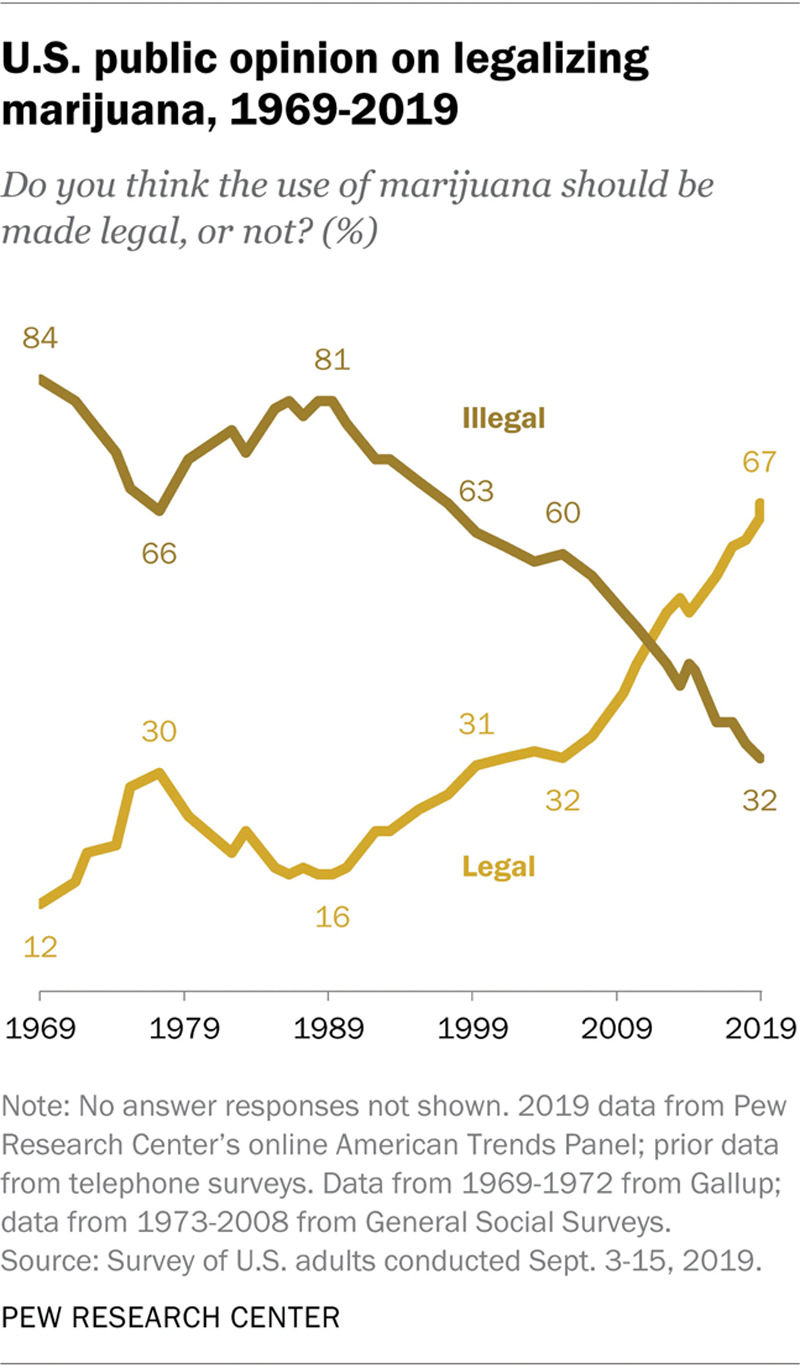
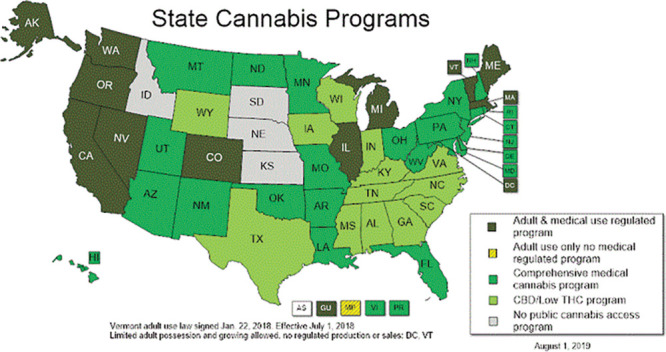
With the shift in public opinion and legalization of cannabis for therapeutic and recreational use, cannabis consumption has become more common. This trend will likely continue as decriminalization and legalization of marijuana and associated cannabinoids expand. Despite this increase in use, our familiarity with this drug and its associated effects remains incomplete. The aim of this review is to describe the physiologic effects of marijuana and its related compounds, review current literature related to therapeutic applications and consequences, discuss potential side effects of marijuana in surgical patients, and provide recommendations for the practicing plastic surgeon. Special attention is given to areas that directly impact plastic surgery patients, including postoperative pain, nausea and vomiting and wound healing. Although the literature demonstrates substantial support for marijuana in areas such as chronic pain and nausea and vomiting associated with chemotherapy, the data supporting its use for common perioperative problems are lacking. Its use for treating perioperative problems, such as pain and nausea, is poorly supported and requires further research.
随着公众舆论的转变以及大麻用于治疗和娱乐用途的合法化,大麻消费变得更加普遍。随着大麻及相关大麻素的非罪化和合法化范围扩大,这一趋势可能会持续下去。尽管使用量有所增加,但我们对这种药物及其相关影响的了解仍然不全面。本综述的目的是描述大麻及其相关化合物的生理效应,回顾与治疗应用和后果相关的当前文献,讨论大麻在外科手术患者中的潜在副作用,并为整形外科医生提供建议。特别关注直接影响整形外科患者的领域,包括术后疼痛、恶心和呕吐以及伤口愈合。尽管文献表明大麻在慢性疼痛以及化疗相关的恶心和呕吐等领域得到了大量支持,但支持其用于常见围手术期问题的数据却很缺乏。其用于治疗围手术期问题,如疼痛和恶心,缺乏有力支持,需要进一步研究。