Martínez-López J Israel, Betancourt Cervantes Héctor Andrés, Cuevas Iturbe Luis Donaldo, Vázquez Elisa, Naula Edisson A, Martínez López Alejandro, Siller Héctor R, Mendoza-Buenrostro Christian, Rodríguez Ciro A
Tecnologico de Monterrey, Escuela de Ingeniería y Ciencias, Monterrey 64849, Mexico.
Laboratorio Nacional de Manufactura Aditiva y Digital (MADiT), Apodaca, Nuevo Leon 66629, Mexico.
Micromachines (Basel). 2020 Oct 29;11(11):970. doi: 10.3390/mi11110970.
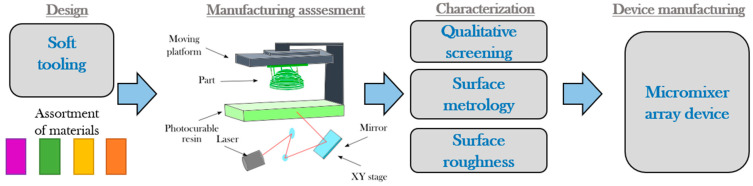
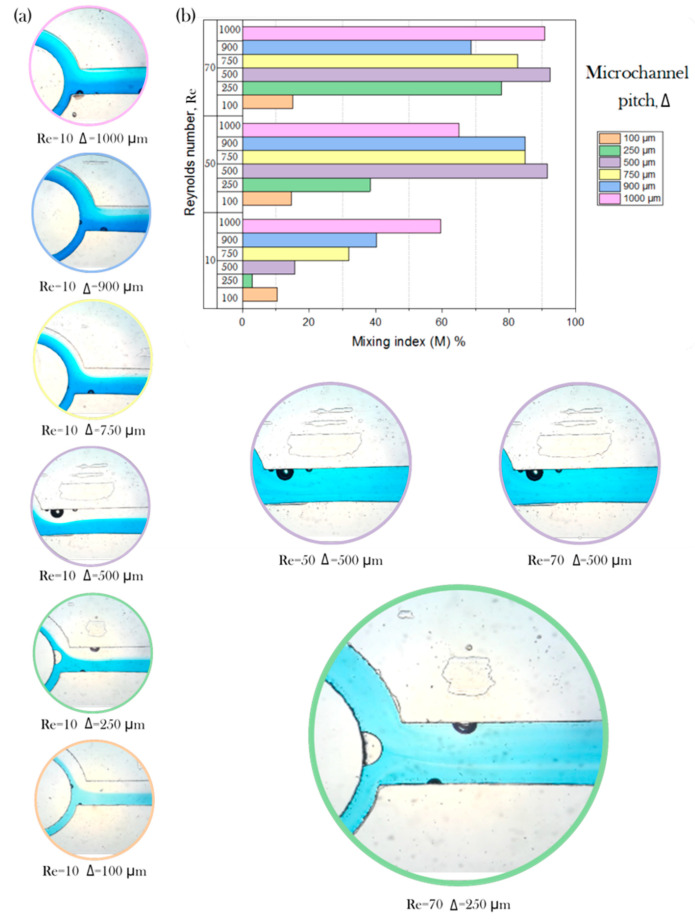
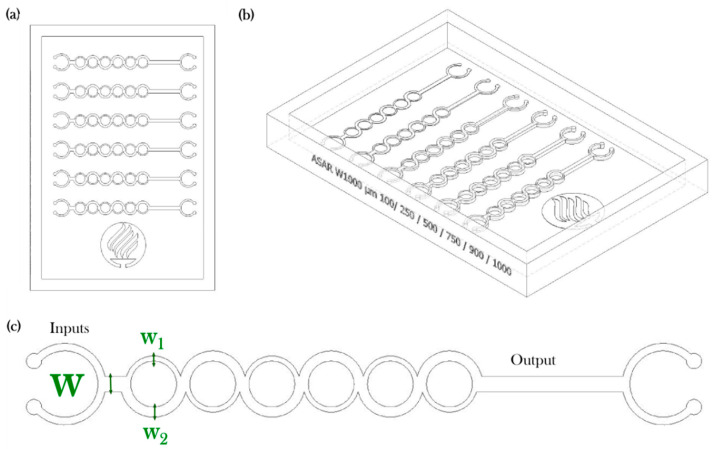
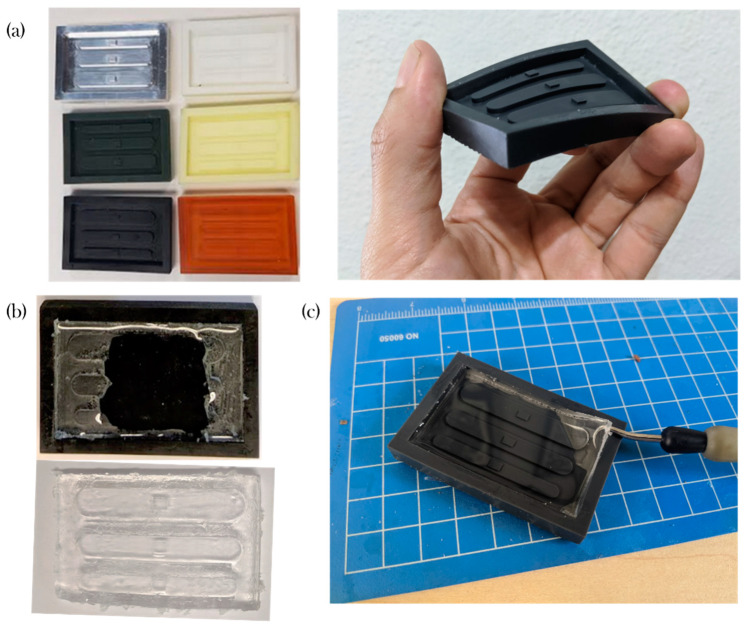
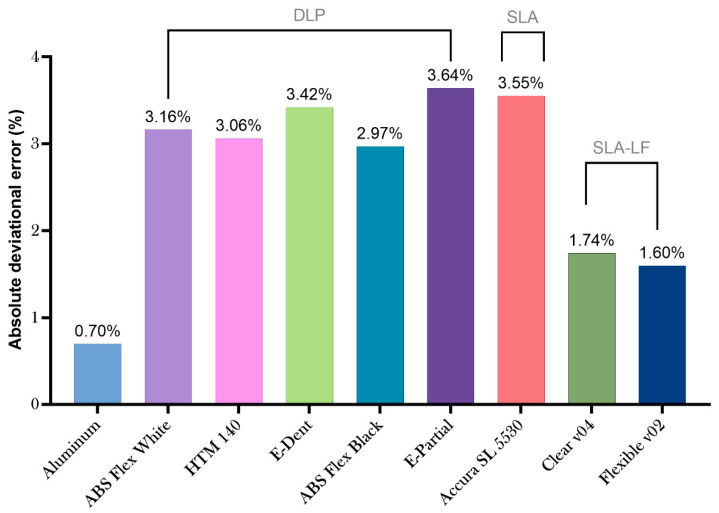
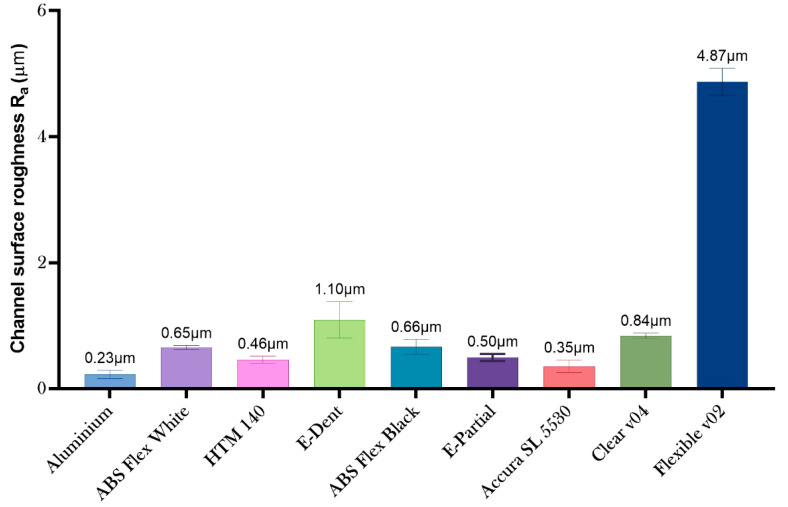
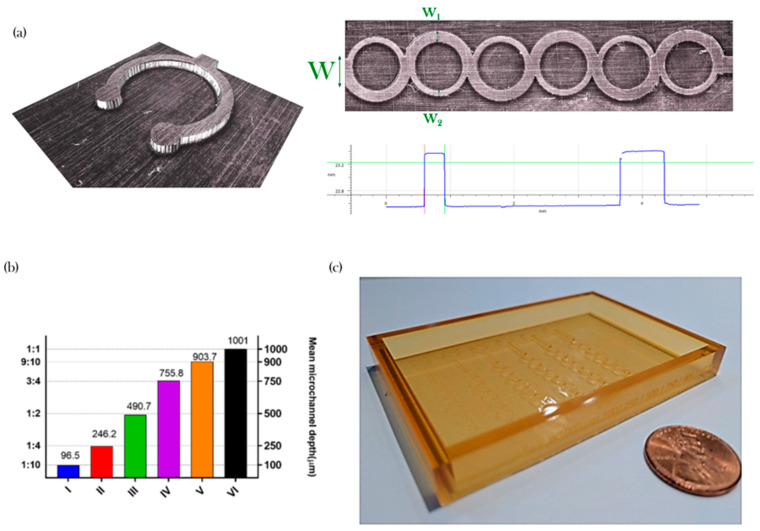
In this paper, we characterized an assortment of photopolymers and stereolithography processes to produce 3D-printed molds and polydimethylsiloxane (PDMS) castings of micromixing devices. Once materials and processes were screened, the validation of the soft tooling approach in microfluidic devices was carried out through a case study. An asymmetric split-and-recombine device with different cross-sections was manufactured and tested under different regime conditions (10 < < 70). Mixing performances between 3% and 96% were obtained depending on the flow regime and the pitch-to-depth ratio. The study shows that 3D-printed soft tooling can provide other benefits such as multiple cross-sections and other potential layouts on a single mold.
在本文中,我们对多种光聚合物和立体光刻工艺进行了表征,以生产微混合装置的3D打印模具和聚二甲基硅氧烷(PDMS)铸件。一旦筛选出材料和工艺,便通过一个案例研究对微流控装置中的软模具方法进行验证。制造了具有不同横截面的非对称分流-重组装置,并在不同工况条件(10< <70)下进行测试。根据流动工况和间距与深度比,混合性能在3%至96%之间。该研究表明,3D打印软模具可提供其他优势,例如在单个模具上具有多个横截面和其他潜在布局。