Obesity Research Institute and Department of Nutritional Sciences, Texas Tech University, Lubbock, TX 79409, USA.
Center of Excellence for Integrative Health, Texas Tech University Health Sciences Center, Lubbock, TX 79430, USA.
Nutrients. 2020 Oct 30;12(11):3356. doi: 10.3390/nu12113356.
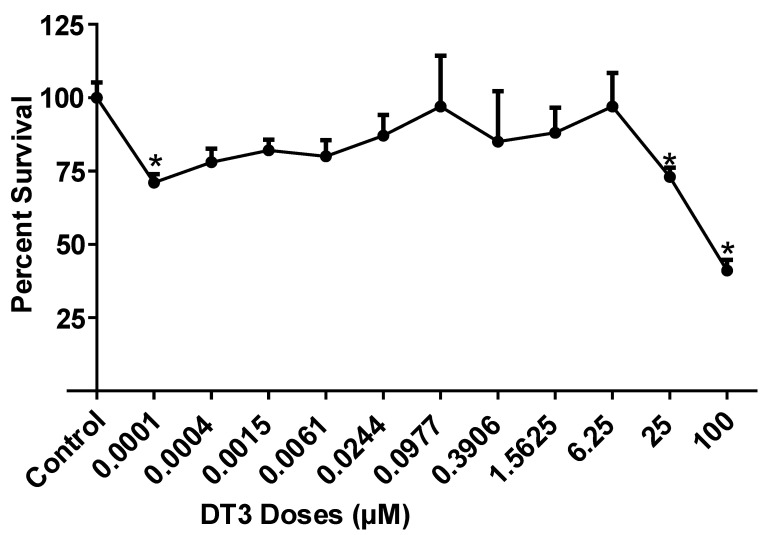
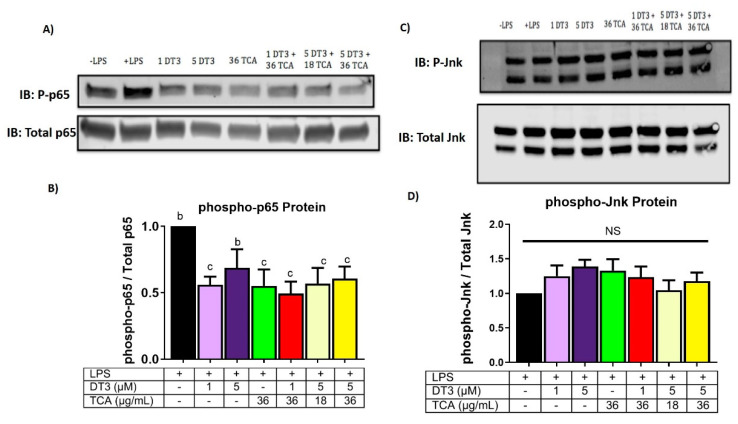
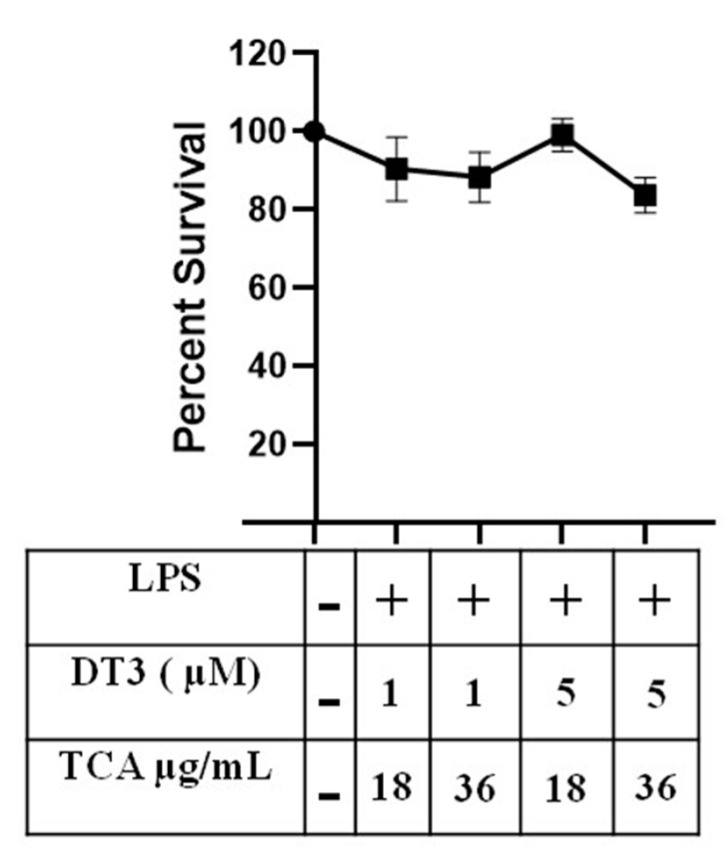
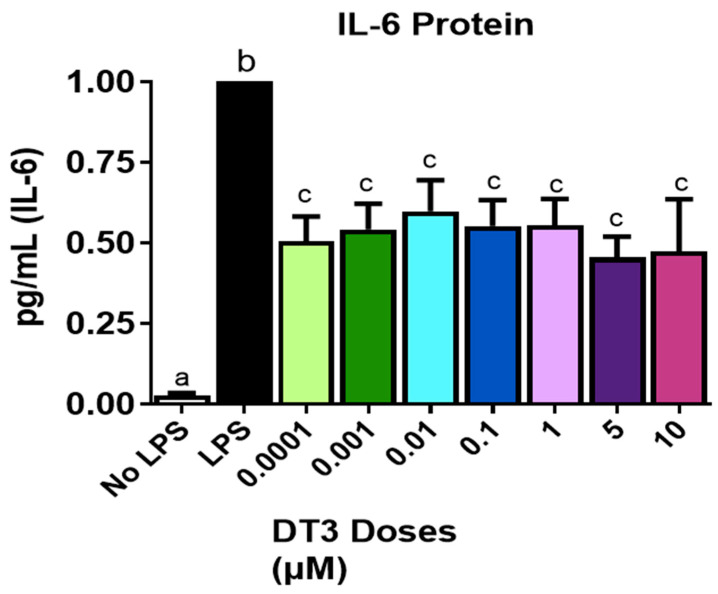
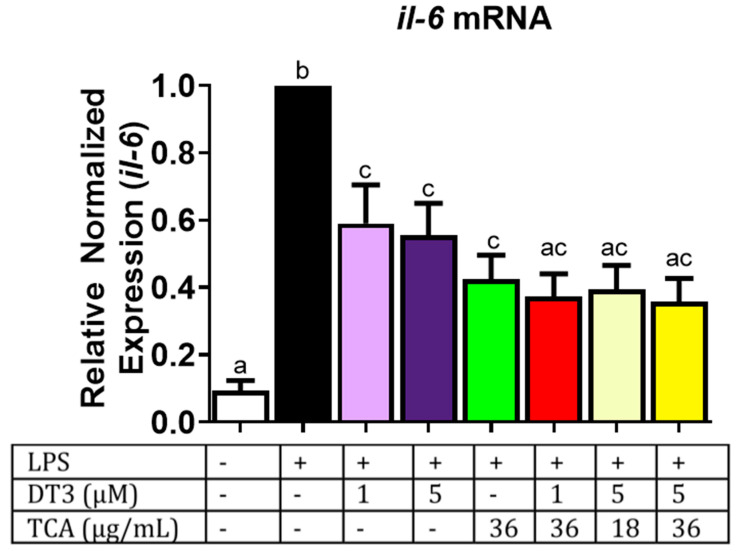
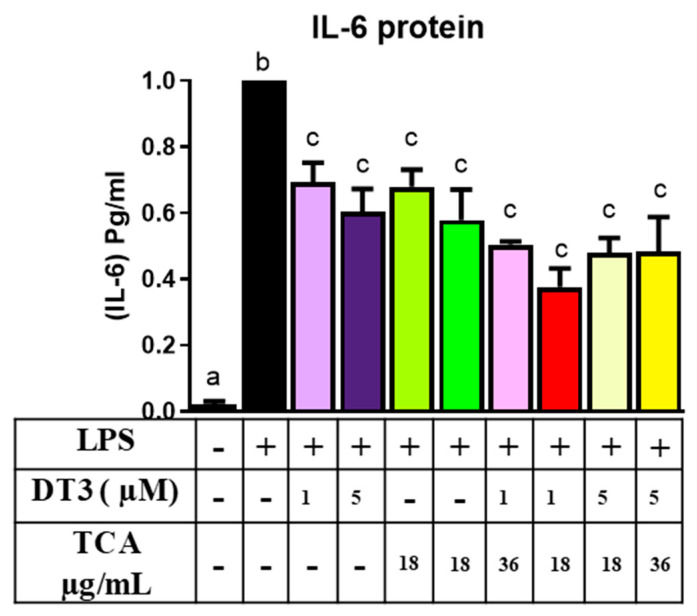
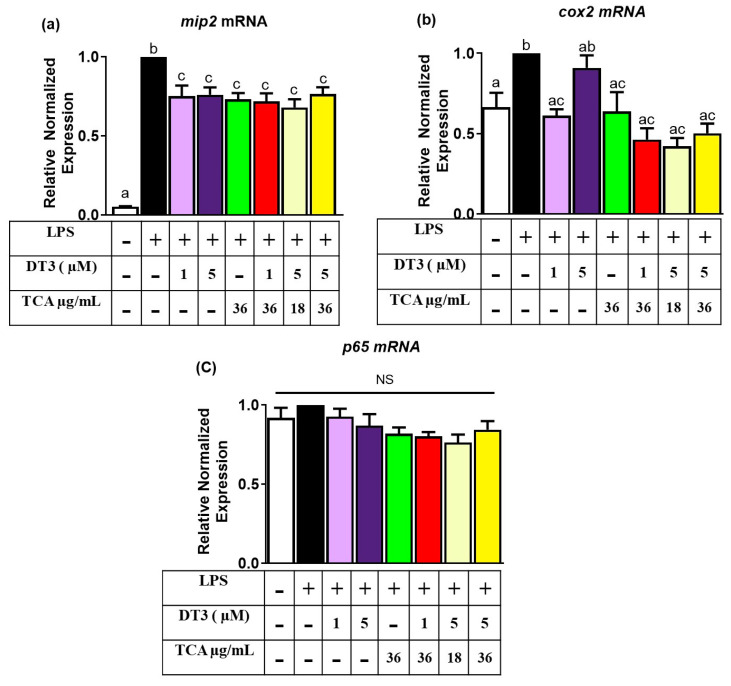
Chronic low-grade inflammation is a primary characteristic of obesity and can lead to other metabolic complications including insulin resistance and type 2 diabetes (T2D). Several anti-inflammatory dietary bioactives decrease inflammation that accompanies metabolic diseases. We are specifically interested in delta-tocotrienol, (DT3) an isomer of vitamin E, and tart cherry anthocyanins (TCA), both of which possess individual anti-inflammatory properties. We have previously demonstrated that DT3 and TCA, individually, reduced systemic and adipose tissue inflammation in rodent models of obesity. However, whether these compounds have combinatorial effects has not been determined yet. Hence, we hypothesize that a combined treatment of DT3 and TCA will have great effects in reducing inflammation in adipocytes, and that these effects are mediated via the nuclear factor kappa-light-chain-enhancer of activated B cells (NFkB), a major inflammatory transcription factor. We used 3T3-L1 adipocytes and treated them with 1-5 µM doses of DT3 along with tart cherry containing 18-36 µg anthocyanin/mL, to assess effects on inflammation. Neither DT3 nor TCA, nor their combinations had toxic effects on adipocytes. Furthermore, pro-inflammatory markers interleukin-6 (IL-6) and p-65 (subunit of NFkB) were reduced at the protein level in media collected from adipocytes with both individual and combined treatments. Additionally, other downstream targets of NFkB including macrophage inflammatory protein 2 (), and Cyclooxygenase-2 () were also significantly downregulated ( ≤ 0.05) when treated with individual and combined doses of DT3 and TCA with no additional combinatorial effects. In summary, DT3 and TCA individually, are beneficial in reducing inflammation with no additional combinatorial effects.
慢性低度炎症是肥胖的一个主要特征,可导致其他代谢并发症,包括胰岛素抵抗和 2 型糖尿病(T2D)。一些抗炎饮食生物活性物质可减轻伴随代谢疾病的炎症。我们特别感兴趣的是δ-生育三烯酚(DT3),一种维生素 E 的异构体,和樱桃李花青素(TCA),它们都具有单独的抗炎特性。我们之前已经证明,DT3 和 TCA 单独作用时,可以减少肥胖啮齿动物模型中的全身和脂肪组织炎症。然而,这些化合物是否具有组合效应尚未确定。因此,我们假设 DT3 和 TCA 的联合治疗将在减少脂肪细胞炎症方面具有显著效果,并且这些效果是通过核因子 kappa-轻链增强子的激活 B 细胞(NFkB)介导的,这是一个主要的炎症转录因子。我们使用 3T3-L1 脂肪细胞,用 1-5 μM 剂量的 DT3 以及含有 18-36μg 花青素/mL 的樱桃李处理它们,以评估对炎症的影响。DT3 或 TCA ,或它们的组合对脂肪细胞没有毒性作用。此外,在从用单独和联合处理的脂肪细胞收集的培养基中,炎症标志物白细胞介素-6(IL-6)和 p-65(NFkB 的亚单位)的蛋白水平降低。此外,NFkB 的其他下游靶标,包括巨噬细胞炎症蛋白 2(MIP-2)和环氧化酶-2(COX-2),在用单独和联合剂量的 DT3 和 TCA 处理时也显著下调(≤0.05),没有额外的组合效应。总之,DT3 和 TCA 单独使用时,在减轻炎症方面是有益的,没有额外的组合效应。