Biochemistry and Molecular Biophysics Graduate Group, Perelman School of Medicine, University of Pennsylvania, Philadelphia, PA 19104, USA.
Metallomics. 2020 Dec 23;12(12):1995-2008. doi: 10.1039/d0mt00156b.
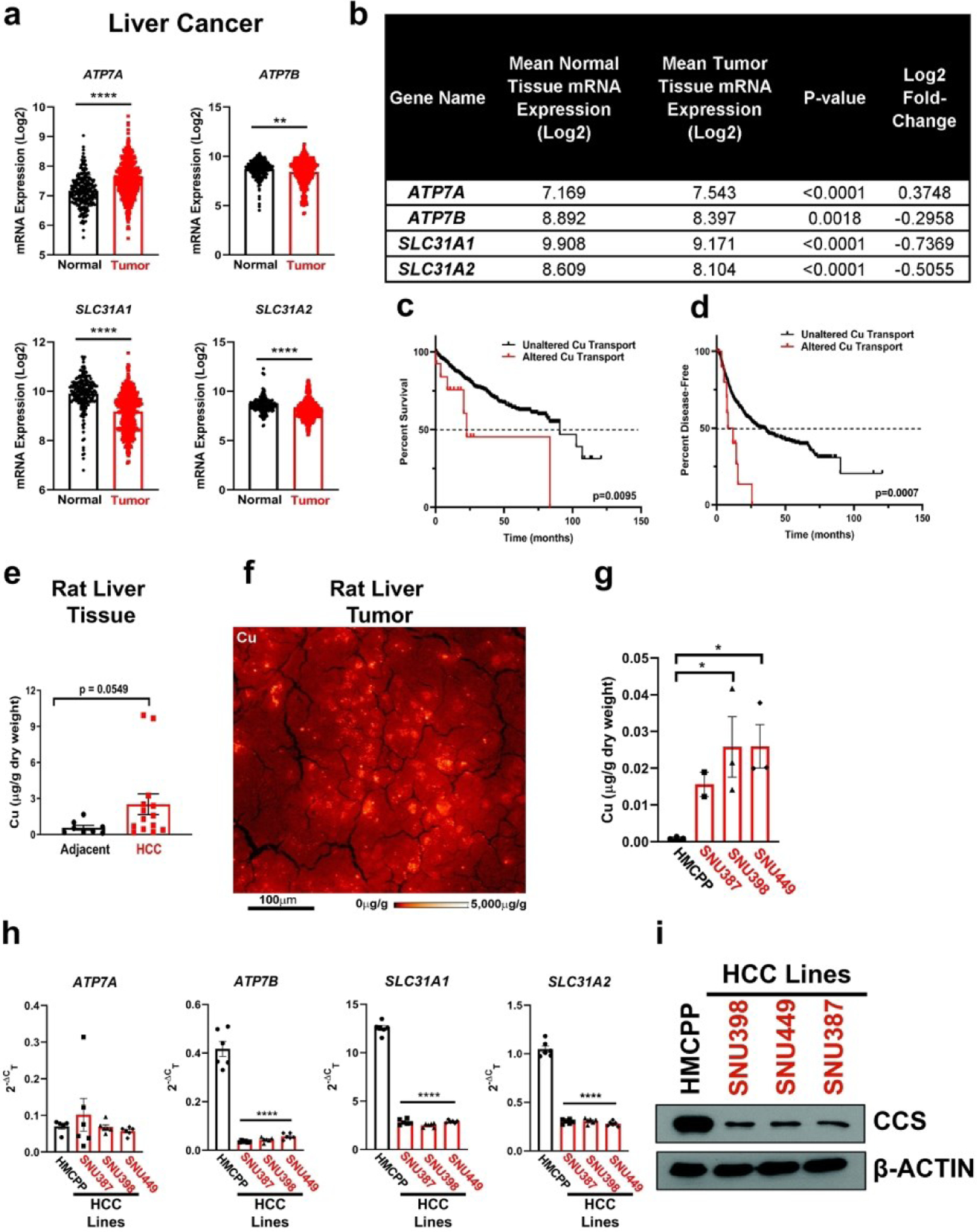
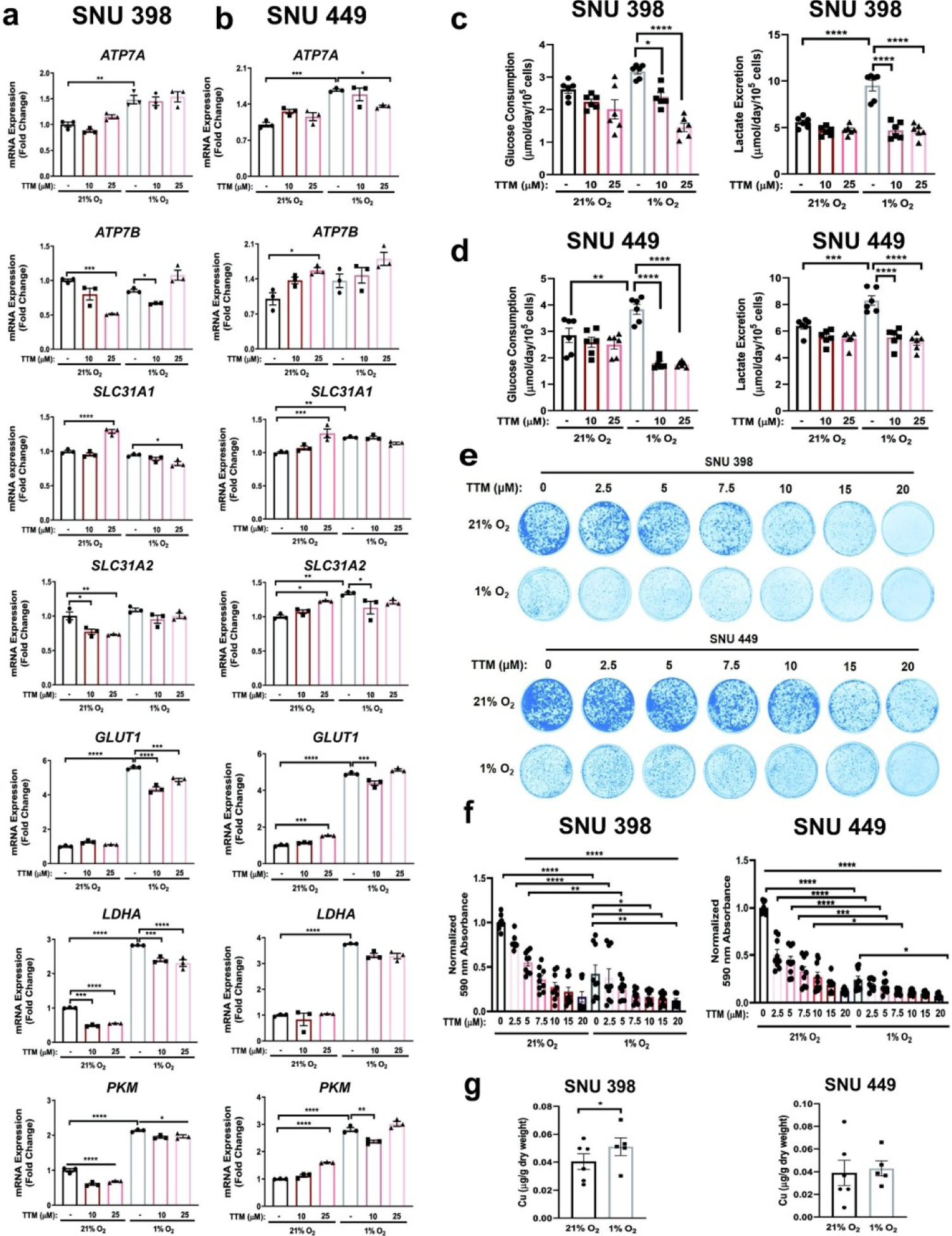
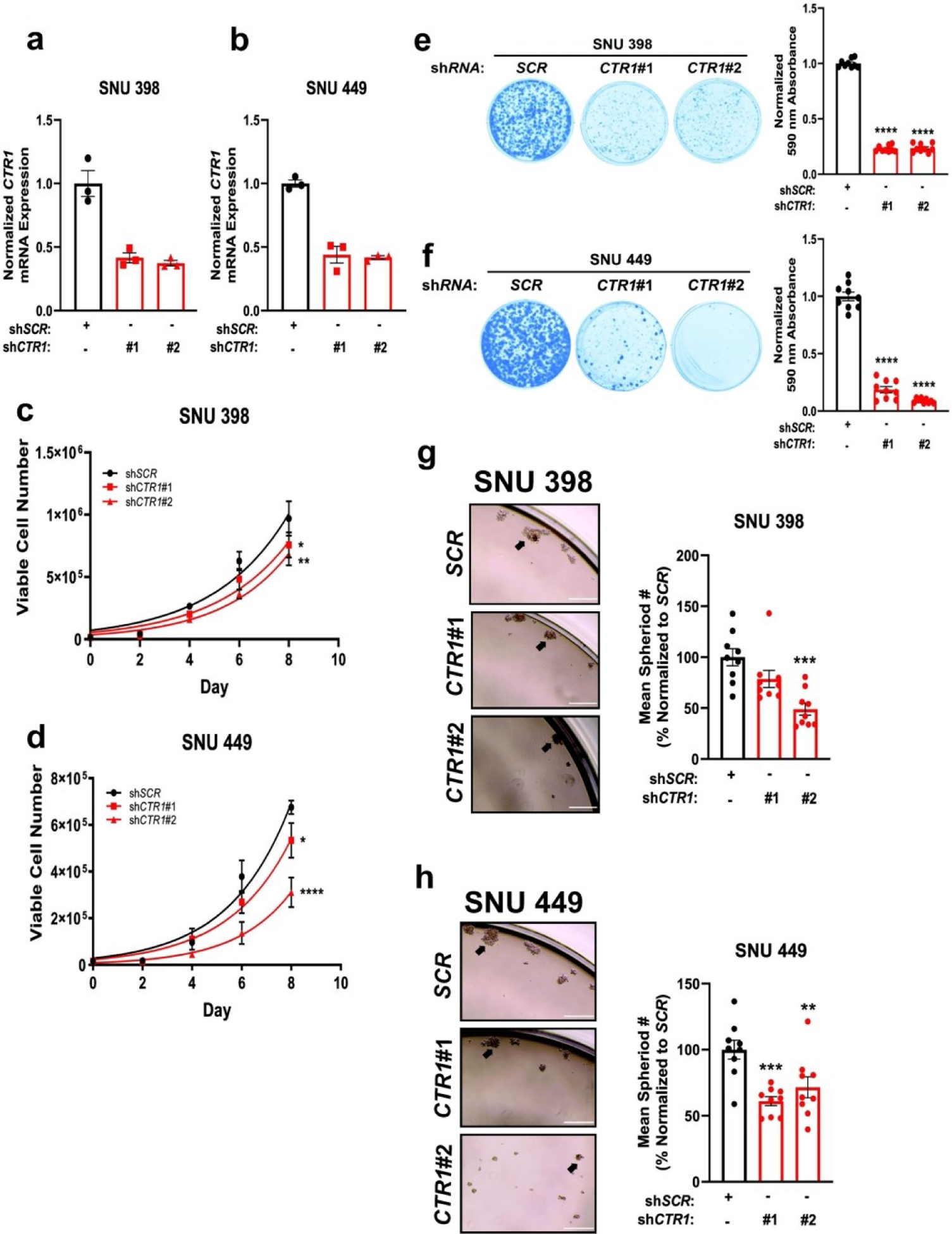
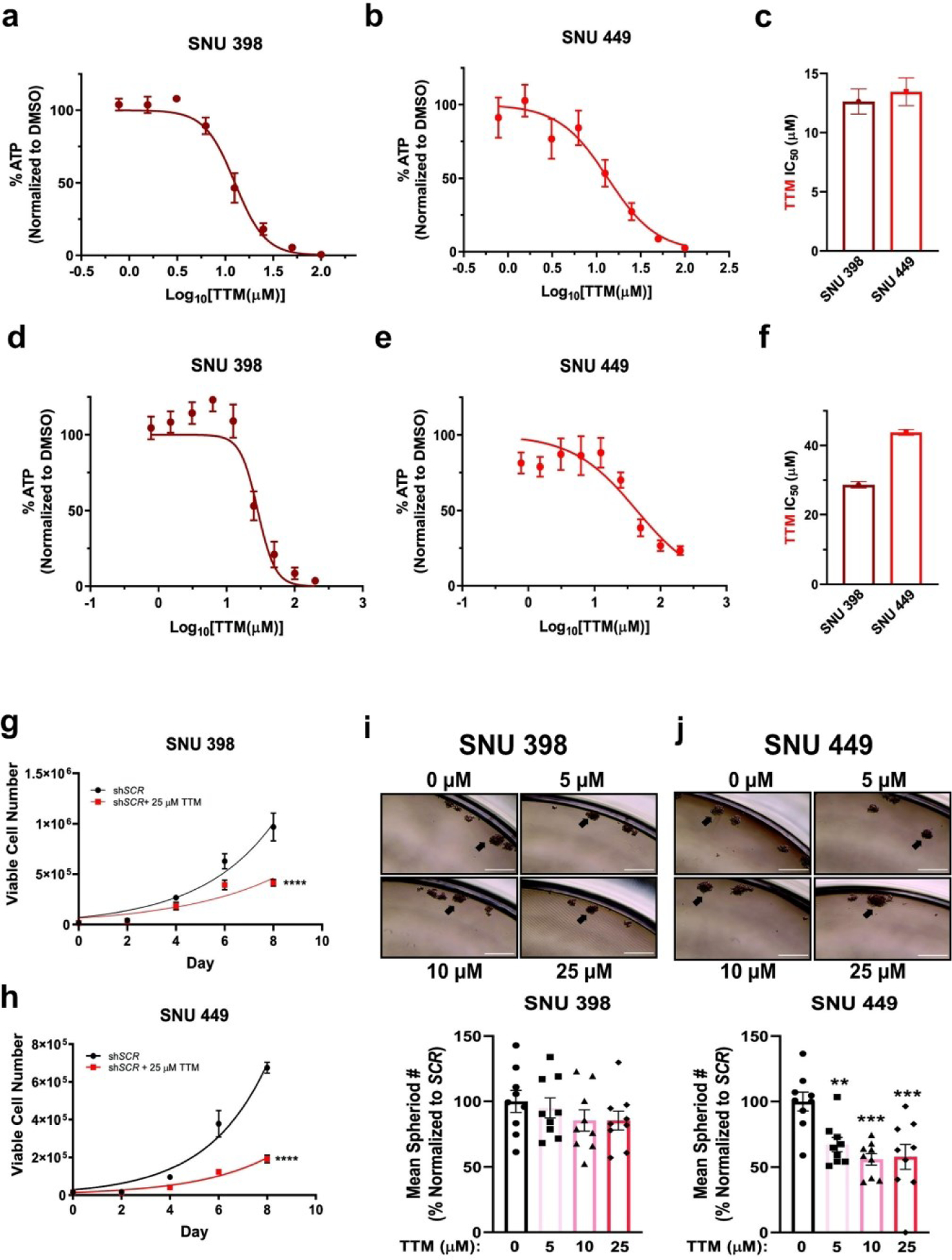
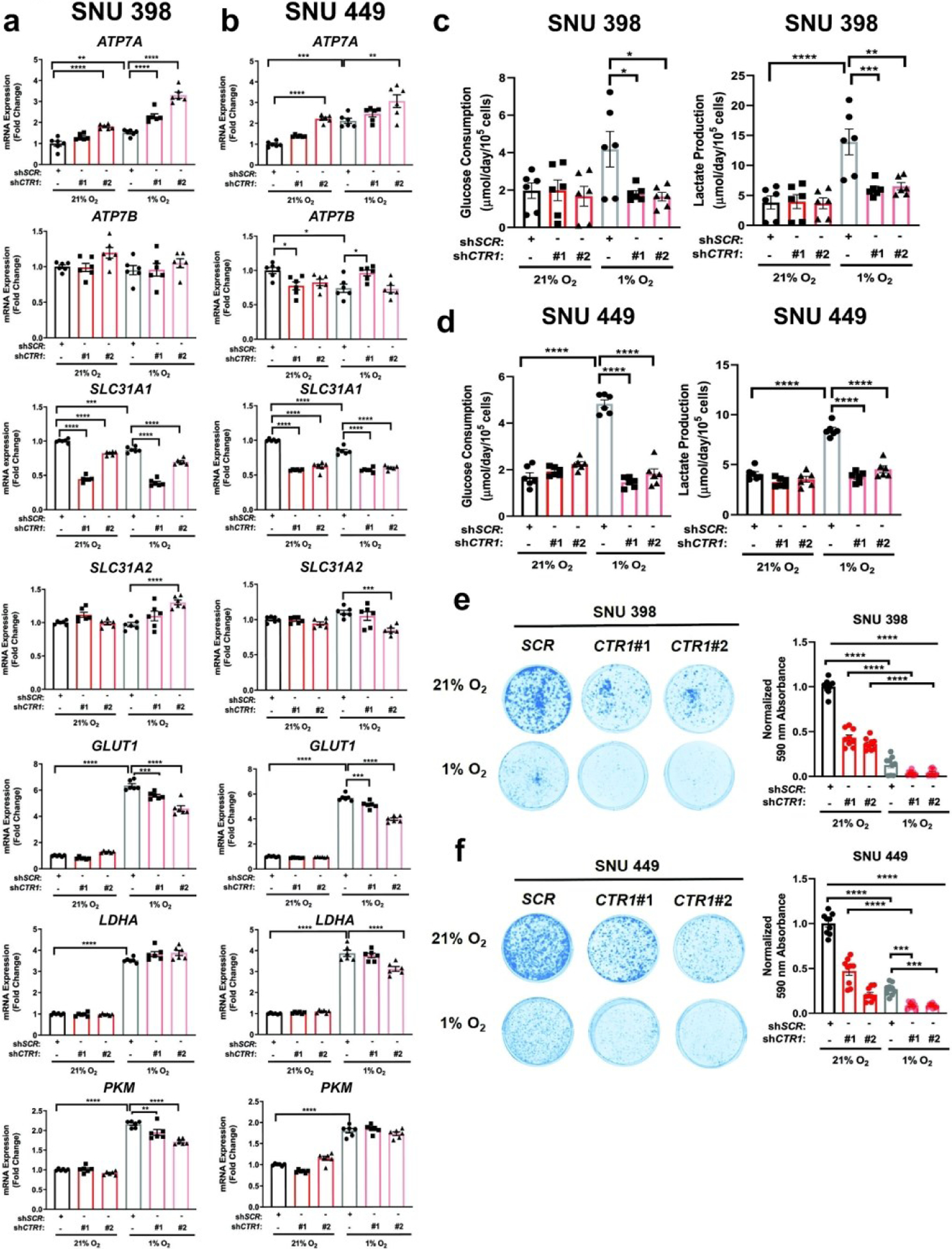
Hepatocellular carcinoma (HCC), the most common primary liver cancer, of which ∼800 000 new cases will be diagnosed worldwide this year, portends a five-year survival rate of merely 17% in patients with unresectable disease. This dismal prognosis is due, at least in part, from the late stage of diagnosis and the limited efficacy of systemic therapies. As a result, there is an urgent need to identify risk factors that contribute to HCC initiation and provide targetable vulnerabilities to improve patient survival. While myriad risk factors are known, elevated copper (Cu) levels in HCC patients and the incidence of hepatobiliary malignancies in Wilson disease patients, which exhibit hereditary liver Cu overload, suggests the possibility that metal accumulation promotes malignant transformation. Here we found that expression of the Cu transporter genes ATP7A, ATP7B, SLC31A1, and SLC31A2 was significantly altered in liver cancer samples and were associated with elevated Cu levels in liver cancer tissue and cells. Further analysis of genomic copy number data revealed that alterations in Cu transporter gene loci correlate with poorer survival in HCC patients. Genetic loss of the Cu importer SLC31A1 (CTR1) or pharmacologic suppression of Cu decreased the viability, clonogenic survival, and anchorage-independent growth of human HCC cell lines. Mechanistically, CTR1 knockdown or Cu chelation decreased glycolytic gene expression and downstream metabolite utilization and as a result forestalled tumor cell survival after exposure to hypoxia, which mimics oxygen deprivation elicited by transarterial embolization, a standard-of-care therapy used for patients with unresectable HCC. Taken together, these findings established an association between altered Cu homeostasis and HCC and suggest that limiting Cu bioavailability may provide a new treatment strategy for HCC by restricting the metabolic reprogramming necessary for cancer cell survival.
肝细胞癌(HCC)是最常见的原发性肝癌,今年全球将诊断出约 80 万例新病例,而不可切除疾病患者的五年生存率仅为 17%。这种惨淡的预后至少部分归因于诊断晚期和系统治疗效果有限。因此,迫切需要确定导致 HCC 发生的风险因素,并提供可靶向的弱点,以提高患者的生存率。虽然有许多已知的风险因素,但 HCC 患者的铜(Cu)水平升高和威尔逊病患者(表现为遗传性肝 Cu 过载)的肝胆恶性肿瘤发病率表明金属积累可能促进恶性转化。在这里,我们发现 Cu 转运蛋白基因 ATP7A、ATP7B、SLC31A1 和 SLC31A2 的表达在肝癌样本中明显改变,并且与肝癌组织和细胞中 Cu 水平升高相关。对基因组拷贝数数据的进一步分析表明,Cu 转运蛋白基因座的改变与 HCC 患者的生存率较差相关。Cu 进口器 SLC31A1(CTR1)的遗传缺失或 Cu 的药物抑制降低了人 HCC 细胞系的活力、集落形成存活和非锚定依赖性生长。在机制上,CTR1 敲低或 Cu 螯合降低了糖酵解基因表达和下游代谢物利用,从而阻止了肿瘤细胞在暴露于模拟经动脉栓塞术(一种用于不可切除 HCC 患者的标准治疗方法)引起的缺氧后的存活,经动脉栓塞术可导致缺氧。综上所述,这些发现确立了 Cu 动态平衡与 HCC 之间的关联,并表明限制 Cu 生物利用度可能通过限制癌细胞存活所需的代谢重编程为 HCC 提供一种新的治疗策略。