Department of Biochemistry, Molecular Biology and Biotechnology, Faculty of Chemistry, |Wroclaw University of Science and Technology|, Wybrzeze Wyspianskiego 27, 50-370, Wroclaw, Poland.
Department of Macromolecular Physics, Faculty of Physics, Adam Mickiewicz University, Uniwersytetu Poznanskiego 2, 61-614, Poznan, Poland.
Cell Commun Signal. 2020 Nov 5;18(1):180. doi: 10.1186/s12964-020-00662-2.
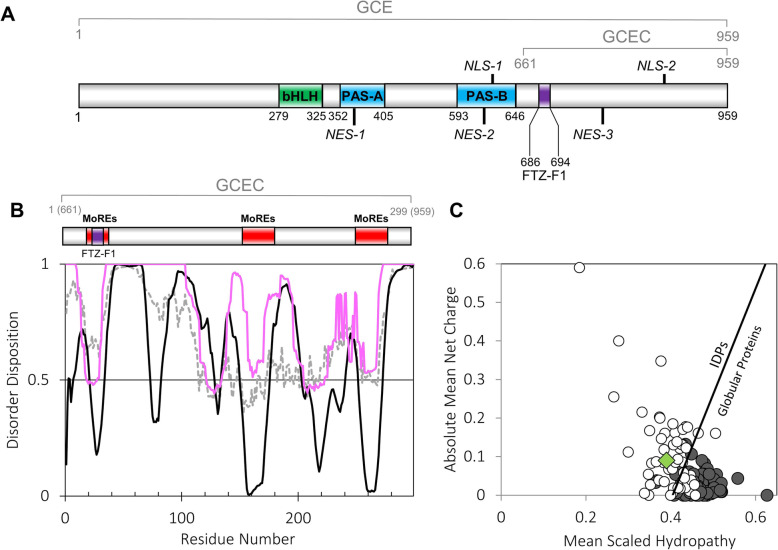
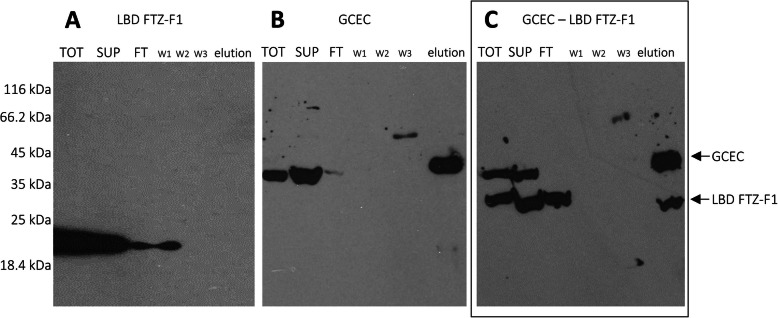
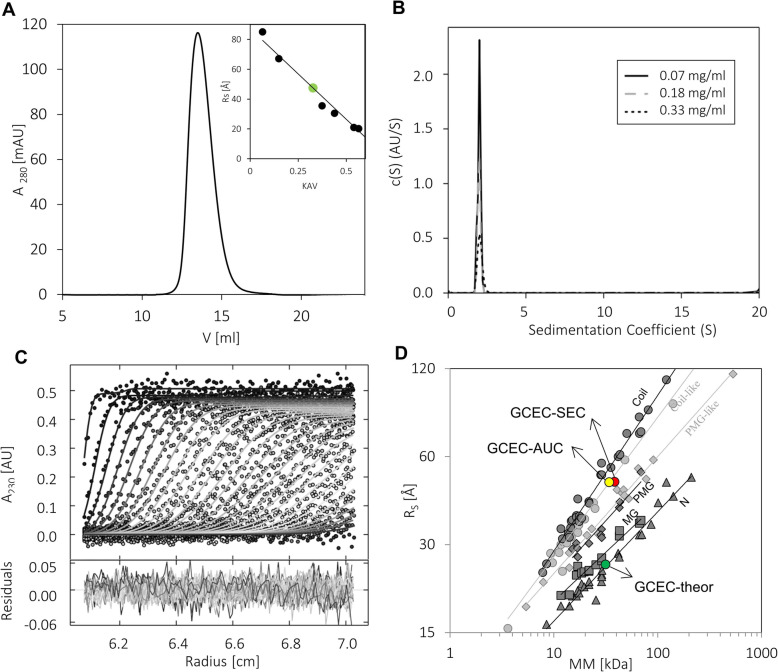
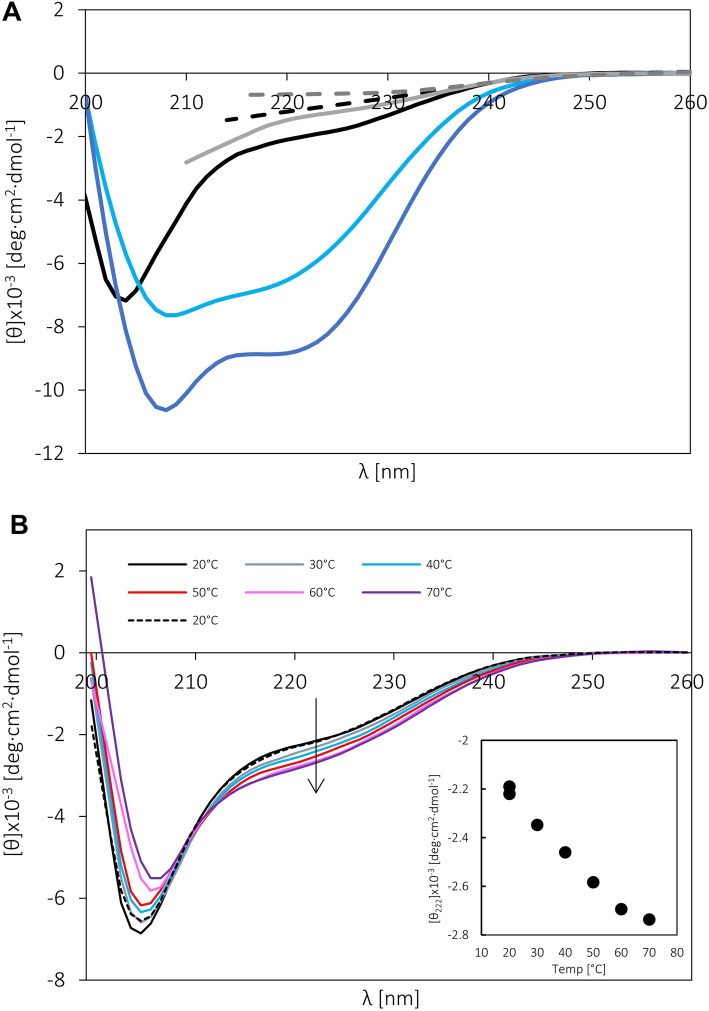
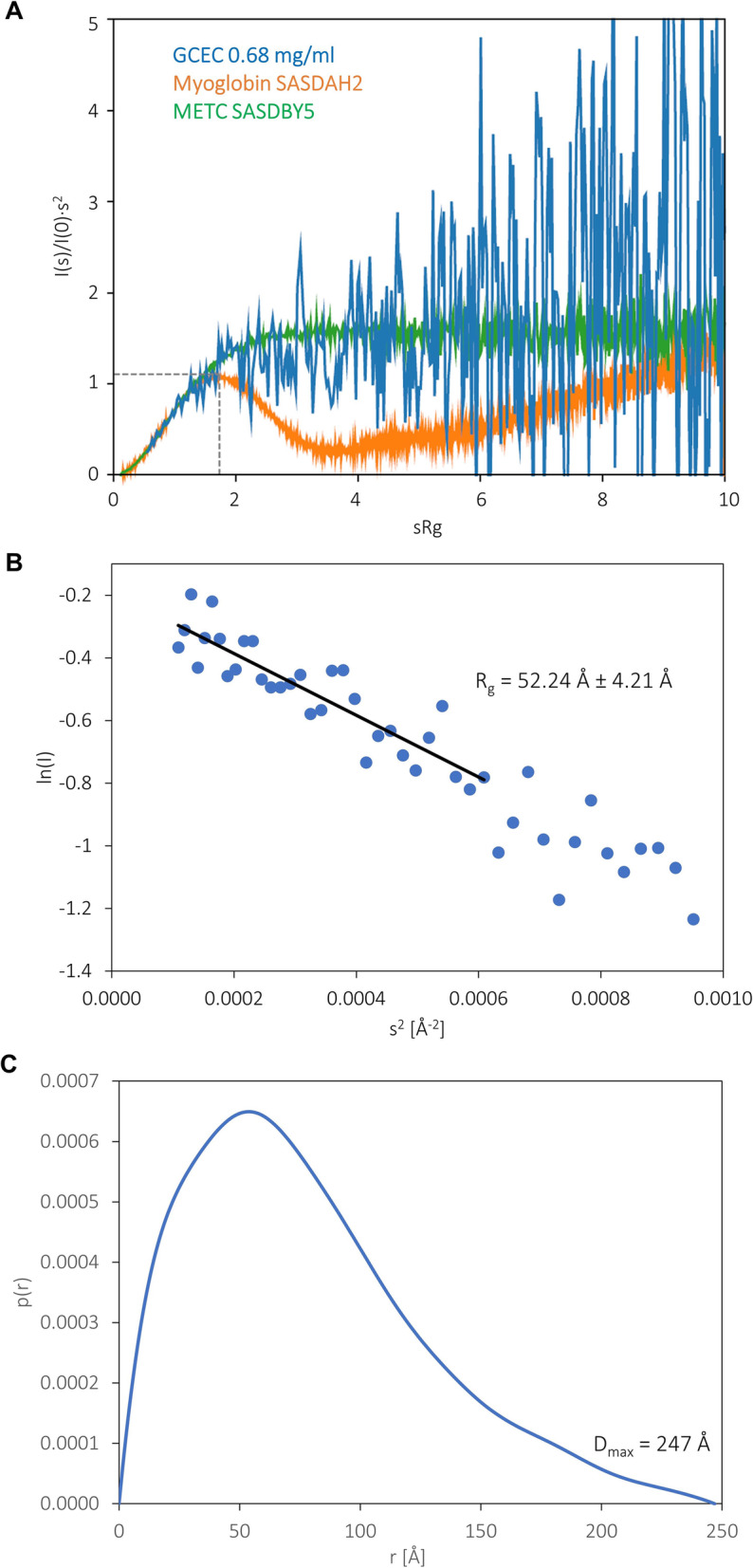
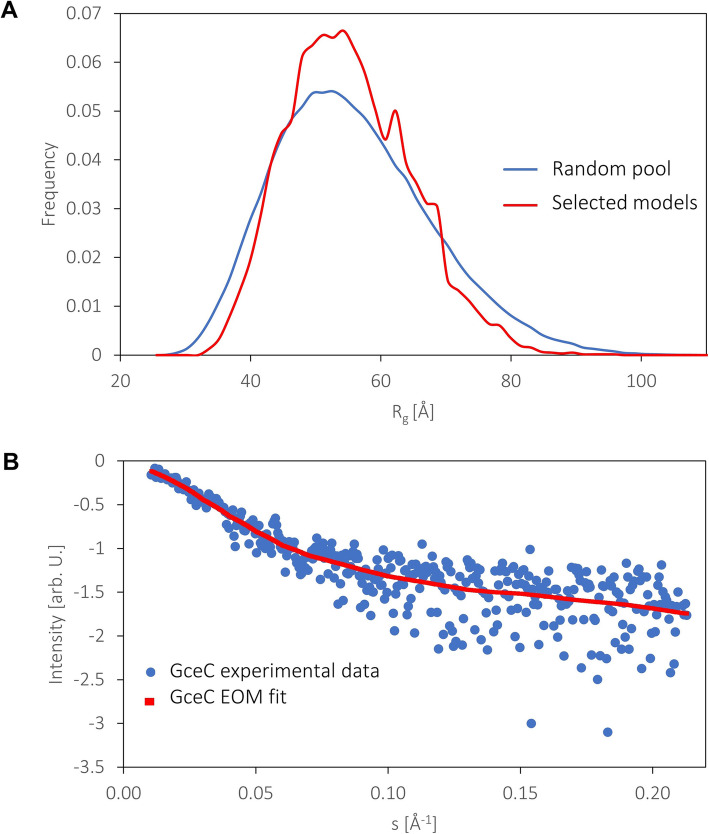
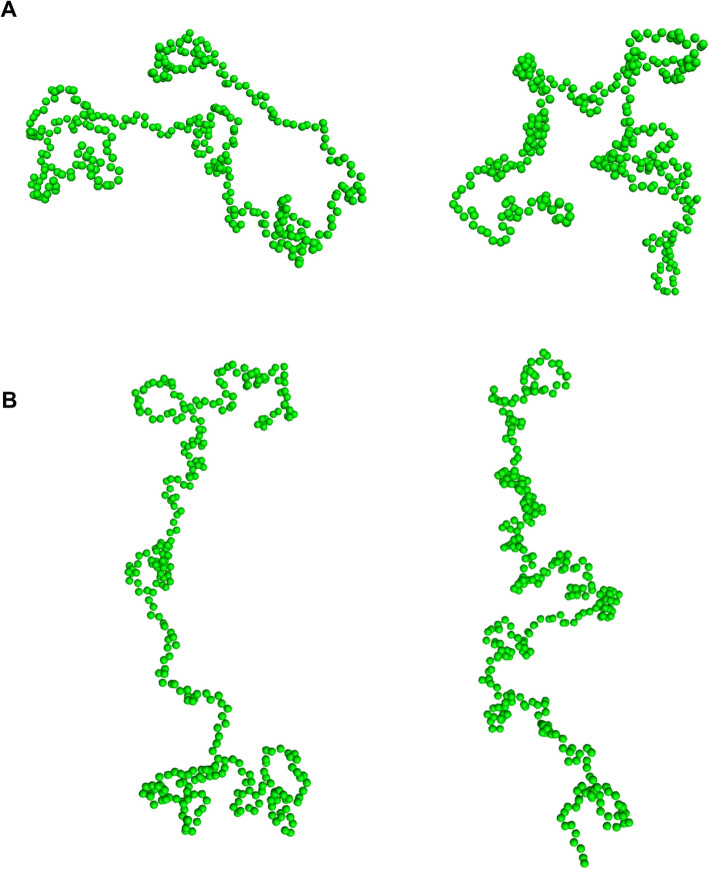
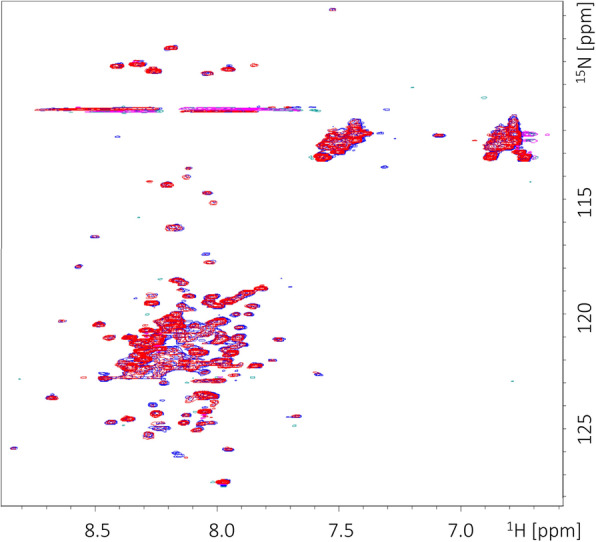
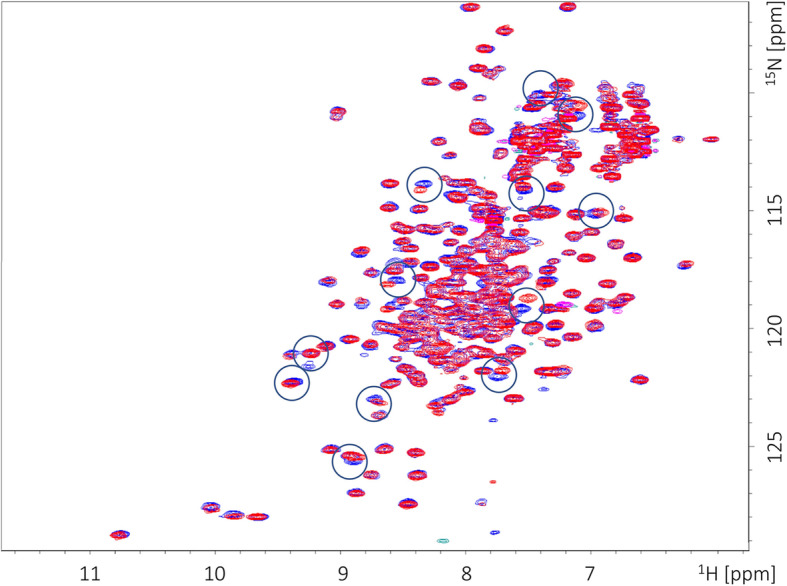
The Drosophila melanogaster Germ cell-expressed protein (GCE) is a paralog of the juvenile hormone (JH) receptor - Methoprene tolerant protein (MET). Both proteins mediate JH function, preventing precocious differentiation during D. melanogaster development. Despite that GCE and MET are often referred to as equivalent JH receptors, their functions are not fully redundant and show tissue specificity. Both proteins belong to the family of bHLH-PAS transcription factors. The similarity of their primary structure is limited to defined bHLH and PAS domains, while their long C-terminal fragments (GCEC, METC) show significant differences and are expected to determine differences in GCE and MET protein activities. In this paper we present the structural characterization of GCEC as a coil-like intrinsically disordered protein (IDP) with highly elongated and asymmetric conformation. In comparison to previously characterized METC, GCEC is less compacted, contains more molecular recognition elements (MoREs) and exhibits a higher propensity for induced folding. The NMR shifts perturbation experiment and pull-down assay clearly demonstrated that the GCEC fragment is sufficient to form an interaction interface with the ligand binding domain (LBD) of the nuclear receptor Fushi Tarazu factor-1 (FTZ-F1). Significantly, these interactions can force GCEC to adopt more fixed structure that can modulate the activity, structure and functions of the full-length receptor. The discussed relation of protein functionality with the structural data of inherently disordered GCEC fragment is a novel look at this protein and contributes to a better understanding of the molecular basis of the functions of the C-terminal fragments of the bHLH-PAS family. Video abstract.
黑腹果蝇生殖细胞表达蛋白(GCE)是保幼激素(JH)受体-灭蝇胺耐受蛋白(MET)的一个旁系同源物。这两种蛋白都介导了 JH 的功能,防止了黑腹果蝇发育过程中的过早分化。尽管 GCE 和 MET 通常被认为是等效的 JH 受体,但它们的功能并非完全冗余,并且表现出组织特异性。这两种蛋白都属于 bHLH-PAS 转录因子家族。它们的一级结构相似性仅限于特定的 bHLH 和 PAS 结构域,而它们的长 C 末端片段(GCEC、METC)则表现出显著的差异,预计这将决定 GCE 和 MET 蛋白活性的差异。在本文中,我们展示了 GCEC 作为一种卷曲样的固有无序蛋白(IDP)的结构特征,其具有高度伸长和不对称的构象。与之前表征的 METC 相比,GCEC 不太紧凑,包含更多的分子识别元件(MoRE),并且表现出更高的诱导折叠倾向。NMR 位移扰动实验和下拉实验清楚地表明,GCEC 片段足以与核受体 Fushi Tarazu 因子-1(FTZ-F1)的配体结合域(LBD)形成相互作用界面。重要的是,这些相互作用可以迫使 GCEC 采用更固定的结构,从而调节全长受体的活性、结构和功能。讨论的蛋白功能与固有无序 GCEC 片段的结构数据之间的关系为该蛋白提供了一个新的视角,并有助于更好地理解 bHLH-PAS 家族 C 末端片段功能的分子基础。视频摘要。