Centro de Astrobiología (CSIC-INTA), 28850, Madrid, Spain.
Instituto de Ciencias Biomédicas, Facultad de Ciencias de la Salud, Universidad Autónoma de Chile, Santiago, Chile.
Sci Rep. 2020 Nov 5;10(1):19183. doi: 10.1038/s41598-020-76302-z.
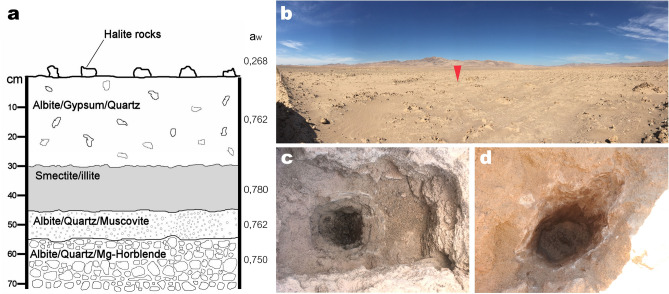
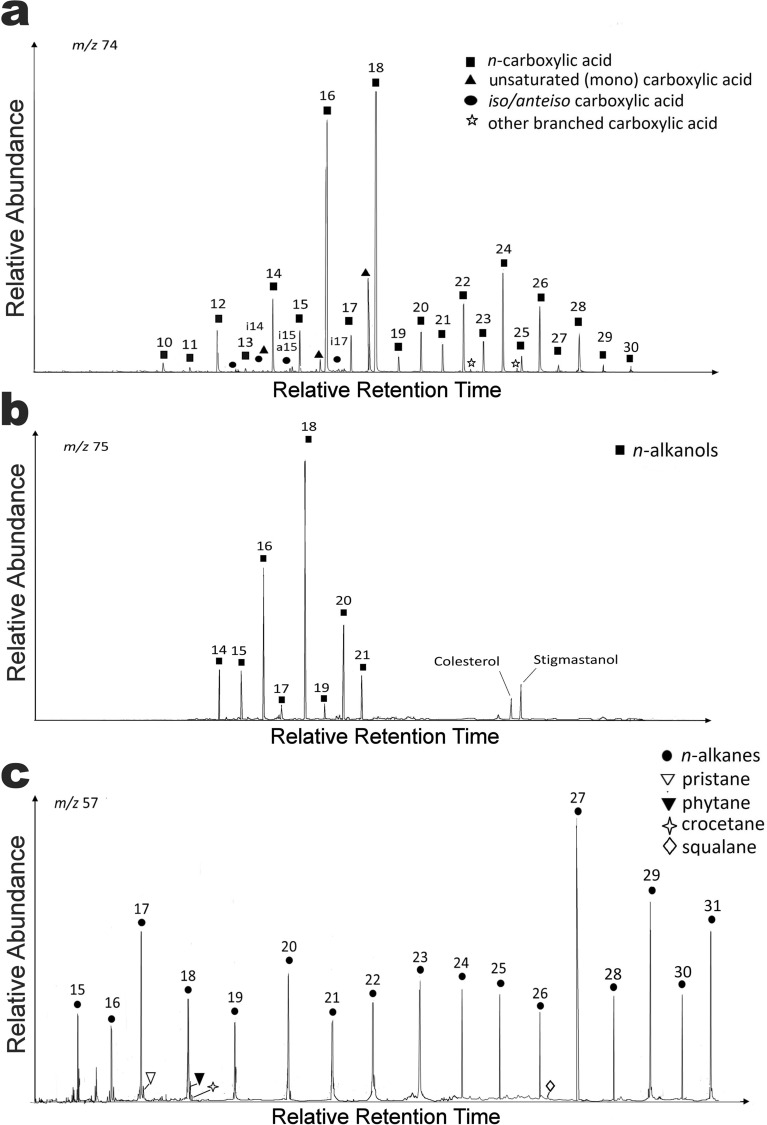
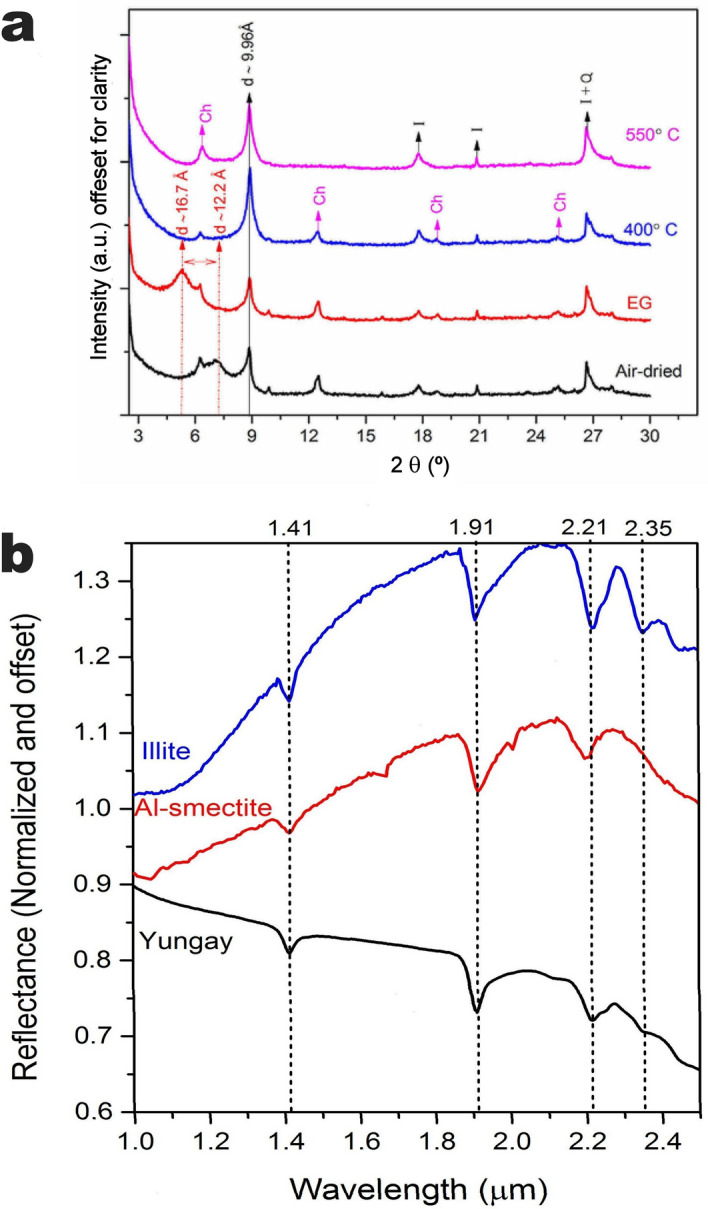
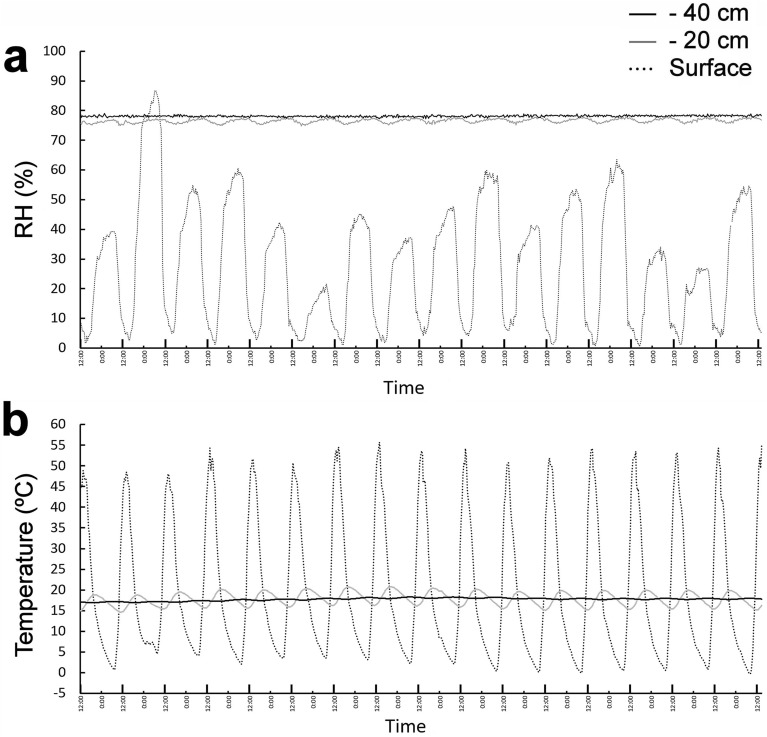
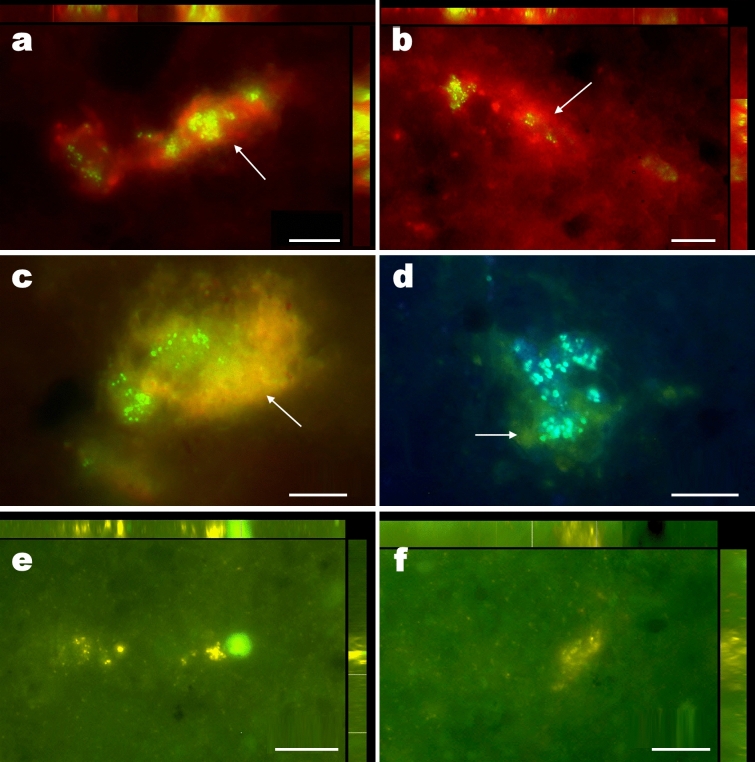
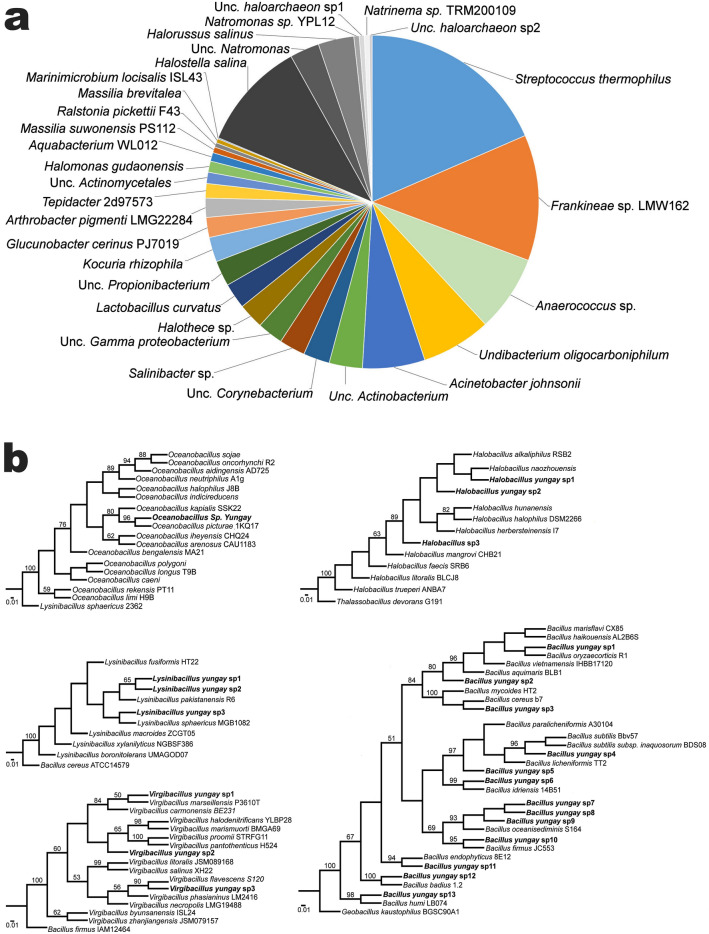
The modern Martian surface is unlikely to be habitable due to its extreme aridity among other environmental factors. This is the reason why the hyperarid core of the Atacama Desert has been studied as an analog for the habitability of Mars for more than 50 years. Here we report a layer enriched in smectites located just 30 cm below the surface of the hyperarid core of the Atacama. We discovered the clay-rich layer to be wet (a phenomenon never observed before in this region), keeping a high and constant relative humidity of 78% (a 0.780), and completely isolated from the changing and extremely dry subaerial conditions characteristic of the Atacama. The smectite-rich layer is inhabited by at least 30 halophilic species of metabolically active bacteria and archaea, unveiling a previously unreported habitat for microbial life under the surface of the driest place on Earth. The discovery of a diverse microbial community in smectite-rich subsurface layers in the hyperarid core of the Atacama, and the collection of biosignatures we have identified within the clays, suggest that similar shallow clay deposits on Mars may contain biosignatures easily reachable by current rovers and landers.
由于极端干旱等环境因素,现代火星表面不太可能适合居住。这就是为什么阿塔卡马沙漠的超干旱核心区被研究了 50 多年,作为火星宜居性的模拟。在这里,我们报告了在阿塔卡马超干旱核心区地表以下 30 厘米处发现的富含蒙脱石的层。我们发现富含粘土的层是湿润的(这是该地区从未观察到的现象),保持着 78%的高且恒定的相对湿度(0.780),并且与阿塔卡马地区多变且极其干燥的大气条件完全隔绝。富含蒙脱石的层至少栖息着 30 种嗜盐微生物,它们具有代谢活性,揭示了在地球上最干燥的地方表面下存在一个以前未被报道的微生物栖息地。在阿塔卡马超干旱核心区富含蒙脱石的地下层中发现了一个多样化的微生物群落,以及我们在粘土中发现的生物特征表明,火星上类似的浅层粘土沉积物可能含有生物特征,这是当前漫游者和着陆器可以轻易到达的。