Wang Jin, Zhou Hao
Department of Cardiology, Chinese PLA General Hospital, Medical School of Chinese PLA, Beijing 100853, China.
Acta Pharm Sin B. 2020 Oct;10(10):1866-1879. doi: 10.1016/j.apsb.2020.03.004. Epub 2020 Apr 8.
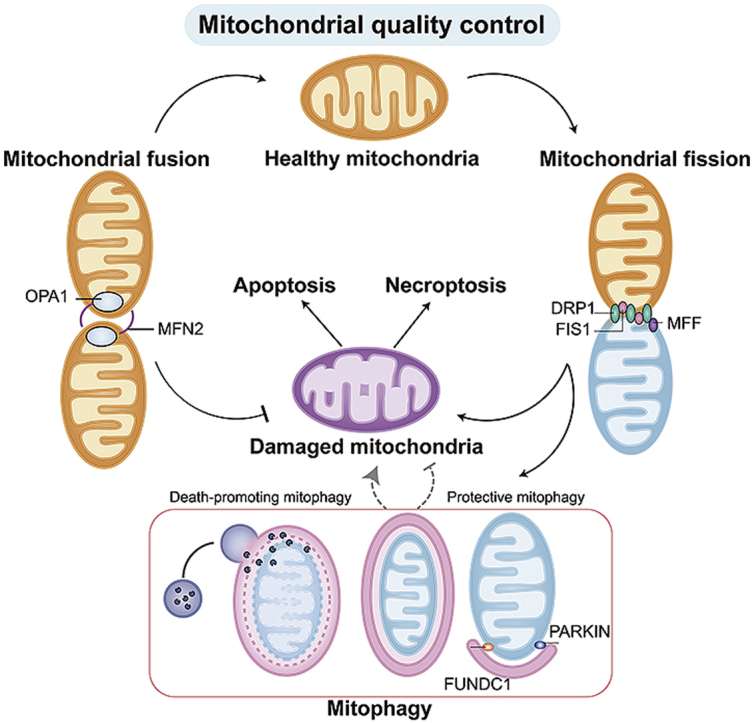
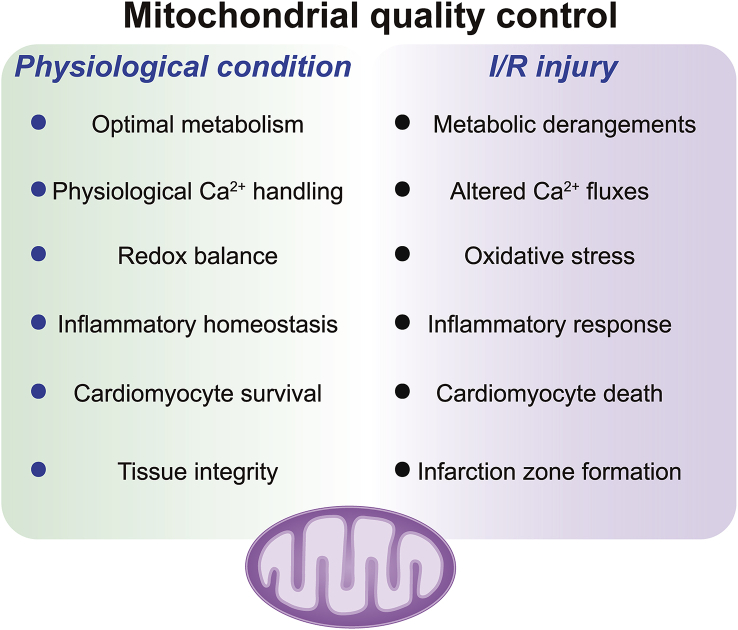
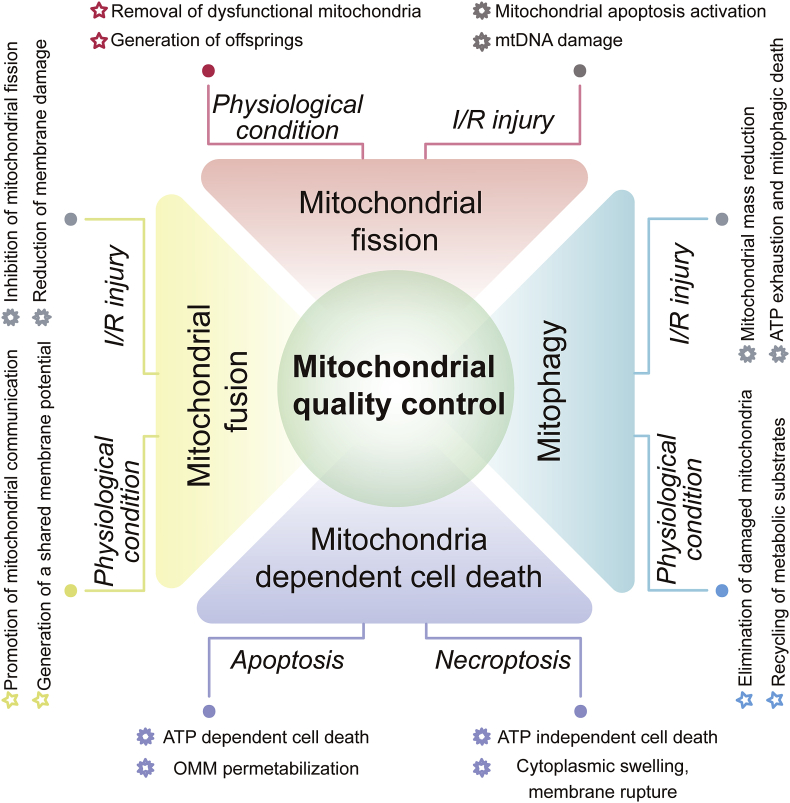
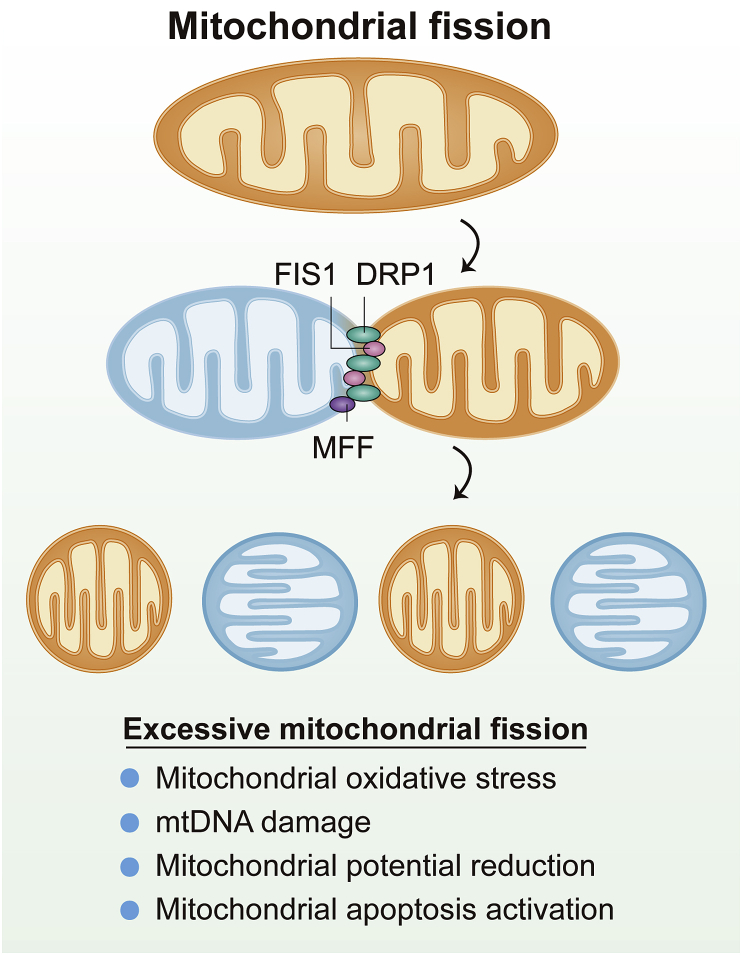
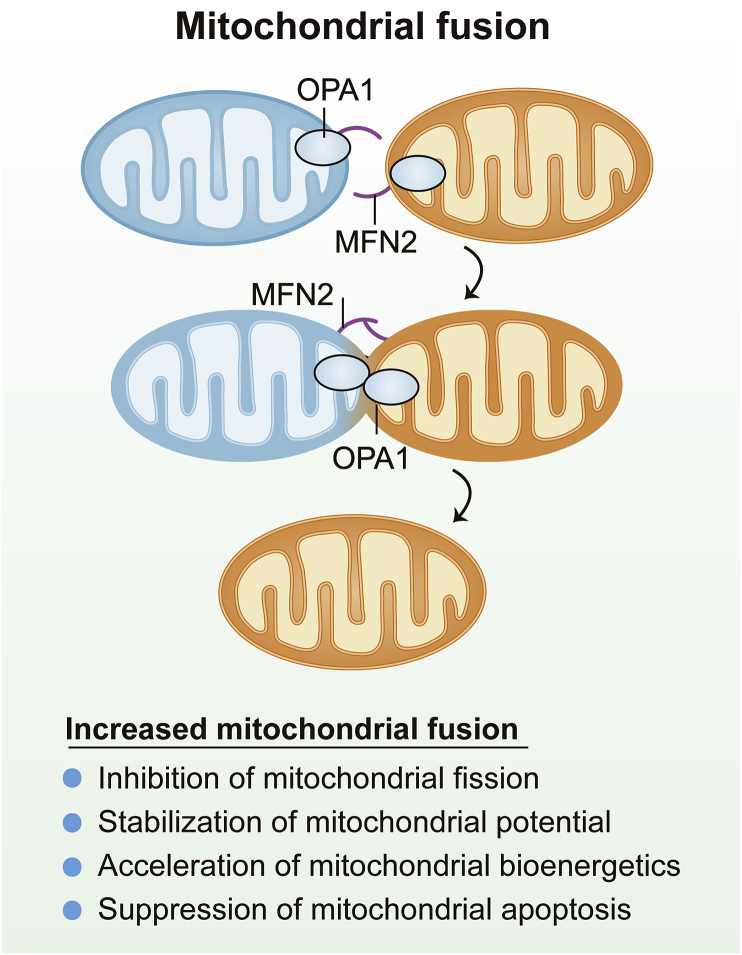
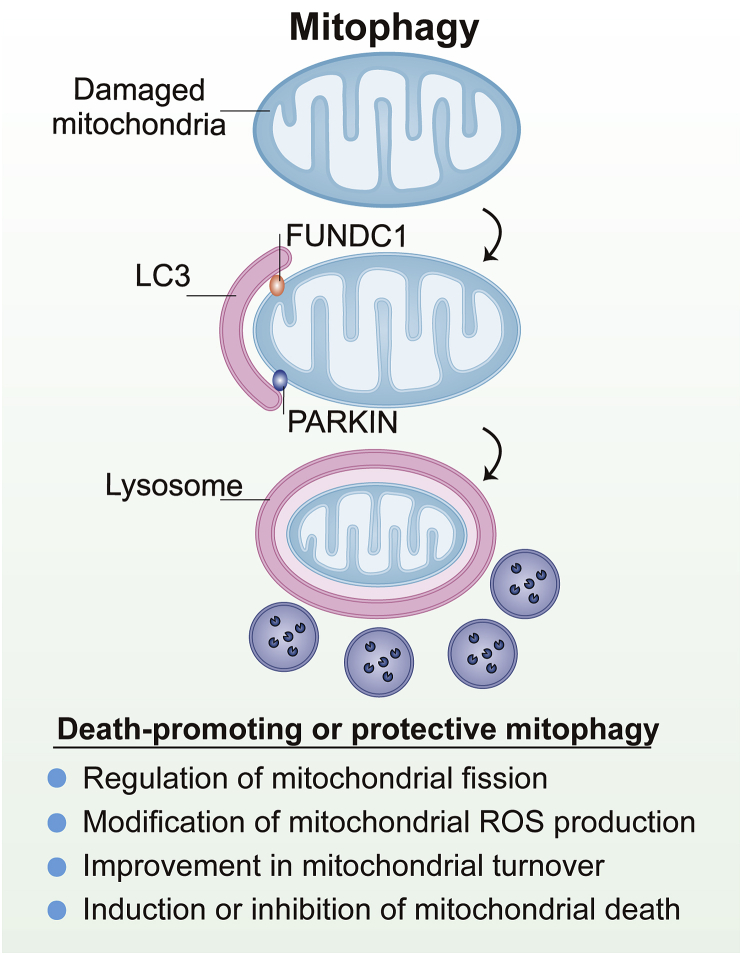
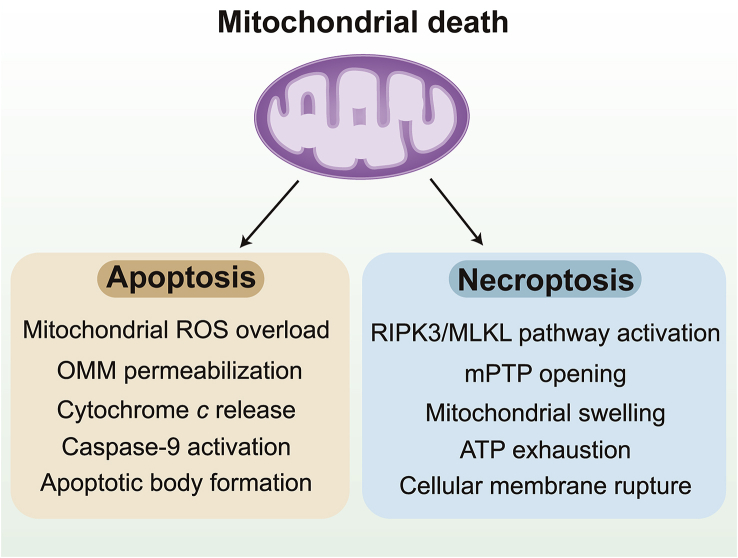
Mitochondrial damage is a critical contributor to cardiac ischemia/reperfusion (I/R) injury. Mitochondrial quality control (MQC) mechanisms, a series of adaptive responses that preserve mitochondrial structure and function, ensure cardiomyocyte survival and cardiac function after I/R injury. MQC includes mitochondrial fission, mitochondrial fusion, mitophagy and mitochondria-dependent cell death. The interplay among these responses is linked to pathological changes such as redox imbalance, calcium overload, energy metabolism disorder, signal transduction arrest, the mitochondrial unfolded protein response and endoplasmic reticulum stress. Excessive mitochondrial fission is an early marker of mitochondrial damage and cardiomyocyte death. Reduced mitochondrial fusion has been observed in stressed cardiomyocytes and correlates with mitochondrial dysfunction and cardiac depression. Mitophagy allows autophagosomes to selectively degrade poorly structured mitochondria, thus maintaining mitochondrial network fitness. Nevertheless, abnormal mitophagy is maladaptive and has been linked to cell death. Although mitochondria serve as the fuel source of the heart by continuously producing adenosine triphosphate, they also stimulate cardiomyocyte death by inducing apoptosis or necroptosis in the reperfused myocardium. Therefore, defects in MQC may determine the fate of cardiomyocytes. In this review, we summarize the regulatory mechanisms and pathological effects of MQC in myocardial I/R injury, highlighting potential targets for the clinical management of reperfusion.
线粒体损伤是心脏缺血/再灌注(I/R)损伤的关键促成因素。线粒体质量控制(MQC)机制是一系列维持线粒体结构和功能的适应性反应,可确保心肌细胞在I/R损伤后存活及心脏功能正常。MQC包括线粒体分裂、线粒体融合、线粒体自噬和线粒体依赖性细胞死亡。这些反应之间的相互作用与氧化还原失衡、钙超载、能量代谢紊乱、信号转导停滞、线粒体未折叠蛋白反应和内质网应激等病理变化有关。过度的线粒体分裂是线粒体损伤和心肌细胞死亡的早期标志。在应激心肌细胞中观察到线粒体融合减少,且与线粒体功能障碍和心脏功能抑制相关。线粒体自噬使自噬体能够选择性地降解结构不良的线粒体,从而维持线粒体网络的健康状态。然而,异常的线粒体自噬具有适应不良性,并与细胞死亡有关。尽管线粒体通过持续产生三磷酸腺苷作为心脏的能量来源,但它们也通过诱导再灌注心肌中的细胞凋亡或坏死性凋亡来刺激心肌细胞死亡。因此,MQC缺陷可能决定心肌细胞的命运。在本综述中,我们总结了MQC在心肌I/R损伤中的调节机制和病理作用,强调了再灌注临床管理的潜在靶点。