Department of Obstetrics & Gynaecology, Yong Loo Lin School of Medicine, National University of Singapore, Singapore.
Singapore Institute for Clinical Sciences, Agency for Science, Technology and Research (A*STAR), Singapore.
J Clin Endocrinol Metab. 2021 Jan 23;106(2):e875-e890. doi: 10.1210/clinem/dgaa814.
Perturbed inositol physiology in insulin-resistant conditions has led to proposals of inositol supplementation for gestational diabetes (GDM) prevention, but placental inositol biology is poorly understood.
Investigate associations of maternal glycemia with placental inositol content, determine glucose effects on placental expression of inositol enzymes and transporters, and examine relations with birthweight.
Case-control study of placentae from term singleton pregnancies (GDM n = 24, non-GDM n = 26), and culture of another 9 placentae in different concentrations of glucose and myo-inositol for 48 hours.
Placental inositol was quantified by the Megazyme assay. Relative expression of enzymes involved in myo-inositol metabolism and plasma membrane inositol transport was determined by quantitative RT-PCR and immunoblotting. Linear regression analyses were adjusted for maternal age, body mass index, ethnicity, gestational age, and sex.
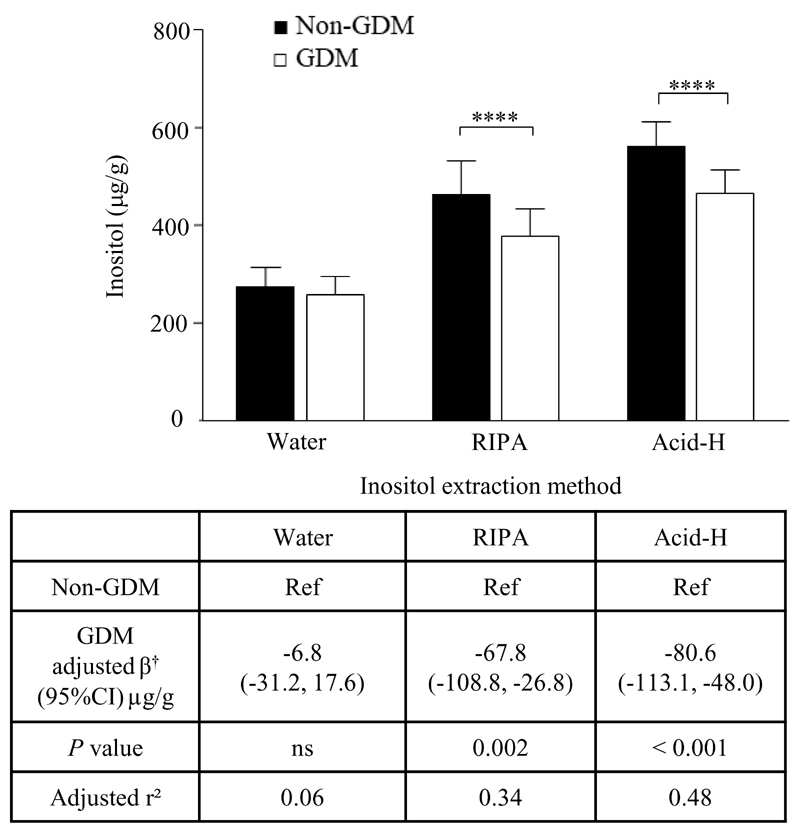
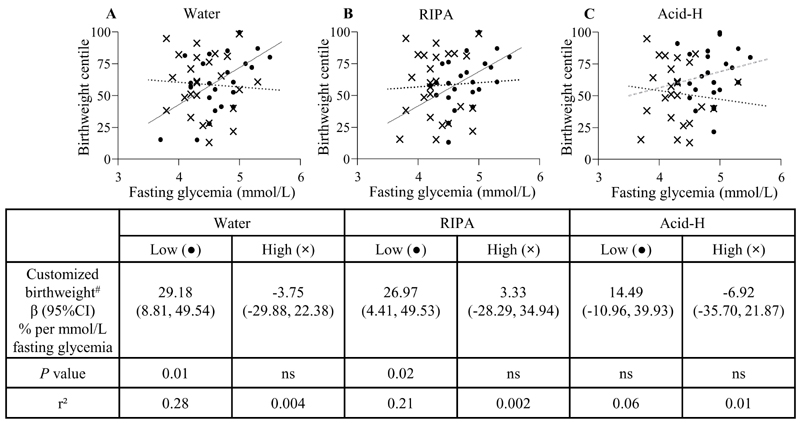
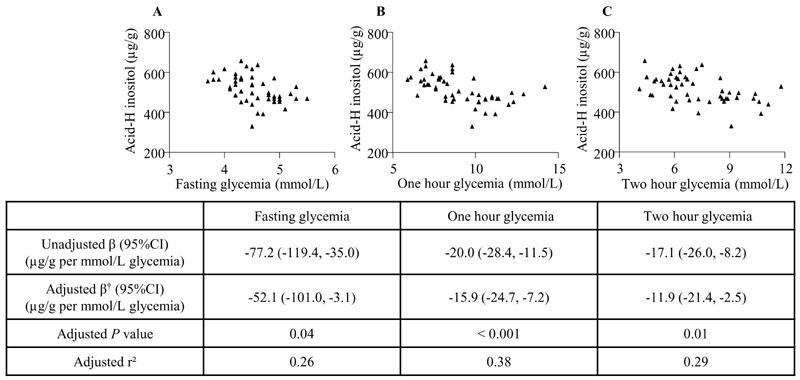
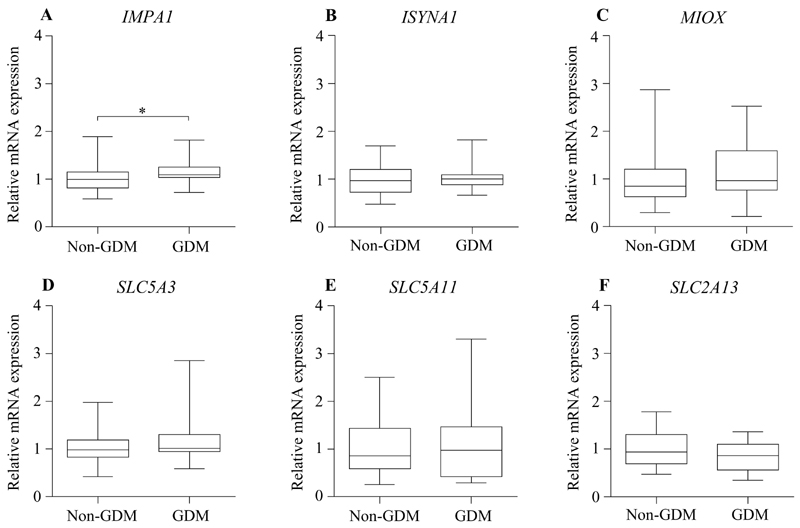
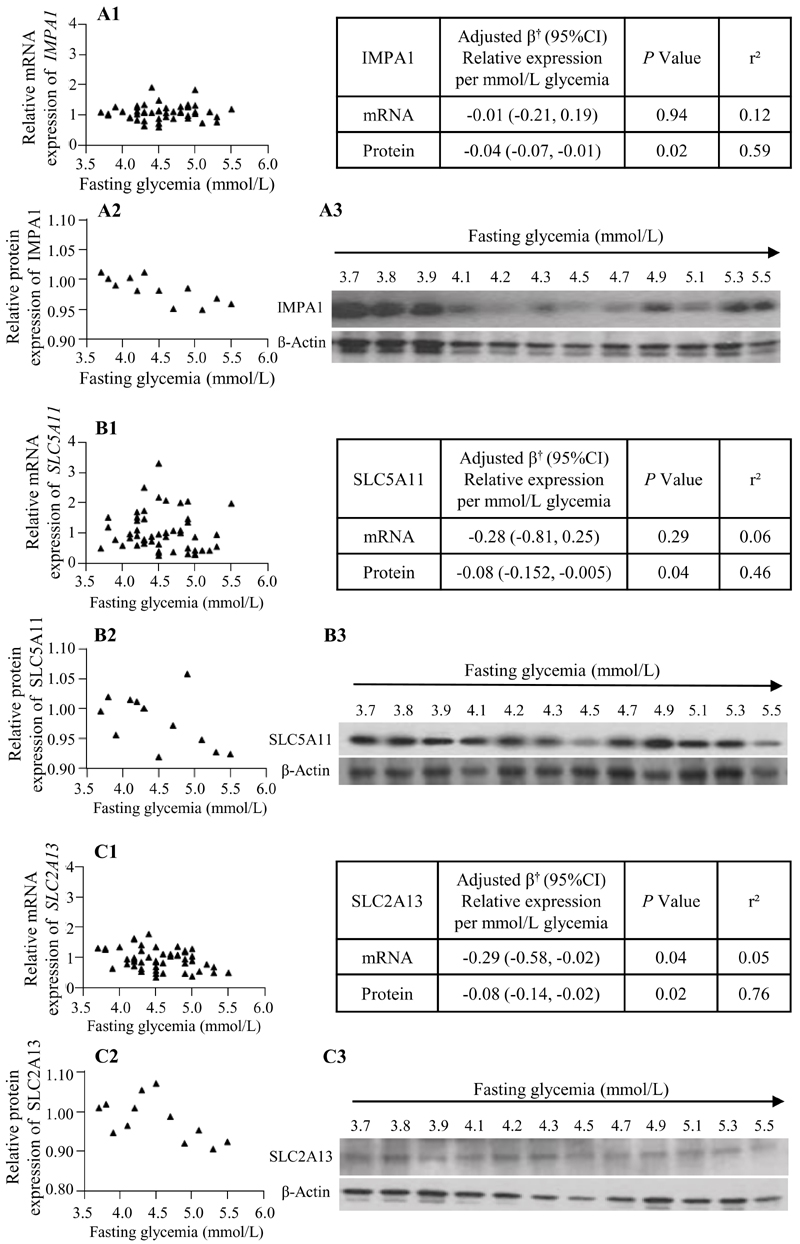
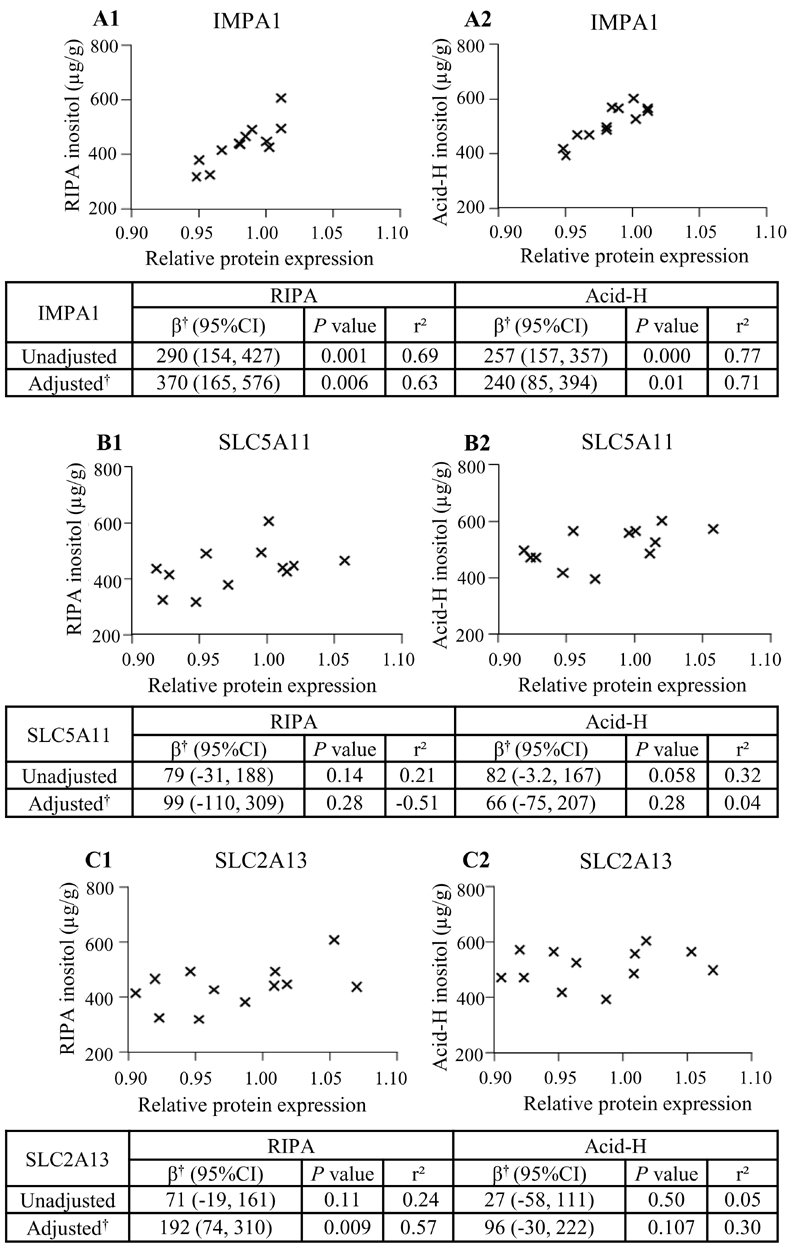
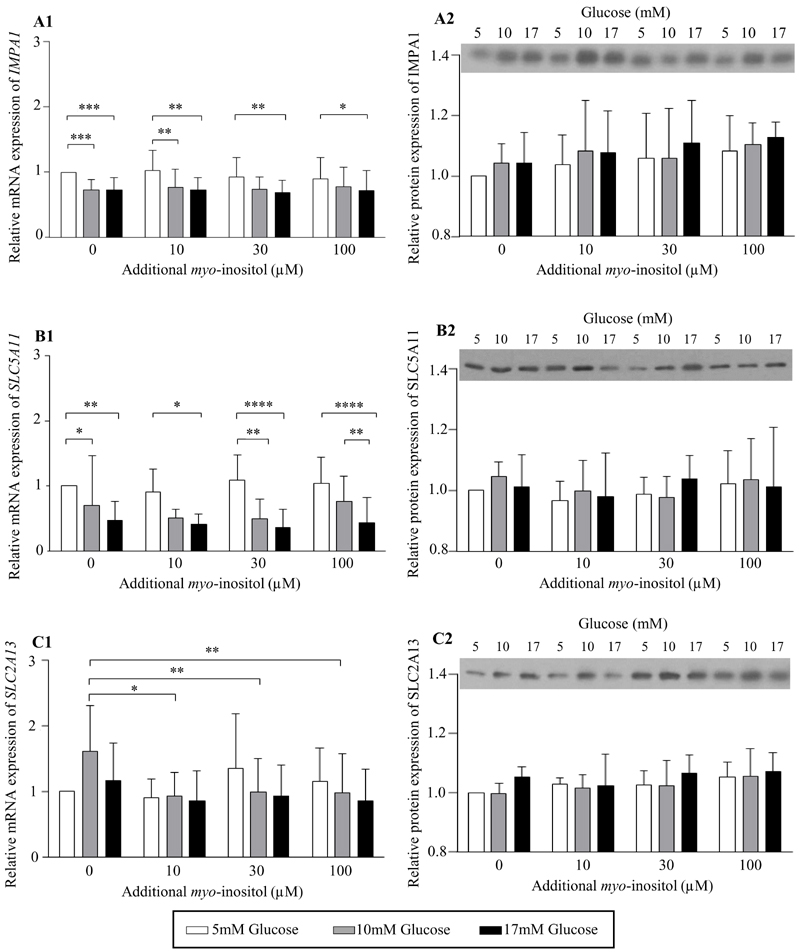
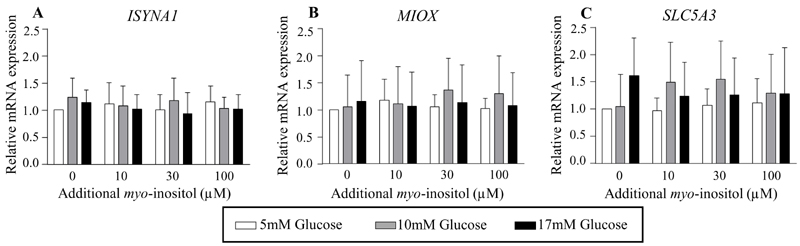
Placental inositol content was 17% lower in GDM compared with non-GDM. Higher maternal mid-gestation glycemia were associated with lower placental inositol. Increasing fasting glycemia was associated with lower protein levels of the myo-inositol synthesis enzyme, IMPA1, and the inositol transporters, SLC5A11 and SLC2A13, the expression of which also correlated with placental inositol content. In vitro, higher glucose concentrations reduced IMPA1 and SLC5A11 mRNA expression. Increasing fasting glycemia positively associated with customized birthweight percentile as expected in cases with low placental inositol, but this association was attenuated with high placental inositol.
Glycemia-induced dysregulation of placental inositol synthesis and transport may be implicated in reduced placental inositol content in GDM, and this may in turn be permissive to accelerated fetal growth.
在胰岛素抵抗的情况下,磷酸肌醇代谢异常导致人们提出补充肌醇以预防妊娠糖尿病(GDM),但胎盘肌醇的生物学特性仍知之甚少。
研究母体血糖与胎盘肌醇含量的相关性,确定葡萄糖对胎盘肌醇代谢酶和转运体表达的影响,并探讨其与出生体重的关系。
对足月单胎妊娠的胎盘进行病例对照研究(GDM 组 24 例,非 GDM 组 26 例),另对 9 个胎盘在不同葡萄糖和肌醇浓度下培养 48 小时。
采用 Megazyme 法检测胎盘肌醇含量。采用定量 RT-PCR 和免疫印迹法检测参与肌醇代谢和质膜肌醇转运的酶的相对表达。线性回归分析调整了母体年龄、体重指数、种族、孕龄和性别。
与非 GDM 相比,GDM 组胎盘肌醇含量低 17%。孕中期较高的血糖与较低的胎盘肌醇有关。空腹血糖升高与肌醇合成酶 IMPA1 和肌醇转运体 SLC5A11、SLC2A13 的蛋白水平降低有关,这些转运体的表达也与胎盘肌醇含量相关。体外研究表明,较高的葡萄糖浓度降低了 IMPA1 和 SLC5A11 的 mRNA 表达。正如预期的那样,在胎盘肌醇水平较低的病例中,空腹血糖升高与定制的出生体重百分位数呈正相关,但当胎盘肌醇水平较高时,这种相关性减弱。
血糖诱导的胎盘肌醇合成和转运失调可能与 GDM 中胎盘肌醇含量降低有关,而这可能又有利于胎儿生长加速。