Department of Physiology and Cell Biology, University of South Alabama College of Medicine, Mobile, AL, United States of America.
University of South Alabama Mitchell Cancer Institute, Mobile, Alabama, United States of America.
PLoS One. 2020 Nov 9;15(11):e0242174. doi: 10.1371/journal.pone.0242174. eCollection 2020.
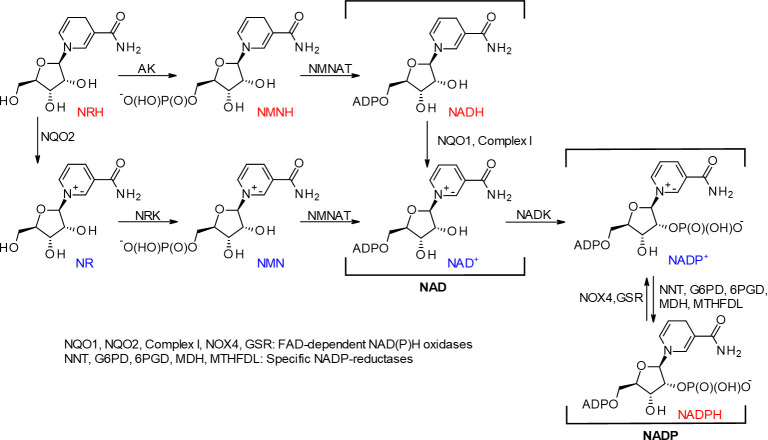
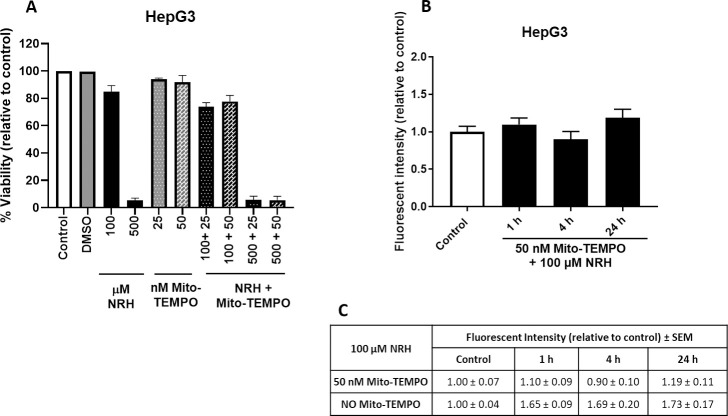
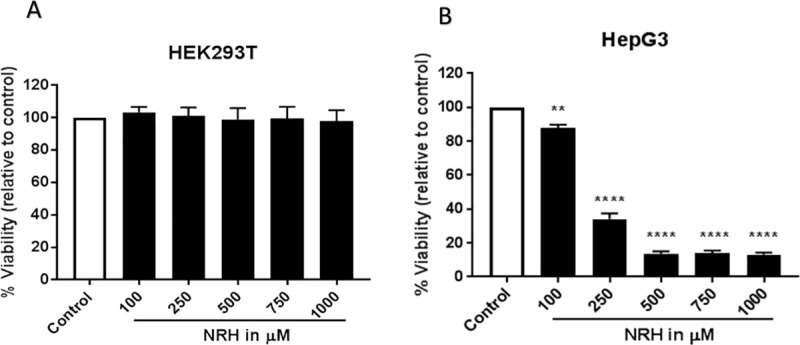
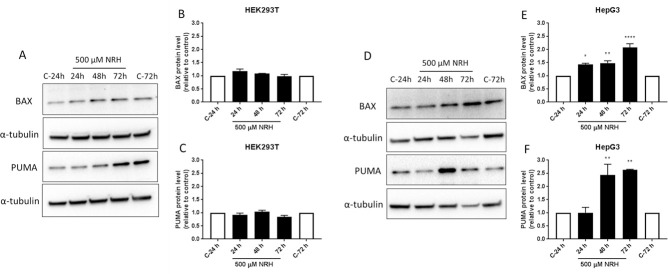
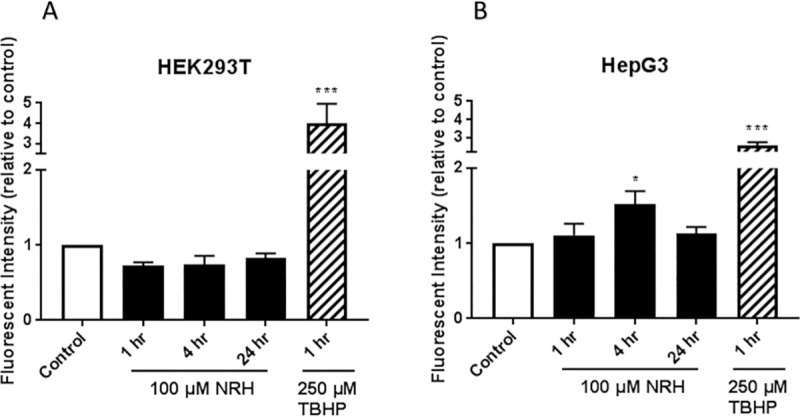
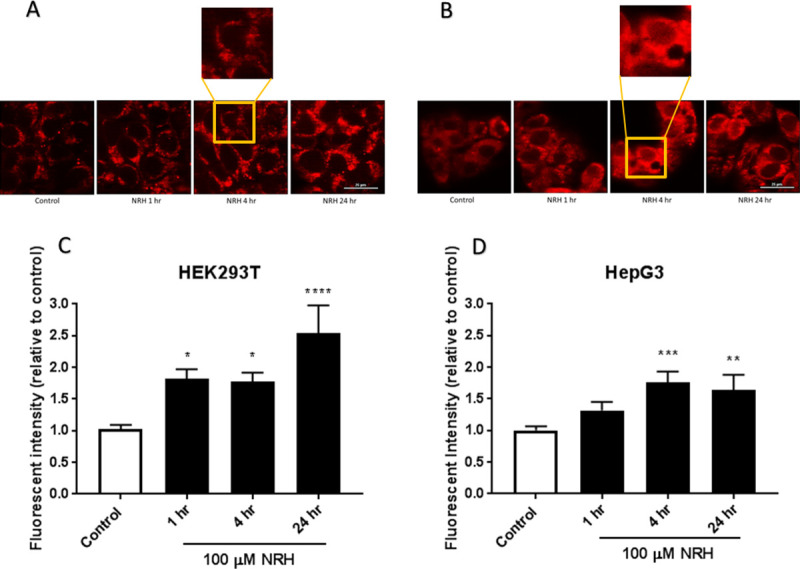
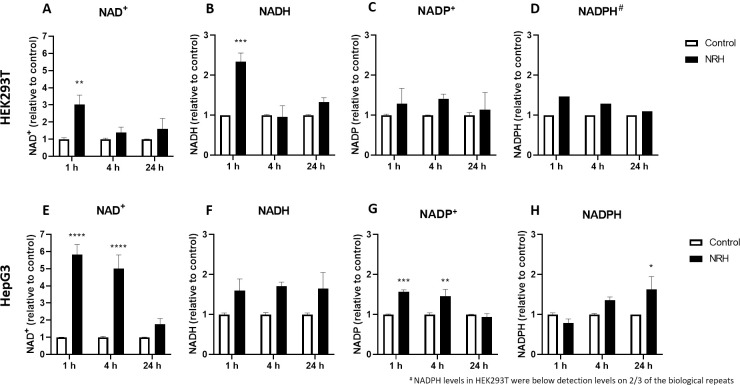
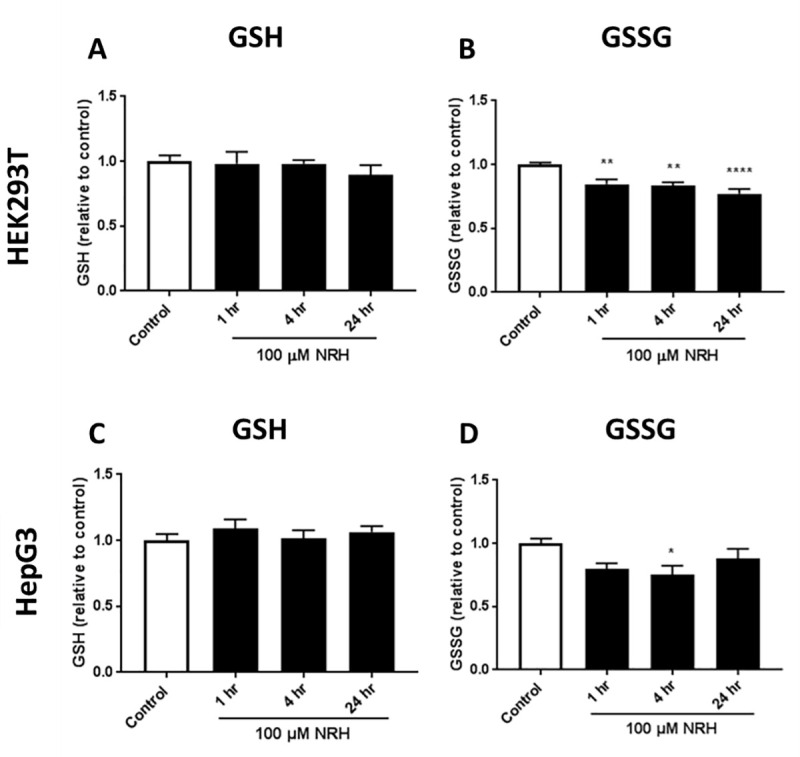
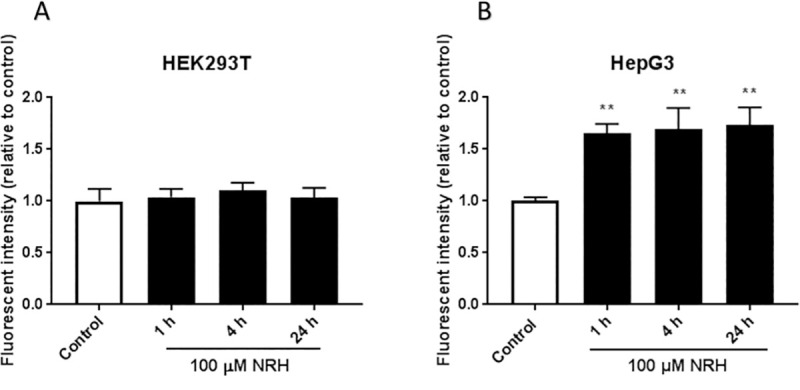
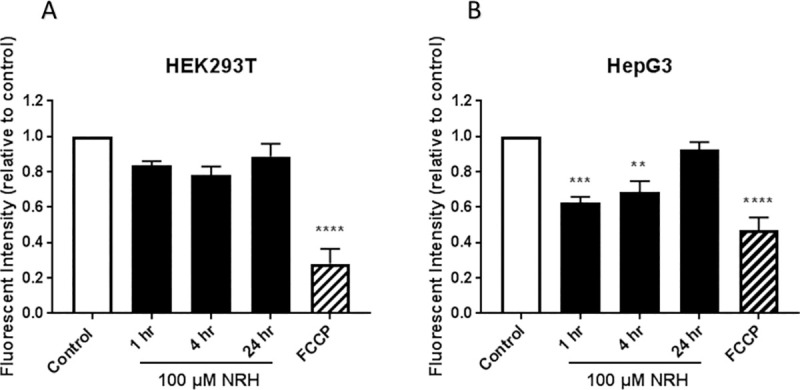
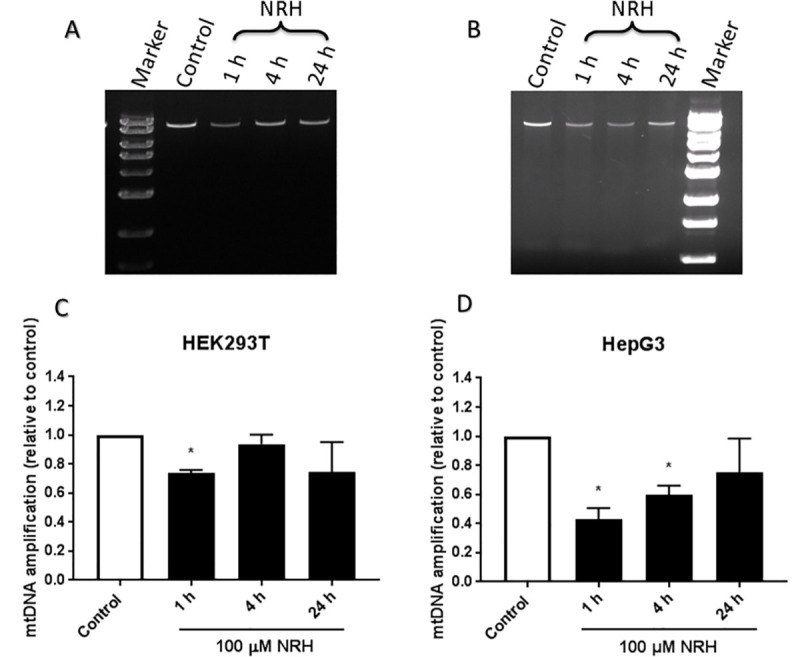
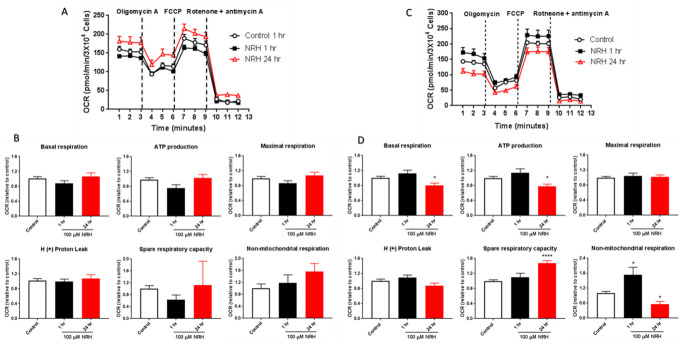
Nicotinamide adenine dinucleotide (NAD+), the essential cofactor derived from vitamin B3, is both a coenzyme in redox enzymatic processes and substrate in non-redox events; processes that are intimately implicated in all essential bioenergetics. A decrease in intracellular NAD+ levels is known to cause multiple metabolic complications and age-related disorders. One NAD+ precursor is dihydronicotinamide riboside (NRH), which increases NAD+ levels more potently in both cultured cells and mice than current supplementation strategies with nicotinamide riboside (NR), nicotinamide mononucleotide (NMN) or vitamin B3 (nicotinamide and niacin). However, the consequences of extreme boosts in NAD+ levels are not fully understood. Here, we demonstrate the cell-specific effects of acute NRH exposure in mammalian cells. Hepatocellular carcinoma (HepG3) cells show dose-dependent cytotoxicity when supplemented with 100-1000 μM NRH. Cytotoxicity was not observed in human embryonic kidney (HEK293T) cells over the same dose range of NRH. PUMA and BAX mediate the cell-specific cytotoxicity of NRH in HepG3. When supplementing HepG3 with 100 μM NRH, a significant increase in ROS was observed concurrent with changes in the NAD(P)H and GSH/GSSG pools. NRH altered mitochondrial membrane potential, increased mitochondrial superoxide formation, and induced mitochondrial DNA damage in those cells. NRH also caused metabolic dysregulation, altering mitochondrial respiration. Altogether, we demonstrated the detrimental consequences of an extreme boost of the total NAD (NAD+ + NADH) pool through NRH supplementation in HepG3. The cell-specific effects are likely mediated through the different metabolic fate of NRH in these cells, which warrants further study in other systemic models.
烟酰胺腺嘌呤二核苷酸(NAD+),一种从维生素 B3 衍生而来的必需辅酶,既是氧化还原酶过程中的辅酶,也是非氧化还原事件中的底物;这些过程与所有基本的生物能量密切相关。已知细胞内 NAD+水平的降低会导致多种代谢并发症和与年龄相关的疾病。NAD+的前体之一是二氢烟酰胺核糖(NRH),它在培养细胞和小鼠中的作用比目前用烟酰胺核糖(NR)、烟酰胺单核苷酸(NMN)或维生素 B3(烟酰胺和烟酸)进行补充的策略更能有效地提高 NAD+水平。然而,极端提高 NAD+水平的后果还不完全清楚。在这里,我们展示了哺乳动物细胞中急性 NRH 暴露的细胞特异性效应。当用 100-1000 μM NRH 补充时,肝癌(HepG3)细胞表现出剂量依赖性细胞毒性。在相同的 NRH 剂量范围内,人胚肾(HEK293T)细胞没有观察到细胞毒性。在 HepG3 中,PUMA 和 BAX 介导了 NRH 的细胞特异性细胞毒性。当用 100 μM NRH 补充 HepG3 时,观察到 ROS 显著增加,同时 NAD(P)H 和 GSH/GSSG 池发生变化。NRH 改变了线粒体膜电位,增加了线粒体超氧化物的形成,并在这些细胞中诱导了线粒体 DNA 损伤。NRH 还导致代谢失调,改变了线粒体呼吸。总之,我们证明了通过 NRH 补充使总 NAD(NAD+ + NADH)池极度增加对 HepG3 的有害后果。这种细胞特异性的影响可能是通过这些细胞中 NRH 不同的代谢命运介导的,这需要在其他系统模型中进一步研究。