College of Medicine and Biological Information Engineering, Northeastern University, Shenyang 110169, China.
Sensors (Basel). 2020 Nov 5;20(21):6318. doi: 10.3390/s20216318.
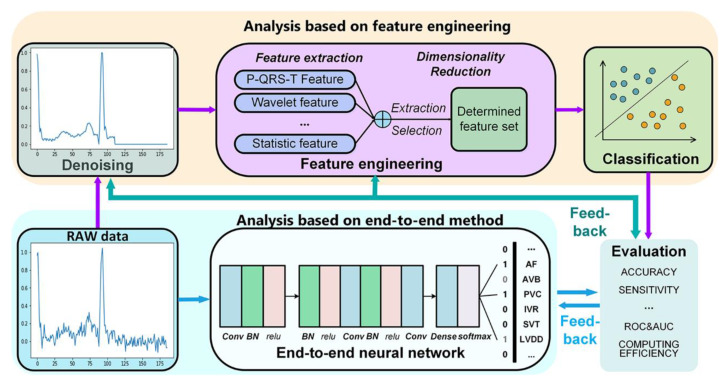
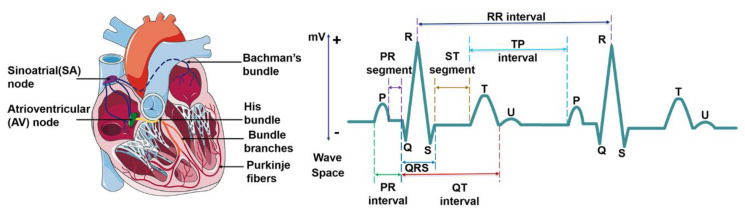
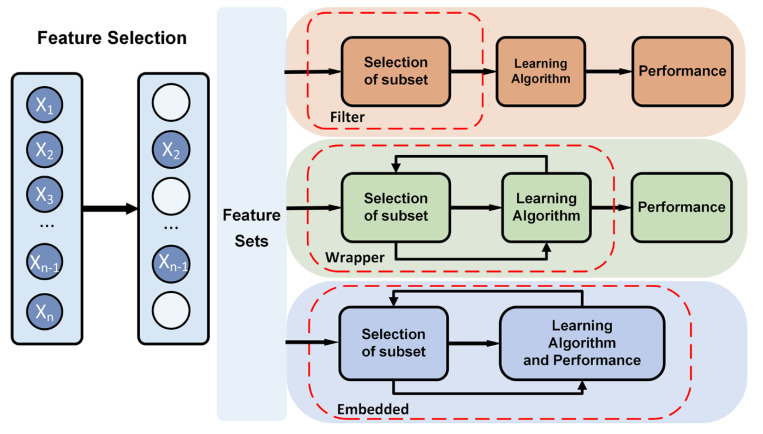
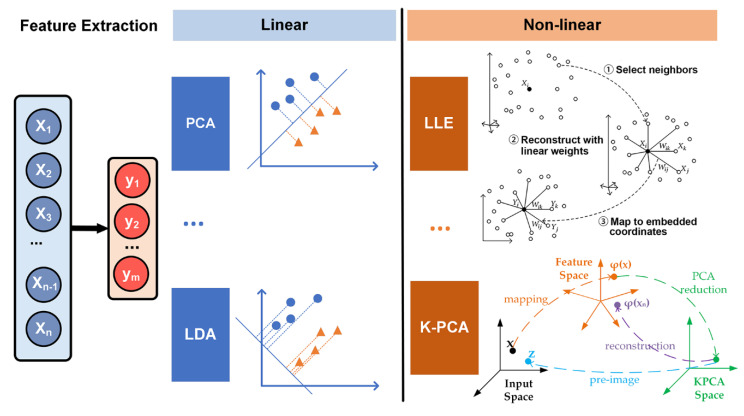
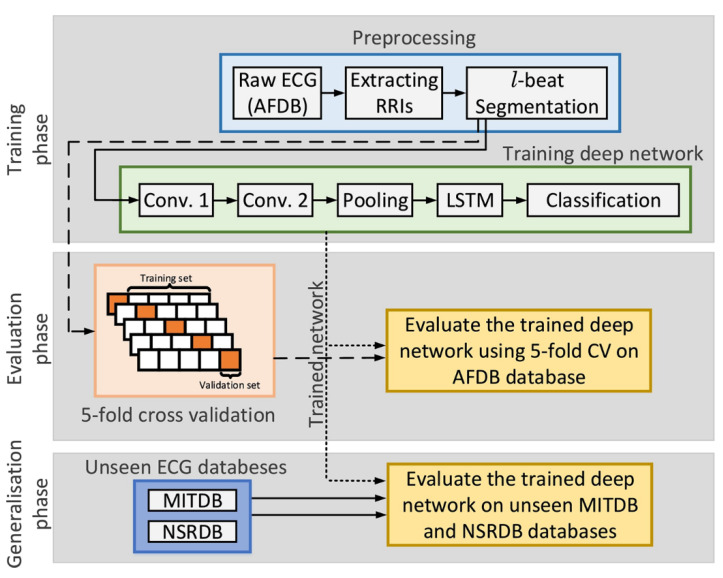
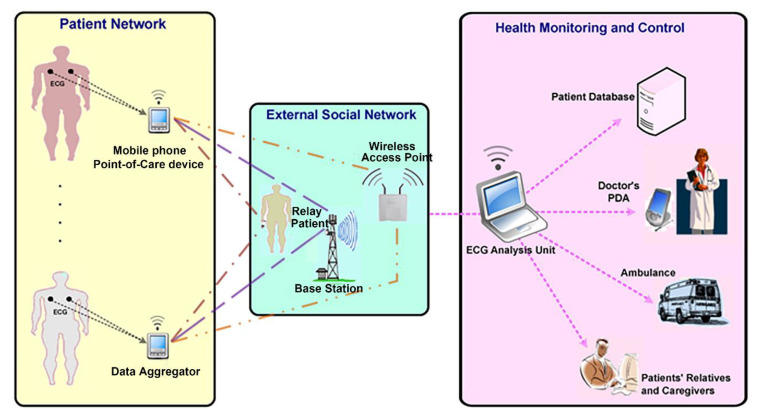
Cardiovascular diseases (CVDs), including asymptomatic myocardial ischemia, angina, myocardial infarction, and ischemic heart failure, are the leading cause of death globally. Early detection and treatment of CVDs significantly contribute to the prevention or delay of cardiovascular death. Electrocardiogram (ECG) records the electrical impulses generated by heart muscles, which reflect regular or irregular beating activity. Computer-aided techniques provide fast and accurate tools to identify CVDs using a patient's ECG signal, which have achieved great success in recent years. Latest computational diagnostic techniques based on ECG signals for estimating CVDs conditions are summarized here. The procedure of ECG signals analysis is discussed in several subsections, including data preprocessing, feature engineering, classification, and application. In particular, the End-to-End models integrate feature extraction and classification into learning algorithms, which not only greatly simplifies the process of data analysis, but also shows excellent accuracy and robustness. Portable devices enable users to monitor their cardiovascular status at any time, bringing new scenarios as well as challenges to the application of ECG algorithms. Computational diagnostic techniques for ECG signal analysis show great potential for helping health care professionals, and their application in daily life benefits both patients and sub-healthy people.
心血管疾病(CVDs)包括无症状性心肌缺血、心绞痛、心肌梗死和缺血性心力衰竭等,是全球范围内主要的致死原因。早期发现和治疗 CVDs 可显著预防或延缓心血管疾病死亡。心电图(ECG)记录了心肌产生的电脉冲,反映了心脏的正常或异常跳动活动。计算机辅助技术为使用患者的 ECG 信号识别 CVDs 提供了快速而准确的工具,近年来已取得巨大成功。这里总结了基于 ECG 信号的最新计算诊断技术,用于评估 CVDs 状况。ECG 信号分析过程在几个子部分中进行讨论,包括数据预处理、特征工程、分类和应用。特别是端到端模型将特征提取和分类集成到学习算法中,不仅大大简化了数据分析过程,而且表现出优异的准确性和鲁棒性。便携式设备使患者能够随时随地监测心血管状况,为 ECG 算法的应用带来了新的场景和挑战。ECG 信号分析的计算诊断技术在帮助医疗保健专业人员方面显示出巨大的潜力,其在日常生活中的应用使患者和亚健康人群受益。