Department of Mathematics, University of Michigan, Ann Arbor, 48109, USA.
Department of Computational Medicine and Bioinformatics, University of Michigan, Ann Arbor, 48109, USA.
Sci Rep. 2020 Nov 11;10(1):19506. doi: 10.1038/s41598-020-74002-2.
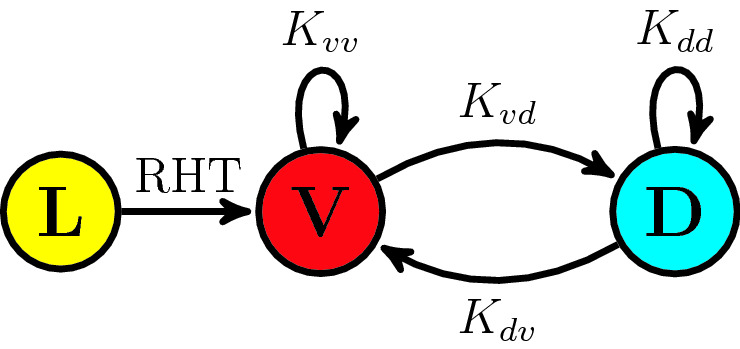
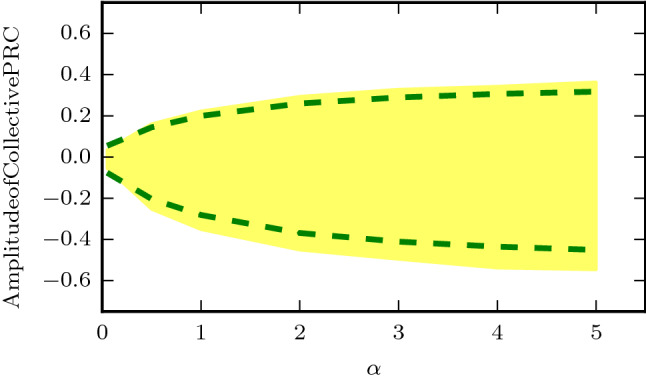
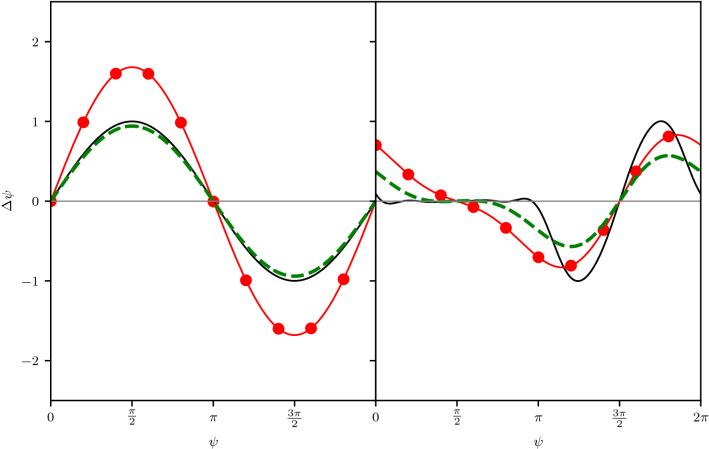
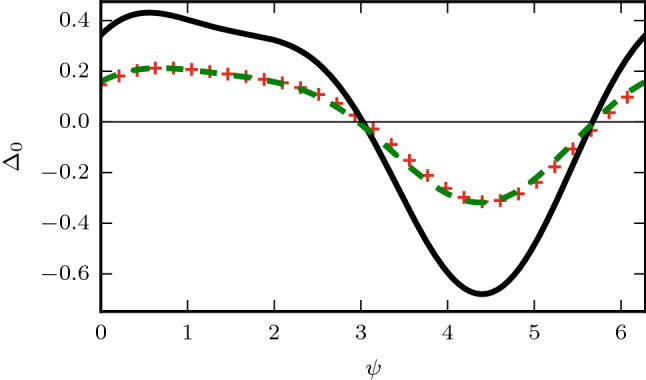
We study the impact of light on the mammalian circadian system using the theory of phase response curves. Using a recently developed ansatz we derive a low-dimensional macroscopic model for the core circadian clock in mammals. Significantly, the variables and parameters in our model have physiological interpretations and may be compared with experimental results. We focus on the effect of four key factors which help shape the mammalian phase response to light: heterogeneity in the population of oscillators, the structure of the typical light phase response curve, the fraction of oscillators which receive direct light input and changes in the coupling strengths associated with seasonal day-lengths. We find these factors can explain several experimental results and provide insight into the processing of light information in the mammalian circadian system. In particular, we find that the sensitivity of the circadian system to light may be modulated by changes in the relative coupling forces between the light sensing and non-sensing populations. Finally, we show how seasonal day-length, after-effects to light entrainment and seasonal variations in light sensitivity in the mammalian circadian clock are interrelated.
我们使用相位反应曲线理论研究光对哺乳动物生物钟系统的影响。利用最近提出的一种方法,我们推导出了哺乳动物核心生物钟的一个低维宏观模型。重要的是,我们模型中的变量和参数具有生理学解释,可以与实验结果进行比较。我们专注于四个关键因素对哺乳动物光相反应的影响:振荡器群体的异质性、典型光相反应曲线的结构、直接接收光输入的振荡器的分数以及与季节性日长相关的耦合强度的变化。我们发现这些因素可以解释几个实验结果,并深入了解哺乳动物生物钟系统中光信息的处理。特别是,我们发现生物钟系统对光的敏感性可能会受到光感应和非感应群体之间相对耦合力变化的调节。最后,我们展示了季节性日长、光适应的后效以及哺乳动物生物钟中光敏感性的季节性变化如何相互关联。